Key Benefits of Hidden Storage Tables
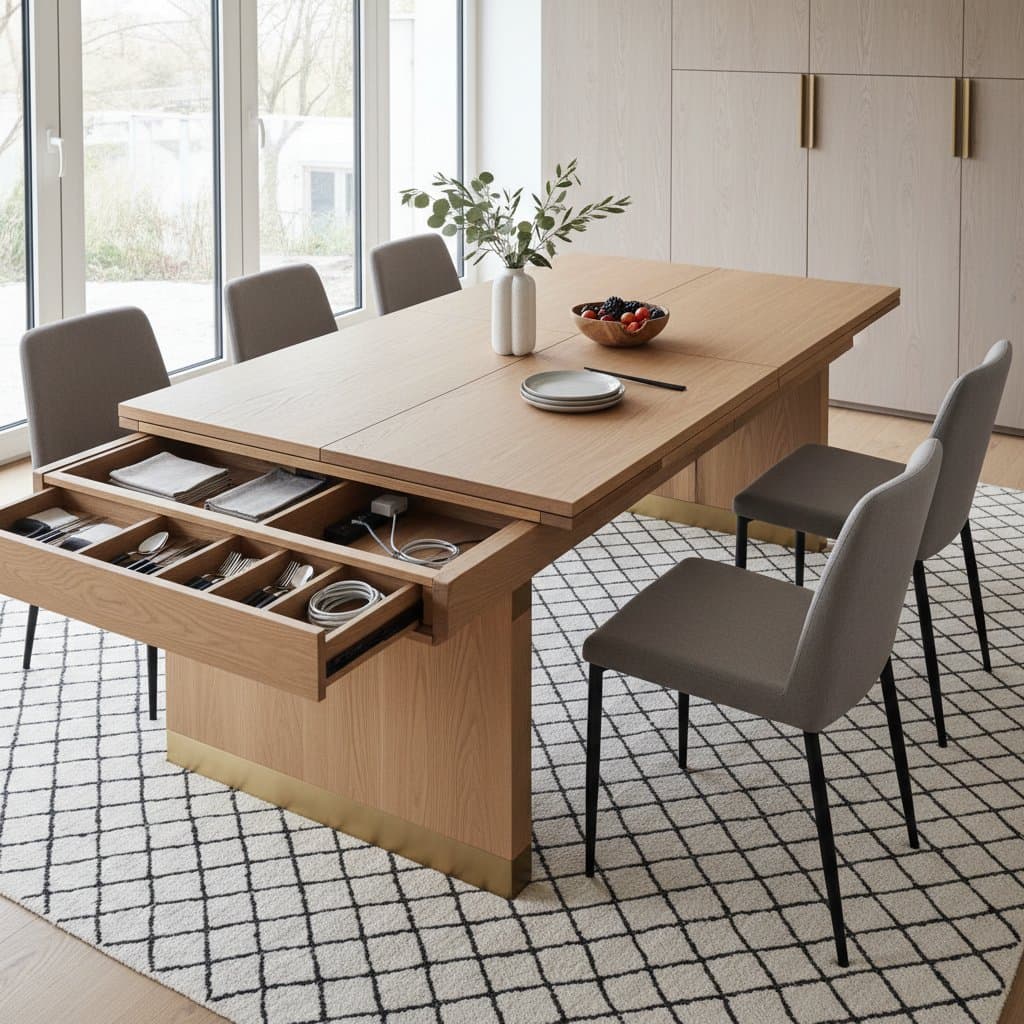
Hidden storage tables revolutionize dining areas by incorporating discreet compartments that optimize space usage. These pieces unite elegant design with practical storage, fostering organized and inviting environments. Available in styles ranging from warm rustic wood to contemporary metal accents, they deliver enduring style and functionality for smaller living spaces.
- Transform underutilized areas into efficient storage zones without altering room dimensions.
- Promote clutter reduction for a more serene dining atmosphere.
- Offer versatile designs that enhance both aesthetics and daily utility.
- Support long-term reliability through thoughtful engineering and material choices.
- Suit compact or multiuse rooms where space efficiency matters most.
Understanding the Design Principles
Evaluating Suitability for Your Space
Homeowners must review their setup, routines, and requirements before selecting a hidden storage table. Measure floor space and pathways to confirm the table permits easy chair pullout and navigation, including when compartments access contents.
Consider these targeted questions:
- Which items currently overload nearby surfaces, such as tableware or linens?
- How frequently will you retrieve stored goods, guiding compartment placement for convenience?
- What loads do you plan to store, ensuring the design matches lightweight or heavier needs?
- Does your floor type, like resilient tile versus plush carpet, demand added protection such as pads?
Precise measurements guide size selection. Allocate a minimum of three feet around the table for seating and flow. Simulate opening mechanisms to anticipate any extension into walkways.
Selecting Materials and Mechanisms
Core Materials
Choices in construction influence durability and style. Solid woods provide warmth and resilience for traditional settings. Engineered options like MDF allow affordable customization through paints or laminates.
Metal bases with wood or glass surfaces add modern strength. Composites deliver portability for adjustable designs. Inspect panel thickness and joint quality, favoring dovetail or mortise connections over fragile veneers.
Storage Systems
Mechanisms vary to fit different needs. Lift-top models raise the surface via gas lifts or springs, exposing broad storage.
Horizontal sliders suit tight vertical spaces, revealing sections sideways. Integrated side drawers offer swift access for essentials like cutlery.
Drop-leaf variants expand surfaces while hiding compartments inside, ideal for variable room sizes.
Essential Tools for Setup
Prepare these items for assembly or tweaks:
- Screwdrivers and Allen wrenches
- Wrenches for adjustments
- Clamps and adhesive for fixes
- Lubricants for smooth action
- Cloths for surface care
Prioritizing Safety
Moving elements require pinch-free operation and gradual closure via dampers. Lids must align evenly to prevent snags. Families with children benefit from cushioned edges and secure latches.
Step-by-Step Installation Guide
Initial Review
Examine packaging upon arrival for damage or incompleteness. Verify all parts against the guide. Address issues with suppliers promptly.
Frame Construction
Assemble the foundation first, aligning joints squarely. Level the structure to avoid operational glitches. Tighten fittings progressively.
Mechanism Integration
Attach slides, hinges, or lifts in the prescribed manner. Lubricate components lightly. Cycle operations repeatedly to confirm reliability before final fixes.
For lift mechanisms, adjust tension to match the top's weight evenly.
Final Checks
Clean residues post-assembly. Test with incremental loads, starting light and progressing to full capacity. Monitor for shifts or sounds signaling issues.
Room Placement
Position chairs for optimal reach. Apply floor protectors. Align lights to cover the area uniformly in all configurations.
Sustaining Performance Over Time
Routine checks preserve functionality. Tighten hardware quarterly and lubricate as needed. Clean exteriors gently, steering clear of abrasives.
Monitor these aspects:
- Effortless motion without sticks
- Firm, wobble-free stance
- Balanced support under contents
- Intact surfaces free of wear
Glass parts need edge scrutiny and mild cleaners. Metals in damp areas require rust preventives.
Upkeep for Hidden Areas
Prevent interior buildup by emptying and wiping regularly. Use liners to shield against scratches. Test lift balances seasonally.
Control ambient humidity to avoid material shifts. Limit contents to rated capacities; reinforce if necessary per guidelines.
Styling for Seamless Fit
These tables adapt to diverse aesthetics without drawing attention to storage. Minimalist rooms favor slim profiles and neutral tones.
Traditional spaces shine with detailed woods and apron-hidden drawers. Industrial vibes emerge from metal-wood hybrids.
Contemporary looks embrace polished surfaces and discreet accents.
Actionable Steps to Get Started
- Pinpoint storage shortages in your dining zone.
- Gauge room limits with exact dimensions.
- Examine options for features, builds, and guarantees.
- Schedule ongoing care routines.
- Assign item types to compartments for intuitive access.
Integrating a hidden storage table yields a refined, efficient dining hub that endures daily demands while enhancing home harmony.