Hidden Compartments: 2025's Smart Declutter Trend
The smartest homes conceal practical features, and this approach proves beneficial. Hidden compartments emerge as a leading storage trend that integrates clever design with daily utility. These solutions enable individuals to minimize clutter while preserving aesthetic appeal. Residents of small apartments or large residences alike find value in secret storage, which fosters organized environments that balance form and function.
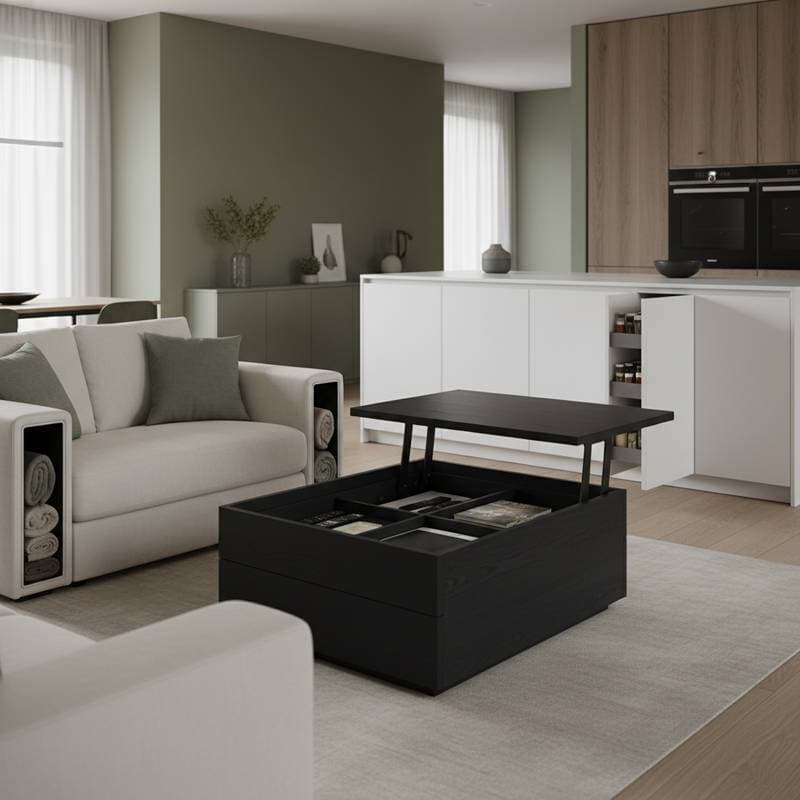
This movement emphasizes genuine utility over novelty. Homeowners reclaim visual serenity and maintain accessibility to necessities. Examples include coffee tables equipped with hidden drawers and kitchen cabinets featuring toe-kick compartments. Such innovations prompt a reevaluation of storage possibilities in diverse settings.
Disguised Storage in the Living Room
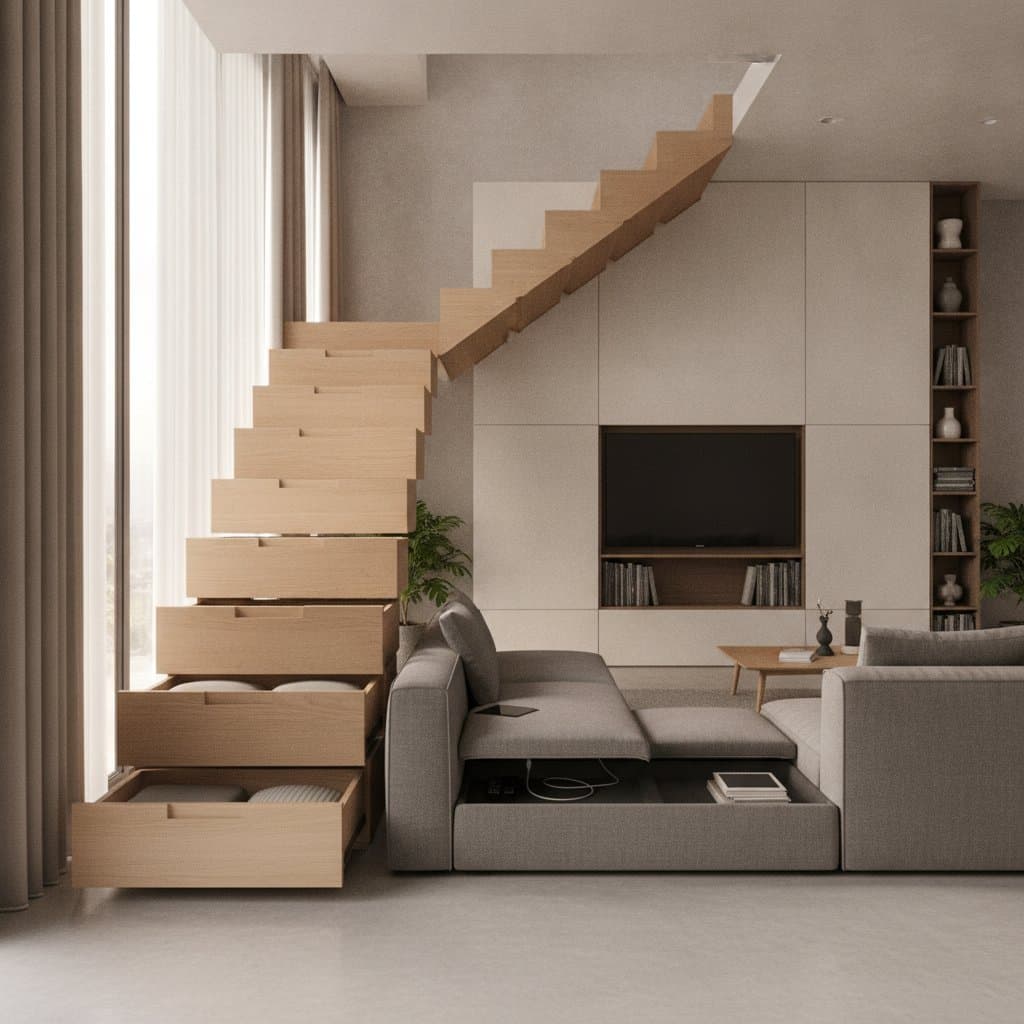
3. Hidden Charging Stations: Conceal cables by directing them through compartments beneath console tables or within media units. Certain designs feature flip-top panels integrated with power outlets. This arrangement contains wiring and ensures clear surfaces.
Well-integrated features harmonize with furniture lines, avoiding overt indications of storage. The result is a unified, tranquil atmosphere.
Bedrooms That Stay Serene
Bedrooms serve as retreats for relaxation, where visible disarray undermines tranquility. Hidden storage enhances this sanctuary effectively.
1. Storage Headboards: Modern headboards integrate shelves or compartments behind sliding panels. These hold books, eyeglasses, or compact devices, freeing bedside surfaces.
2. Lift-Up Beds: Frames with hydraulic mechanisms expose substantial underbed storage. This space suits seasonal clothing, linens, or bedding. Designer Rita Cole of Haven Interiors observes, “Hidden bed storage is one of the smartest investments for small bedrooms. It gives you closet-level space without visible clutter.”
3. Floating Nightstands with Secret Drawers: Minimalist nightstands often conceal drawers that extend from the base. They secure jewelry or private items discreetly.
For those unable to modify structures, such as renters, built-in furniture provides comparable advantages without permanent alterations.
Bathrooms That Feel Spa-Worthy
Limited space in bathrooms amplifies the impact of clutter, transforming tidy areas into chaotic ones. Hidden compartments address these constraints adeptly.
1. Medicine Cabinets with Mirror Fronts: These longstanding solutions persist for their efficacy. Updated iterations include illumination, electrical outlets, and tiered shelving for toiletries.
2. Vanity Drawers with Dividers: Inserts organize hair appliances and manage cords. Advanced vanities incorporate false bottoms for securing valuables.
3. Shower Niches with Sliding Panels: Niches covered by matching tile panels store bottles seamlessly. Designer Sophie Tran of Aqua Collective comments, “Bathrooms feel more luxurious when surfaces look uninterrupted. Hidden compartments keep that spa-like simplicity.”
During renovations, install recessed shelves or wall-integrated mirror cabinets. Minor enhancements streamline routines and promote composure.
Choosing the Right Hidden Compartment for Your Space
Evaluate specific clutter issues before incorporating hidden compartments. Designer Mara Jensen recommends a brief assessment: “Look at what is always out on your counters or floors. That is where hidden storage will make the biggest difference.”
Consider these questions:
- Which daily items require concealment?
- Can a single furniture piece fulfill multiple roles?
- Does the storage demand quick retrieval or serve infrequent needs?
Target solutions to authentic challenges. A lift-top ottoman suits scattered pet toys, while a divided console drawer manages documents more effectively than open baskets.
Account for usability as well. Compartments that prove difficult to access risk neglect. Optimal designs facilitate intuitive operation.
Maintaining Hidden Storage Systems
Implementation marks the beginning; consistent use sustains effectiveness. Assign distinct purposes to each compartment and review arrangements periodically, perhaps quarterly.
Organizing expert James Porter advises, “Do not fill every hidden space just because it is there. The goal is calm, not more storage. Leave some compartments empty so your home can breathe.”
This practice influences decoration choices. Freed surfaces invite displays of artwork, greenery, or cherished possessions, fostering deliberate living spaces.
Integrating Personal Elements
Hidden compartments extend beyond trends to embody individual lifestyles. They safeguard cherished or private items, such as correspondence in a dedicated drawer or craft materials in a table compartment.
Thrift stores yield vintage finds like desks or trunks with ingenious hidden features absent in contemporary pieces. These serve dual purposes as functional storage and engaging focal points.
Adaptability defines the appeal. Initiate with modest additions or embed throughout the residence. This strategy elevates both utility and design integrity.
Embracing Simplicity Through Concealment
Hidden compartments transcend mere organization; they cultivate lighter, more personalized environments. Eliminating visual distractions amplifies appreciation for essential rituals, from leisurely mornings to unobstructed gatherings.
Effective storage operates subtly, supporting desired routines without prominence. Envision transforming everyday scenes through seamless integration. This perspective unlocks the transformative potential of concealed design.