Unlock Effortless Decluttering with AI Scanning Apps
Most homeowners face challenges in maintaining organization not due to insufficient effort, but because of insufficient clarity. A cluttered room presents numerous decisions: which items to retain, which to sell, and which to store. This cognitive burden often halts progress before it begins. AI scanning apps address this issue by eliminating uncertainty, transforming chaotic spaces into manageable ones through informed choices.
Why Traditional Decluttering Methods Fall Short
A typical weekend decluttering session begins with high energy, yet motivation wanes as piles accumulate and doubts arise about each possession. Homeowners frequently rely on emotional responses rather than structured guidance, leading to repeated handling of items and inefficiency. Without a reliable framework, the process becomes exhausting and incomplete.
Capabilities of AI Decluttering Tools
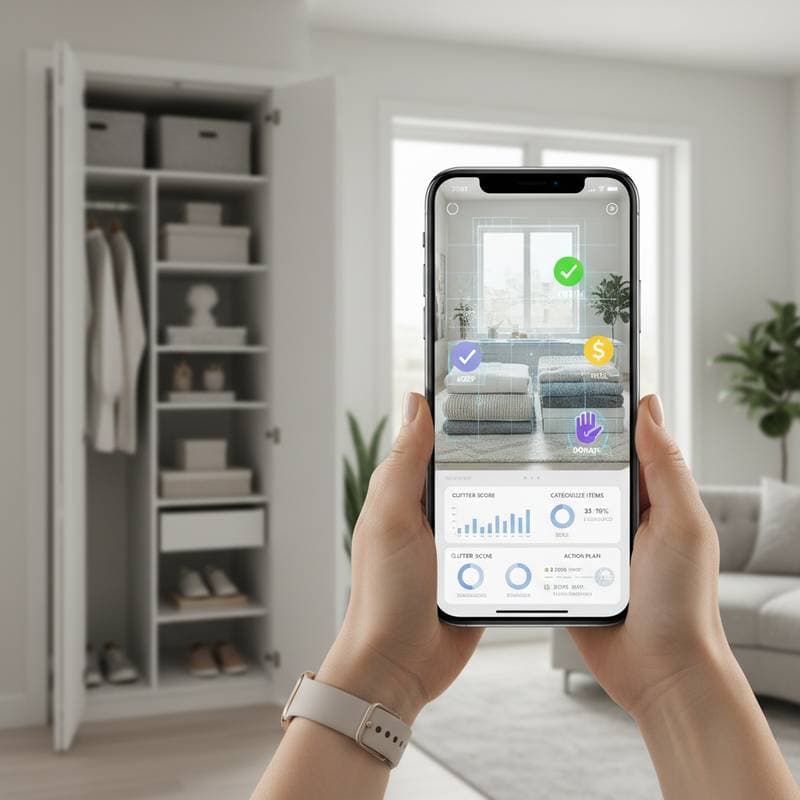
These applications process images via advanced object recognition to classify belongings accurately. Certain tools assess potential resale values, recommend suitable donation recipients, or maintain inventories for insurance documentation. The focus extends beyond mere neatness to foster intelligent ownership management.
Key functions include:
- Detecting duplicates, such as redundant kitchen utensils or duplicate apparel
- Calculating approximate market values for online sales platforms
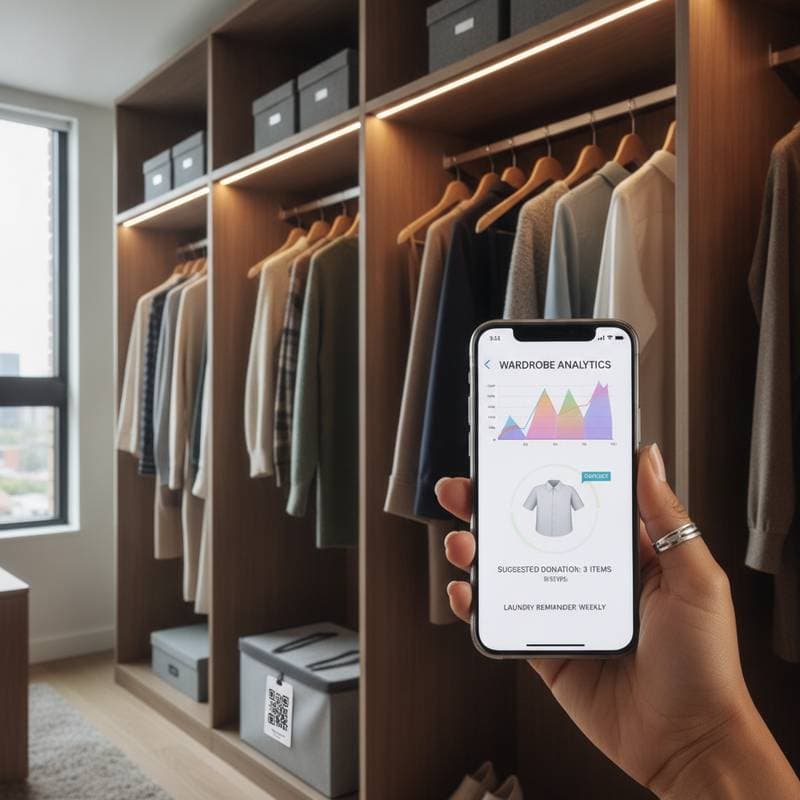
- Monitoring item usage by recording scan dates and interaction history
- Creating digital catalogs to track stored possessions
However, these apps serve as decision aids rather than autonomous agents. They cannot evaluate emotional attachments or execute physical tasks like disposal. Users must integrate the technology with personal judgment for optimal results.
Preparation Steps for Effective Use
To maximize benefits, assemble essential elements prior to starting:
- A smartphone equipped with a high-resolution camera
- Adequate, even lighting to enhance image clarity
- Designated areas for sorting items into keep, donate, and discard categories
- Realistic expectations, as the app streamlines but does not eliminate effort
Begin with a single area, such as a wardrobe or pantry shelf. Attempting a whole-home scan risks generating digital disarray alongside physical mess.
Step-by-Step Guide to Achieving Tangible Outcomes
- Capture images systematically. Launch the app and photograph items methodically, ensuring each image features clear focus and sufficient light.
- Allow categorization by the AI. The system will sort items into logical groups; verify classifications promptly and adjust inaccuracies.
- Examine proposed recommendations. Apps often suggest options like selling high-value pieces or donating seasonal clothing; treat these as guides to refine with personal input.
- Finalize and implement choices. After approval, relocate the item to its designated pile and complete the action before proceeding.
- Maintain an updated digital log. Record retained items to build a comprehensive inventory, which prevents redundant acquisitions in the future.
With practice, users can process a modest room in approximately one hour. Allocate extra time for cherished or costly objects, prioritizing precision over haste.
Addressing Frequent Challenges
Challenge: Inaccurate item recognition.
**Resolution: Verify labels manually. Optimal results depend on proper illumination and angles; recapture images if initial scans prove unreliable.
Challenge: Overload from excessive information.
**Resolution: Tackle one category sequentially, such as evaluating donations before resale potentials, to maintain focus.
Challenge: Incomplete sessions.
**Resolution: Treat decluttering as scheduled commitments. Break tasks into 30- to 45-minute intervals to sustain momentum without fatigue.
Seeking Professional Assistance When Necessary
For high-value assets like collectibles or heirlooms, engage certified appraisers. While AI provides value estimates, expert evaluation ensures precision. Similarly, for extensive projects involving estates or compulsive accumulation, professional organizers offer tailored support. Technology augments but does not supplant specialized human insight.
Strategies for Sustained Organization
After initial organization, integrate habits to preserve order. Photograph incoming purchases immediately to update inventories. Set quarterly reviews via app notifications to reassess possessions. Analyze recurring clutter sources, such as impulse buys in specific categories, and refine purchasing patterns accordingly.
True decluttering cultivates mindful possession rather than flawless spaces. AI scanning apps accelerate this awareness, converting vague overwhelm into precise, empowered actions. The result is a home that reflects intentional choices, achieved through smarter, not harder, effort.