AI Robots Transforming Backyards: 2026 Design Revolution
We’ve all dreamed of a backyard that looks incredible without spending every weekend maintaining it. The kind of outdoor space that practically takes care of itself while you get to enjoy the sunshine and a good drink. Well, that dream is closer to reality than ever. Artificial intelligence is stepping into our gardens, not just for tech enthusiasts but for anyone who loves beautiful, functional outdoor living. The newest generation of AI-powered robots is quietly transforming backyards across the world, and honestly, the results are stunning.
The Rise of Smart Landscaping
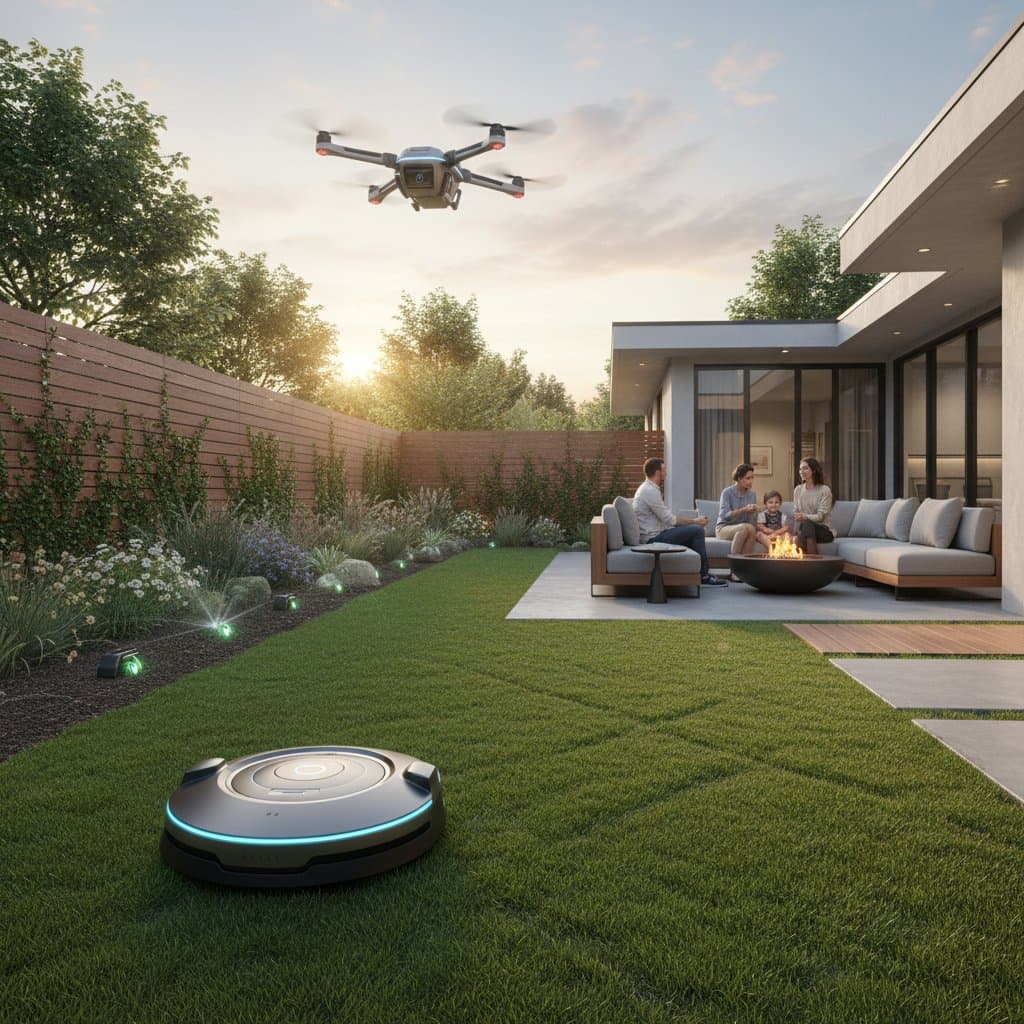
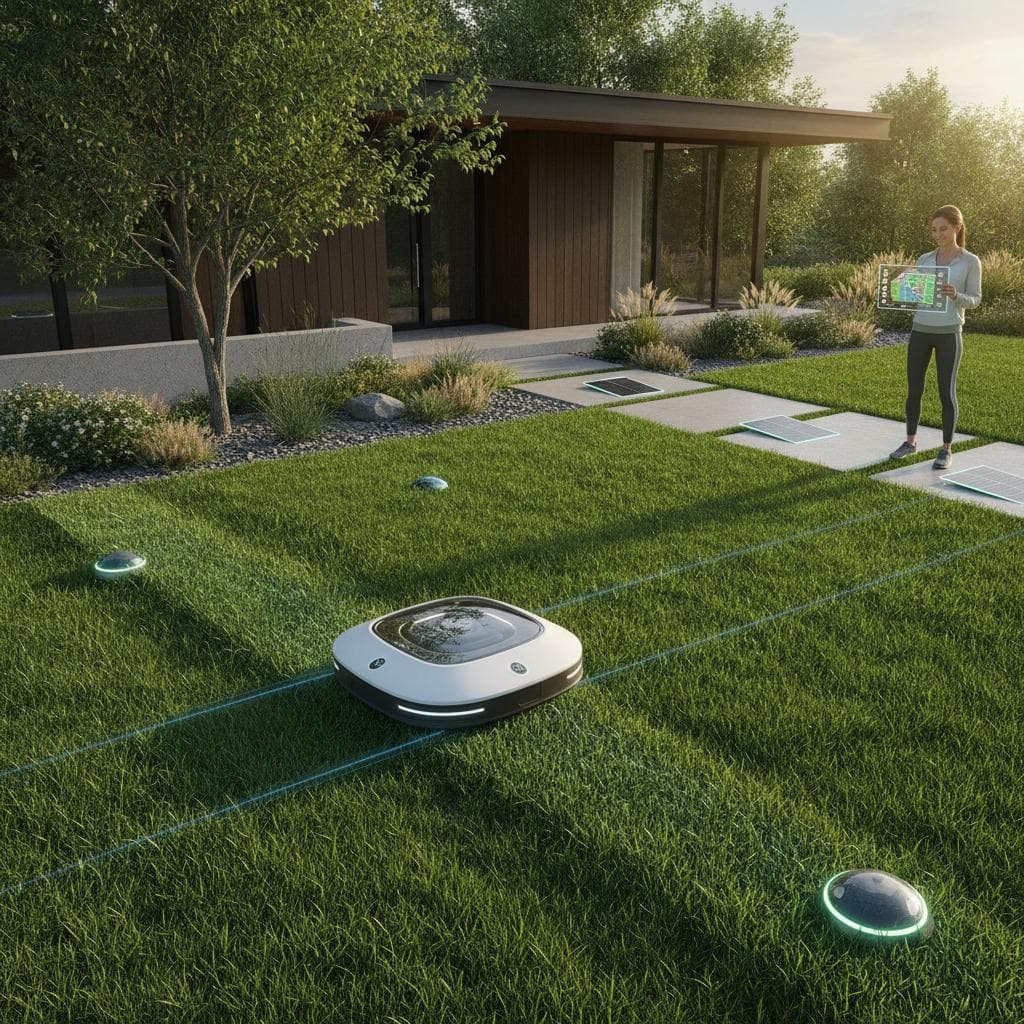
Let’s be clear, robotic mowers and sprinklers aren’t exactly new. What’s new is how smart they’ve become. These aren’t the clunky machines that used to bump into furniture and leave uneven patches of grass. The latest AI landscaping systems learn the shape of your yard, track plant health, and adapt to weather patterns. Some even communicate with your home’s smart hub, adjusting water schedules based on real-time moisture sensors or predicting when your grass needs trimming.
Why Homeowners Are Embracing AI Outdoors
People are busy, and maintaining a landscape can easily slip down the to-do list. AI offers something that traditional landscaping never could: consistent, data-driven care. This means fewer brown patches, less wasted water, and more free time to actually enjoy the space you’ve created.
Here’s what’s really driving the shift:
- Precision and efficiency – AI systems use sensors and mapping to tailor care to the exact needs of your plants and lawn. No more guessing how much water your hydrangeas need or when to fertilize.
- Sustainability – Smart irrigation reduces water waste, and electric robotic mowers produce no emissions. It’s eco-friendly without feeling like a compromise.
- Aesthetic control – Automated lighting, trimming, and feeding allow you to maintain design integrity day after day. Your backyard doesn’t just look good after a big cleanup; it stays that way.
- Customization – The best systems let you design zones for different moods. Maybe you want a lush, shaded reading corner and a low-maintenance entertaining area. AI remembers your preferences and adjusts care routines accordingly.
Blending Technology with Design Harmony
Now, if you’re picturing a cold, tech-heavy yard filled with blinking lights and buzzing machines, don’t worry. Good design is about harmony, not hardware. The smartest use of AI in landscaping is nearly invisible. The robots blend into the environment, both visually and functionally. Think sleek, low-profile mowers that tuck themselves away after work, or sensors built into planters that quietly monitor soil conditions.
Designers are integrating this technology into outdoor aesthetics in creative ways. Charging stations can double as garden features, lighting hubs can be disguised as stone lanterns, and irrigation sensors can disappear beneath decorative mulch. The goal is seamless living, not sci-fi spectacle.
The Designer’s Perspective
As someone who’s worked on countless outdoor projects, I’ve seen how technology can either enhance or overwhelm a space. The key is moderation. Don’t let the tech dictate the design; let it support it. Start with your lifestyle and vision for the space. Do you want a lush green haven that feels like a private park, or a sleek patio setup for entertaining? Once you know that, technology becomes a tool rather than the focal point.
For example, one of my clients wanted a backyard that looked like a natural meadow but didn’t want the maintenance headaches. We used AI-controlled mowing that followed irregular, organic paths instead of traditional straight lines. The result was effortless charm with minimal upkeep. The technology worked quietly in the background, preserving the sense of nature while keeping everything tidy.
Practical Tips for Bringing AI into Your Backyard
If you’re thinking about upgrading your outdoor space with some smart help, here’s where to start:
- Begin small – Try a single device first, like an AI mower or smart irrigation system. You’ll learn what works for your property and habits before investing in a full system.
- Map your yard – Most AI landscaping tools work best with a digital map of your property. Take time to mark zones, slopes, and plant types so the system can optimize itself.
- Focus on connectivity – Choose devices that integrate smoothly with your existing smart home system. Compatibility matters for convenience.
- Keep design first – Always plan where devices will live. Hide charging bases behind shrubs, choose neutral finishes, and keep pathways clear.
- Monitor performance – AI improves with feedback. Adjust scheduling and preferences until it feels intuitive.
A little upfront planning can make a big difference in how seamlessly these tools fit into your daily life.
The Human Side of Smart Backyards
Technology alone doesn’t make a backyard inviting. What makes these spaces come to life is the balance between automation and personal touch. AI can mow, water, and light your garden, but it can’t choose the meaningful details that make it yours. Add that handcrafted bench you love, plant herbs that remind you of your travels, or hang string lights that glow just the way you like them.
What’s beautiful about this new wave of AI is that it frees you to focus on those things. Instead of spending hours trimming hedges, you can finally design the outdoor dining nook you’ve been dreaming of. Instead of worrying about whether the grass will survive a heatwave, you can enjoy the peace of knowing it’s handled.
Living with Your Design
Once you’ve integrated AI into your backyard, the real joy comes from how it changes your relationship with the space. You start noticing the subtle differences: the consistent greenery, the even lighting, the way everything feels effortlessly in sync. It’s not about showing off technology; it’s about creating a living environment that supports you.
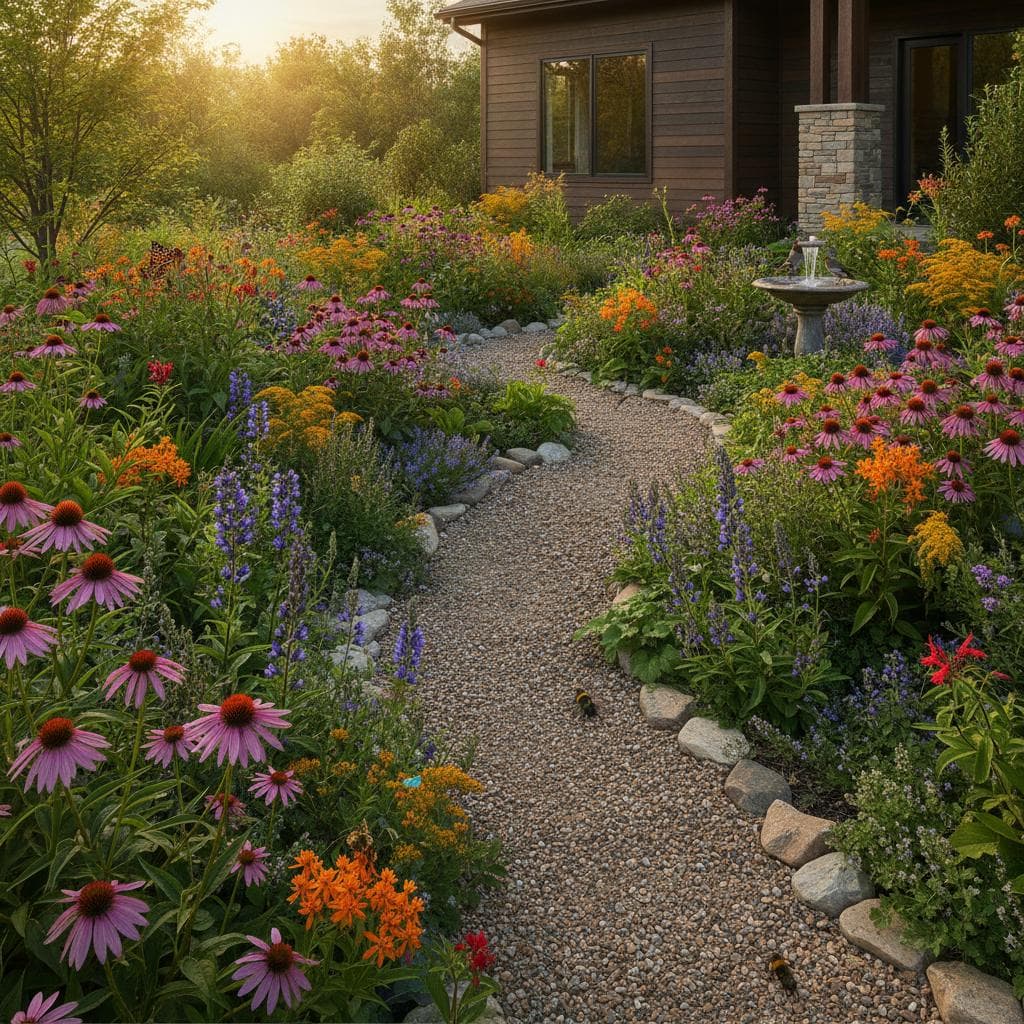
Still, remember to stay involved. Check on your plants, walk barefoot on the lawn, adjust settings when your needs shift. AI is a partner, not a replacement. The best backyards evolve with their owners, and smart systems should evolve too. Maybe next season you’ll plant more pollinator-friendly flowers or experiment with drought-resistant grasses.
Your Next Steps
If you’re ready to embrace this design revolution, start by rethinking how you view your outdoor space. Don’t just see it as a lawn to maintain. See it as an ecosystem that can collaborate with you. Choose technology that respects both the environment and your aesthetic goals.
The beauty of AI-driven landscaping is that it brings professional-level precision into everyday life. It’s not about perfection; it’s about harmony. When your backyard supports your lifestyle, looks incredible, and practically runs itself, that’s design success.