The Rise of Enzyme Cleaners in Modern Homes
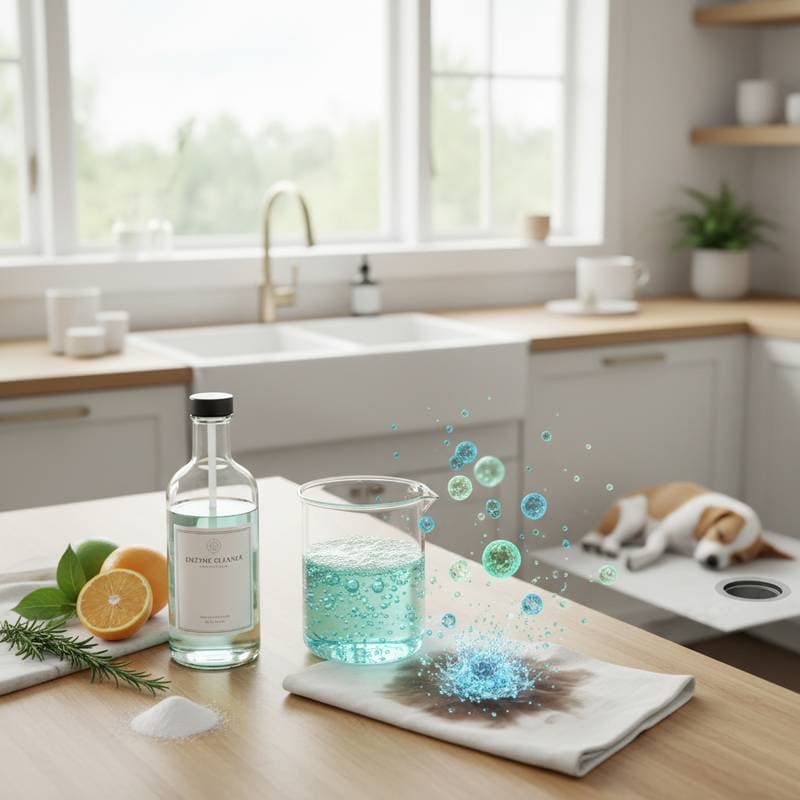
Homeowners increasingly select enzyme-based cleaners because standard products frequently fail to address the underlying sources of dirt and lingering odors. Scrubbing and disinfecting offer short-term fixes, but organic residues persist and promote bacterial growth, which results in repeated problems. Enzyme cleaners resolve this issue through biological degradation of the problematic materials, which accounts for their growing appeal among individuals who prioritize dependable and environmentally friendly cleaning options.
Limitations of Traditional Cleaning Methods
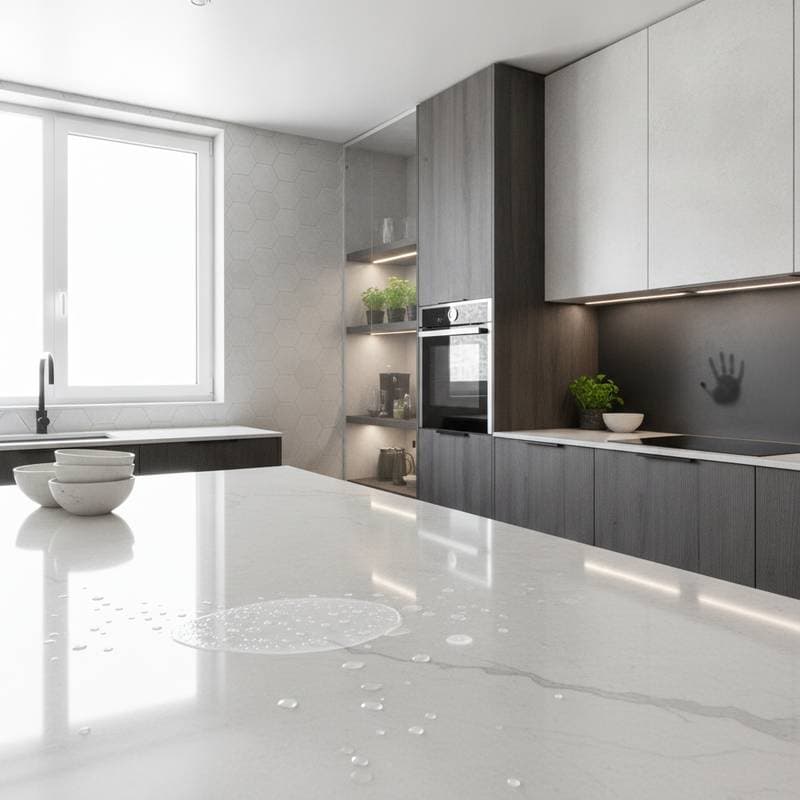
Numerous people face recurring difficulties, such as a recently mopped floor that retains a trace of pet urine odor or a cleaned countertop that shows a lingering greasy residue. The frequent mistake involves depending on strong chemicals to achieve complete results, whereas these substances generally mask the issue rather than eliminate it. Enzymes, however, break down organic compounds like proteins, fats, and starches into odorless, water-soluble components that rinse away cleanly without leaving traces.
The Science Behind Enzyme Action
An enzyme cleaner contains specific biological agents that accelerate the breakdown of particular waste materials. Proteases target proteins in substances like blood, dairy products, or bodily fluids. Amylases break apart starches and sugars, which removes residues from drinks or cooked grains. Lipases address lipids by decomposing oils and fats that build up in drains or on fabrics.
When applied, these enzymes start a decomposition process that simplifies molecular structures for straightforward removal. This reaction demands time, typically 10 to 30 minutes or longer, in contrast to the quick drying of chemical sprays. Individuals must permit adequate contact time for maximum effectiveness, since stopping the process too soon diminishes results.
Essential Supplies for Effective Use
Gather these items prior to using an enzyme treatment to achieve professional-level outcomes:
- A premium enzyme cleaner suited to the specific stain
- Microfiber cloths or absorbent towels for blotting
- A spray bottle for controlled, diluted application
- A soft-bristled brush for light agitation in tight areas
- Protective gloves to uphold hygiene standards
- A source of warm water for complete rinsing
These tools promote accuracy and avoid typical errors, turning everyday cleaning into streamlined procedures.
Proven Techniques for Common Cleaning Challenges
1. Eliminating Pet Odors from Carpets
Start by pressing a clean towel firmly on the stained area to soak up excess moisture. Spray the enzyme cleaner generously and let it soak in for a minimum of 15 minutes. Avoid rubbing, which can push residues further into the fibers; blot gently from the surface to lift the treated material. For better results in deeper layers, apply again and wait up to one hour before vacuuming thoroughly.
2. Clearing Grease Buildup in Kitchen Drains
Mix one cup of warm water with four ounces of enzyme cleaner, then pour the solution straight into the drain. Leave the mixture untouched overnight so the enzymes can digest built-up fats and food debris. Flush with cool water the following day; avoid hot water, which can deactivate the enzymes. This method surpasses harsh drain cleaners by protecting pipes while improving flow.
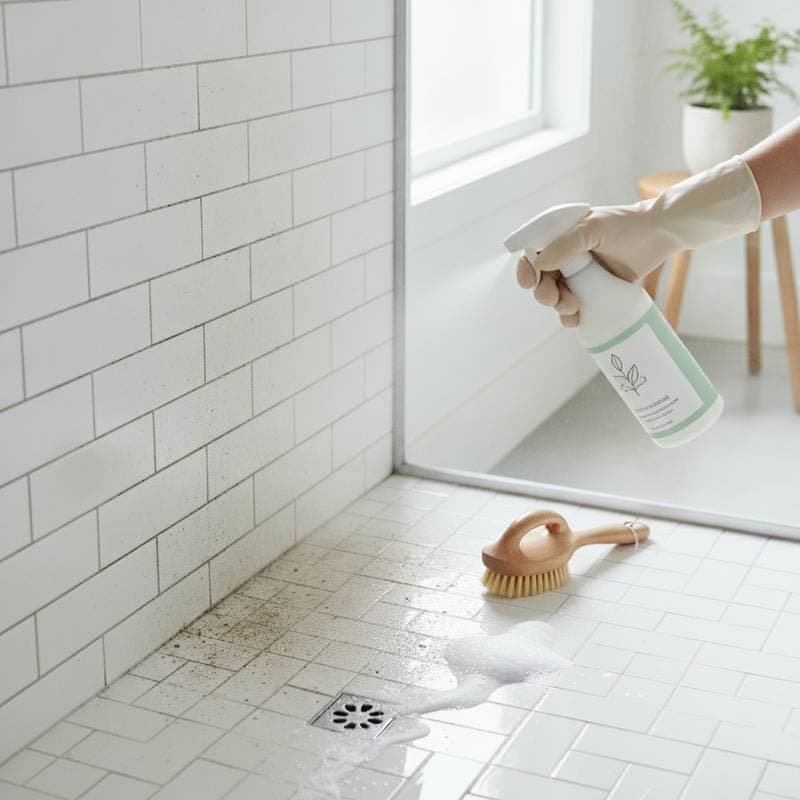
3. Reviving Discolored Bathroom Grout
Spray enzyme cleaner directly on the grout lines between tiles and allow it to sit for 20 to 30 minutes. Use a nylon brush to scrub lightly and dislodge soap scum and organic mildew. Rinse right away with warm water and dry using a cloth to eliminate trapped moisture. Apply this treatment weekly to maintain grout brightness without relying on abrasives or acids.
4. Enhancing Laundry Freshness
Add two to three tablespoons of enzyme cleaner to the washing machine's pre-wash or soak cycle. This step tackles persistent odors in items like workout clothes, pet bedding, or frequently washed linens that survive regular washes. Operate the machine on a warm cycle to fully engage the enzymes, yielding fabrics that stay fresh for extended periods.
Factors Driving Their Online Popularity
These methods gain traction online through their visible, lasting outcomes that minimize the frequency of re-cleaning. Enzyme cleaners work quietly but effectively, meeting the preference for non-toxic choices that lack harsh fumes or synthetic fragrances. Families with vulnerable members, including infants or animals, especially appreciate the gentle safety features.
Remain vigilant about unproven tips, though. Mixing enzymes with acidic vinegar or bleaching agents destroys their function completely. On surfaces sensitive to acids, such as marble, extended contact also calls for preliminary testing to prevent harm.
Situations Requiring Expert Intervention
Enzyme cleaners perform well on surface issues but prove inadequate for major concerns like deep-seated wall mold, extensive pet soiling, or sewer backups. Such cases necessitate advanced equipment and isolation protocols that exceed home resources. Postponing professional help worsens the situation, since concealed pollutants in areas like wall insulation often require full-scale cleanup.
Strategies for Optimal Performance
Allow extra time for contact beyond basic recommendations to fully leverage enzymatic activity. Do not combine with soaps or detergents, as these block biological processes. Keep products in cool, dark locations to preserve enzyme potency. Test on hidden areas first, particularly for fabrics or finished wood. Regular use leads to gradual enhancements in odor control and stain prevention.
Sustaining Cleanliness Over Time
Following primary treatments, incorporate enzyme cleaners into regular upkeep to avert future buildup. Apply a light mist to busy areas like kitchens and bathrooms each week to curb organic deposits. In homes with pets, treat preferred locations every two weeks. This forward-thinking routine delivers a reliably fresh living space through the power of biological cleaning.