Key Points
- AI-powered mowers are reshaping backyard maintenance by combining smart navigation and autonomous performance.
- These devices learn your lawn’s layout, adjust for growth patterns, and operate quietly without requiring manual guidance.
- Advanced sensors and mobile app integration allow full control from anywhere, turning lawn care into a seamless, automated process.
- Experts predict that AI mowers will soon become as common in homes as robotic vacuums, offering both efficiency and environmental benefits.
When the Lawn Takes Care of Itself
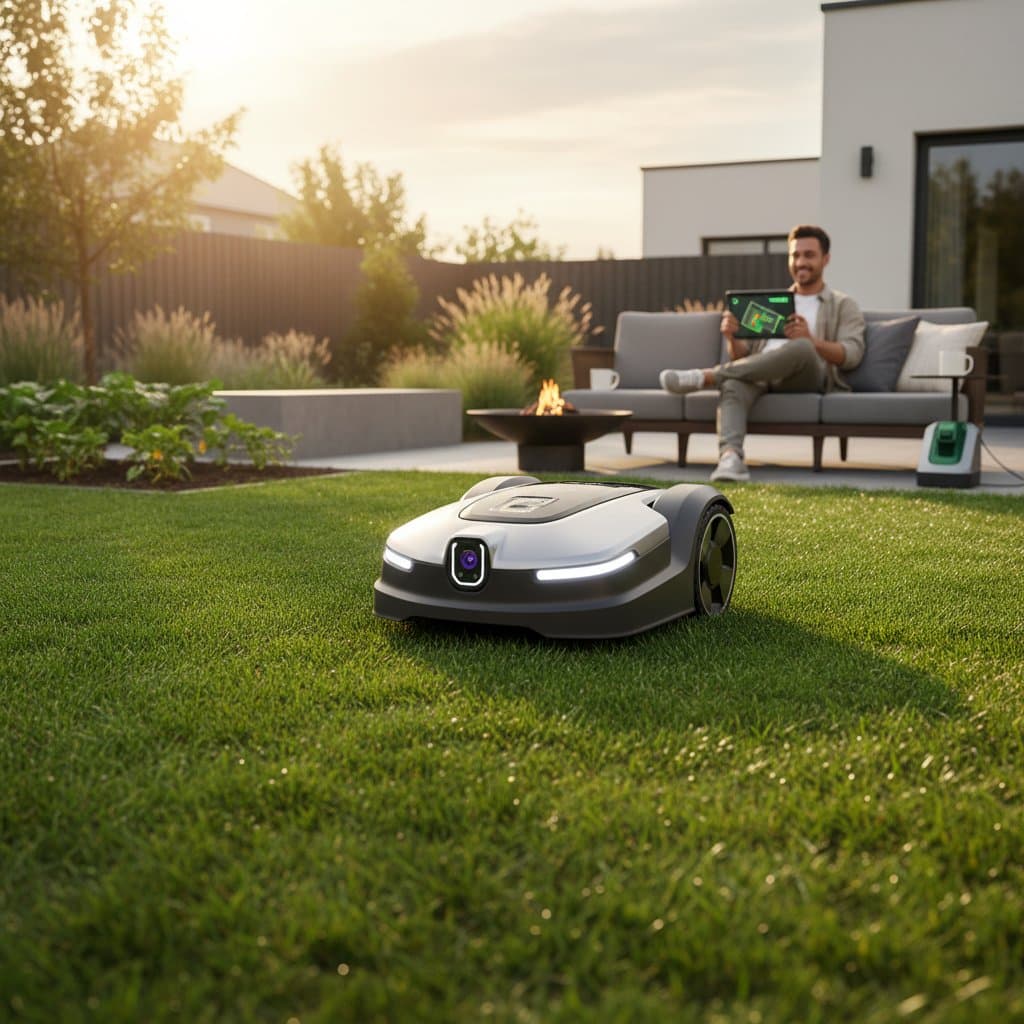
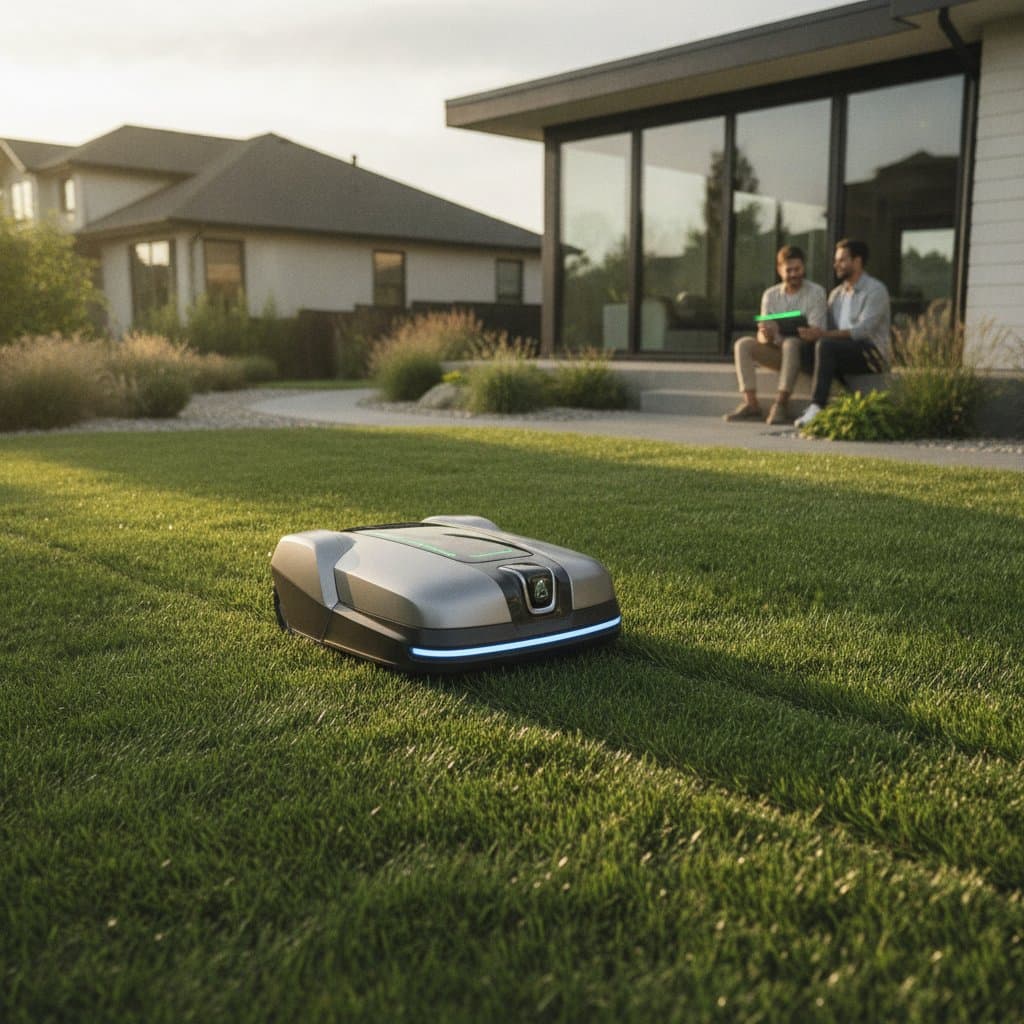
Picture a late Saturday morning. The air is warm, the coffee is strong, and the familiar buzz of a mower is missing from the background. Instead, a compact machine glides across the grass, trimming with quiet precision. It knows exactly where to go, how short to cut, and when to stop for charging. You’re not guiding it, you’re simply watching your weekend return to you.
The Smart Lawn Revolution
AI mowers are part of a broader movement toward fully autonomous home maintenance. They use sensor-based mapping and GPS technology to memorize yard layouts, avoid obstacles, and adjust routes based on real-time data. Some models even recognize weather conditions, pausing operations during rain to protect both the blades and the grass.
Unlike traditional robotic mowers that follow random paths or boundary wires, AI-driven versions think strategically. They calculate the most efficient mowing patterns, identify high-growth zones, and adapt to seasonal changes. The result is a consistently manicured lawn that looks professionally maintained without human intervention.
Behind the Technology
The core of these mowers lies in machine learning algorithms that process data from cameras, ultrasonic sensors, and onboard navigation systems. They create a digital map of your yard, refining it with every pass. Over time, the mower becomes more accurate, reducing overlap and saving energy.
Manufacturers have enhanced safety with automatic shutoff features when the device is lifted or tilted. Some models include obstacle detection that identifies pets, toys, or garden furniture, stopping instantly to prevent accidents. Combined with weather tracking and geofencing, these features make AI mowers among the safest tools in outdoor automation.
Why Homeowners Are Making the Switch
Convenience is the obvious appeal, but there is more at play. Many homeowners find that AI mowers improve lawn health by cutting more frequently and evenly. Fine grass clippings act as natural mulch, enriching the soil and reducing the need for chemical fertilizers. The electric motors are also energy-efficient and significantly quieter than gas mowers, creating a cleaner, calmer environment.
From an economic perspective, the initial investment can be offset by long-term savings on fuel, maintenance, and professional lawn services. Busy professionals, parents, and retirees alike appreciate the freedom from routine yard work while still enjoying a pristine outdoor space.
Cultural Shifts in Outdoor Living
The rise of AI mowers fits into a larger cultural move toward smart living. As homes adopt voice assistants, automated lighting, and connected security systems, outdoor technology is catching up. The lawn, once a symbol of manual labor and weekend upkeep, is now part of a digital ecosystem that values sustainability, time efficiency, and comfort.
In entertainment and celebrity culture, the “smart home” has become a lifestyle aspiration. Public figures regularly share glimpses of tech-driven spaces that balance luxury with innovation. The AI mower, though subtle, plays into that same narrative, merging convenience with sophistication.
Choosing the Right Model
Selecting an AI mower depends on yard size, terrain, and connectivity preferences. Compact models work well for smaller plots, while larger versions handle complex landscapes with multiple zones. Battery life, cutting width, and smart app compatibility are also key considerations.
Before purchase, check whether your mower supports over-the-air updates, as manufacturers frequently release software improvements. Integration with smart home systems can further streamline control, letting you schedule mowing through voice commands or smartphone routines.
Making Your Smart Lawn Work for You
Integrating an AI mower into your routine is simple once it is calibrated. Start by clearing the yard of debris, then allow the mower to map your property. After a few runs, it will establish optimal routes and timing.
The real advantage comes from consistency. Instead of reacting to overgrown grass, the mower prevents it entirely, creating a lush, even surface that stays beautiful week after week.
Living with Effortless Green
An AI mower is more than a gadget, it is a shift in how we relate to our outdoor spaces. It turns maintenance into management, freeing time for relaxation, connection, and creativity.