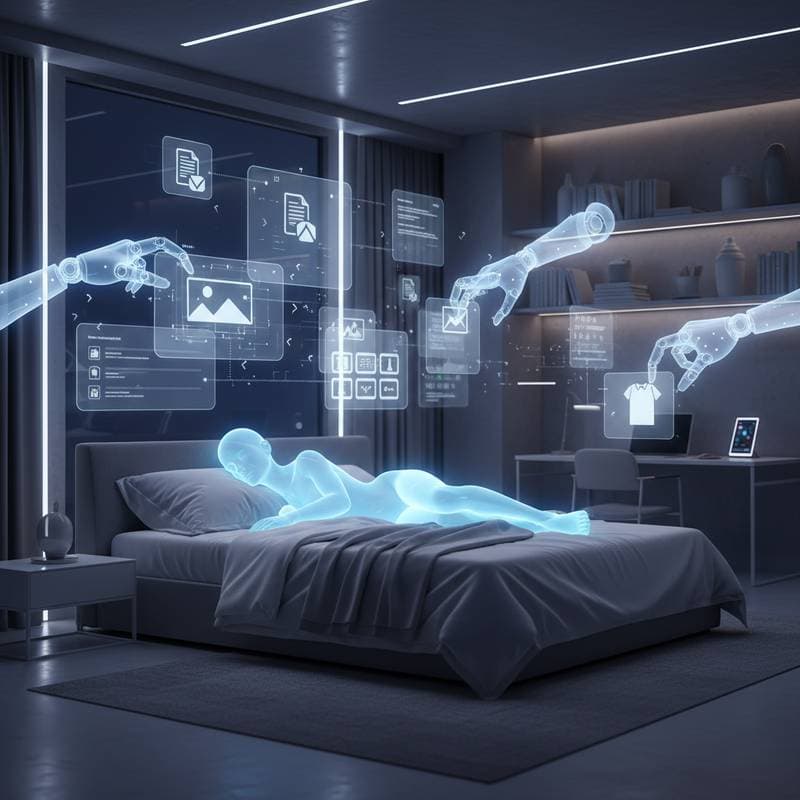
AI Apps That Sort Your Clutter While You Sleep
Key Points
- AI-powered decluttering apps employ image recognition, predictive sorting, and habit analysis to organize digital and physical clutter automatically.
- These tools adapt to user preferences over time, enabling quicker decisions on items to retain, donate, or discard.
- Incorporating AI decluttering into daily routines lowers stress levels, conserves time, and sustains organization with minimal ongoing input.
- Experts recommend combining these apps with intentional practices to achieve enduring outcomes.
The Scene You Know Too Well
You open your phone to locate a single photo. Fifteen minutes pass as you scroll through screenshots, duplicates, and memes accumulated from group chats. This pattern repeats in your home with a junk drawer overflowing with tangled cables, expired coupons, and unidentified spare keys. Decluttering appears overwhelming, especially with limited time available. AI-powered decluttering apps offer a fresh approach by handling the bulk of the sorting process.
The Rise of Intelligent Organization
How AI Decluttering Works
AI decluttering applications operate primarily through three core mechanisms:
- Object recognition: The software examines images or files to classify contents. It distinguishes a sweater from a towel or a tax document from a shopping receipt.
- Predictive sorting: Drawing from historical actions, the system anticipates placements for incoming items. If screenshots typically transfer to a "Work References" folder, the app executes this transfer independently.
- Behavioral learning: The program observes retention and deletion patterns over time. It applies these observations to refine future suggestions.
Certain advanced applications link with smart home systems. Consider querying a virtual assistant about your passport location; it responds with the precise drawer based on prior storage.
To illustrate effectiveness, users report that initial scans often uncover forgotten files, such as outdated apps consuming storage space. Regular use builds a personalized profile, reducing manual interventions by up to 70 percent according to user feedback shared in tech forums.
The Apps Leading the Smart Decluttering Trend
Several prominent platforms have gained popularity among digital minimalists and professionals with demanding schedules:
- CleanSpace evaluates phone storage and categorizes files for user review. It flags oversized unused applications, duplicate videos, and overlooked temporary downloads.
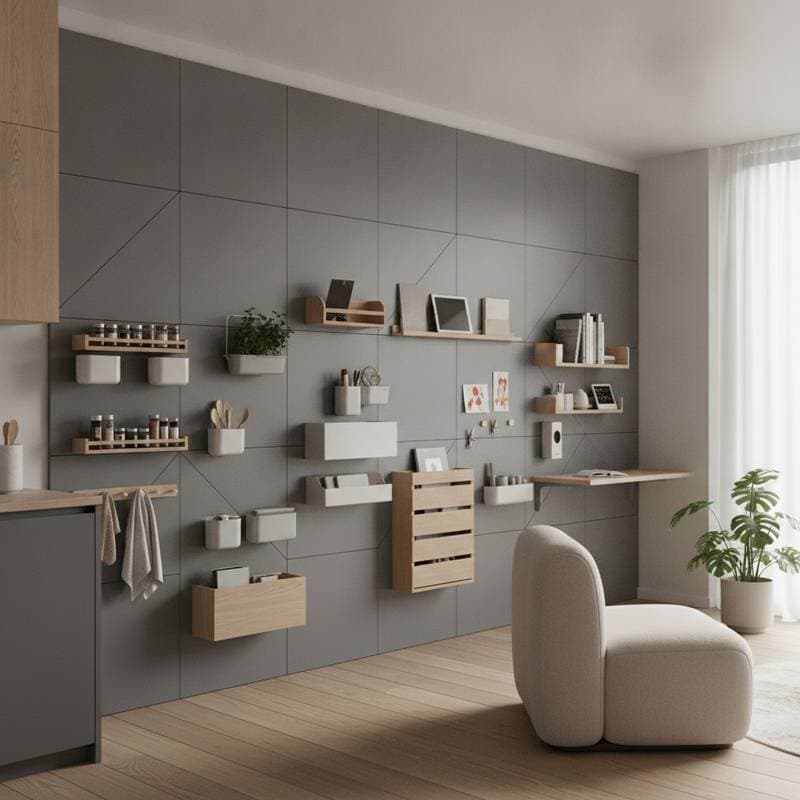
- TidyMind interfaces with smart home cameras to identify clutter hotspots in living areas. It proposes relocations for items according to usage frequency, such as moving frequently accessed kitchen tools to accessible shelves.
- Sortly AI Edition elevates inventory tracking by scanning barcodes and images. Homeowners, renters, and small business operators use it to monitor possessions with ease, generating reports on item locations and conditions.
- DeclutrBot streamlines choices by studying patterns in discarded digital files or photos. It conducts background cleanups, pausing only for user overrides, which minimizes disruptions during busy days.
These platforms eliminate uncertainty in organization tasks, transforming maintenance into an enhancement of personal efficiency. For example, CleanSpace users often discover gigabytes of redundant data, freeing resources for essential activities.
The Psychology Behind Letting Go
Decluttering carries emotional implications. Individuals frequently retain items due to nostalgia or apprehension about future needs. AI systems mitigate this by delivering evidence-based recommendations. When an application reveals multiple duplicate images in a folder, accepting the deletion suggestion feels more straightforward and less personal.
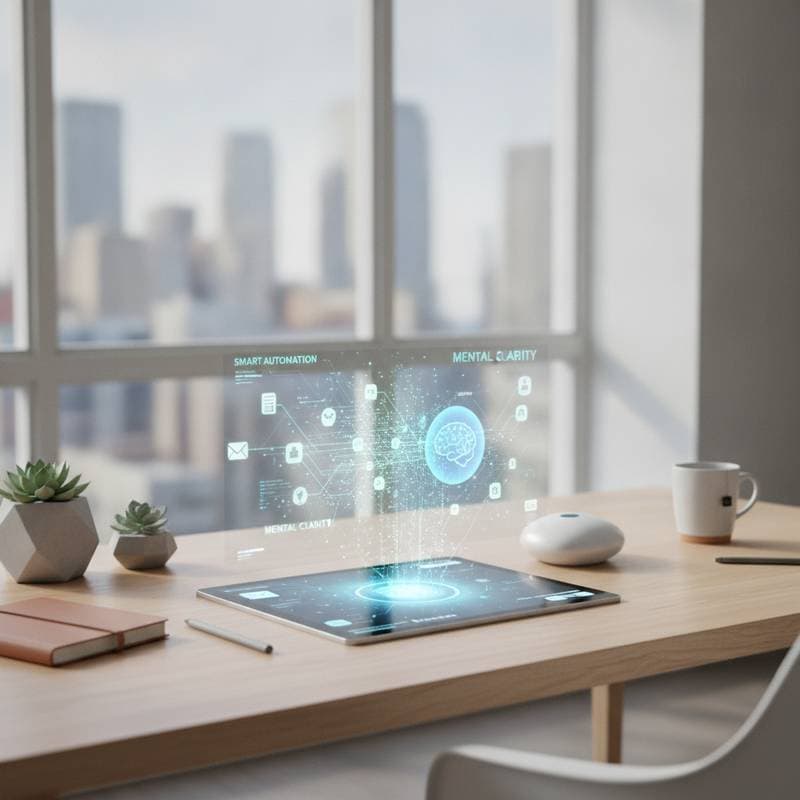
Psychological research links clutter to heightened stress and diminished focus. Automating routine choices through AI decluttering liberates cognitive resources for productive endeavors. This shift extends beyond physical tidiness to fostering mental clarity and intentional living.
Studies from environmental psychology indicate that organized spaces correlate with improved mood and decision-making. By handling repetitive tasks, these apps empower users to address deeper attachment issues, such as evaluating sentimental collections during guided review sessions.
Expert Insights on Digital Minimalism
Professional organizers regard AI decluttering as a supportive element rather than a substitute for personal discernment. Digital strategist and organization consultant Mara Lin emphasizes its role in initiating action. "The hardest part is often starting," she stated. "When an app handles the initial sort, people feel less overwhelmed and more in control."
Technology experts predict advancements in unified platforms. Future iterations may synchronize phones, laptops, and intelligent storage units, monitoring aspects like clothing usage cycles or document validity periods. This integration ensures seamless consistency between virtual and tangible environments, adapting to lifestyle changes such as seasonal wardrobes or project-based file management.
Integrating AI Decluttering Into Daily Life
Effective implementation of these apps demands little effort yet benefits from deliberate approaches:
- Schedule micro-sessions: Activate brief scans during routine moments, such as while preparing coffee or unwinding in the evening.
- Review suggestions weekly: Applications generate grouped proposals; peruse these summaries to approve or adjust without item-by-item processing.
- Pair automation with mindfulness: Analyze provided data to examine spending or accumulation tendencies. Frequent duplicate alerts might reveal broader consumption behaviors worth addressing.
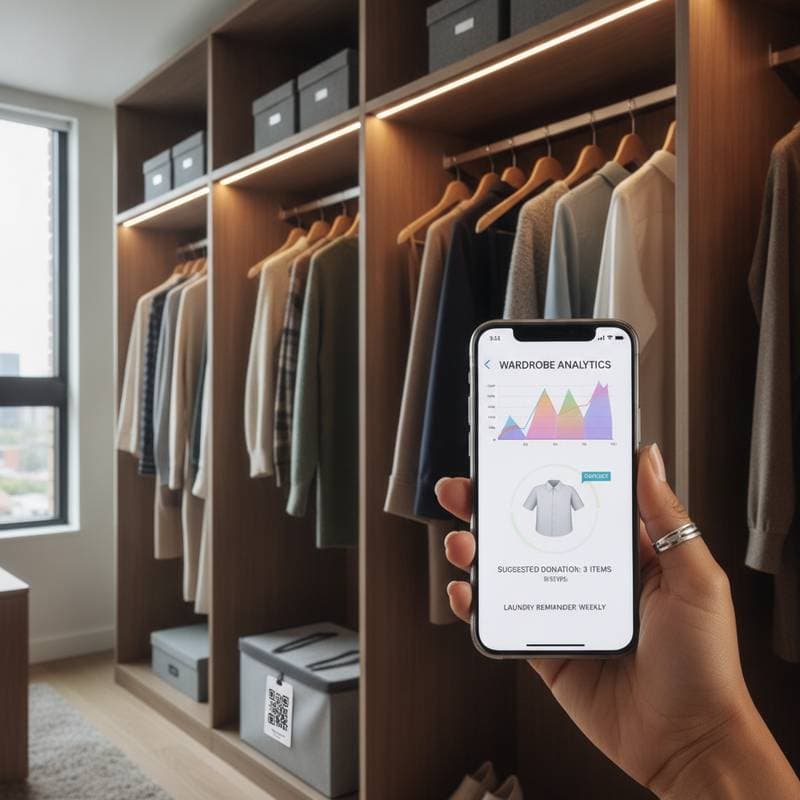
- Leverage smart storage: Integrate AI with physical aids like labels or compartments. Employ QR codes or electronic logs to simplify item retrieval, ensuring long-term accessibility.
Begin with one app focused on digital spaces before expanding to physical ones. Track progress through built-in analytics to measure time savings, such as reduced search durations for documents or photos.
Reclaiming Time Through Effortless Order
AI-powered decluttering empowers users to harness technology for tranquility amid disorder. As these solutions advance, they embed further into daily patterns, anticipating requirements with precision. Their subtle operation in the background refines habits, eliminates unnecessary elements, and restores the essential resource of time for pursuits that enrich life.