AI Apps Remove Decision Fatigue From Decluttering
Decision fatigue strikes when simple choices become overwhelming, especially during decluttering tasks. Homeowners often face piles of items and endless questions about what to keep or discard. AI decluttering apps address this challenge by providing structured guidance, making the process efficient and less stressful.
These tools use advanced technologies like image recognition to analyze possessions quickly. They offer personalized recommendations based on user preferences and space constraints. As a result, individuals regain control over their living spaces without the mental exhaustion that typically accompanies organization efforts.
Understanding Decision Fatigue in Home Organization
Decision fatigue occurs when the brain tires from repeated choices, leading to procrastination or poor judgments. In decluttering, this manifests as hesitation over sentimental items or everyday objects. The accumulation of such decisions turns a straightforward task into a daunting ordeal.
How AI Technology Simplifies Decluttering
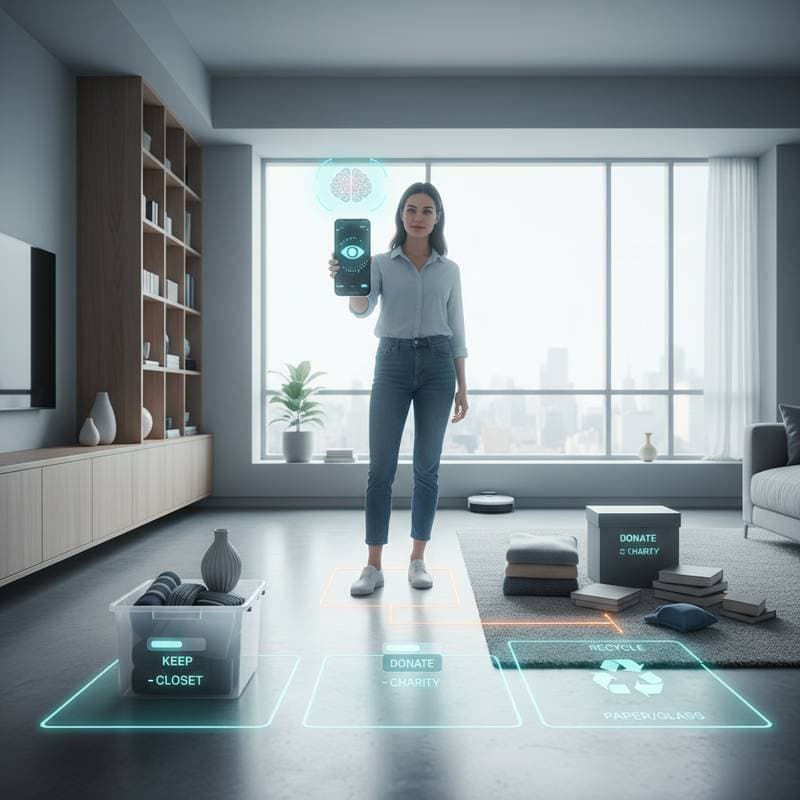
AI decluttering apps leverage machine learning to identify objects through smartphone cameras. For instance, a user photographs a bookshelf, and the app recognizes books, decor, and miscellaneous items. It then proposes categories like donate, store, or recycle.
Smart algorithms consider factors such as usage frequency and emotional attachment, prompted by quick user inputs. The apps generate visual progress trackers, showing before-and-after simulations of spaces. This visualization motivates continued effort by highlighting immediate improvements.
Integration with voice assistants adds convenience. Users can query the app for advice on specific items, receiving instant responses. Such features ensure the technology adapts to individual lifestyles, from busy professionals to families with children.
Key Features of Leading AI Decluttering Apps
Most AI apps include image-based sorting as a core function. They scan photos and tag items with labels like clothing, electronics, or kitchenware. Users select from predefined actions, streamlining the decision-making process.
Personalization stands out in these tools. Apps learn from user choices over time, refining suggestions for future sessions. For example, if someone frequently donates books, the app prioritizes similar recommendations.
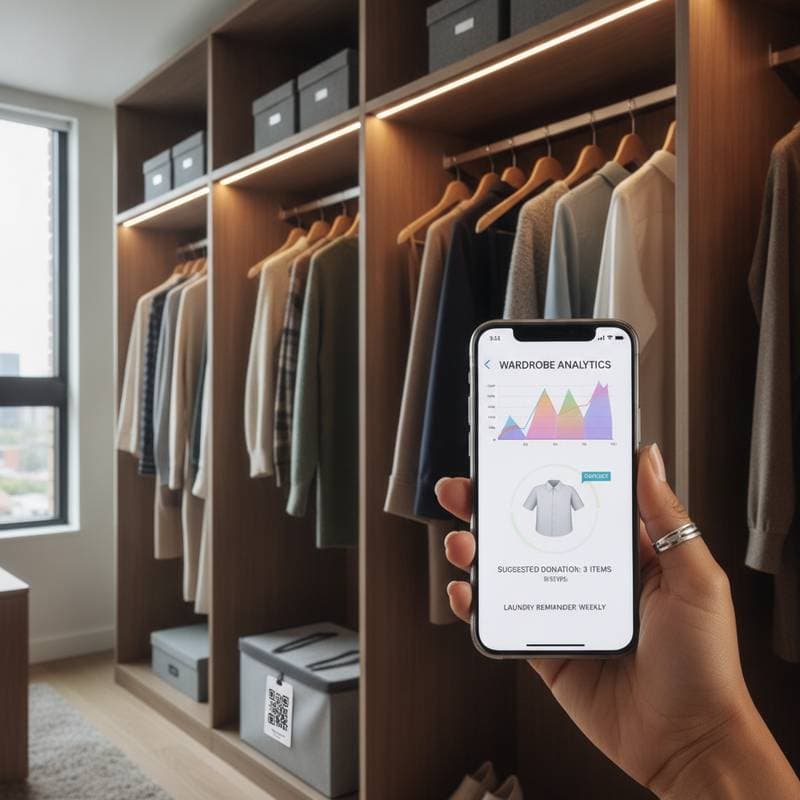
Maintenance modes keep spaces organized post-declutter. Reminders prompt periodic reviews of storage areas, preventing reaccumulation of clutter. Gamification elements, such as points for completed tasks, encourage consistency without feeling forced.
Step-by-Step Guide to Using AI Decluttering Apps
-
Select an app that matches your needs, focusing on those with strong image recognition capabilities.
-
Set up your profile by inputting details about your home size, family dynamics, and organization goals. This information helps the app tailor its advice.
-
Begin with a small area, such as a drawer or shelf. Take photos of the contents and allow the app to categorize them automatically.
-
Review the app's suggestions for each item. Decide to keep, store, donate, sell, or discard based on the provided rationale.
-
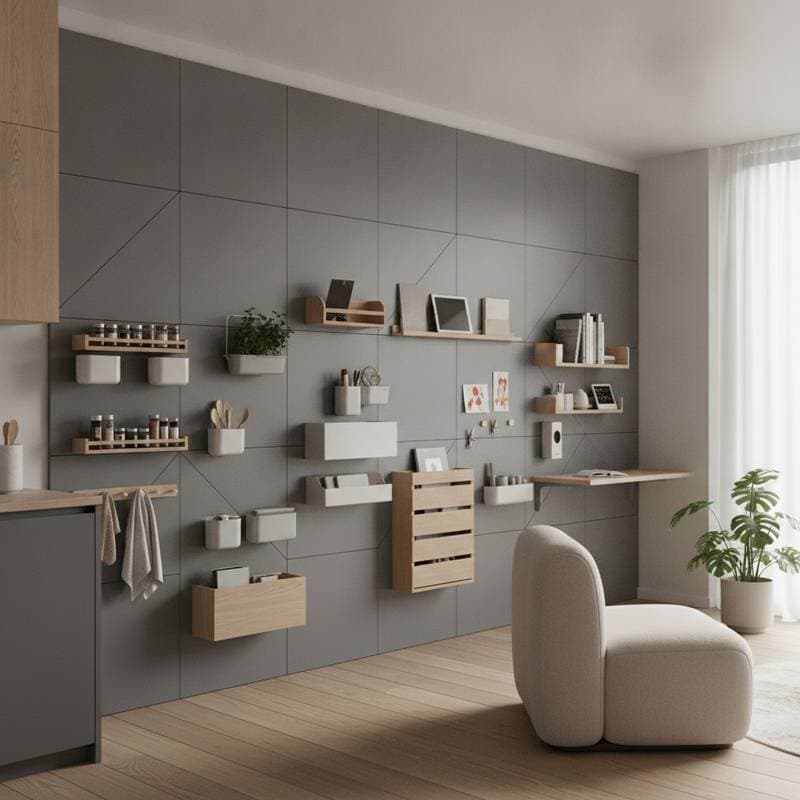
Follow the app's storage tips for retained items, such as optimal placement for accessibility. Update your inventory as you progress.
-
Track your advancement through the app's dashboard. Celebrate milestones to build momentum for larger spaces.
-
Schedule follow-up sessions using built-in reminders. Adjust preferences as your habits evolve.
This methodical approach transforms overwhelming projects into achievable routines. Users complete sessions in short bursts, fitting them into daily schedules.
Real-World Benefits of AI-Assisted Organization
Homeowners experience reduced stress levels after adopting these apps. Spaces feel more open and functional, enhancing overall well-being. The time saved on maintenance allows focus on meaningful activities.
Families benefit from collaborative features. Multiple users can contribute to shared inventories, promoting collective responsibility. Children learn organization skills through interactive elements designed for engagement.
Long-term, these tools cultivate mindful consumption. Users become more intentional about acquisitions, curbing future clutter. The result is a harmonious home environment that supports productivity and relaxation.
Sustaining a Clutter-Free Lifestyle
Incorporate AI apps into weekly routines for ongoing success. Pair them with physical tools like storage bins recommended by the software. Regularly reassess goals to adapt to life changes.
The guidance from these apps empowers lasting change. Homeowners discover joy in simplified surroundings, free from the weight of indecision. Embrace this technology to create spaces that reflect clarity and purpose.