The Power of Hidden Storage for Clutter-Free Living
Many people face the daily challenge of locating essentials amid scattered items or wrestling with overflowing drawers. In a household with demanding schedules and creative pursuits, clutter accumulates rapidly. After residing in compact New York apartments, a rustic French farmhouse, and a comfortable home near London and the Cotswolds, one key insight emerges: hidden storage serves as an essential strategy rather than an extravagance. The most effective solutions remain unobtrusive, seamlessly integrating function into everyday environments.
Essential Principles
- Hidden storage elevates standard furniture into versatile, multifunctional assets.
- Concealed areas minimize visual distractions and cultivate a sense of tranquility.
- These techniques adapt to homes of any scale, from compact dormitories to spacious family residences.
International design influences provide fresh perspectives on concealing and streamlining possessions.
Reliable, family-approved methods accelerate organization and support long-term habits.
Understanding the Impact of Visible Clutter
Clutter extends beyond physical accumulation; it generates mental overload from constant exposure to disarray. Each exposed object subtly competes for attention, disrupting focus. During time in a modest Paris apartment, open shelving quickly devolved into aesthetic disorder. French design principles emphasize restrained presentation, favoring integrated cabinetry that conceals contents behind elegant panels. This method reshapes perceptions of storage, prioritizing mental clarity alongside physical capacity.
Interior designer Clara Hensley, an expert in compact living, observes, "When you can close a door or lift a lid, your brain registers completion. It signals that the task is done." Such psychological benefits prove particularly valuable for active households, fostering reduced stress and improved efficiency.
Getting Started with Hidden Storage Fundamentals
Examine existing furnishings before acquiring new pieces, as numerous hidden storage enhancements leverage familiar items.
1. Multifunctional Ottomans
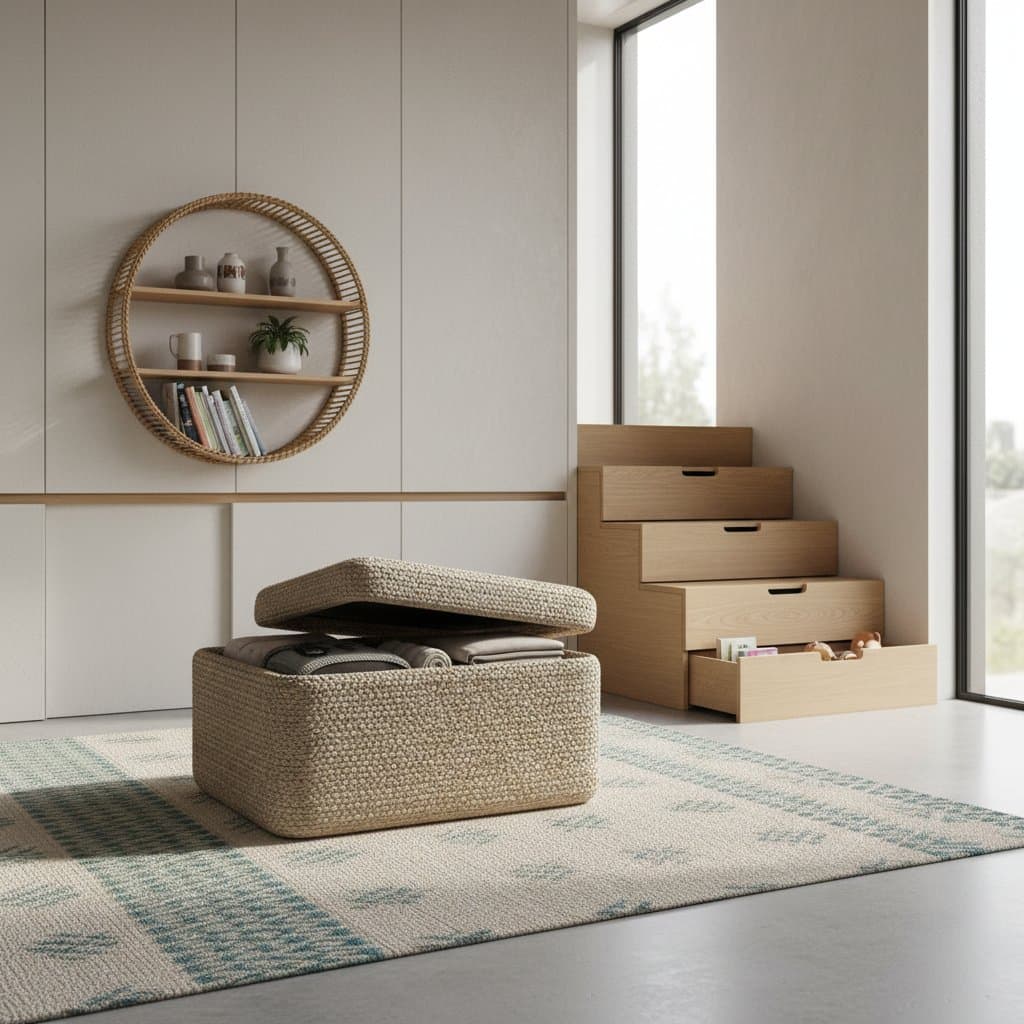
Select an ottoman with internal storage to accommodate toys, throws, or off-season goods while offering additional seating. Position one in the family area to house board games. For gatherings, remove items from the surface, place a tray atop, and transform it into a service table. This approach establishes order without compromising aesthetic appeal.
2. Lift-Top Coffee Tables
These tables suit urban dwellings by concealing remotes, periodicals, and providing a discreet surface for laptops or assignments beneath the lid. Interior stylist Daniel Firth notes, "Lift-top tables are perfect for city living because they create instant zones of function within one piece."
3. Storage-Integrated Headboards
In rooms with scarce closet area, a headboard featuring discreet panels stores books and electronics efficiently. Implement this in a city bedroom to streamline evening routines and preserve clear nightstands.
4. Integrated Staircase Storage
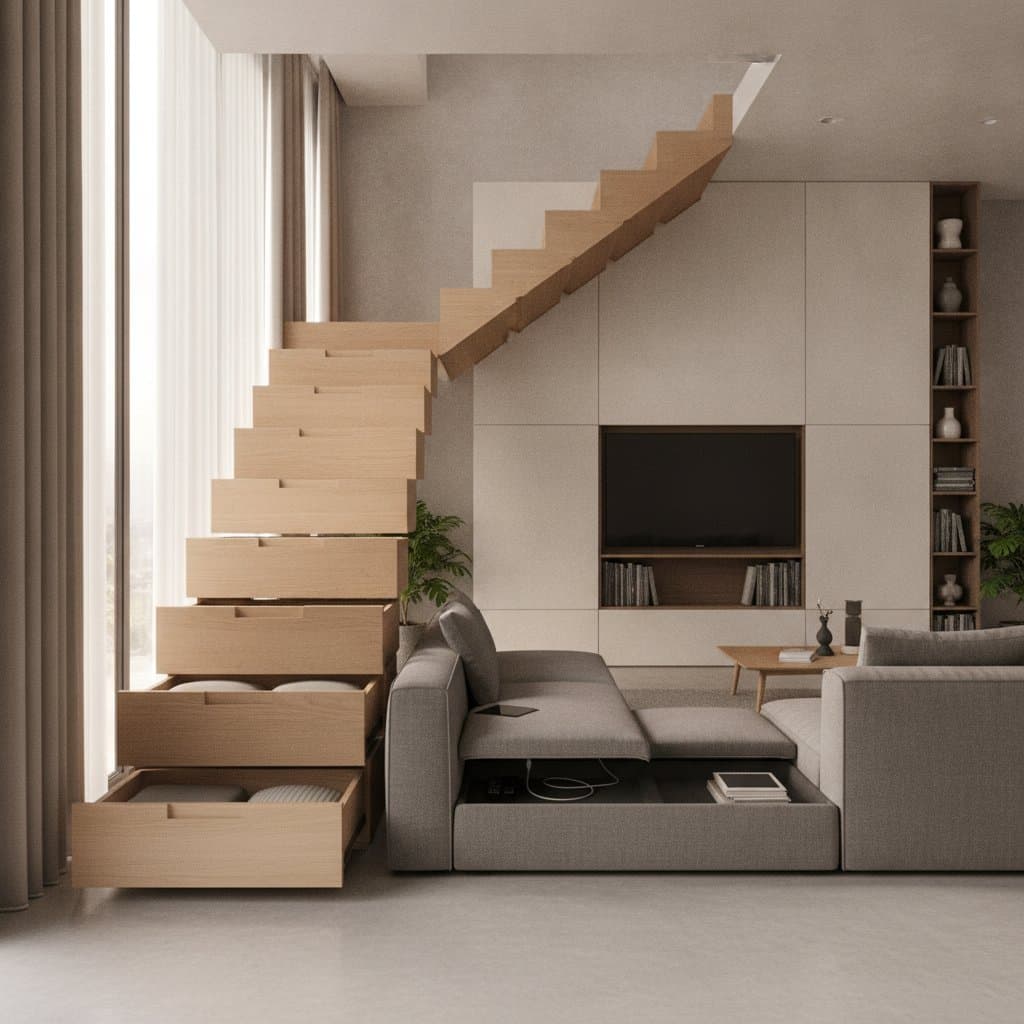
Prevalent in Japanese architecture, where spatial efficiency reigns, staircase steps can incorporate pull-out drawers or hinged compartments. Although installation requires woodworking expertise, the result yields substantial capacity for footwear, bedding, or festive items within an established framework.
Integrating Hidden Storage Seamlessly
Maximize capacity by utilizing vertical and subtle elements within current setups.
- Beneath seating: Install slim, retractable containers under sofas for playthings, gift wrap, or spare pillows.
- Behind reflective surfaces: Install a cabinet-style mirror in hallways to stash keys, eyewear, and correspondence.
- Within base cabinetry: Convert the narrow space under kitchen counters into narrow drawers for bakeware or linens.
- Below sleeping areas: Choose elevated bed bases with hydraulic lifts or mobile underbed units. Assign seasonal labels to each child's set for systematic access.
Professional organizer Isla McBride explains, "When you hide storage within existing structures, you don’t just gain space, you maintain visual simplicity. That’s what makes a home feel calm."
The Popularity of Concealed Features
Online platforms abound with demonstrations of tables that unfold or panels that reveal wardrobes, blending novelty with utility. These concepts gain traction due to their blend of revelation and practicality, addressing common domestic hurdles. A discovery during a Danish visit involved a bench that lifted to expose shoe compartments, appearing as unassuming wood from afar. Scandinavian aesthetics unite artistry with understated utility, prompting a reevaluation of household items as storage opportunities.
For those in temporary housing or academic settings, opt for adaptable pieces like collapsible desks with internal pockets or stackable units with detachable lids. Such options facilitate relocation while optimizing limited areas.
Applying Hidden Storage Across Home Areas
Kitchen and Dining Zones
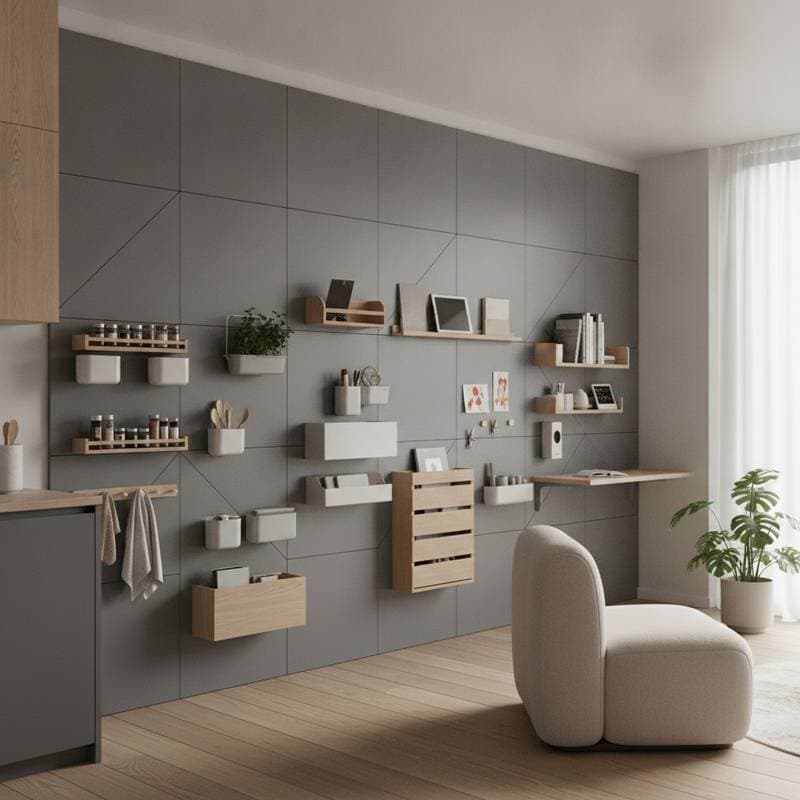
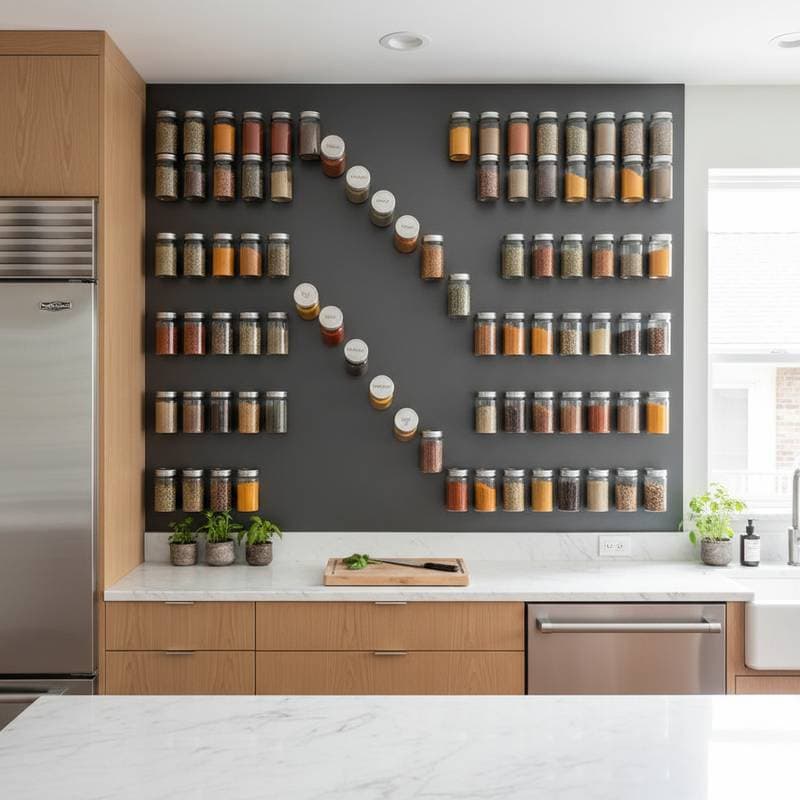
Kitchens demand robust organization amid frequent use. Incorporate toe-kick drawers, extensible pantry organizers, and magnetic backsplash panels to secure tools, seasonings, or maintenance items. Adopt a French rural technique with draped sink covers that veil containers or gadgets, infusing warmth into functional spaces.
In dining spaces, select benches with hinged seats to store textiles and event essentials underneath. This setup simplifies impromptu hospitality.
Living Areas
Prioritize pieces with embedded hideaways, such as consoles featuring pivoting fronts for wiring and electronics. Install suspended shelving units with integrated pulls for daily necessities. These refinements ensure a polished, intentional ambiance.
Sleeping Quarters
Standard beds with side drawers offer reliability, yet explore headboard cubbies or covered underbed hampers. In youth rooms, benches doubling as toy receptacles encourage routine maintenance, integrating order into leisure.
Entry Zones
Establish harmony from the threshold with hook fixtures paired to lidded wall niches or benches concealing footwear and weather gear below. Designated spots near entrances streamline departures.
Drawing from Worldwide Design Traditions
Experiences across nations highlight hidden storage as a fusion of heritage and ingenuity. Japanese approaches stress exactness and adaptability. French styles prioritize elegance and subtlety. British methods combine legacy with utility, often embedding storage in structural elements.
In a Cotswolds residence, convert a window nook into profound drawers for seasonal coverings, evoking heritage while delivering convenience. Merging these traditions yields aesthetically pleasing, functional interiors.
Implementing Hidden Storage Effectively
Identify primary disarray zones first, considering frequent-use items suitable for concealment. Seek multifunctional furnishings that align with needs. Affordable options from mainstream retailers now mirror popular online trends, enabling accessible upgrades. These steps yield homes that balance beauty, order, and ease, enhancing well-being through sustained simplicity.