Why Hidden Appliances Define 2026 Kitchen Trends
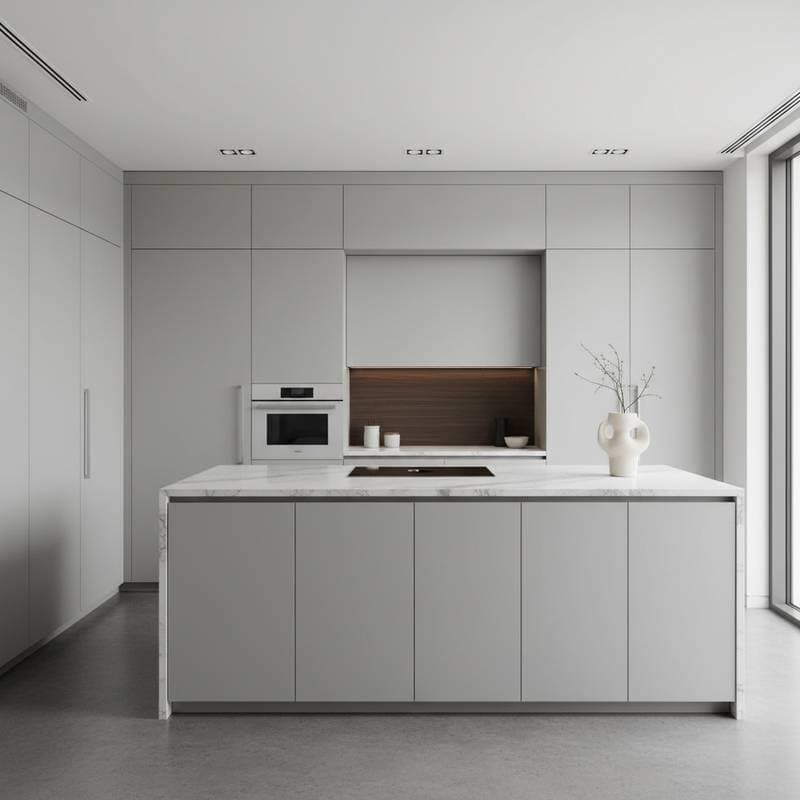
Homeowners entering a recently remodeled kitchen often sense an intangible absence that elevates the space. This sensation arises from the deliberate omission of visible elements. Hidden appliances, once confined to luxury design publications, now represent an attainable option for creating streamlined, efficient kitchens in everyday homes.
The appeal extends beyond mere aesthetics. Concealed appliances reclaim valuable space, enhance operational efficiency, and foster tranquility in a room that serves multiple roles: a workspace, social gathering spot, homework area, and entry point for visitors. As kitchens evolve into multifunctional centers, maintaining a tidy, uncluttered appearance becomes essential, with integrated appliances driving this transformation.
The Real Problem with Traditional Kitchens
Honest Assessment: What Hidden Kitchens Actually Involve
Envisioning a refrigerator veiled by cabinet doors requires confronting practical realities. This endeavor demands thorough preparation, exact measurements, and potentially bespoke cabinetry. Early decisions on integrable appliances influence cabinet configurations, electrical preparations, and ventilation systems.
Two primary methods exist:
- Fully Integrated Appliances: These models accommodate custom panels for complete invisibility. They necessitate cabinetry tailored to precise dimensions and incur higher expenses than conventional units.
- Partially Concealed Appliances: Such options retain visible handles or panels but recess into surroundings or match adjacent finishes. This approach proves more economical and suitable for self-directed renovations.
Both strategies revitalize the kitchen, yet each presents distinct technical hurdles. Assessing personal capabilities precedes any structural alterations.
Before You Begin: Tools, Planning, and Skill Level
Initiate the process with a comprehensive blueprint. Essential preparations include:
Tools:
- Tape measure and framing square
- Screw gun and drill set
- Level and stud finder
- Cabinet clamps
- Jigsaw or circular saw for precise cutouts
- Safety gear, including gloves and eye protection
Materials:
- Cabinet panels or filler strips
- Appliance trim kits
- Vent grilles or toe-kick vents for circulation
- Cabinet screws and mounting brackets
Skill Level:
Intermediate to advanced enthusiasts manage panel fitting and cabinet modifications. Electrical wiring, gas connections, or intricate venting necessitate certified experts. Projects featuring built-in ovens or refrigerators demand blended carpentry and installation proficiency.
Step-by-Step: Concealing Appliances the Right Way
Examine the integration of three prevalent kitchen appliances: the refrigerator, dishwasher, and microwave.
1. Hiding the Refrigerator
As the most substantial and conspicuous appliance, the refrigerator requires a panel-ready model for concealment. Measure the designated cavity accurately, incorporating ventilation allowances to prevent overheating and mechanical issues.
Affix matching side panels to the cabinetry, then secure custom door panels to the refrigerator using manufacturer-supplied brackets. Align edges meticulously for flush integration with neighboring cabinets. Verify door swing paths to avoid obstructions from walls or fixtures.
For non-panel-ready units, construct a cabinet enclosure with flanking and overhead elements to frame the appliance. This semi-hidden arrangement substantially refines the visual profile.
2. Disguising the Dishwasher
Panel-ready dishwashers integrate with relative simplicity. Detach the standard door facade and attach a cabinet-matched panel using included clips or brackets. Confirm alignment with nearby drawer fronts prior to final securing.
Practical insight reveals the importance of door clearance checks against baseboards or toe-kicks. Adjustments to leveling feet often resolve minor obstructions.
3. Concealing the Microwave
Placement constraints challenge microwave integration. A drawer-style microwave embeds flush into base cabinets, offering smooth access and eliminating countertop exposure. Alternatively, position a standard unit behind an upward-retracting appliance garage door for concealed storage with ready retrieval.
Prioritize ventilation adherence. Enclosed microwaves dissipate heat, and inadequate clearance diminishes efficiency or risks malfunction. Adhere strictly to manufacturer guidelines.
Troubleshooting Common Problems
Anticipated installations encounter obstacles. Address frequent challenges as follows:
- Cabinet Doors Not Aligning: Adjust hinge screws incrementally for optimal visual harmony.
- Appliances Overheating: Incorporate vent grilles or toe-kick openings to enhance airflow. Avoid obstructing compressor vents or exhaust mechanisms.
- Panels Shifting Over Time: Employ locking brackets or adhesive strips to stabilize components.
- Dishwasher Panels Sagging: Supplement with extra screws, particularly for dense wood panels.
Methodical adjustments, though time-intensive, ensure fluid operation and cohesive aesthetics.
Knowing When to Call a Professional
Distinguish between feasible self-work and hazardous undertakings. Refrain from altering load-bearing structures, electrical systems, or plumbing without expertise. Engage cabinetmakers or designers to circumvent expensive errors.
Built-in refrigeration often mandates professional setup to preserve warranties. Gas appliances follow suit. Specialists verify compliance with codes and sufficient cooling in enclosed areas.
Delegating connections prioritizes safety over cost savings, while preparatory tasks like demolition, framing, and finishing remain viable for personal involvement.
The Real Value of Hidden Appliances
Post-installation, the transformation manifests instantly. The kitchen exudes composure, independent of activity. Reduced distractions highlight textures in wood, stone, and tile, while uniform lighting amplifies spatial perception.
Practical advantages include simplified upkeep, as minimized crevices deter dust accumulation. Resale appeal surges, with seamless designs signaling superior construction. Even modest integrations, such as framed refrigerators or nook-hidden microwaves, boost home worth.
Cost and Budget Reality
Integrated systems demand investment, yet accessibility varies. Expenses derive from appliances, cabinetry, and installation. Panel-ready models command premiums, offset by selective self-labor.
Target prominent fixtures initially; concealing the refrigerator yields maximum impact. Phase subsequent upgrades as resources permit. Opt for cost-effective alternatives like veneered MDF over solid woods, achieving comparable elegance through skilled finishing.
Storage and Space Optimization
Concealment prompts reevaluation of storage efficiency. Tall pantries, enclosed garages, and sliding shelves complement the aesthetic while refining routines.
Tailor zones to habits: a concealed coffee station with integrated power for daily rituals, or a baking alcove shielding mixers behind sliding panels. These arrangements sustain clear surfaces and prompt access.
Sustained organization minimizes maintenance, maximizing enjoyment in a space that harmonizes form and function.
Pro Tips for Success
Decades of renovation experience underscore the primacy of precision in concealed designs. Implement these vetted strategies:
- Measure twice and cut once; discrepancies amplify in integrated setups.
- Select appliances with robust ventilation specs to avert long-term issues.
- Match panel thicknesses to cabinetry for uniform reveals.
- Test all mechanisms pre-installation to identify defects early.
- Incorporate soft-close hinges for seamless daily use.
Sustaining the Benefits of Your Integrated Kitchen
Integration endures through routine care. Wipe panels with mild cleaners to preserve finishes, and inspect vents quarterly for blockages. Annual professional tune-ups maintain appliance performance within enclosures.
This approach not only upholds the serene aesthetic but also extends equipment longevity, ensuring the kitchen remains a valued asset for years.