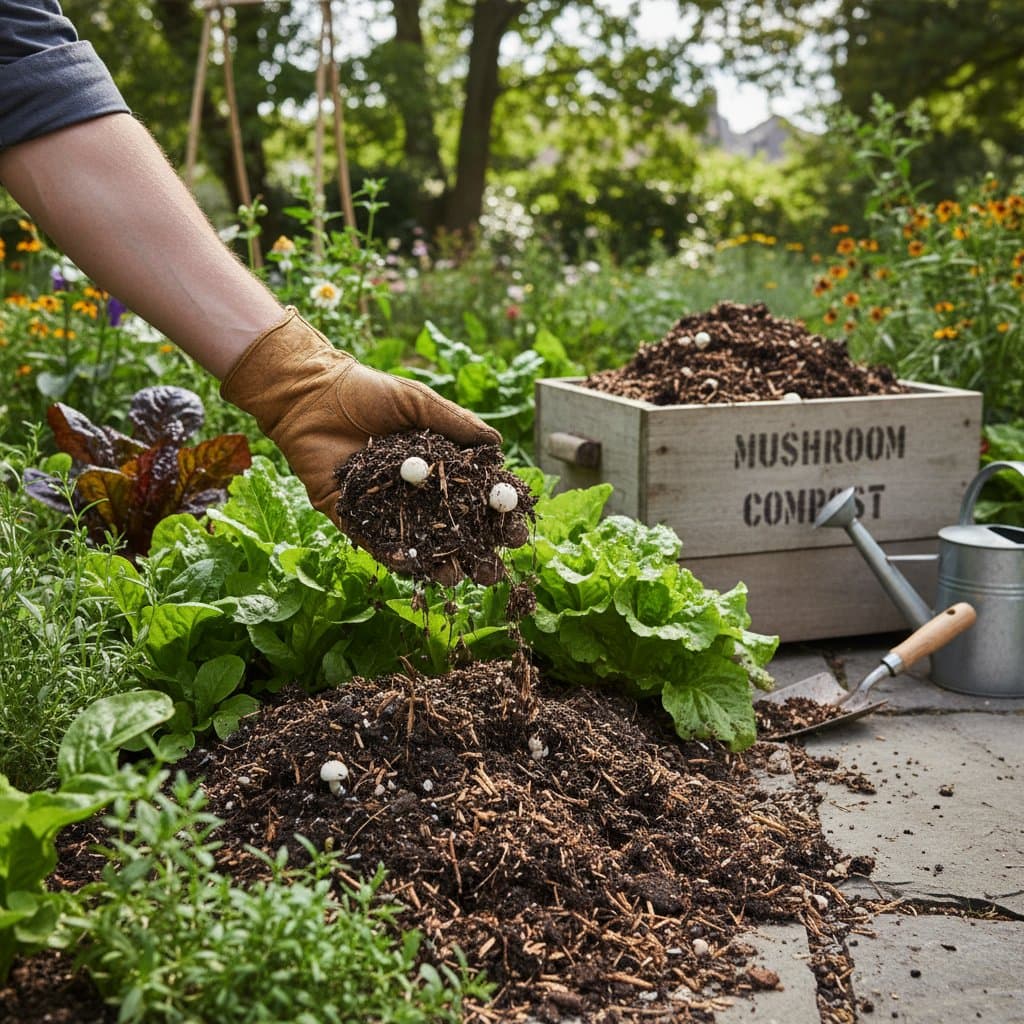
Why Mushroom Compost Improves Problematic Soil Quickly
Gardeners often praise mushroom compost for its ability to enhance soil conditions effectively. This amendment stands out in sustainable gardening practices because it addresses multiple soil issues simultaneously. Before incorporating it into your garden, understand its composition, benefits, and proper application to achieve optimal results.
Benefits of Mushroom Compost for Soil Health
Mushroom compost excels at amending poor soil types, such as heavy clay or fast-draining sand. It introduces organic matter that improves soil structure, allowing better aeration and water retention. This balance supports robust root development and plant vitality.
The material originates from the spent substrate of mushroom cultivation, which includes straw, manure, gypsum, and other decomposed organics. After harvest, this byproduct undergoes further breakdown, resulting in a nutrient-dense amendment. Unlike fresh compost, it provides slow-release nutrients that nourish plants over an extended period.
Key Effects on Garden Performance
Preparation Essentials
Prepare adequately before using mushroom compost to ensure safe and effective integration. Essential items include a wheelbarrow for transport, a shovel or fork for mixing, protective gloves and a mask, a rake for even distribution, and access to water.
Fresh mushroom compost emits a subtle earthy odor. A strong ammonia scent indicates incomplete maturation; allow additional weeks for curing in such cases. Mature compost resembles loamy garden soil in texture and crumbly consistency.
Application Guide
-
Conduct a soil test. Identify deficiencies in pH or nutrients using a reliable kit to tailor the amendment precisely.
-
Incorporate evenly. Apply a 2- to 3-inch layer across garden beds and blend it into the top 6 inches of soil. Refrain from concentrating it near plant bases to avoid stem rot.
-
Hydrate the mixture. Lightly water the treated area to promote blending with native soil.
-
Allow integration time. Wait one to two weeks post-application before sowing seeds or transplanting, permitting natural settling.
-
Apply as top dressing. For established plantings, spread a 1-inch layer to conserve moisture and inhibit weed emergence.
Pitfalls to Sidestep
Overapplication ranks as the primary error, potentially causing water retention that harms roots. Unfinished compost, rich in salts, may damage young seedlings or tender foliage. Test maturity by checking for a neutral smell and dark, uniform appearance.
Dilute questionable batches with mature yard waste or manure. Additionally, avoid direct contact with acid-preferring plants, such as rhododendrons or camellias, due to the compost's mildly alkaline nature. Adjust with sulfur if pH correction becomes necessary.
Scenarios for Expert Assistance
Backyard projects typically suit DIY efforts with mushroom compost. Larger endeavors, including extensive site grading or irrigation setups, benefit from professional input. Experts ensure uniform blending, proper compaction, and comprehensive soil analysis.
Specialized tools allow precise incorporation without root disturbance or soil compaction. In areas prone to erosion, such as sloped terrains, consultation prevents long-term drainage issues.
Environmental Benefits
Mushroom compost promotes sustainability by repurposing agricultural byproducts that might otherwise contribute to waste streams. This practice diverts materials from landfills and enriches ecosystems through organic recycling.
Gardeners adopting this method engage in a circular economy, enhancing local biodiversity while cultivating thriving landscapes. The dual advantages for soil and environment make it a compelling choice for conscious cultivation.
Advanced Techniques for Optimal Results
-
Store surplus compost under cover in a dry location to preserve its nutritional profile against leaching.
-
Blend with leaf litter or standard compost for customized mixes in elevated beds, achieving ideal tilth.
-
Aerate compacted ground prior to amendment, enabling deeper penetration and improved efficacy.
-
In pots, limit to one-third of the total volume when combining with sterile potting medium to prevent over-fertilization.
Achieving Lasting Garden Improvements
Integrating mushroom compost thoughtfully yields enduring enhancements to soil quality and plant health. This approach not only resolves immediate challenges but also builds resilience against future stressors. Embrace these methods to cultivate a productive, eco-conscious garden that thrives season after season.