Silence Backyard Noise with Acoustic Garden Walls
Homeowners often seek relaxation in their backyards, only to encounter disruptions from traffic, barking dogs, or neighboring activities. Such intrusions diminish the value of investments in landscaping, patios, and outdoor furnishings. Most backyard designs prioritize aesthetics over sound management, leaving spaces vulnerable to external noise. A strategically constructed acoustic garden wall addresses this issue by creating an effective barrier.
Why Regular Fences Do Not Block Noise
Standard wood or vinyl fences provide privacy and visual appeal, yet they perform poorly against sound. Noise penetrates through gaps between boards, seams in the structure, and vibrations within the materials. Even minor openings permit sound waves to transmit directly or reflect into the yard, amplifying the disturbance. Additionally, fences below optimal height allow sound to travel unimpeded over the top.
What an Acoustic Garden Wall Actually Does
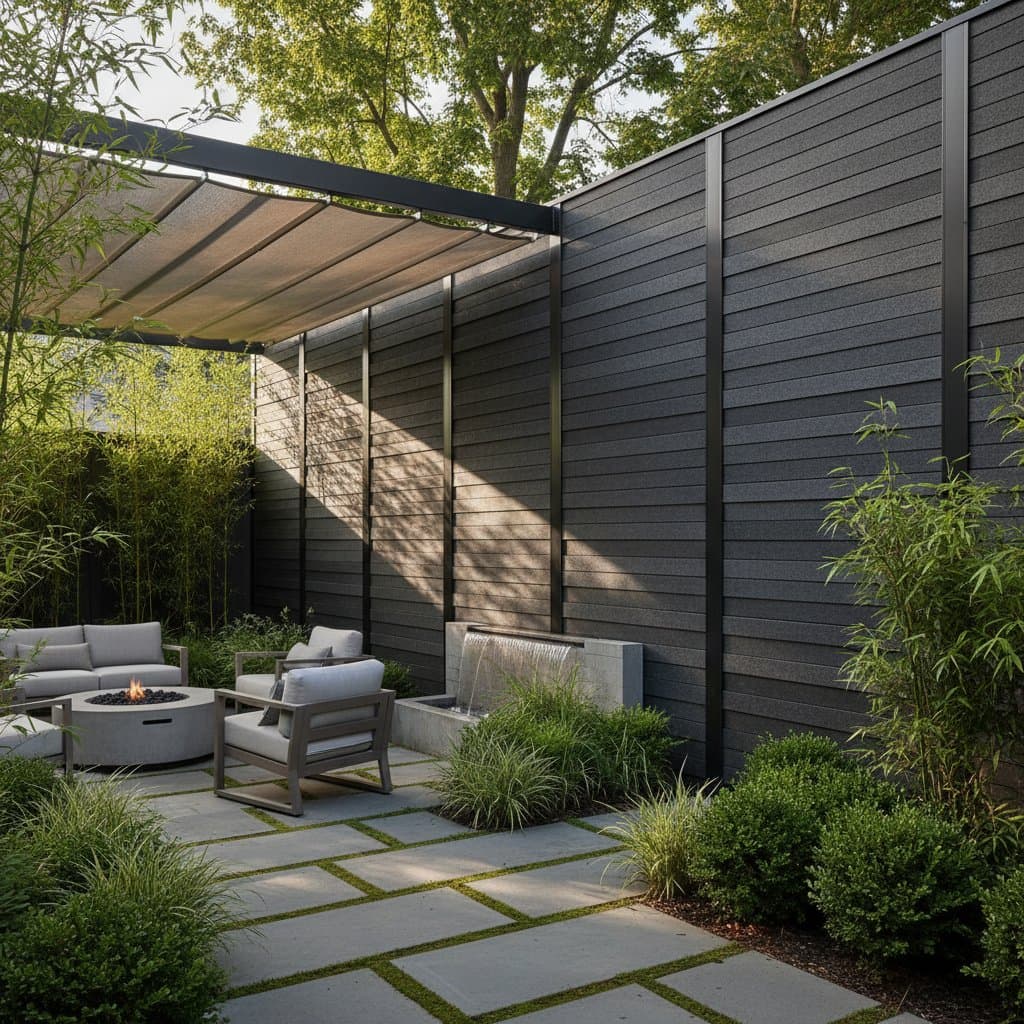
An acoustic garden wall functions as an engineered solution to absorb and redirect sound waves. It interrupts direct transmission and minimizes reflections within the yard, fostering a quieter environment. In contrast to lightweight fences, these walls incorporate dense materials like concrete blocks, masonry, or composite panels optimized for acoustic performance.
Three primary factors determine a wall's efficacy:
- Mass: Dense, heavy materials impede sound transmission more effectively than lighter alternatives. Concrete or brick constructions, for instance, excel at attenuating low-frequency sounds such as engine rumble.
- Height: Position the wall to sever the line of sight to the noise source, typically requiring six to eight feet in height for residential applications.
- Sealing: Eliminate all gaps, cracks, and joints to prevent sound leakage. Proper sealing ensures the barrier maintains its integrity over time.
Before You Begin: Planning and Permits
Consult local building authorities prior to construction, as regulations often mandate permits for walls exceeding specific heights or proximity to boundaries. Homeowners associations may impose additional guidelines on materials and dimensions. Compliance avoids costly rework and legal complications.
Engage a utility locator service to mark underground lines before excavation. This precaution prevents damage to cables or pipes, which could lead to safety hazards and repair expenses. Allocate time for these preparatory steps to ensure a smooth project timeline.
Materials That Work Best
Selecting appropriate materials influences both acoustic performance and longevity. Concrete blocks offer density and durability, particularly against low-frequency noise; apply stucco or stone veneer for aesthetic enhancement. Brick provides a timeless appearance alongside superior sound-blocking capabilities, though it demands a reinforced foundation to support its weight.
Acoustic composite panels feature layered designs with dense cores and protective exteriors, facilitating quicker installation on steel or wood frameworks. For a natural aesthetic, combine timber panels with mass-loaded vinyl or fiberglass insulation backing; this option yields moderate results compared to masonry but integrates well with greenery.
Consider environmental factors, such as regional weather patterns, when choosing finishes. Weatherproof sealants extend material lifespan and preserve acoustic properties.
Step-by-Step: Building an Acoustic Wall
- Measure and Mark: Use stakes and string to delineate the wall's path. Position it sufficiently near the noise source for impact while adhering to setback requirements from property lines.
- Excavate and Pour Footings: Dig a trench to a depth below the local frost line, maintaining a minimum width of twelve inches. Reinforce and pour concrete footings capable of bearing the structure's load, allowing adequate curing time.
- Build the Structure: Assemble using masonry units or pre-fabricated panels, securing each element to the footing. Verify plumb and level alignment at regular intervals to prevent structural weaknesses.
- Seal Every Joint: Employ acoustic caulk or mortar to fill all seams, corners, and connections. Test for airtightness by inspecting under bright light or with a smoke pencil if available.
- Add Finishing Touches: Integrate cladding, trellises, or climbing plants to harmonize with surroundings. These elements enhance visual appeal without compromising sound control.
Monitor progress against a detailed plan to address issues promptly.
Common Mistakes to Avoid
Underestimating foundation requirements leads to settling, cracking, or tilting over time. Always calculate load-bearing needs based on material weight and soil conditions. Gaps at the base, where the wall contacts the ground, invite sound infiltration; remedy this with precise leveling and sealant application.
Relying solely on vegetation for noise control proves ineffective against direct sources. While dense shrubs diffuse reflections, they cannot substitute for a physical barrier. Combine plantings strategically to support, rather than supplant, the wall's function.
When to Call a Professional
Engage a structural engineer or contractor for walls exceeding eight feet, sloped terrains, or heavy masonry builds. Professionals assess site-specific challenges, including soil stability and wind loads, to guarantee safety. For composite systems, consult manufacturer resources for certified installation protocols.
Budget for expert input early to refine designs and avoid revisions. This investment safeguards long-term performance and compliance.
Enhancing Performance with Landscaping
Integrate landscaping to amplify the wall's benefits. Plant evergreen hedges along the base to absorb residual high-frequency sounds and create a layered defense. Water features, such as fountains, introduce soothing white noise that masks minor disturbances.
Strategic placement of trees or shrubs on the yard side disrupts reflected sounds, while avoiding overgrowth near the wall prevents moisture damage. Select low-maintenance species suited to local climate for sustained effectiveness. This holistic approach transforms the space into a multifaceted sanctuary.
Achieving Lasting Backyard Tranquility
Effective noise reduction demands intentional design and execution. Prioritize materials with substantial mass, ensure comprehensive sealing, and align height with noise sources. Upon completion, observe the transformation: traffic din recedes, ambient clarity improves, and the backyard emerges as a genuine retreat. Regular maintenance preserves these gains, allowing sustained enjoyment of outdoor living.