Introduction to Magnetic Paint for Dining Rooms
Magnetic paint offers a simple yet transformative solution for homeowners seeking to inject life into dining spaces. By applying this specialized primer, walls gain the ability to hold magnets securely, enabling the creation of customizable art displays. This approach suits dining rooms well, where gatherings often center around shared stories and visuals.
Unlike traditional wall decor, magnetic paint allows for effortless rearrangements without nails or adhesives. The result is a flexible canvas that adapts to holidays, themes, or personal moods. Homeowners appreciate how this innovation blends functionality with aesthetics, turning a functional room into a vibrant focal point.
Before starting, select a high-quality magnetic primer designed for interior use. These products typically contain iron particles that create the magnetic field. Pair it with a durable topcoat in your preferred finish to ensure longevity and visual appeal.
Preparing Your Dining Room Walls
Applying Magnetic Paint Step by Step
Application requires patience to achieve optimal magnetic strength and a smooth finish. Stir the magnetic primer thoroughly before use, as the iron particles settle quickly. Choose a 3/8-inch nap roller for even coverage on large areas like dining room walls.
Apply the first coat in thin, overlapping strokes, working from top to bottom. Coverage may require three to four coats for sufficient magnetic pull, with each layer needing four to six hours to dry. Lightly sand between coats using 220-grit sandpaper to eliminate brush marks or ridges.
Once the final magnetic coat dries, add a topcoat of latex paint. Opt for semi-gloss or satin for easy cleaning in a dining setting. Test the magnetic strength immediately by attaching sample items; if weak, add another primer layer before the topcoat.
Designing Your Magnetic Art Display
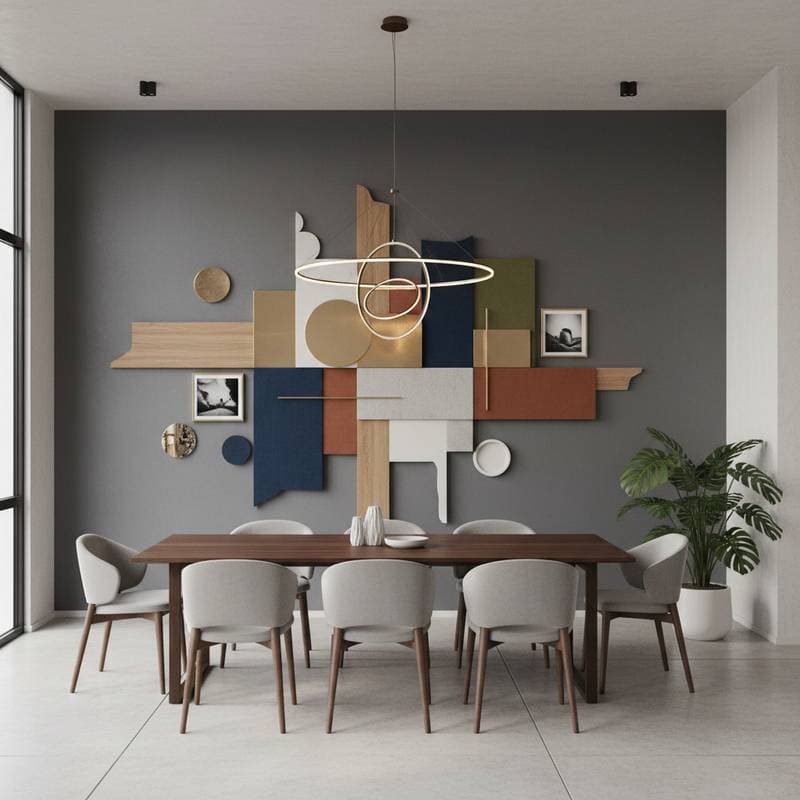
Effective design principles ensure your magnetic wall enhances rather than overwhelms the dining room. Start by planning the layout on paper or using removable painter's tape to outline sections. Focus on the wall opposite the table for maximum visibility during meals.
Key Arrangement Tips
- Maintain a consistent frame color or material across all artwork to create visual unity.
- Position items with even spacing and align them along a common baseline for a polished look.
- Select a limited color palette that complements the room's existing decor to foster harmony.
- Incorporate blank spaces around displays to provide breathing room and prevent clutter.
Flexibility defines magnetic walls, yet intentional curation elevates the result. Treat the space as a gallery where each rearrangement refreshes the ambiance. Experiment with groupings, such as clustering family photos or thematic prints, to spark conversations at the table.
Common Problems and Solutions
Projects occasionally encounter challenges, but most yield to straightforward fixes. Addressing issues early preserves the wall's integrity and performance.
Weak Magnetic Pull
Insufficient adhesion often stems from too few primer coats. Increase to four or five layers, sanding lightly between each for better integration. Verify magnet quality; select neodymium types rated for heavy-duty use rather than lightweight decorative options.
Uneven Surface Texture
The primer's thickness can produce ridges if applied hastily. Employ a low-nap roller and thin layers to minimize buildup. Sand progressively finer between coats, finishing with 320-grit for a seamless base ready for topcoating.
Paint Peeling or Bubbling
Rushing drying times or humid environments trigger these defects. Adhere strictly to manufacturer guidelines, waiting 24 hours per coat. Improve ventilation with fans and dehumidifiers to accelerate curing without compromising quality.
Magnet Marks
Prolonged contact may cause scuffs or rings on the surface. Mitigate this by affixing felt pads to magnet backs or applying a clear protective film over the paint. These measures maintain appearance while sustaining functionality.
When to Involve Professionals
Certain conditions warrant expert assistance to avoid costly errors. If walls show damage, irregular textures, or moisture signs, consult a contractor for repairs. They can apply skim coats or fix drywall to provide a stable foundation.
For enhanced strength, embedding metal sheets behind the paint demands precision. Professionals handle the weight and alignment to prevent sagging or misalignment. Similarly, designs incorporating lighting or powered elements require electrician oversight.
Always scan walls with a stud finder before drilling. Professionals ensure safe distances from wiring, safeguarding both the installation and occupants.
Benefits of a Magnetic Dining Room
Beyond visual appeal, magnetic walls redefine dining room utility. They evolve with life changes, displaying holiday motifs one month and professional achievements the next. This adaptability keeps the space engaging for families and guests alike.
Many homeowners report renewed appreciation for their homes after such updates. The low cost relative to renovations yields high returns in satisfaction. Creativity flourishes as users rearrange displays, often discovering overlooked treasures in their collections.
In social settings, these walls prompt interactions. Guests linger to admire or contribute to the gallery, turning meals into memorable exchanges. The investment in time pays dividends in a more dynamic living environment.
Advanced Techniques for Lasting Impact
Experienced users refine their setups with innovative methods. Integrate magnetic zones with architectural elements like wainscoting, concealing metal strips for subtle functionality.
Essential Pro Tips
- Blend magnetic surfaces with floating shelves or LED panels to add depth and interest.
- Verify magnet compatibility with planned items before permanent installation.
- Layer designs by incorporating hidden magnetic areas under wallpaper for versatility.
- Store excess materials for routine maintenance and future expansions.
- Limit individual item weight to two pounds; reinforce heavier displays with additional supports.
These strategies distinguish refined installations from basic attempts. They ensure the wall remains a centerpiece that enhances daily life.
Maintaining and Evolving Your Space
Regular care sustains the magnetic wall's vibrancy. Dust monthly with a soft cloth, avoiding abrasive cleaners that dull the finish. Reapply topcoat every two years in high-traffic areas to protect against wear.
As tastes shift, update displays seasonally. Archive older items to rotate fresh content, keeping the gallery current. This ongoing process reinforces the room's role as a living, breathing extension of your style.
Ultimately, magnetic paint empowers personalization without permanence. It invites experimentation, yielding a dining room that reflects evolving priorities and inspires every gathering.