Mycelium Fences: Living Barriers That Grow Sustainably
Key Points:
- Mycelium fences harness fungal root systems to develop robust, biodegradable barriers that expand organically over time.
- These structures minimize waste production and carbon footprints in comparison to conventional materials like concrete, metal, or plastic.
- Through targeted cultivation techniques, mycelium barriers integrate with local ecosystems and facilitate self-repair following damage.
- This method combines environmental responsibility with creative architecture, presenting viable options for builders and property owners committed to green practices.
Establishing Natural Boundaries
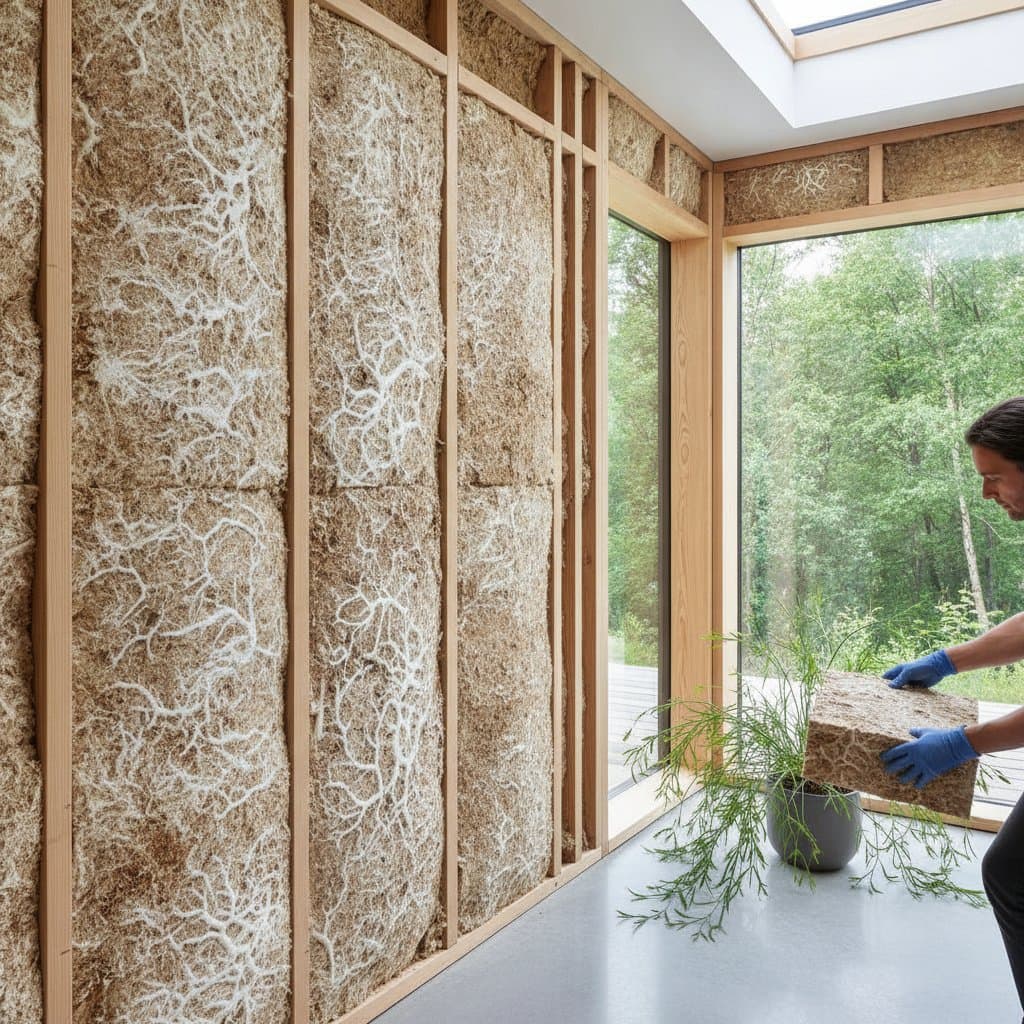
Envision a garden enclosure that expands through biological processes rather than mechanical installation. Its exterior resembles compressed cork, providing a solid yet organic texture. Below the surface lies an intricate web of mycelium, the thread-like roots of fungi, which permeate the soil and reinforce the entire structure. This concept emerges from real advancements in bio-based materials, gaining traction among designers focused on ecological integration.
Advantages of Mycelium Construction
Conventional fencing involves resource-intensive production, including mining raw materials, energy-heavy processing, and long-distance shipping, all contributing to significant greenhouse gas outputs. Mycelium-based alternatives shift this paradigm by leveraging growth rather than fabrication. The process utilizes readily available waste streams, such as crop stubble or sawmill byproducts, as substrates, thereby diverting materials from landfills.
Cultivation occurs in low-energy environments, often at ambient temperatures with minimal electricity for humidity control. To form a fence, mix inoculated substrate into custom molds shaped for posts, panels, or continuous walls. Allow growth for 5 to 14 days, depending on scale and climate, then cure in a shaded area to harden. The final product decomposes naturally at the end of its lifecycle, enriching soil without toxic residues.
Strength testing reveals that mycelium composites withstand compressive forces up to 100 psi, similar to certain plastics, while resisting moisture through natural hydrophobic treatments derived from plant oils. In field trials, these barriers have demonstrated pest deterrence via antifungal properties inherent to the material and provided thermal insulation, reducing heat transfer by 20 to 30 percent in outdoor settings.
Transitioning from Prototypes to Practical Applications
Incorporating living materials into architecture demands a reevaluation of construction and upkeep routines. Mycelium fences actively participate in their environment, potentially extending their lifespan through periodic nourishment. For instance, apply a nutrient slurry of compost tea to damaged sections, then cover with a breathable membrane to encourage spore reactivation and regrowth within weeks.
Professionals in the field characterize these barriers as responsive elements within landscapes. In humid regions, the material may thicken its hyphal structure for enhanced water resistance, whereas in arid zones, it develops airier formations to optimize airflow. Such responsiveness supports biodiversity by allowing roots and vines to interweave without chemical interference, fostering habitats for pollinators and soil organisms.
Addressing Scalability and Innovations
Commercial production faces hurdles related to consistent growth conditions, as fluctuations in temperature or contamination can affect outcomes. Solutions include climate-controlled growth chambers for initial stages, followed by outdoor acclimation. Emerging hybrids pair mycelium cores with outer layers of recycled fibers, extending durability to 10 to 20 years while retaining compostability.
Ongoing research explores enhancements like embedding sensors within the network to monitor soil health or integrating photovoltaic elements for energy-generating fences. These developments position mycelium as a cornerstone for regenerative design, where structures contribute positively to carbon sequestration and water filtration.
Implementing Mycelium in Your Landscape
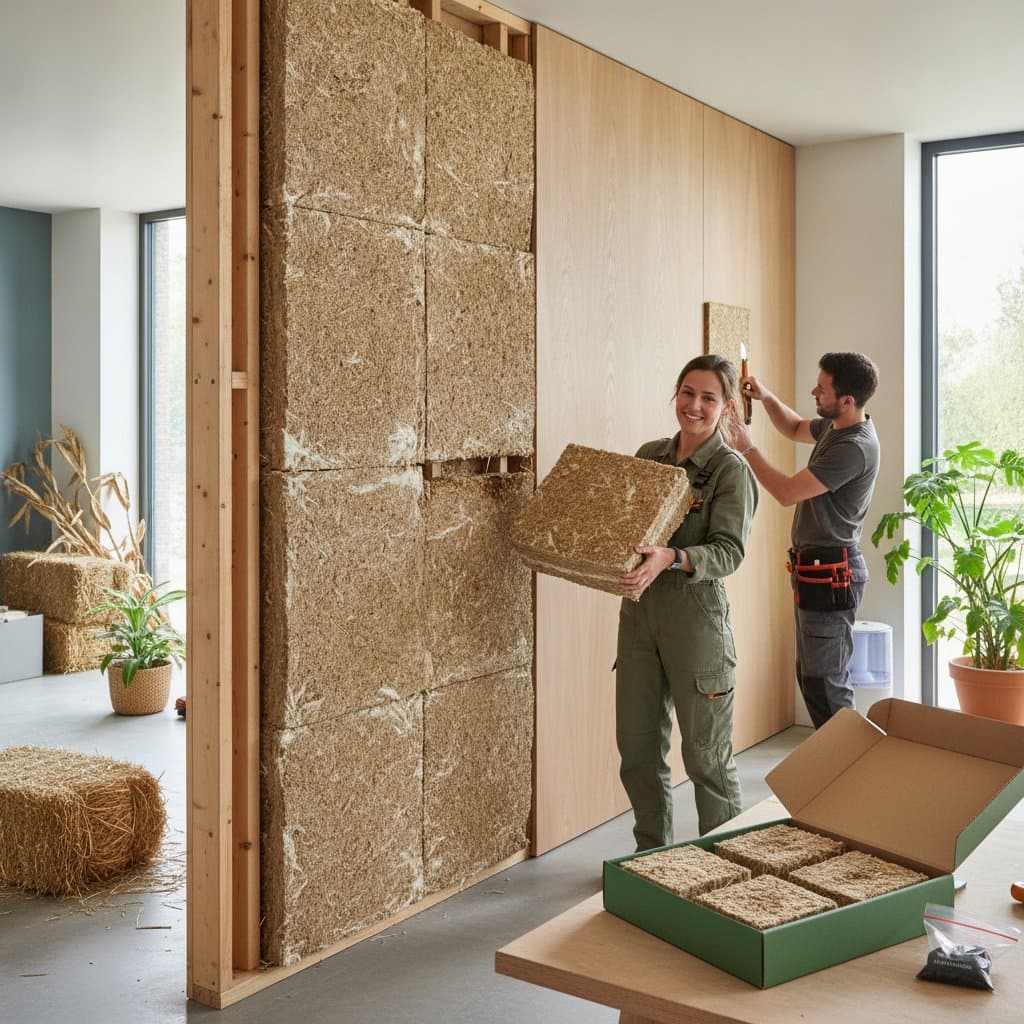
Individuals interested in adopting this technology can start with starter kits from bio-design suppliers, which include pre-inoculated substrates and instructional guides. Select a site with partial shade and loamy soil, prepare molds from recycled plastics or wood, and layer in local organic waste. Monitor moisture levels daily during the growth phase, harvesting once the material solidifies.
Maintenance involves annual inspections for integrity, with repairs achieved by patching with fresh mycelium slurry. This hands-on approach not only yields a unique enclosure but also educates users on fungal ecology, bridging personal spaces with broader environmental stewardship.
Mycelium fences demonstrate how innovation rooted in nature can transform everyday infrastructure. By embracing these living systems, landscapes gain resilience and vitality, paving the way for architecture that sustains and restores.