Japandi Gardens: Zen Minimalism for Outdoor Spaces
A well-designed outdoor area conveys intentionality and ease, fostering a sense of calm. Consider a modest courtyard enhanced with natural textures, subtle lighting, and a simple wooden bench; such elements transform it into a cherished retreat. This approach introduces Japandi style, which merges Japanese serenity with Scandinavian simplicity, and applies effectively to gardens and backyards worldwide.
Japandi gardens extend beyond fleeting trends. They represent a method for outdoor living that prioritizes tranquility, equilibrium, and harmony with nature. Applicable to rural cottages or urban balconies, these principles convert diverse spaces into restorative havens.
Core Principles of Japandi Design
Japandi centers on purposeful existence. It combines the contemplative essence of Japanese Zen gardens with the practical warmth of Scandinavian aesthetics. The outcome yields environments that feel stable, serene, and attuned to the natural world, emphasizing equilibrium between aesthetics and utility rather than flawlessness or extravagance.
Essential Elements of Japandi Gardens
Assemble a Japandi-inspired space using foundational components that cultivate subdued elegance. Each contributes to the style's hallmark serenity.
Natural Materials
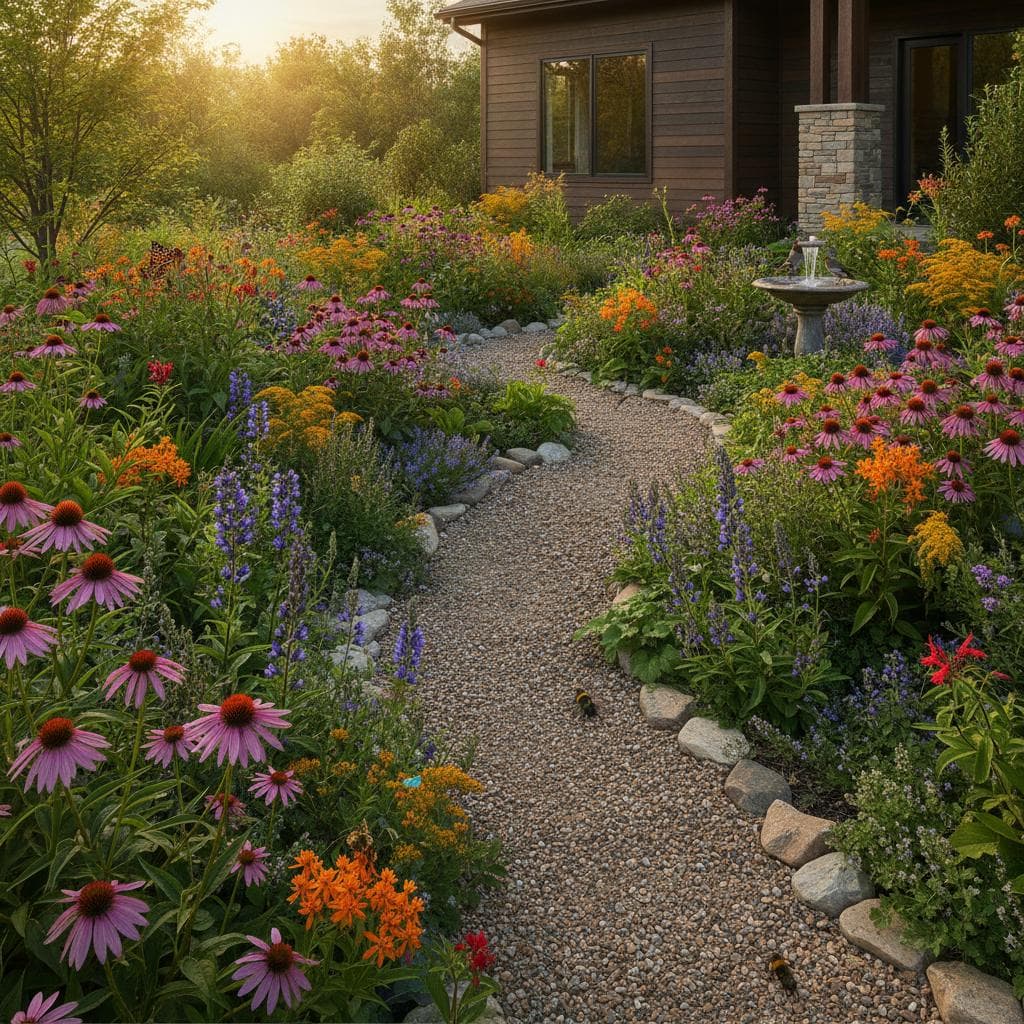
Select wood, stone, bamboo, and rattan as primary elements; these materials develop patina over time and integrate seamlessly with their environment. Opt for untreated or subtly finished surfaces that reveal inherent grains and textures. Incorporate a cedar bench, slate-bordered gravel walkway, or bamboo screen to achieve refined, unpretentious appeal.
In constrained urban settings, such as a New York balcony, install cedar decking tiles to redefine the area. This addition shifts a stark concrete surface into a compact haven evocative of a traditional Japanese terrace.
Subdued Color Choices
Draw from earth's palette with soft neutrals, warm timber hues, and subtle greens. This strategy lets natural tones dominate without clashing against vivid accents. For floral elements, choose white varieties or pale pastels that merge fluidly with surrounding greenery.
Effortless Forms and Layouts
Employ clean lines and avoid elaborate ornamentation, favoring low-profile furnishings that anchor the space. Integrate raised platforms, flat stepping stones, and low planters to establish gentle structure without imposing rigidity.
Incorporating Water Features
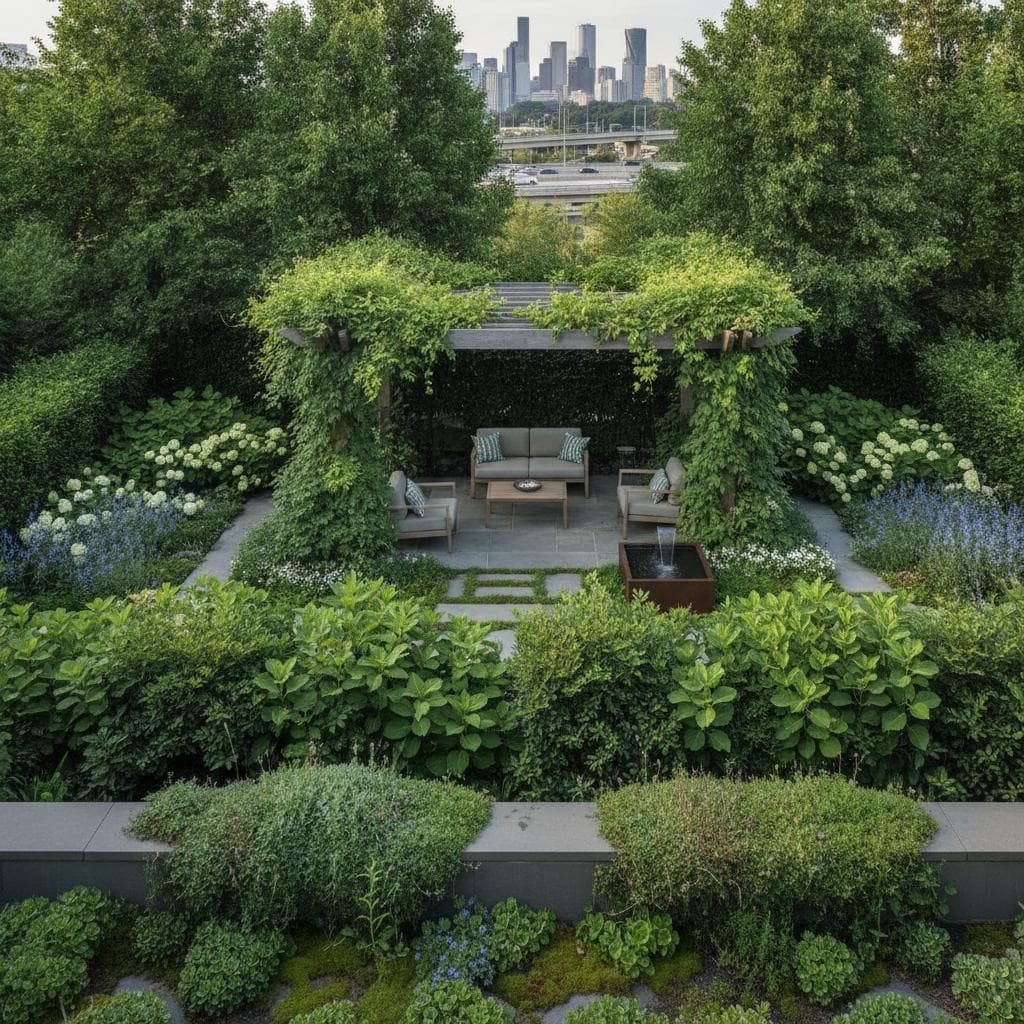
Introduce a modest water element to evoke peace; options include a ceramic basin fountain or a streamlined bamboo conduit. The soft flow of water dampens external sounds and encourages introspection. Rooted in Japanese tradition, water symbolizes rejuvenation and instills calm even in confined areas.
Textural Layers
Build depth through varied surfaces without excess: pair polished stones with rugged wood and coarse gravel for sensory contrast. Incorporate ornamental grasses, moss, or ferns to temper boundaries and introduce subtle motion. Aim for harmony among sleek and coarse, firm and yielding textures.
Adapting Japandi to Compact Areas
Urban dwellers with balconies or townhouse patios benefit from Japandi's scalability. Thoughtful selections turn limited zones into tranquil escapes.
Begin by laying wooden deck tiles or a platform to delineate the area. Position one or two containers with compact evergreens, such as boxwood or dwarf bamboo. Add tactile interest via woven receptacles or earthenware vessels, and include a solitary lantern or solar fixture for dusk illumination. Prioritize selectivity: each piece must align functionally and visually.
In Tokyo's dense neighborhoods, compact courtyards demonstrate this efficacy; a lone tree, stone vessel, and gravel expanse suffice for composure. These examples illustrate that proportion and positioning, not size, dictate aesthetic success.
Illuminating with Subtlety
Strategic lighting enhances Japandi gardens by providing warmth for nocturnal enjoyment while preserving serenity. Shun intense beams or elaborate strands; select concealed uplights, lantern fixtures, or solar-guided path illuminators that project soft glows and shadows.
In a Cotswolds garden, position low lights under benches and lanterns near entry points. Evenings reveal a gentle luminescence, encouraging quiet activities like reading or conversation, akin to an understated outdoor parlor.
Integrating Cultural Influences
Japandi's global appeal stems from its broad applicability. It incorporates Japanese wabi-sabi, embracing imperfection and organic evolution, alongside Scandinavian hygge, which values coziness and intimacy. This fusion delivers a design ethos that transcends borders.
Travel reveals parallel traditions: French villagers place benches beneath ancient trees for respite; Japanese landscapes frame views to narrate silent tales; Scandinavian exteriors emphasize straightforwardness and kinship amid varying climates. Japandi synthesizes these into an approachable framework for any locale.
Nurturing an Evolving Garden
Japandi spaces develop dynamically as materials weather, vegetation grows, and sunlight shifts. This progression embodies the style's charm, favoring natural cycles over rigid upkeep.
Implementing Your Japandi Vision
To realize this design, assess your space's scale and light exposure first. Source sustainable materials from local suppliers to ensure authenticity. Begin with foundational elements like paths and seating, then layer plants and features gradually. Maintain the space through seasonal pruning and minimal intervention, allowing nature to guide its form. The result: a personalized sanctuary that sustains calm and invites daily renewal.