Mushroom Composting Bins: Revolutionizing Backyard Waste Management
When individuals first encounter the concept of mushroom composting bins, they often imagine complex setups suited to laboratories rather than residential yards. Many homeowners maintain traditional compost piles that produce occasional odors reminiscent of decaying organics, prompting concerns about neighborhood disturbances. However, after implementing this method, users discover a transformative approach to home composting that enhances efficiency and sustainability.
Common Challenges in Traditional Backyard Composting
Backyard composting frequently encounters obstacles that discourage participants. Piles may dry out completely, halting decomposition, or become excessively wet, fostering pest infestations such as fruit flies. Initial attempts often involve makeshift containers, like drilled plastic tubs, which prove inadequate for consistent results.
The Role of Fungi in Enhanced Composting
Mushroom composting bins integrate fungi to accelerate organic breakdown beyond bacterial action alone. Mycelium, the thread-like network of fungal structures, efficiently digests waste materials, yielding nutrient-dense compost ideal for plant growth. This process maintains balanced moisture and suppresses odors, resulting in a fresh, soil-like aroma.
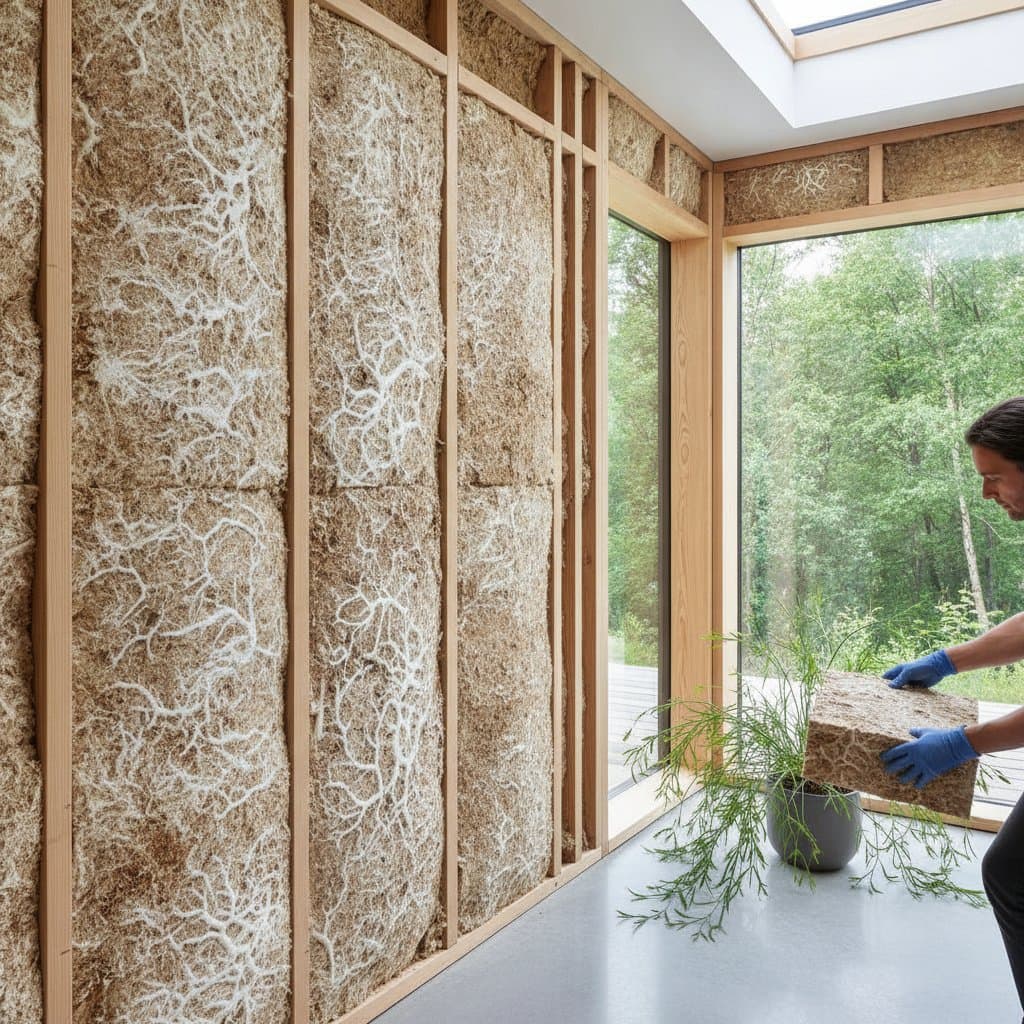
In practice, users observe mycelium growth as white filaments permeating the pile within weeks of setup. Common fungi species, such as oyster or button mushrooms, thrive on substrates like straw and kitchen remnants. The result is compost that enriches garden soil more effectively than conventional varieties, promoting robust plant development.
Step-by-Step Guide to Establishing a Mushroom Compost Bin
Creating a mushroom compost bin requires minimal resources and space, making it accessible for urban and suburban gardeners alike. Select a location with partial shade to regulate temperature and prevent drying. The following steps ensure successful implementation.
-
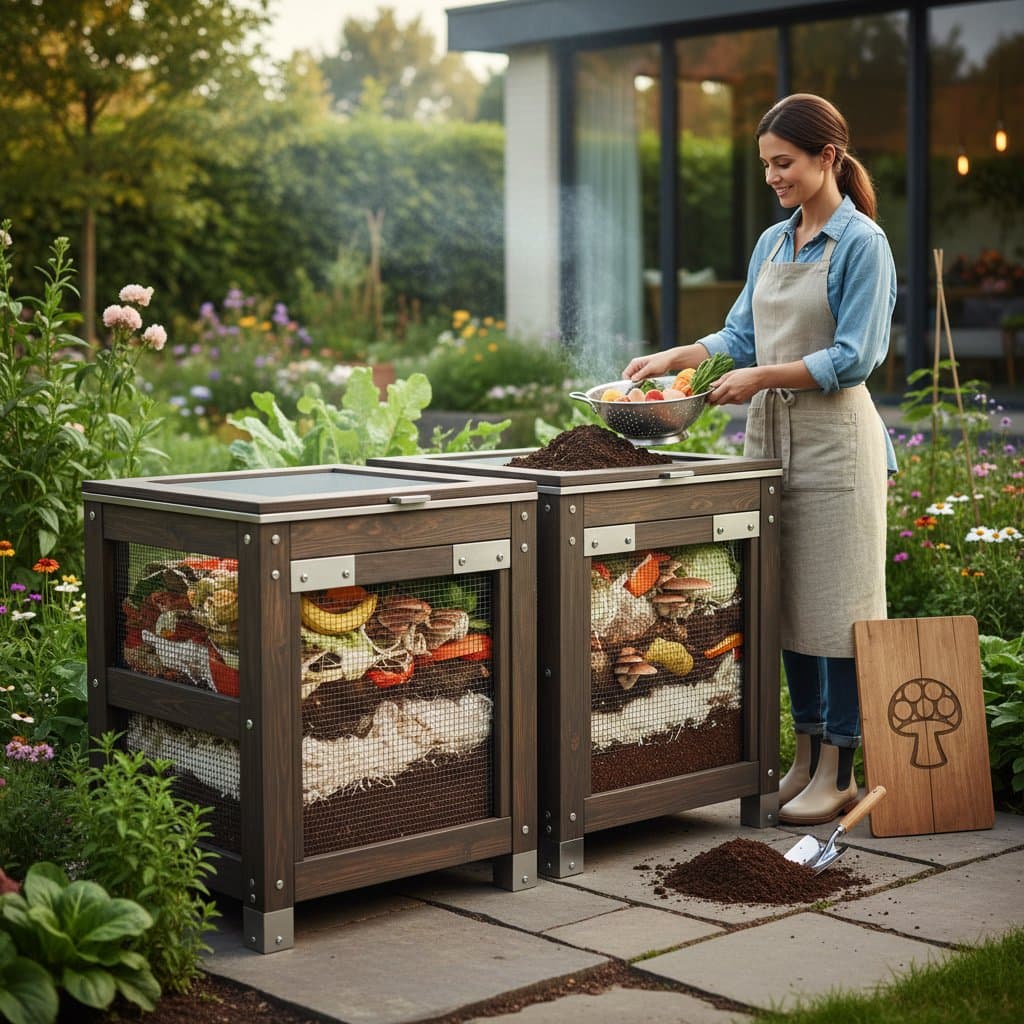
Select a suitable container. Opt for breathable options such as wooden pallets assembled into a box or plastic bins with ample ventilation holes. Dimensions of 3 feet by 3 feet by 3 feet provide sufficient volume for household waste.
-
Prepare the base substrate. Layer materials like chopped straw, shredded cardboard, or fallen leaves to a depth of 6 to 8 inches. These provide carbon-rich structure and support fungal colonization.
-
Incorporate organic waste. Add nitrogen sources including vegetable peels, coffee grounds, and crushed eggshells. Limit quantities to one-third of the bin's volume to avoid overload; exclude animal products to prevent pests.
-
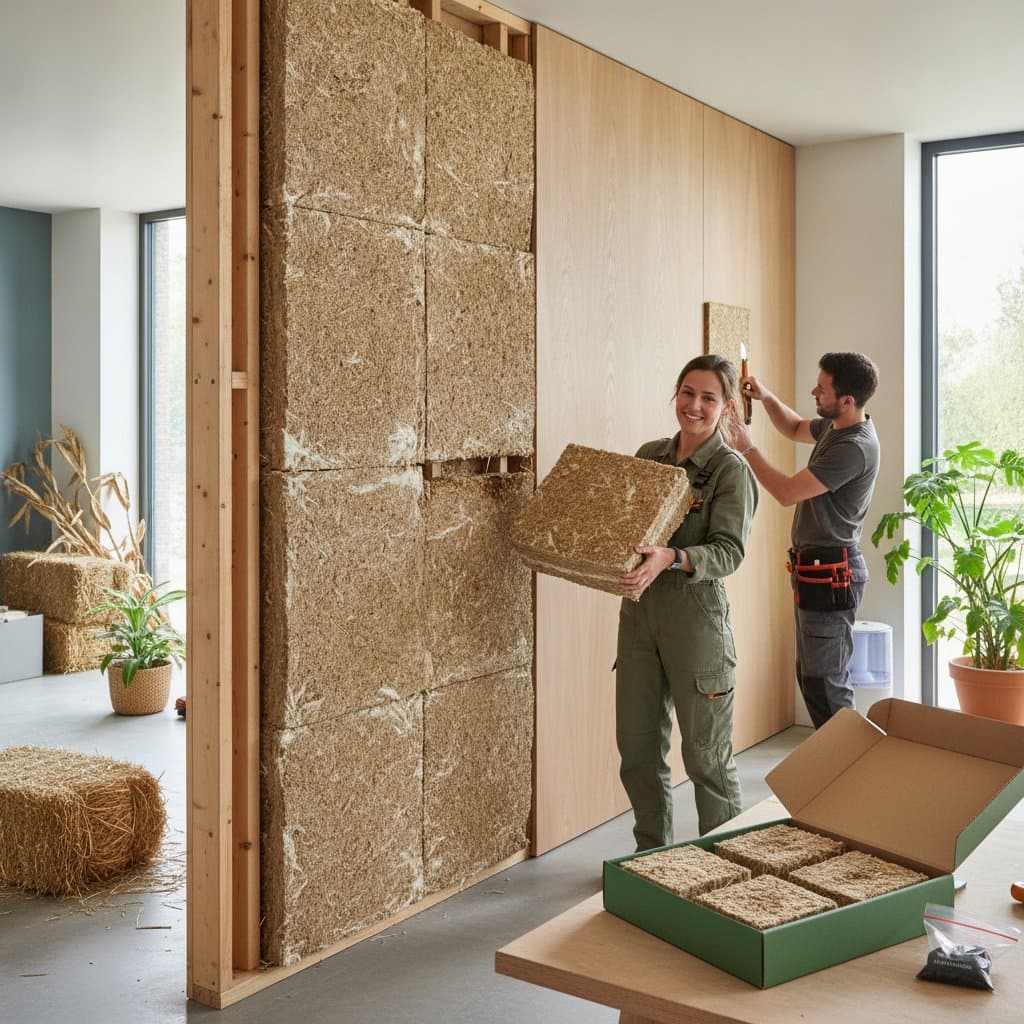
Inoculate with fungal spawn. Purchase pre-inoculated substrates, such as grain spawn or sawdust blocks, from reputable suppliers. Distribute evenly throughout the pile at a rate of 5 to 10 percent by weight.
-
Maintain optimal conditions. Monitor moisture to achieve a consistency similar to a wrung-out sponge; add water sparingly as needed. Position the bin to allow natural airflow, turning the contents gently every two weeks.
-
Monitor progress and harvest. Expect visible mycelium within 2 to 4 weeks. Allow 2 to 3 months for full decomposition, then sift the finished compost for use in flower beds or vegetable gardens.
Benefits and Long-Term Advantages
Mushroom composting produces a lightweight, friable material rich in essential nutrients like nitrogen, phosphorus, and potassium. Gardeners report enhanced plant vigor, with vegetables exhibiting increased yields and resilience to stressors. This method also diverts significant food waste from landfills, contributing to household environmental goals.
Maintenance remains straightforward compared to traditional systems, requiring less frequent intervention. The bin integrates seamlessly into landscapes, such as shaded corners near ornamental shrubs. Occasional adjustments, like moisture checks, ensure consistent performance despite minor setbacks.
Applying Mushroom Compost in Your Garden
Harvest the compost when it achieves a dark, crumbly texture free of recognizable scraps. Spread a 2-inch layer around plant bases to improve soil structure and fertility. For potted plants, mix one part compost with three parts potting soil to boost growth without overwhelming roots.
This approach not only resolves waste management issues but also fosters a deeper connection to sustainable practices. Gardeners transitioning from conventional methods find the process rewarding and reliable. With its blend of science and simplicity, mushroom composting elevates backyard ecology for lasting impact.