Why Japandi Gardens Are Transforming Backyards
Homeowners often watch their backyards evolve from vibrant retreats into cluttered storage areas filled with outdated furniture and neglected plants. The introduction of a Japandi garden changes this dynamic entirely. This design style infuses spaces with calm, balance, and intention, addressing a widespread desire for simplicity that retains warmth and a strong connection to nature.
Japandi gardens merge Japanese minimalism with Scandinavian coziness, resulting in refined yet inviting outdoor environments. The Japanese idea of wabi-sabi honors natural imperfections and the beauty of aging, while Scandinavian hygge emphasizes comfort and well-being. These elements combine to form serene gardens that avoid sterility through thoughtful integration.
The Shift Toward Mindful Outdoor Living
Many individuals redesign their yards as Japandi sanctuaries to escape the demands of high-maintenance, disorganized spaces. This approach promotes sustainability by reducing upkeep while enhancing personal significance.
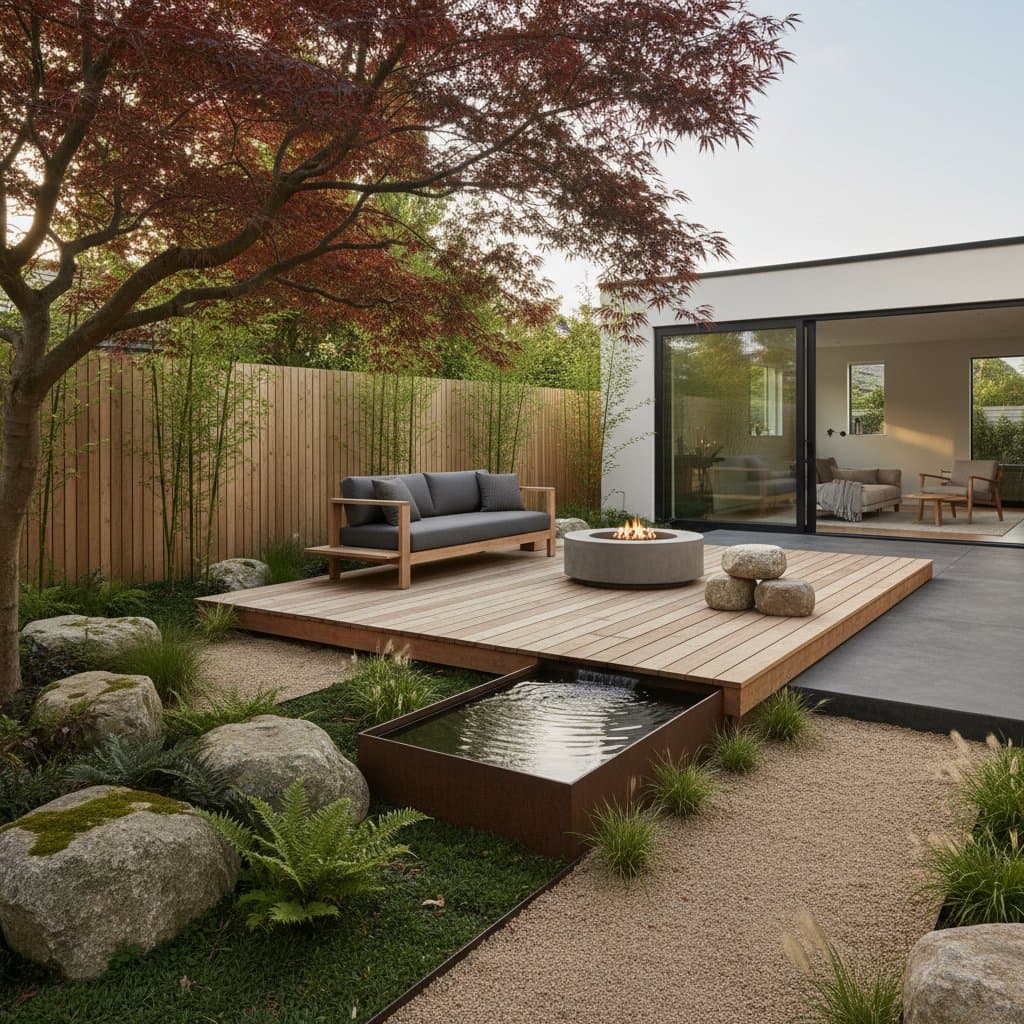
Minimalism here avoids emptiness; it involves selecting complementary materials, flora, and furnishings. Consider a cedar deck that has weathered naturally, paired with one striking maple tree and strategically placed lanterns. Such choices foster tranquility far beyond what multiple ornaments could achieve.
This method also cultivates awareness. In a Japandi garden, the absence of visual clutter allows focus on tactile details, like the polish of river rocks or the texture of raw timber. Subtle auditory elements, such as water flowing into a basin or leaves whispering in the breeze, provide a restorative sensory encounter.
How Simplicity Creates Functionality
Japandi principles prioritize integration of form and utility, ensuring every aspect contributes to the whole.
Here are key ways this manifests in garden design:
-
Purposeful Layouts
Design each area with intent. A seating zone supports reflection, discussion, or al fresco dining, while pathways guide leisurely strolls rather than hasty traversals.
-
Natural Materials
Opt for stone, wood, and clay, which develop appealing patinas over time. A limestone walkway enhances its appearance as it endures weather, eliminating the need for frequent replacements.
-
Balanced Proportion
Maintain harmony in scale. Position a low bench to align with nearby shrubs, and use taller trees to frame vistas without overwhelming the scene. This equilibrium promotes cohesion and serenity.
-
Soft Lighting
Employ diffused illumination from lanterns or concealed sources to evoke twilight's gentle radiance. Avoid intense beams that disrupt the peaceful ambiance.
Plants That Tell the Story
Strategic plant choices bring Japandi gardens to life through a restrained yet evocative selection.
- Evergreens such as Japanese black pine or yew offer enduring structure and composure.
- Grasses like Hakonechloa or carex introduce subtle motion and varied textures.
- Deciduous trees including Japanese maple or birch deliver seasonal hues and elegant shapes.
- Groundcovers like moss or creeping thyme temper rigid lines and encourage sensory interaction.
Emphasize moderation with recurring motifs and open areas. A solitary maple amid gravel exerts greater impact than a dense planting. This technique allows the gaze to settle, promoting mental ease.
The Balance of Minimalism and Warmth
Minimalism need not convey chill; Japandi gardens demonstrate warmth through layered textures, subdued colors, and thoughtful scaling.
Light-toned woods like white oak or untreated pine soften the palette. Clay vessels, fabric cushions, and neutral stones ground the design in natural tones. Intentional flaws, such as an irregular stone trail or artisanal pottery, infuse character and genuineness.
The style supports active use rather than distant observation. Envision settling into a wooden chair with a book, enjoying tea near a modest pond, or hosting a meal beneath faint string lights. The layout facilitates these interactions seamlessly.
Designing for Small Spaces
Japandi adapts effortlessly to limited areas, where its emphasis on clarity shines brightest.
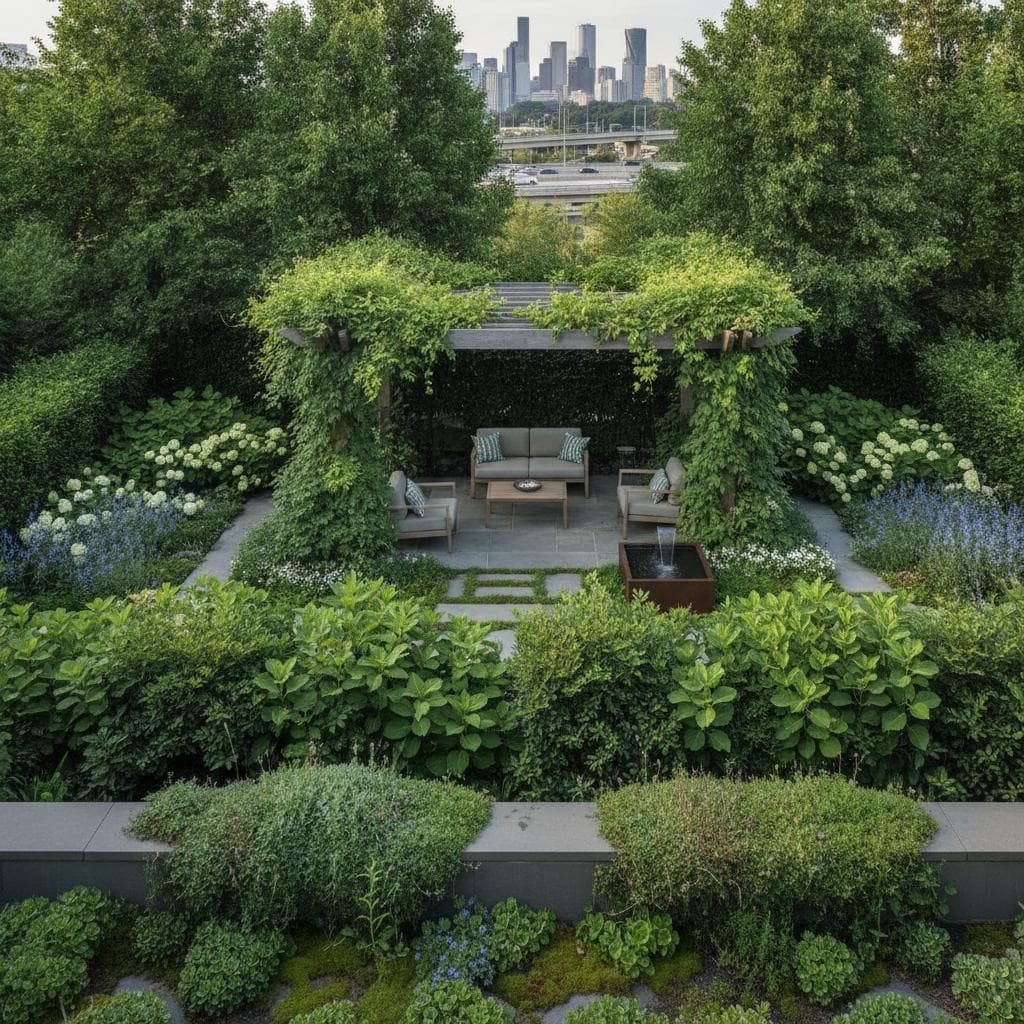
Establish distinct zones to create flow. On a compact patio, delineate sections with low containers or material shifts for seating, vegetation, and circulation. A consistent color scheme expands the perceived size and intent.
Select versatile furnishings, such as a storage-integrated bench, a dual-purpose raised bed, or a collapsible table. These maintain adaptability and order.
Prioritize impactful, seasonal flora with room to expand. Negative space enhances the overall composition.
The Emotional Side of Japandi Gardens
Japandi designs fulfill profound psychological needs by fostering tranquility amid constant motion. Users frequently report heightened calm and focus after time in these settings.
This effect arises organically from elements that prompt grounding practices. Traverse smooth pebbles unshod, prune a bonsai, or rest beneath foliage to attune to natural cycles. Such experiences offer therapeutic benefits without artifice.
Routine care integrates into this philosophy. Rake leaves from paths or condition timber surfaces to embody mindful stewardship. These tasks affirm that elegance thrives on attention, not flawlessness.
Adapting the Look to Your Climate and Lifestyle
Japandi's core tenets remain constant, yet executions vary by environment and routine.
In arid zones, substitute moss with resilient options like sedum or creeping rosemary. Colder areas benefit from birch or spruce over bamboo. Focus on synergy between inhabitants and landscape, not rigid flora catalogs.
For active households, incorporate hardy elements: wood-like composite surfaces, gravel alternatives to turf, and automated watering. These ease maintenance while preserving style.
Those in temporary residences can apply the ethos via movable pots, partition screens, and compact fountains on decks or balconies. Scale does not diminish the pursuit of harmony.
Nurturing a Lasting Connection
A completed Japandi garden transcends initial planning to become an integral daily element. It matures alongside its creators, with flora advancing, surfaces evolving, and bonds strengthening.
Sustain this evolution by adjusting arrangements to match changing circumstances, incorporating fresh textures sparingly, and allowing organic aging. The design embraces fluidity over stasis.
Follow personal intuition to infuse uniqueness. Permit a favored grass cluster to flourish or position a stone lantern in a resonant spot. These choices elevate the space from stylistic exercise to cherished extension of home.
Daily emergence into this haven cultivates a profound sense of place. Japandi gardens illustrate that profound allure whispers effectively and peace resides accessibly, right beyond the threshold, in an environment both intimate and unforced.