How AI Lawn Robots Will Learn Your Yard for Smarter Mowing in 2026
Homeowners often face the challenge of maintaining lush, even lawns amid busy schedules. The arrival of AI-powered lawn robots in 2026 changes this dynamic entirely. These innovative machines analyze yard layouts, adapt to environmental changes, and execute tasks with precision, ensuring vibrant outdoor spaces require minimal human intervention.
This technology evolves beyond basic automation. It incorporates machine learning to understand unique yard features, from slopes to shaded areas. As a result, users gain not only convenience but also optimized lawn health through data-driven decisions.
Achieving Uniform Lawn Maintenance with Minimal Oversight
Traditional mowing methods lead to uneven results due to factors like weather delays or equipment wear. AI lawn robots address these issues by monitoring grass growth patterns and adjusting operations accordingly. They maintain optimal cutting heights, sharpen blades automatically, and distribute clippings evenly to enrich the soil naturally.
Practical Designs Tailored to Everyday Landscapes
Manufacturers focus on accessibility, making AI lawn robots suitable for diverse home environments. Models range from lightweight units for small patios to robust versions for hilly terrains. Durable materials withstand outdoor elements, while weather-resistant casings protect internal components.
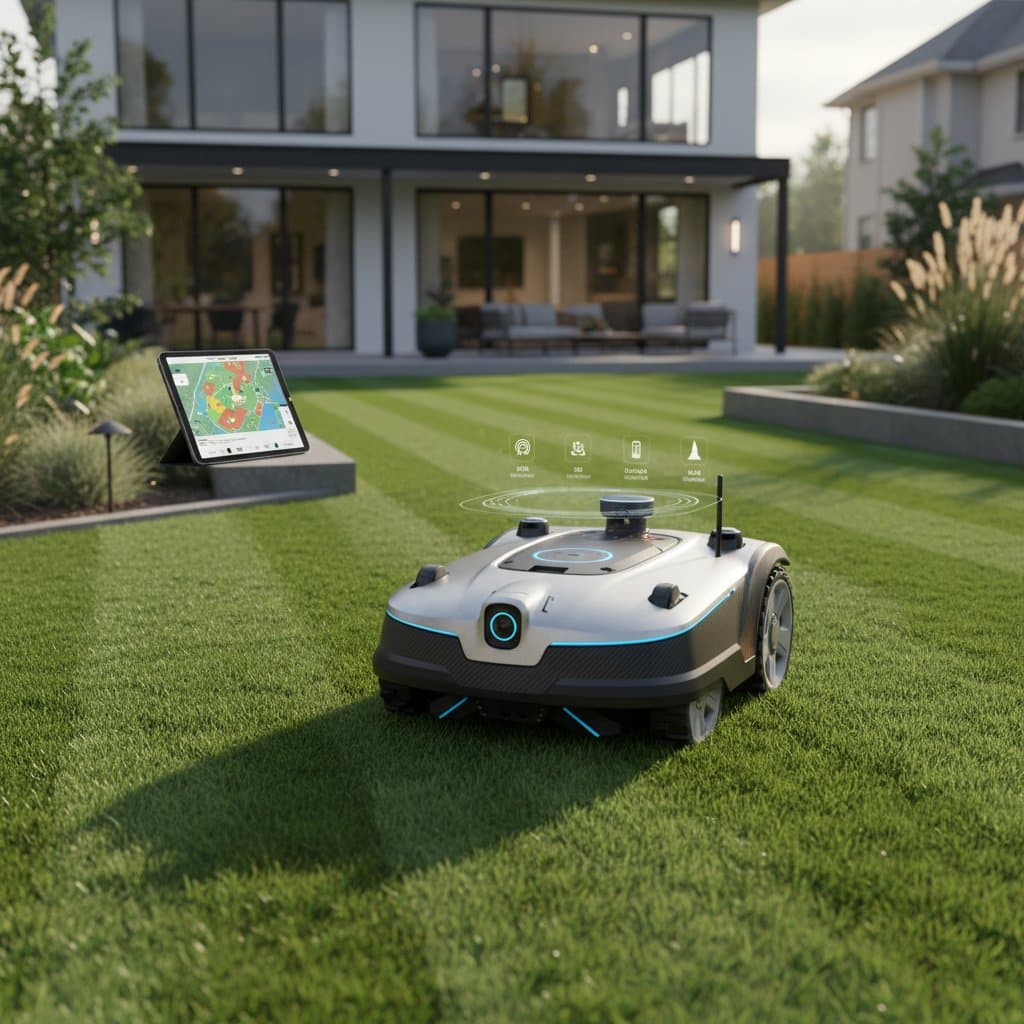
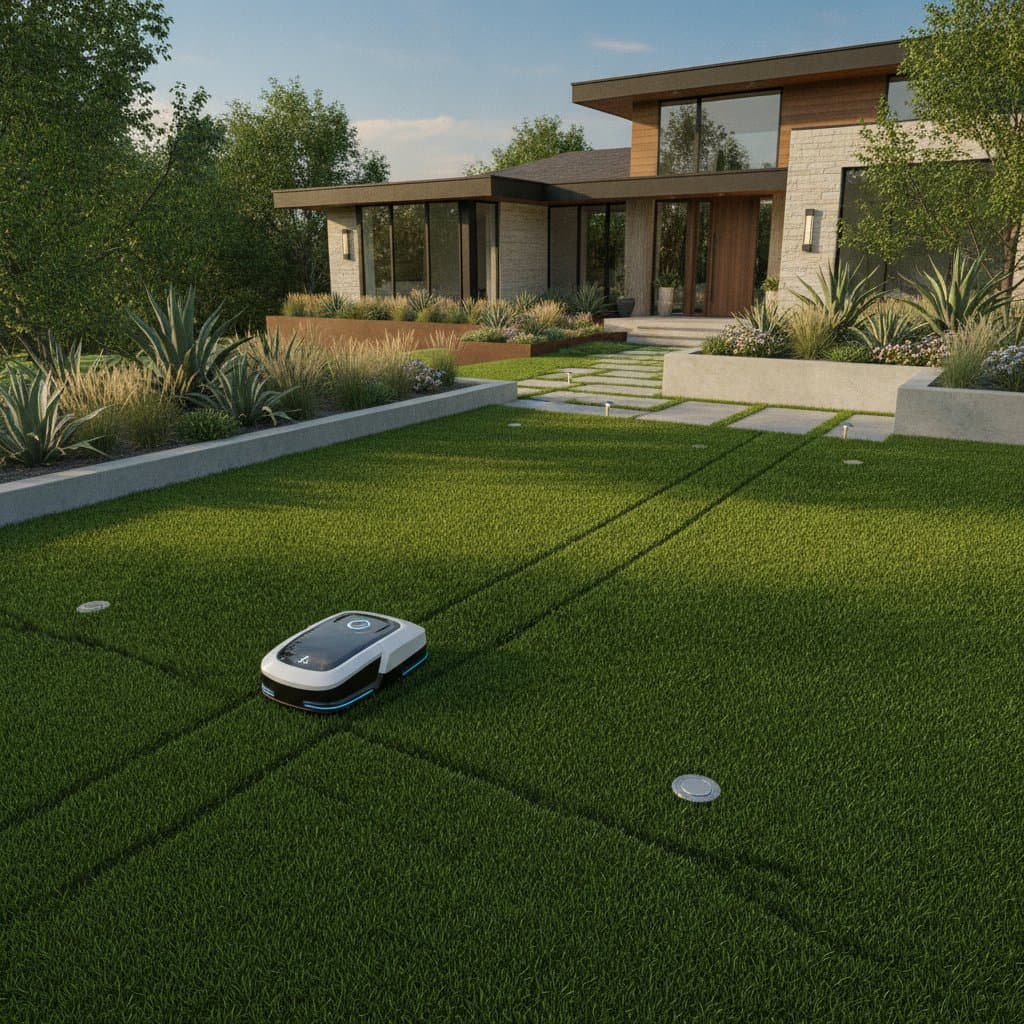
Setup processes prioritize user-friendliness. Virtual boundary creation via mobile applications eliminates the need for physical wires. Users define mowing paths, exclude sensitive zones like flower beds or patios, and schedule operations remotely. Integration with voice assistants enables hands-free control.
Security features provide peace of mind. Built-in GPS trackers monitor location in real time, and anti-theft alarms activate upon unauthorized movement. Notifications alert owners to any deviations, ensuring the device remains secure within designated boundaries.
Advanced Sensing and Adaptation Technologies
At the core of these robots lie sophisticated sensors that detect obstacles, measure moisture levels, and evaluate sunlight exposure. LiDAR and camera systems map yards in detail, creating 3D models for navigation. Over time, the AI refines these maps based on usage data, improving efficiency with each session.
Soil health monitoring adds another layer of intelligence. Sensors analyze pH balance and nutrient levels, suggesting adjustments through the companion app. This proactive approach prevents common issues like overwatering or nutrient deficiencies, fostering resilient grass varieties.
Connectivity extends to broader ecosystems. Robots sync with weather APIs to pause during rain and integrate with irrigation systems for coordinated care. Homeowners receive insights on lawn vitality, empowering informed decisions about seeding or aeration.
Steps to Optimize Your Yard for AI Robot Integration
Preparing a yard ahead of adopting an AI lawn robot maximizes performance and longevity. Begin by assessing the current landscape to identify potential challenges.
-
Remove debris and hazards: Clear rocks, fallen branches, and protruding roots to prevent sensor interference or mechanical damage.
-
Establish clear boundaries: Mark areas for regular mowing versus protected zones, such as vegetable gardens or pathways, to guide virtual mapping.
-
Verify network coverage: Test Wi-Fi strength across the yard, as strong signals support real-time app communication and updates.
-
Select an appropriate model: Choose based on yard size; smaller robots suit compact lots, while larger ones handle expansive grounds.
-
Enhance soil and grass condition: Aerate compacted soil, apply balanced fertilizers, and overseed thin patches to create an ideal starting surface.
-
Test terrain compatibility: Walk the yard to note slopes or soft spots, ensuring the robot's wheels and balance systems align with these features.
These preparations create a seamless transition, allowing the robot to operate effectively from the outset.
Embracing Data-Driven Yard Management for Lasting Benefits
The integration of AI lawn robots signals a broader transformation in residential landscaping. Homeowners shift from labor-intensive routines to strategic oversight, using analytics to cultivate thriving ecosystems. Reduced fuel consumption and water usage contribute to environmental sustainability, aligning personal convenience with global responsibility.
Healthier lawns emerge as a key outcome. Consistent care minimizes weed growth and pest issues, while optimized watering conserves resources. Families enjoy more outdoor time, free from maintenance burdens, fostering stronger connections with nature.
Looking ahead, these robots pave the way for expanded smart home features. Future updates may include pest detection or seasonal planting recommendations, further enhancing yard vitality. This evolution promises outdoor spaces that adapt and flourish effortlessly.