Transforming Backyard Noise into Serenity with Acoustic Walls
Many people experience the disappointment of stepping into their backyard for relaxation, only to encounter intrusive sounds from traffic, neighboring dogs, or lawn equipment. Such disturbances prevent the outdoor area from serving as the intended peaceful haven. Fortunately, acoustic walls provide a reliable design solution. These structures, when carefully planned and integrated, convert noisy environments into tranquil retreats.
The Science Behind Acoustic Walls
Sound travels as waves that reflect off rigid surfaces, often intensifying in enclosed yards with concrete or metal barriers. Acoustic walls counteract this by absorbing and dispersing sound waves rather than allowing reflection. Engineers construct them using dense, multi-layered materials such as timber composites, natural stone, or specialized panels that minimize vibrations and echo.
Selecting Optimal Materials
Different materials serve distinct roles in sound management: dense options primarily block waves, while porous or textured ones absorb them. A combined strategy proves most effective for typical backyard settings.
Consider these categories:
- Solid barriers: Brick, rendered concrete, or acoustic timber panels excel at preventing sound transmission due to their mass and density.
- Absorptive layers: Acoustic foam, cork sheets, or compressed fiberboard panels capture echoes and reduce reverberation through their porous structures.
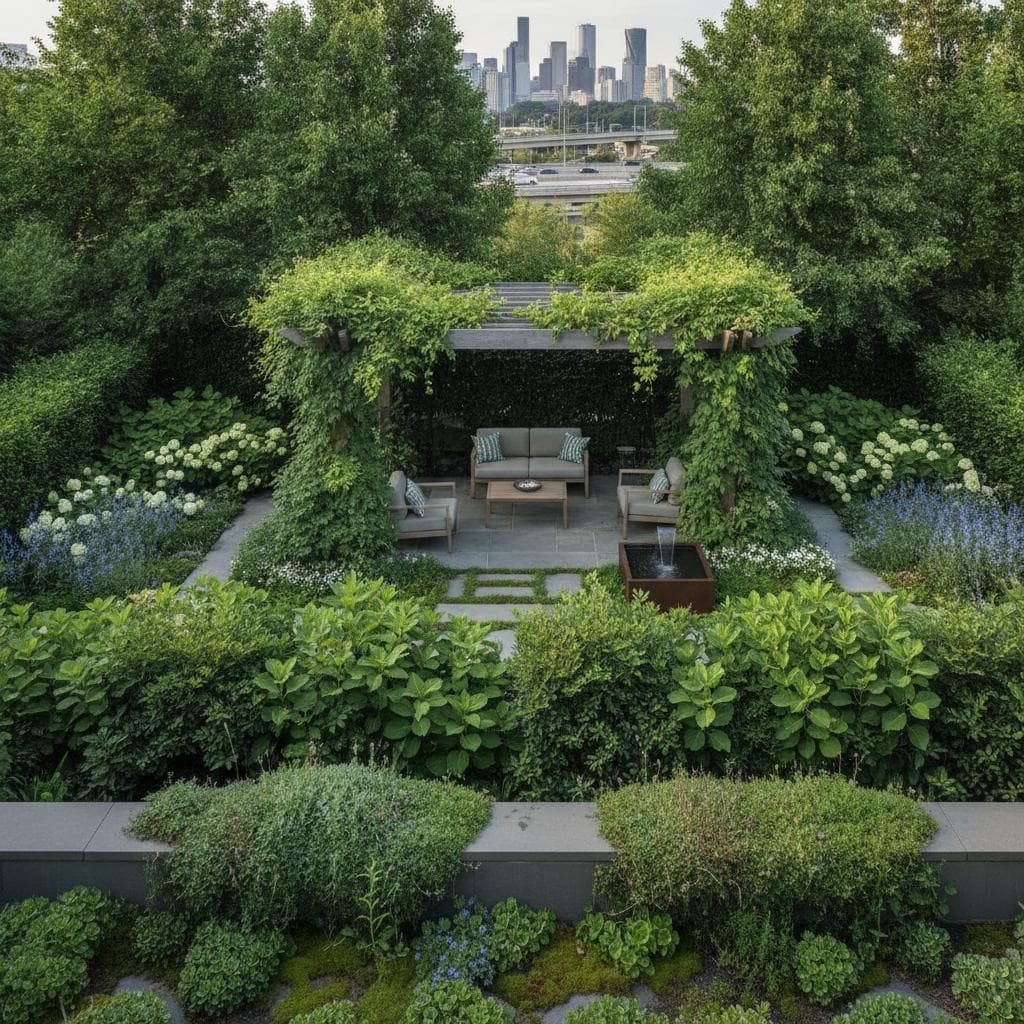
- Vegetated elements: Vines, moss-covered panels, or modular vertical gardens scatter sound waves while purifying the air and adding biodiversity.
For new installations, integrate multiple layers to achieve comprehensive noise control. Envision the wall as a multifaceted shield, combining impenetrable defense with soft absorption for superior performance.
Integrating Design for Aesthetics and Functionality
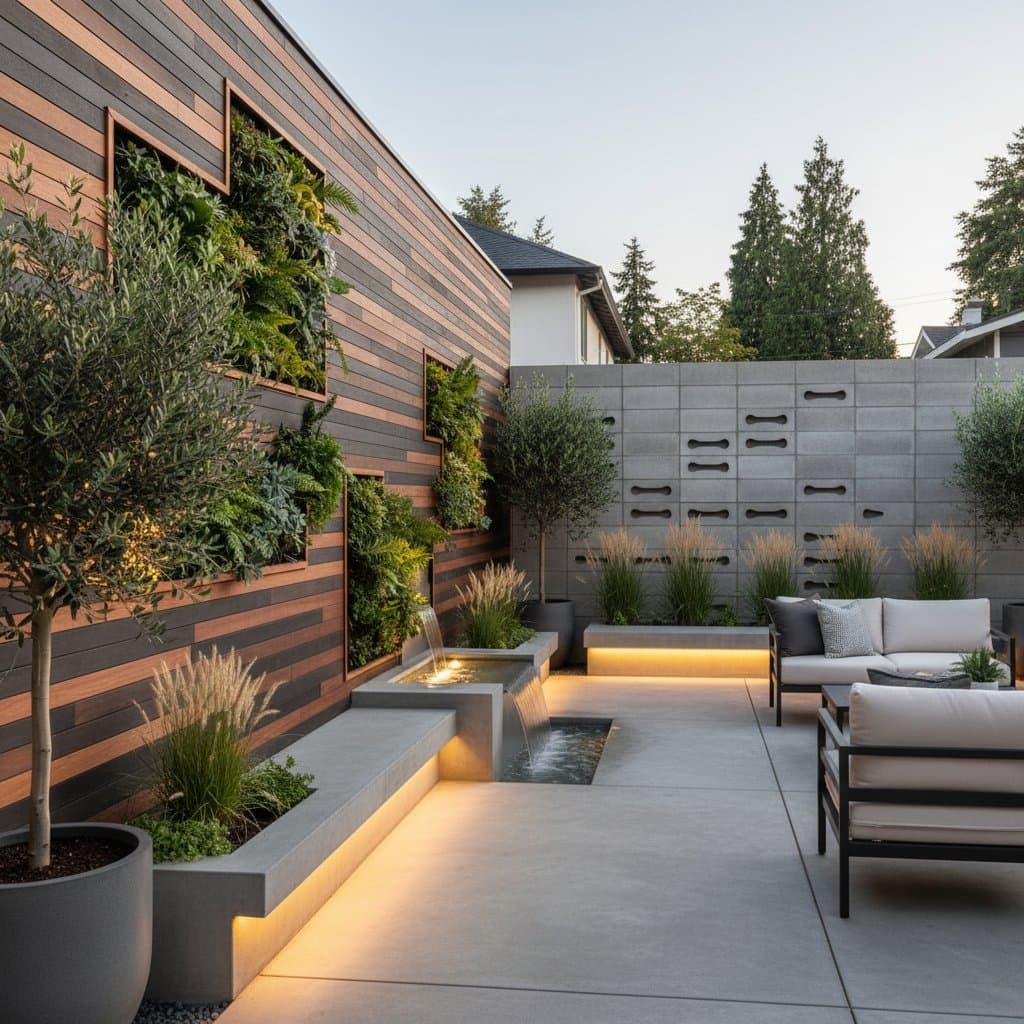
An effective acoustic wall integrates seamlessly with the surrounding landscape, avoiding an obtrusive appearance. Select cladding materials that harmonize with the home's architectural style, such as cedar or white oak for their warm tones and weather-resistant qualities.
Incorporate subtle features to elevate the design. Install low-voltage LED lighting along the base or within planters to accentuate textures during evening hours. In compact yards, attach vertical gardens to the wall surface; these additions introduce vitality without encroaching on floor space and enhance sound diffusion through layered foliage.
To maximize impact, position walls strategically around high-noise sources, such as adjacent roads or shared boundaries. Measure the area first, then sketch potential layouts to ensure balanced coverage and visual flow.
Affordable Options for Noise Reduction
Full-scale walls may exceed budgets for some projects, yet viable alternatives exist. Position tall, dense hedges or bamboo screens against existing fences to create a natural buffer that attenuates mid-range frequencies.
Explore portable solutions like suspended fabric panels or screens crafted from recycled plastics, which offer flexibility and easy repositioning. Outdoor area rugs and cushioned furniture further mitigate high-pitched sounds by absorbing vibrations at ground level.
Layering remains essential for optimal results. Begin with basic screens and gradually add plantings or panels. Incremental improvements yield noticeable reductions in perceived noise levels over time.
Maintaining Acoustic Walls for Long-Term Performance
After installation, regular upkeep ensures the wall's effectiveness and longevity. Trim vegetation to prevent overgrowth, which could compromise sound absorption, and clean surfaces to remove debris that might harbor moisture.
Apply protective sealants to wooden elements annually to guard against weathering. Monitor for wear, such as cracks in concrete or fading in fabrics, and address issues promptly to sustain acoustic properties.
Ultimately, an acoustic wall becomes an integral part of the backyard ecosystem, anchoring the design while promoting relaxation. Select elements that align with personal style, whether modern panels or organic greenery, to cultivate a space that nurtures well-being. Through deliberate choices in materials and maintenance, tranquility emerges as a lasting feature of daily life.