Understanding Acoustic Garden Walls
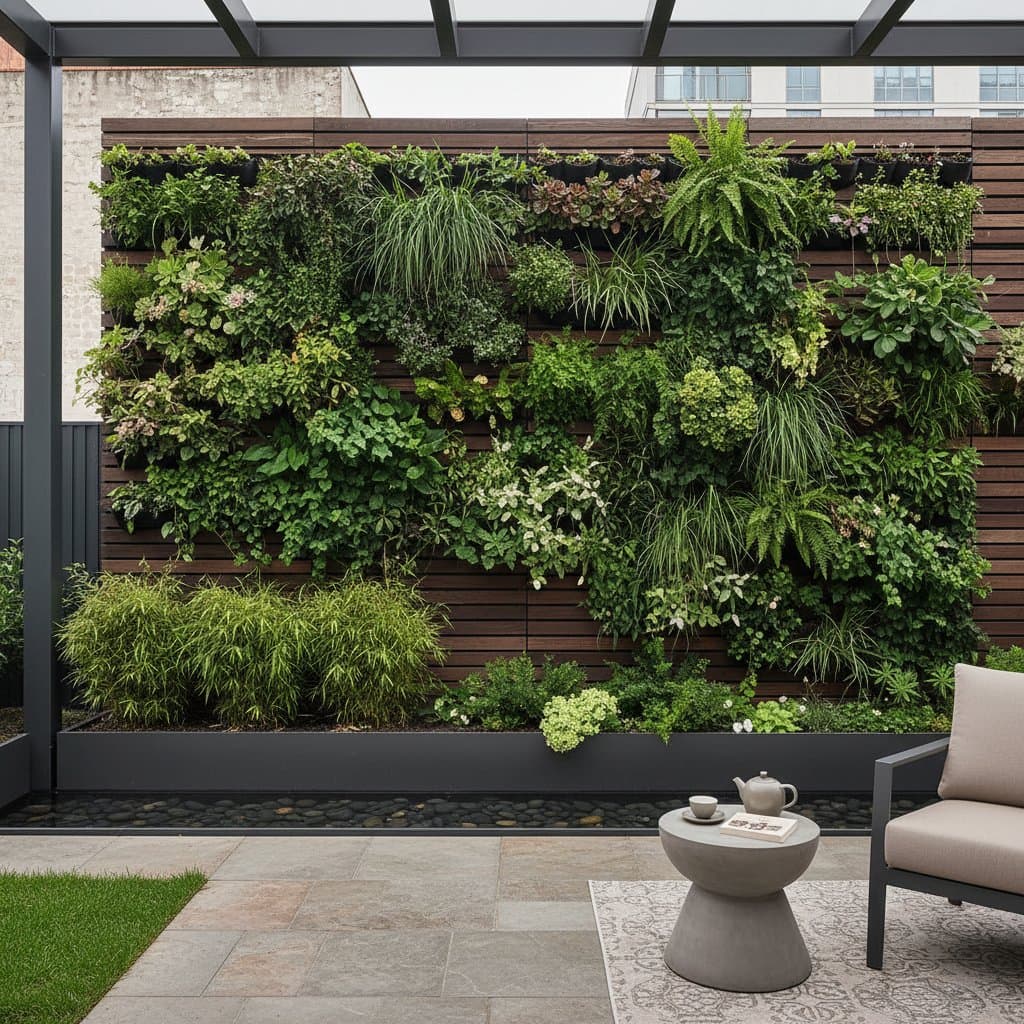
Acoustic garden walls serve as effective barriers against unwanted noise while enhancing the aesthetic appeal of outdoor spaces. These structures integrate sturdy materials with lush vegetation to absorb, deflect, and scatter sound waves. Properties located near highways, urban areas, or construction sites benefit most from such installations. The combination of hard surfaces and soft plant layers addresses a wide spectrum of frequencies, from low rumbles to high-pitched intrusions. Homeowners achieve substantial noise reduction, often up to 10-15 decibels, through thoughtful design. This approach proves more affordable and visually pleasing than traditional solid fences or concrete barriers.
Success hinges on several factors, including wall height, thickness, and plant density. Walls typically range from 6 to 8 feet tall to interrupt sound paths effectively. Placement remains crucial; position the barrier as close as possible to the noise source without compromising yard usability. Materials must withstand local weather conditions, while plants require selection based on climate and soil type. Professional input ensures compliance with building codes and structural safety, particularly for taller or load-bearing designs.
Deciding Between DIY and Professional Installation
Detailed Step-by-Step Construction Guide
Step 1: Assess and Plan the Layout
Begin by pinpointing the dominant noise sources, such as traffic or neighboring activities. Map the yard to determine optimal wall placement, ensuring it forms a seamless barrier between the source and relaxation zones like patios or seating areas. Aim for a height that exceeds the listener's ear level by at least two feet; for example, an 8-foot wall suits most residential needs.
Measure the required length to cover the exposed area fully, accounting for curves or corners that might create sound leaks. Sketch a simple diagram noting post locations every 6 to 8 feet. Factor in local sunlight patterns and wind directions, as these influence plant growth and wall stability. Obtain necessary permits if the structure exceeds local height limits, typically 4 to 6 feet without approval.
Step 2: Establish a Solid Foundation
Outline the wall path with stakes and taut string for precision. Excavate post holes to a depth of one-third the planned wall height, or about 2 feet for a 6-foot structure. Space holes 6 to 8 feet apart to support the framework adequately.
Fill each hole with 4 inches of gravel to promote drainage and prevent frost heave in colder climates. Insert pressure-treated wooden posts or metal pipes, then pour quick-setting concrete around them. Use a level to verify plumb alignment in all directions. Allow 24 to 48 hours for curing before proceeding, bracing posts if needed to maintain position.
Step 3: Construct the Core Framework
Secure horizontal rails or beams to the posts using galvanized lag screws, spacing them 12 to 16 inches apart for rigidity. For wooden frames, select cedar or redwood to resist rot and insects. Ensure all connections fit snugly; apply silicone caulk to seal joints against sound penetration and moisture ingress.
In masonry builds, lay concrete blocks or bricks in a running bond pattern, staggering seams to enhance strength. Mortar each layer thoroughly, filling voids completely. Orient the denser, solid face of the wall toward the noise origin to maximize deflection. Test the structure's stability by applying gentle pressure before adding layers.
Step 4: Incorporate Sound-Absorbing Materials
Attach mass-loaded vinyl sheets or fiberglass batts to the inner side of the frame, focusing on absorption of frequencies above 500 Hz. These materials, available at hardware stores, dampen vibrations effectively. Secure them with staples or adhesive, then cover with exterior-grade plywood sheets cut to fit precisely.
For enhanced performance, add a secondary layer of acoustic foam behind the panels. Fasten everything with corrosion-resistant hardware, such as stainless steel screws and washers, to endure outdoor exposure. This setup reduces sound transmission by up to 50 percent compared to bare structures.
Step 5: Layer in Vegetation for Natural Insulation
Mount trellises, lattice panels, or galvanized wire mesh on the outward-facing side using heavy-duty brackets. Select fast-growing climbers like English ivy, clematis, or Virginia creeper, which reach full coverage in one to two seasons. Plant at the base in enriched soil, spacing vines 12 to 18 inches apart for dense foliage.
For shrub-based barriers, plant evergreens such as arborvitae or holly in rows 3 to 4 feet apart, mixing with deciduous varieties like forsythia for textural diversity. This combination scatters sound waves irregularly, boosting absorption. Mulch around roots to conserve water and suppress weeds, ensuring plants thrive to contribute 20-30 percent of the wall's noise-blocking capacity.
Step 6: Apply Protective and Aesthetic Finishes
Coat wooden elements with semi-transparent stains or paints formulated for exteriors, reapplying every two years to shield against UV damage. Install metal flashing at the base to divert water away from the foundation. Surround the wall base with 3-inch mulch layers to minimize ground-reflected noise.
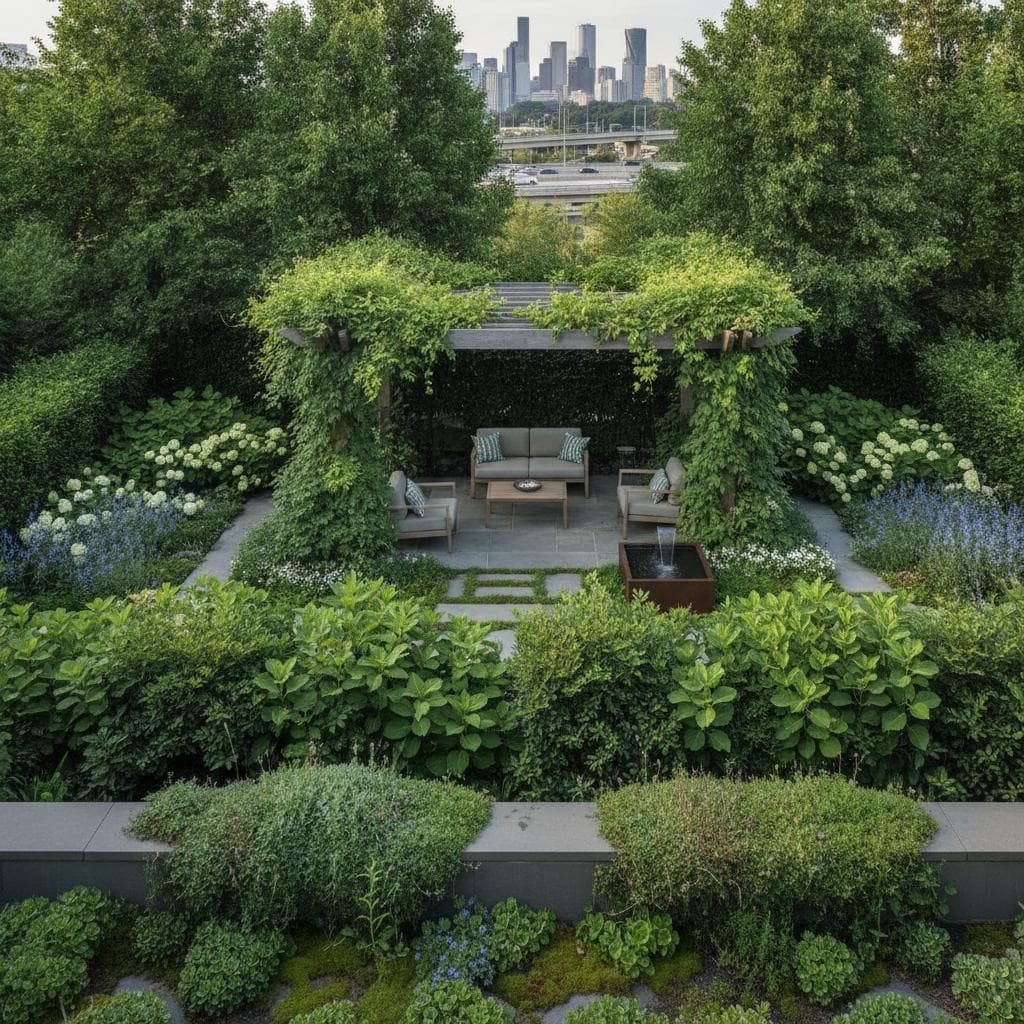
Incorporate complementary features, such as a bubbling fountain 5 to 10 feet away, to introduce soothing white noise that masks low-level disturbances. Pathway lighting or solar accents add functionality without compromising the acoustic focus.
Managing Costs Effectively
Material expenses for a 20-foot acoustic wall vary from $800 for basic wood-and-plant designs to $3,500 for stone-integrated versions. Lumber and concrete dominate costs, while plants add $100 to $300 depending on size.
Reduce outlays by sourcing reclaimed timber from salvage yards or using recycled plastic lumber for durability without premium pricing. Fabricate DIY acoustic panels by encasing rockwool insulation in breathable geotextile fabric, a fraction of commercial costs. Phase the project: construct the frame first, then add greenery incrementally.
Prioritize native species like red osier dogwood or native jasmine, which adapt easily and require minimal fertilization or watering. Avoid skimping on foundational elements; invest in quality posts and concrete to prevent costly repairs from instability.
Essential Safety Measures and Regulations
Construction demands vigilance with tools and materials. Don sturdy gloves, safety goggles, and ear protection to guard against debris, dust, and noise. Locate underground utilities via local services before digging to avoid hazards.
Adhere to property boundaries and zoning laws; many municipalities cap fence heights at 6 feet and mandate setbacks from roads. For walls over 4 feet, secure building permits to confirm compliance. Engage structural engineers for sloped sites or seismic zones to assess load-bearing needs.
Advanced Strategies for Optimal Performance
Elevate wall height strategically to intersect sound rays directly; a 7-foot barrier often suffices for traffic noise at ear level. Pair rigid panels with flexible plant masses to target both low and high frequencies comprehensively.
Eliminate perforations or open designs that permit sound passage. Extend plant beds 4 to 6 feet in front of the wall to capture low-angle reflections from pavement or lawns. Implement automated irrigation systems, like drip lines, to sustain plant vigor with 30 percent less water usage.
Monitor decibel levels with a smartphone app before and after installation to quantify improvements. Adjust plant pruning annually to preserve thickness, as mature foliage amplifies absorption by 15 percent over time.
Sustaining Long-Term Effectiveness
Regular upkeep preserves the wall's acoustic and visual integrity. Inspect annually for loose fasteners or material degradation, tightening or replacing as necessary. Prune vines and shrubs to encourage bushy growth, removing dead sections that harbor pests.
Refresh protective sealants biennially and replenish mulch to support soil health. As vegetation establishes, the barrier evolves, offering enhanced privacy through screening and increased property value via improved curb appeal. This investment fosters enduring serenity, transforming everyday outdoor moments into restorative escapes.