The Rise of Japandi in Backyard Design for 2025
Many homeowners seek ways to cultivate calm and intention in their outdoor areas. Japandi emerges as an ideal solution, combining Japanese minimalism with Scandinavian comfort. This fusion yields spaces that appear simple yet possess depth, natural yet thoughtfully arranged, and peaceful yet vibrant. For backyards oscillating between overcrowding and emptiness, Japandi provides equilibrium.
Defining Japandi Design
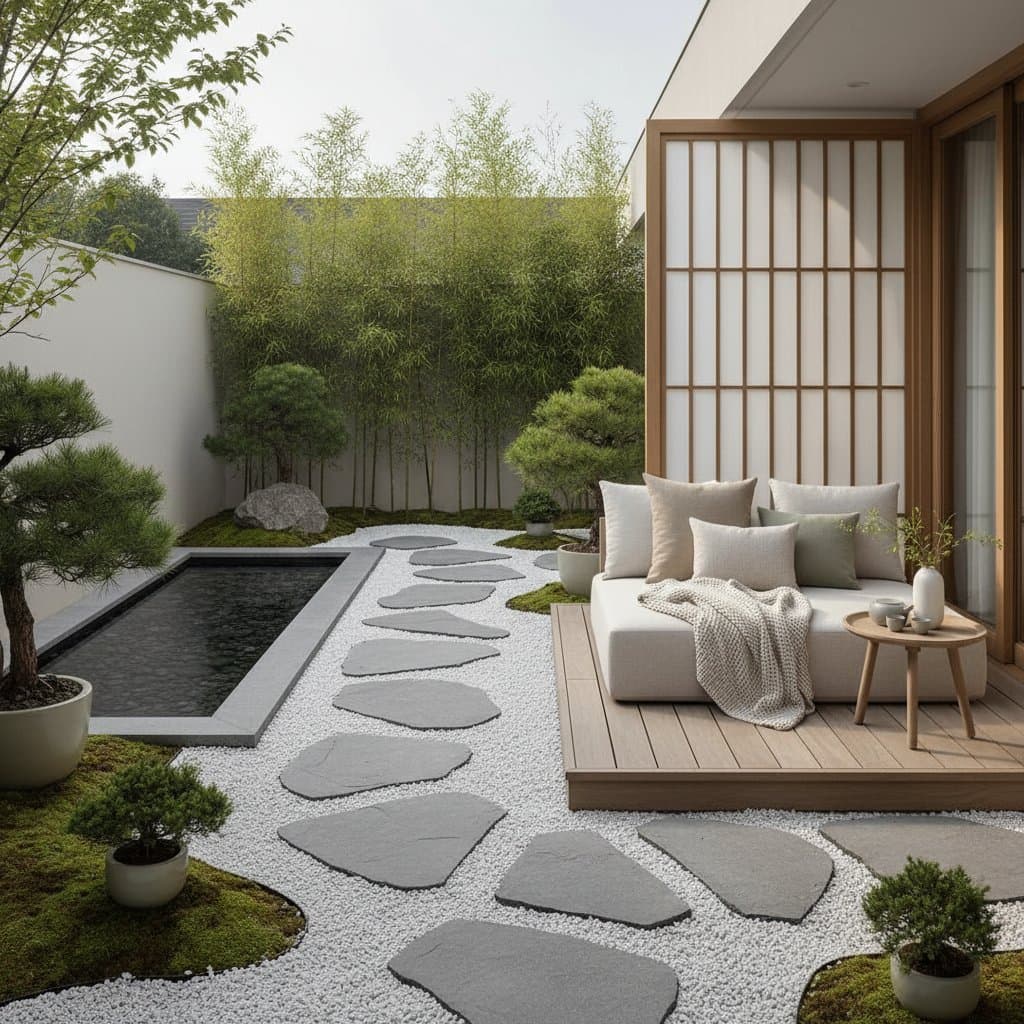
Japandi integrates two complementary philosophies. Japanese wabi-sabi appreciates imperfection and restraint, while Scandinavian hygge values coziness, illumination, and practical natural elements. Together, they produce environments that ground and elevate the spirit. Picture a low cedar bench paired with plush linen cushions, gravel paths winding past moss-covered stones, and neutral shades that ease the gaze.
Advantages of Japandi for Outdoor Settings
Nature serves as the core of Japandi, which enhances rather than competes with it. Balance between form and fluidity proves essential. Japanese gardens employ purposeful limitation, whereas Scandinavian aesthetics prioritize warmth and utility. The result includes serene yet hospitable backyards that blend elegance with everyday use.
Several factors explain its current popularity:
- Simplicity offers renewal. Following eras of vibrant, ornate outdoor setups, Japandi's streamlined forms provide relief.
- Natural materials foster earthly connections. Options like wood, stone, linen, and clay endure gracefully and convey authenticity.
- Neutral palettes calm perceptions. Shades such as pale taupe, soft green, ivory, and slate gray establish cohesive visuals without strain.
- Utility aligns with serenity. Each feature fulfills a role, from a narrow wooden seat beneath a maple tree to lanterns illuminating trails softly.
This combination succeeds through understated assurance, ensuring enduring relevance.
Establishing Core Elements: Materials and Spatial Planning
Begin with organic textures. Select woods including white oak, bamboo, or salvaged pine. Opt for matte-finish stones over glossy varieties. Concrete suits if paired with gravel or foliage for softening. Aim to stack layers that appear innate yet deliberate.
For layout, divide into distinct zones. Japandi landscapes feature compact vignettes instead of dominant focal points. Consider a gravel nook for reflection in one section and a snug eating area beneath string lights in another. Ensure pathways guide movement fluidly, with ample space between components.
Choose low-profile, unadorned furniture. A teak table on slim legs, chairs with woven frames and neutral padding, or a ground-level platform draped in throws integrate seamlessly. Steer clear of cumbersome or elaborate items. Restraint unlocks the style's essence.
Shaping Ambiance: Colors and Illumination
Colors in Japandi remain understated yet impactful. Adhere to a gentle, earth-inspired range. Draw from post-rain landscapes: beige, gray stone, olive, aged timber, and pale cream. Such hues permit mental repose and visual ease.
Illumination plays a vital role. Avoid intense beams; favor soft, amber glows. Employ lanterns, candles, and subtle path lights to generate welcoming radiance without dominance. Replicate the poise of dawn or dusk, where harmony prevails.
Incorporate water for added depth. A modest stone basin or sleek pond with calm surfaces mirrors light and introduces faint audio for tranquility. Maintain simplicity. Japandi prioritizes serenity over elaboration.
Selecting Greenery to Enhance Serenity
Greenery bridges Japanese and Scandinavian elements distinctly. Select plants that appear artistic and organic. Japanese maples, ornamental grasses, moss, and compact conifers suit well. Include ferns or lavender for subtle scent.
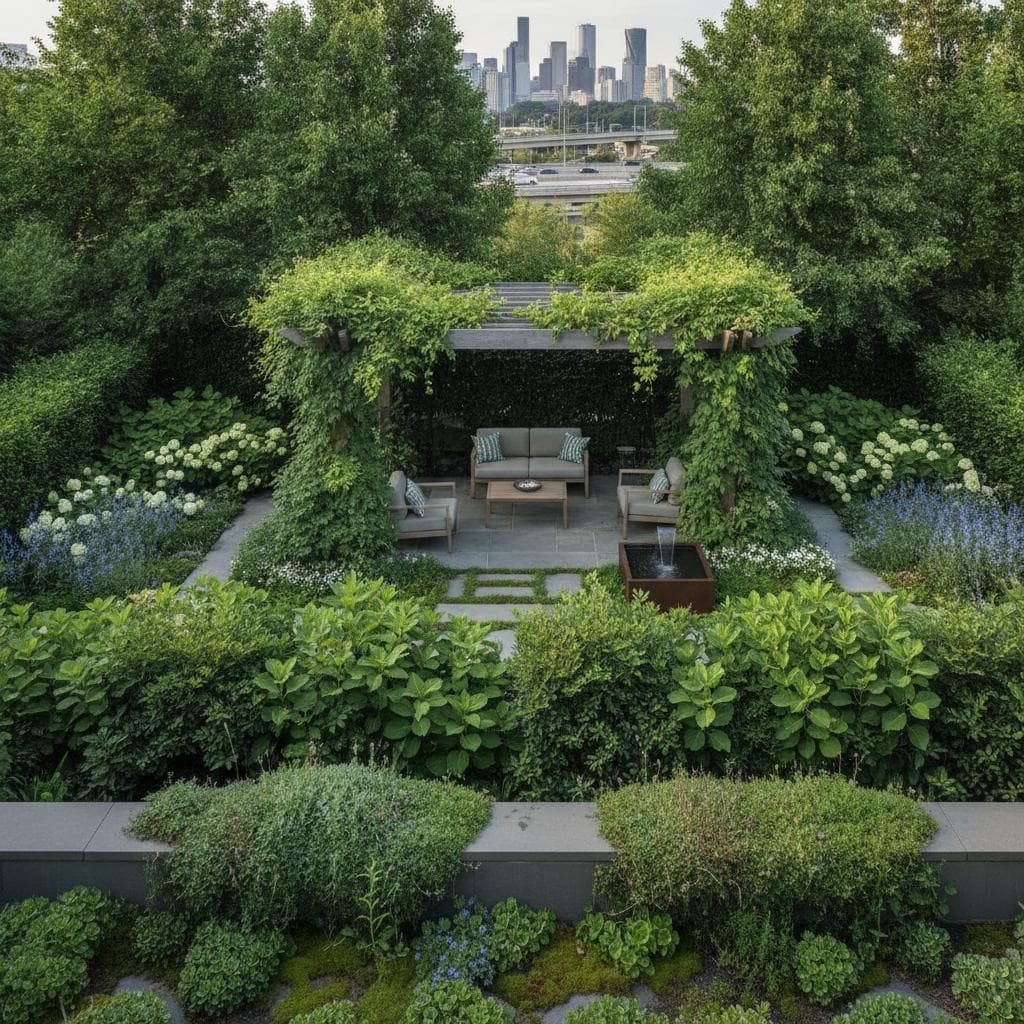
Scandinavian influences suggest organized planting, while Japanese styles embrace irregularity. Achieve harmony: tidy without rigidity, untamed without disorder. Use containers in ceramic or concrete with muted finishes. Arrange in odd groupings for equilibrium. In limited areas, vertical arrangements or herb rows evoke the aesthetic.
Adding Depth with Tactile Layers
Textures prevent minimalism from seeming stark. Japandi employs natural contrasts. Pair rugged stone with polished wood. Set soft linen against firm benches. Place woven rugs for footing. These details build dimension and habitability.
Extend fabrics outside using durable options in subdued shades. Linen-style cushions, cotton blankets, or jute mats provide softness without excess. Comfort integrates as a fundamental aspect.
Adapting Japandi to Everyday Contexts
Japandi accommodates varied scales and circumstances. Balconies with bamboo pots and a lone wooden seat capture the essence. Focus on deliberate choices amid constraints.
For renters or modest budgets, emphasize controllable aspects: hues, substances, and mood. Several potted conifers, a neutral mat, and a basic lantern revamp compact patios.
Families require resilience. Choose low-maintenance flora and robust surfaces. Japandi values simplicity over flawlessness. Allow wood to patina and stones to acquire moss. These developments enrich the narrative.
Embracing and Evolving Your Japandi Space
A completed Japandi backyard invites active engagement. Enjoy morning beverages on stone seating. Read quietly beneath a light cover. Host meals amid candle glow.
As seasons pass, appreciation deepens. The landscape shifts organically, enhancing its allure. Fallen leaves or faded planks contribute rather than detract.
The core lesson lies in selective curation. Each item, shade, and contour must justify inclusion to foster genuine calm.
Steps to Implement Japandi in Your Backyard
Initiate modestly. Select a yard segment and apply Japandi principles: declutter, temper edges, and follow natural cues. Observe mood shifts. Gradually extend this serenity. Through attentive nurturing, transform your outdoor realm into a refuge of equilibrium, repose, and subtle delight.