Quiet Your Yard with Natural Acoustic Garden Walls
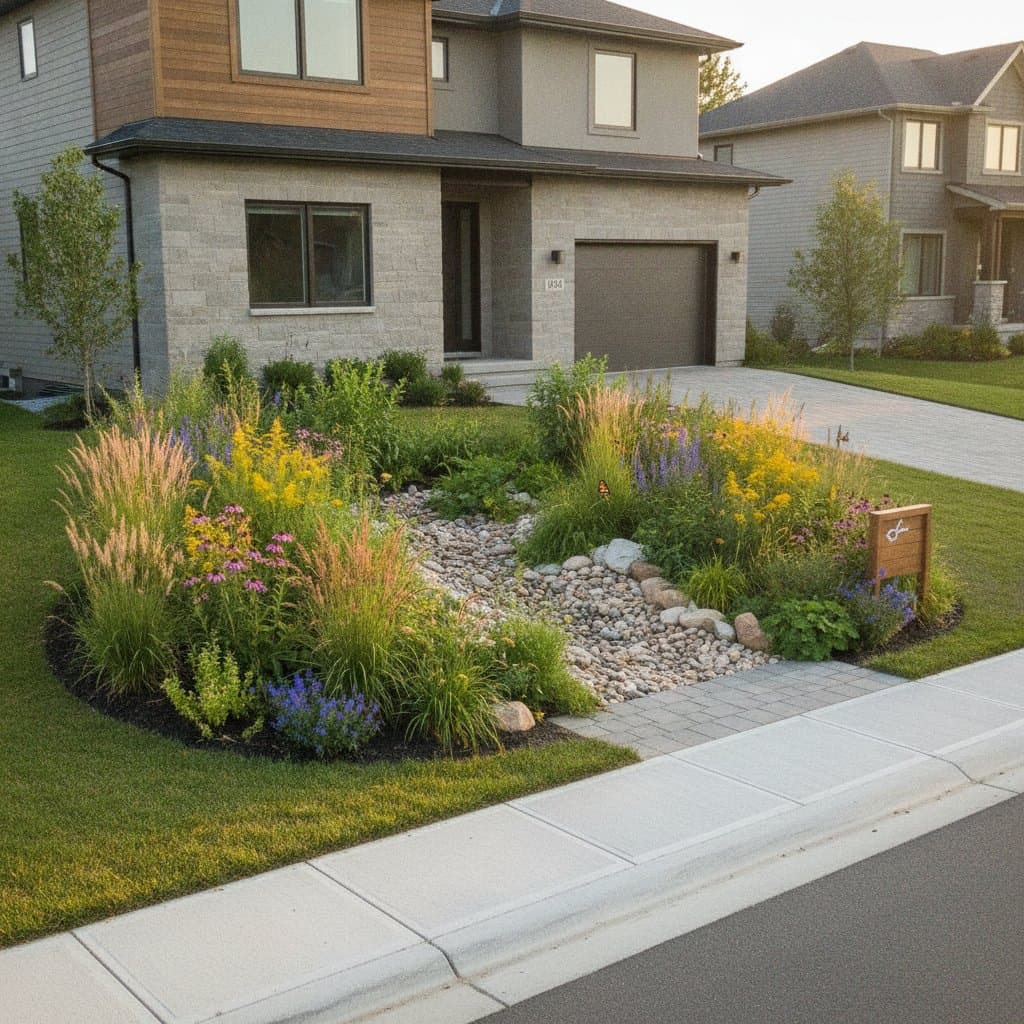
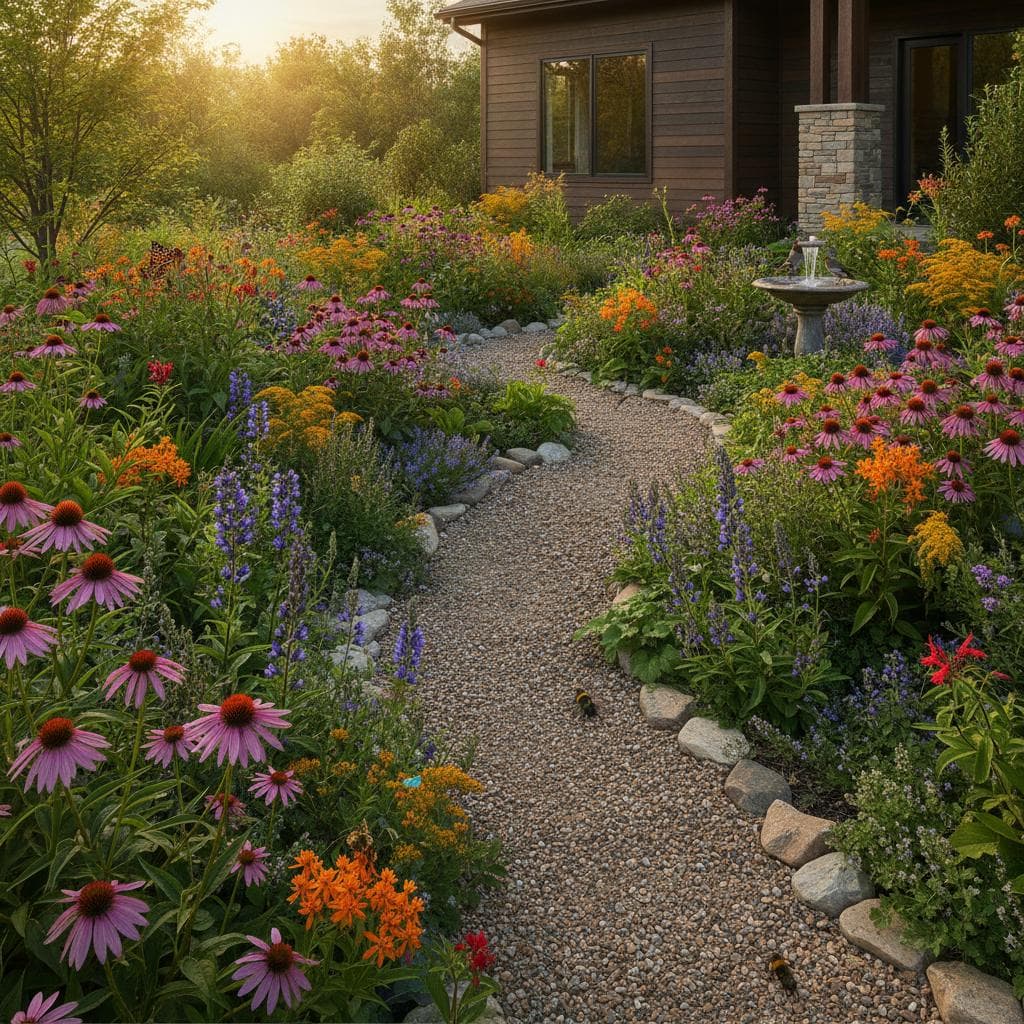
External noise from traffic or neighbors often invades outdoor spaces and shatters relaxation. Concrete walls or plastic fences serve as conventional barriers, yet they frequently look harsh and clash with natural surroundings. Natural acoustic garden walls provide a superior solution by merging solid structures with vibrant plants to absorb sound waves and blend harmoniously with the landscape.
Professionals with more than 20 years in fence construction, retaining walls, and outdoor features emphasize that successful noise reduction stems from layered approaches, not just bulk. Such barriers cannot block all sounds, but strategic combinations of materials, vegetation, and positioning substantially lower noise volumes and revive backyard serenity.
Understanding the Project Scope
Step-by-Step Guide to Building a Natural Acoustic Garden Wall
1. Assess the Noise Source
Observe the yard during times of highest disturbance to identify sound origins and directions. Place the barrier squarely between the noise source and your target quiet area, avoiding placements driven only by appearance along fences.
2. Measure and Mark the Barrier Line
Use stakes and string to define the wall or bed path precisely. Keep lines straight for peak performance, since bends or spaces weaken sound control. Design the setup as one unbroken line without breaks.
3. Prepare the Ground
Remove weeds, rocks, and bumps to form a flat surface. For bases needing support, dig post holes or trenches about six to eight inches deep. In areas relying on plants alone, loosen soil to 12 inches and mix in compost to support strong roots.
4. Build the Structural Base
Assemble the core frame, choosing from fence panels, stone walls, or soil mounds. With wood, attach panels with slight overlaps and seal joints to prevent gaps. Stone work involves stacking blocks with mortar for strength against weather. Mounds require packing soil in layers to resist shifting or washout.
5. Add the Planting Layer
Position shrubs and trees in staggered rows to build thickness. Form two levels at minimum: dense, low evergreens next to the base and higher, looser plants in a back or front row. Space them 12 to 18 inches apart, based on variety, so branches connect as they grow.
6. Finish with Ground Cover and Mulch
Bare earth reflects sounds and invites weeds. Spread two to three inches of organic mulch like shredded bark, or plant creeping covers such as vinca. This soft layer absorbs sharp noises and eases maintenance tasks.
Engaging Professional Expertise
Projects involving retaining walls, heavy stonework, or watering systems call for licensed builders to guarantee safety and durability. In areas with strict property rules, hire a surveyor to confirm positions before digging. Tall structures over eight feet often need review by engineers, especially in windy or earthquake zones.
For plant choices, work with landscape specialists to select types suited to your region's weather, dirt quality, and light conditions. Their guidance avoids errors like weak supports or roots that damage foundations later.
Essential Tips for Optimal Performance
- Prioritize Height. Extend barriers to interrupt both sightlines and sound paths; height generally surpasses width in effectiveness.
- Incorporate Irregularity. Mix plant sizes, fullness, and leaf types to scatter sound better than even setups.
- Integrate Elements. Walls wrapped in foliage excel over plain builds or solo plantings by offering reflection, soaking up, and insulating qualities together.
- Plan for Accessibility. Leave a one-foot gap between structures and greenery for easy trimming, clearing, and checks.
- Select Strategically. Choose evergreens for steady coverage all year, paired with leaf-dropping plants for changing seasonal looks.
Maintain and Enjoy Your Peaceful Outdoor Sanctuary
After setup, the wall shifts a chaotic yard into a haven of quiet and seclusion. Beyond noise control, the design supports wildlife like birds and bees, boosting local ecology. Through tasks like pruning twice a year and refreshing mulch, preserve the wall's function and allure for long-term satisfaction.