AI Mowers Revolutionizing Smart Yard Maintenance
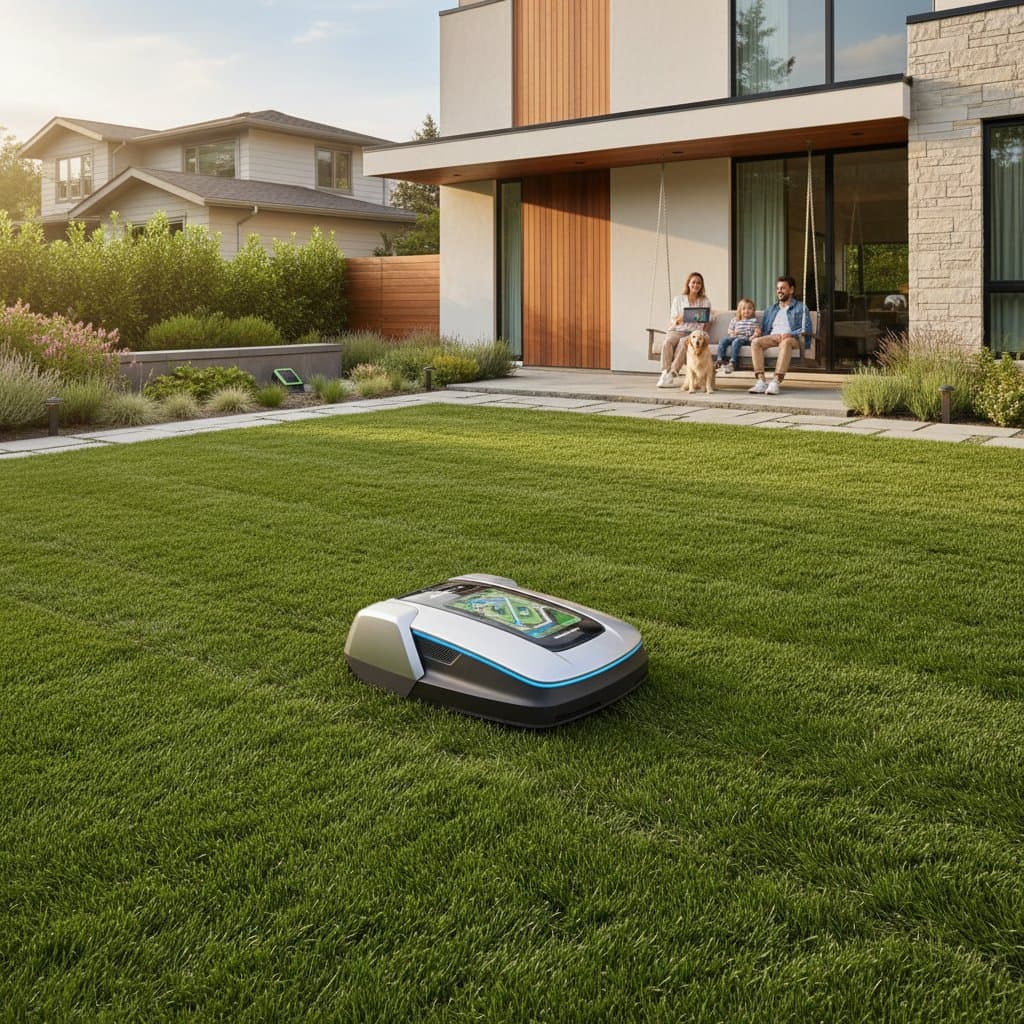
The challenge of maintaining a lawn amid busy schedules is familiar to many homeowners. In urban settings like New York or expansive areas such as the Cotswolds, time constraints often lead to neglected outdoor spaces. The emergence of AI-powered mowers addresses this issue by offering intelligent automation that ensures consistent upkeep without manual intervention.
These devices employ advanced technology to handle yard care efficiently. They integrate artificial intelligence with practical features, making professional-level maintenance accessible to everyday users. Homeowners gain freedom from routine tasks while achieving vibrant, healthy lawns.
Key Takeaways
- AI mowers function autonomously by mapping yard layouts for precise, efficient cutting paths.
Advanced sensors detect obstacles, adjust for weather, and navigate varied terrain seamlessly.
Mobile applications enable remote scheduling, height adjustments, and real-time monitoring.
Electric power sources minimize noise pollution and carbon emissions relative to fuel-based alternatives.
Safety mechanisms protect children, pets, and property during operation.
Long-term savings emerge from lower maintenance costs and eliminated fuel purchases.
How AI Mowers Operate
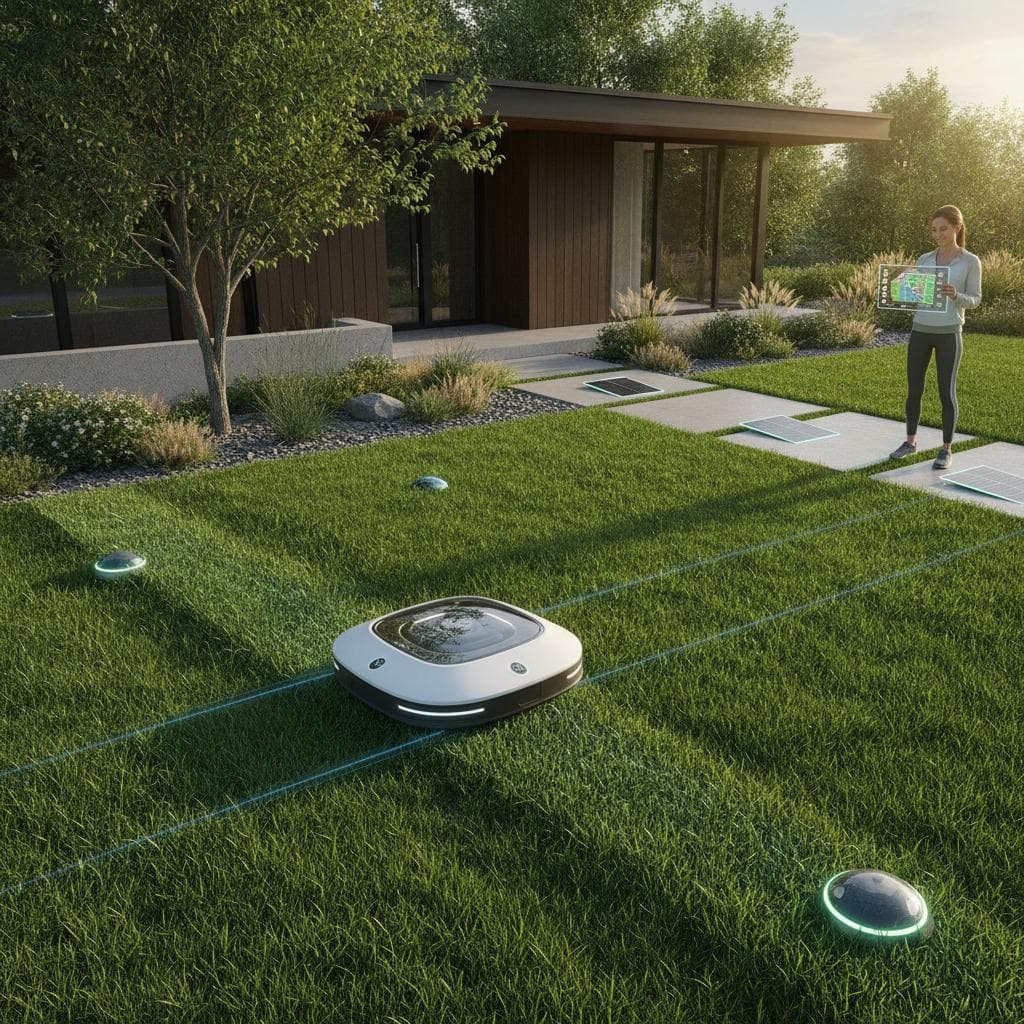
AI mowers rely on a combination of sensors, cameras, and GPS technology to create detailed maps of outdoor areas. Initial setup involves defining boundaries, after which the device systematically explores and memorizes the space. Over time, it refines paths to optimize coverage and conserve energy.
Advanced models incorporate machine learning to analyze factors like grass growth and environmental data. London-based landscape designer Amelia Vaughan notes, "The new AI mowers are more than robotic helpers. They analyze growth rates, weather forecasts, and even soil conditions to optimize mowing schedules." This approach ensures uniform grass height and promotes overall lawn vitality.
Integration with smartphone applications provides user-friendly controls. Owners can establish mowing times, modify blade settings, and receive notifications on progress. Compatibility with smart home ecosystems allows synchronization with weather services to suspend operations during inclement conditions.
Environmental Advantages
Beyond convenience, AI mowers support eco-friendly practices in yard maintenance. Battery-operated designs produce zero direct emissions, unlike gasoline-powered equipment that contributes to air pollution. Efficient routing further reduces energy consumption by shortening operational durations.
In regions like Scandinavia, adoption of these tools aligns with sustainable living principles. Homeowners there favor frequent, light cuts that foster denser turf requiring less irrigation. This technique, known as micro-mowing, enhances root health and water retention.
The mulching function disperses finely chopped clippings back onto the soil, acting as a natural nutrient source. This process diminishes reliance on synthetic fertilizers and aids in conserving soil moisture, particularly in arid conditions.
Setup and Ongoing Care
Installation of an AI mower proves simpler than expected for most users. Begin by installing perimeter wires or using app-based virtual boundaries to outline the work area. Allow the device several runs to familiarize itself with the terrain, much like guiding it through initial explorations.
Once configured, the mower manages tasks independently, returning to its charging station as needed. Routine maintenance includes blade sharpening, wheel inspections, and software updates. These steps demand far less effort than overhauls required for traditional mowers, extending device longevity to multiple seasons.
Selecting the Ideal Model
Choosing an AI mower requires evaluation of specific yard characteristics and user needs.
Essential considerations include:
- Yard dimensions and topography: Opt for models suited to compact, level plots or those capable of tackling inclines and irregularities.
- Battery capacity: Select units that cover full areas per charge or feature automatic docking for recharging.
- Digital features: Prioritize Wi-Fi connectivity, precise GPS, or basic app functionality based on desired control level.
- Durability in elements: Verify resistance to rain and temperature fluctuations for variable climates.
- Anti-theft measures: Look for PIN protection, audible alerts, or location tracking to secure the investment.
Review feedback from comparable users to inform decisions. Families with animals emphasize collision avoidance, whereas owners of expansive properties value robust batteries and broader cutting widths.
Global Perspectives on Innovative Landscaping
Outdoor maintenance varies by culture and geography, influencing how AI mowers integrate into daily life. In French countryside settings, devices accommodate mixed plantings that support biodiversity. Urban London residents utilize them for compact patios focused on leisure.
American suburban traditions highlight manicured fronts as symbols of diligence. AI mowers excel in these contexts by delivering tailored precision. Customizable zones permit preservation of natural elements or play areas alongside trimmed sections.
A visit to Copenhagen illustrated this adaptability. A friend's mower navigated a slim lawn adjacent to edible gardens, operating silently to complement household routines. Such examples demonstrate technology's role in harmonizing innovation with established customs.
Integrating AI Mowers into Daily Routines
Adopting an AI mower yields noticeable enhancements in yard aesthetics and usability. Consistent trimming results in lush, resilient grass that withstands foot traffic. The space becomes more hospitable for gatherings or recreation at any moment.
Quiet performance fosters a serene atmosphere, free from engine clamor. Family members, including children, engage with the technology, prompting discussions on environmental stewardship. Ultimately, these devices alleviate maintenance burdens, encouraging greater enjoyment of outdoor environments.