Quiet Backyards: Acoustic Walls That Block Neighbor Noise
Everyone envisions a peaceful backyard escape for sipping coffee undisturbed by a neighbor's mower or children's drum practice. Outdoor noise disrupts the calm that requires significant effort to establish. Fortunately, strategic design achieves a quieter yard through one effective feature: acoustic walls.
These walls extend beyond mere sound blocking; they shape the outdoor environment into a contained, comfortable, and personalized space. The following sections explain their functionality, optimal materials, and methods to integrate beauty into garden design.
What Defines an Acoustic Wall
A standard fence primarily delineates property boundaries with limited sound reduction. In contrast, an acoustic wall prioritizes density and height to achieve effective quiet.
Height
The barrier must interrupt the direct path of sound from source to listener. Taller walls enhance effectiveness; aim for at least 8 feet where feasible. Always review local building codes prior to construction.
Continuity
Eliminate gaps, cracks, or cutouts, as even minor openings allow substantial sound leakage. Introduce visual elements through plants or surface treatments instead of perforations.
Absorption
Advanced walls incorporate sound-absorbing features, such as internal insulation or textured exteriors. These elements minimize reflections that amplify noise within the yard.
Designing for Sound Reduction and Aesthetic Appeal
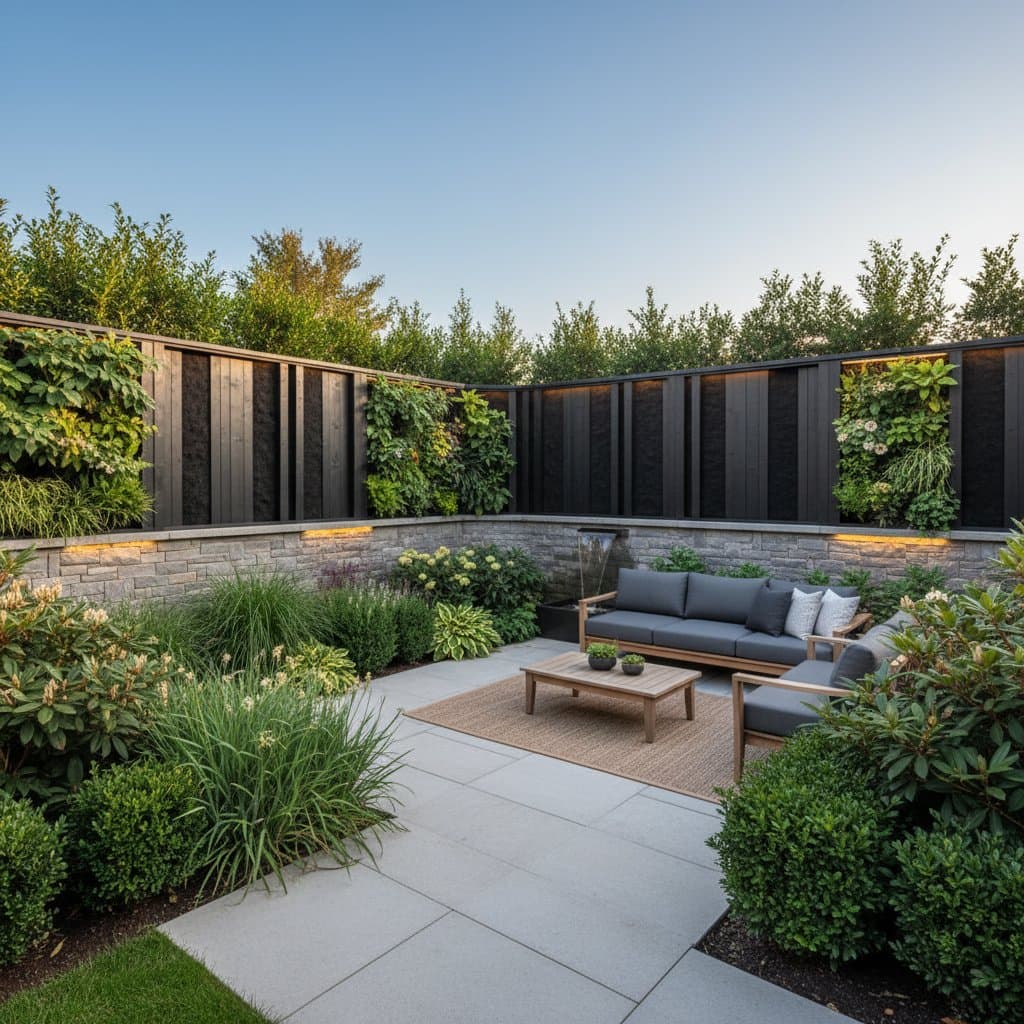
Effective acoustic walls integrate seamlessly into the landscape, avoiding a fortress-like appearance. Balance functionality with style through these approaches.
Layer Multiple Elements
Combine the wall with complementary features like dense hedges, tall ornamental grasses, or water elements. Vegetation absorbs mid-frequency sounds and generates soothing rustles to mask disturbances.
Align Materials with Home Architecture
Ensure harmony with existing structures. Modern homes benefit from sleek concrete or metal panels, while traditional styles suit rugged masonry or stained timber.
Incorporate Visual Rhythm
Break up expansive surfaces with vertical trellises, integrated planters, or subtle lighting. These additions prevent monotony without compromising acoustic integrity.
Manage Sound Reflections
Reflective surfaces like stone paving or pool edges can intensify noise. Counteract them with absorptive additions, such as outdoor fabrics or cushioned seating areas.
Consider Long-Term Maintenance
Opt for durable materials that age well, particularly if incorporating vegetation. Include access panels for periodic cleaning, painting, or replanting.
Practical Alternatives on a Budget
Full-scale acoustic walls may not suit every timeline or budget. Interim solutions provide noticeable improvements while allowing future enhancements.
- Install heavy-duty outdoor curtains along pergolas or lounging zones to dampen sound.
- Position portable acoustic screens adjacent to high-traffic areas for targeted relief.
- Employ oversized planters stocked with thick foliage to form flexible barriers.
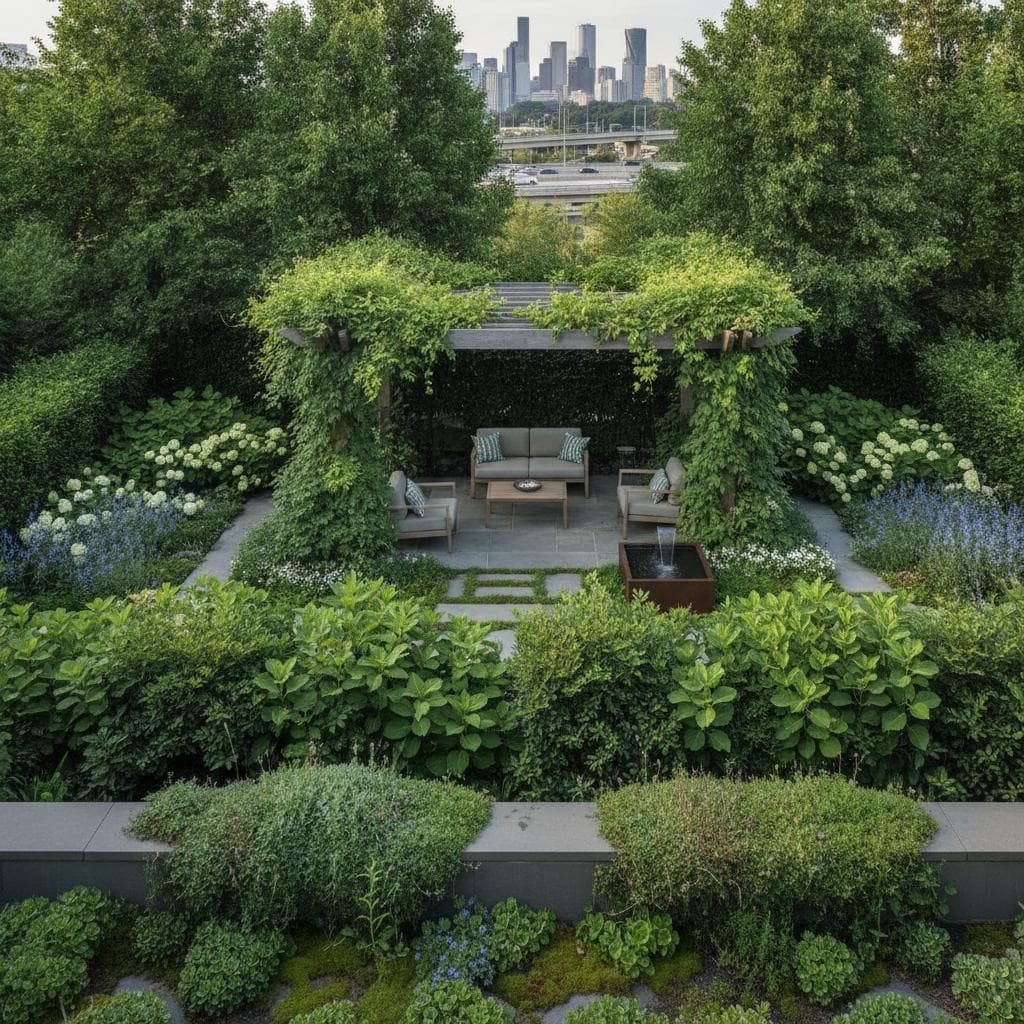
- Integrate white noise sources, such as compact fountains, to overlay and obscure ambient sounds.
These options reduce noise levels substantially, enhancing usability until permanent installations occur.
Enhancing Everyday Outdoor Living
With an acoustic wall installed, the transformation becomes evident immediately. Ambient air feels less intrusive, and private conversations flow naturally. Increased time spent outdoors follows, as the space invites relaxation.
Gradual refinements amplify benefits: introduce fragrant climbers like jasmine for evening ambiance or strategic lighting to accentuate textures. Acoustic design supports ongoing evolution, adapting to garden growth and personal needs.
A quiet backyard emerges from intentional choices that align with desired living patterns, delivering sustained tranquility.