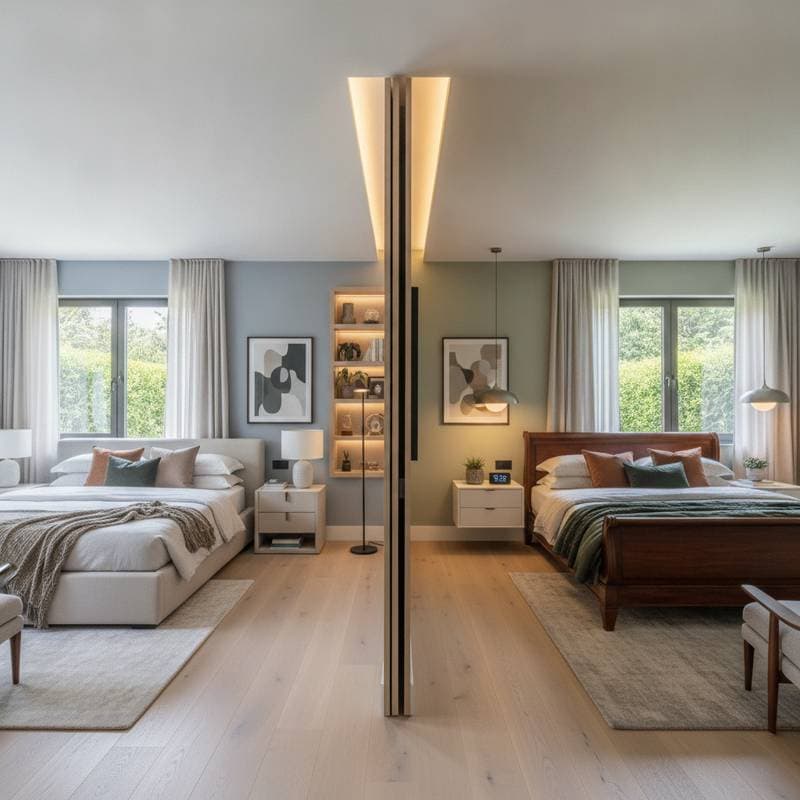
Acoustic Panels: Blending Function and Aesthetics in Dining Rooms
The lively atmosphere of family dinners or social gatherings holds undeniable appeal. However, when sounds reverberate off hard surfaces, the environment can turn chaotic. This issue became evident to me upon relocating from a compact New York apartment, abundant with soft furnishings, to a Cotswolds farmhouse featuring stone floors and lofty ceilings. The persistent echoes transformed every meal into an unintended symphony, prompting the exploration of acoustic panels as both practical solutions and aesthetic enhancements.
Key Takeaways
- Acoustic panels serve dual purposes: they absorb sound effectively while serving as decorative elements that elevate room aesthetics.
- Strategic placement proves as crucial as design selection, significantly influencing the auditory and visual experience of the dining area.
Contemporary panels feature diverse textures, hues, and motifs that integrate seamlessly with various interior styles.
Accessible DIY options and cost-effective solutions enable both renters and property owners to implement acoustic improvements without extensive commitments.
Addressing Noise Challenges in Dining Areas
Dining rooms frequently incorporate reflective materials such as wooden tables, ceramic floors, glass enclosures, and smooth walls, all of which amplify sound. Multiple conversations overlap, rendering dialogue difficult, while incidental noises from utensils and seating adjustments intensify the disruption. Households with children encounter this amplified chaos during bursts of laughter or play.
Such acoustic problems extend beyond spacious residences. Urban apartments with open layouts merge dining, cooking, and lounging zones, exacerbating echo in confined areas. Interior designer Clara Jensen of London observes, "Sound travels unimpeded through interconnected spaces, and absent absorbent materials, even modest rooms descend into disorder." She emphasizes achieving equilibrium: "The space requires vitality and vibrancy, yet must also provide ease and intelligibility."
Integrating Acoustic Panels into Design
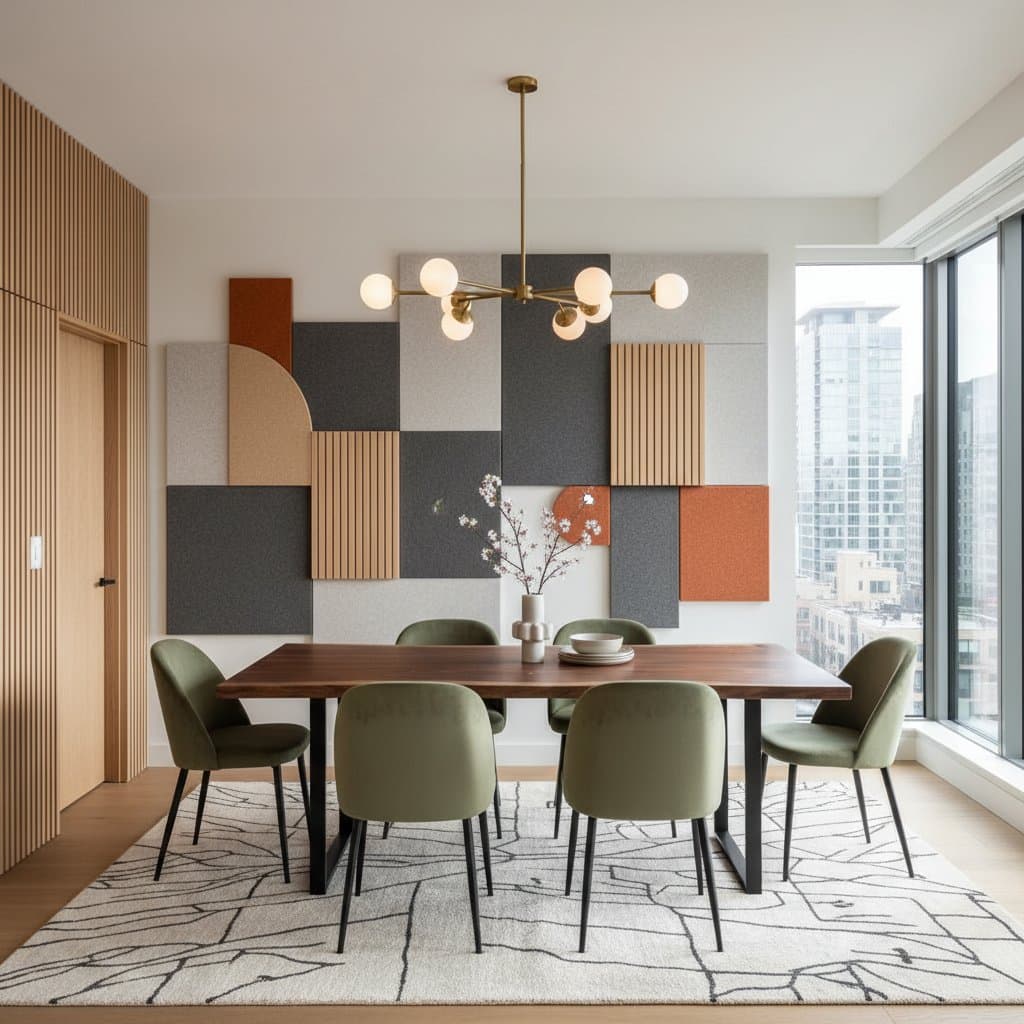
Traditional perceptions of acoustic panels evoke utilitarian office fixtures or studio padding. Current innovations, however, present an array of materials and finishes that harmonize utility with elegance. Options like felt, cork, fabric coverings, and wooden veneers effectively dampen noise while introducing depth and character.
In my farmhouse dining room, linen-clad panels in neutral earth tones align with the existing scheme, functioning as expansive artworks that spark discussions. A colleague in Paris selected angular felt panels in subdued pastels, yielding a whimsical contemporary vibe. Both implementations foster tranquility without sacrificing individuality.
Acoustics expert Marco Delaney notes that optimal absorption occurs at primary reflection zones. These encompass walls where vocal projections or utensil sounds rebound prominently. He advises, "Addressing just one or two such surfaces yields substantial echo mitigation."
Selecting Panels Aligned with Your Aesthetic
Acoustic panels offer remarkable adaptability, allowing them to either complement or accentuate surroundings. Consider these tailored choices:
- Fabric-enveloped panels: Suited to classic or rustic dining settings, they provide a refined, cushioned profile. Opt for organic textiles such as linen or cotton mixes to evoke natural serenity.
- Wooden slat configurations: These enhance modern or Nordic designs, introducing linear patterns that temper acoustics discreetly.
- Felt modular tiles: With extensive color and form varieties, they appeal to those seeking bespoke arrangements, particularly renters avoiding structural changes.
- Cork-based panels: Eco-conscious and inviting, cork integrates well into diverse or free-spirited decors.
For limited vertical surfaces, explore ceiling-suspended absorbers or padded seating alternatives. Supplementary elements like expansive rugs or textile table overlays further aid in sound control. Each absorbent addition contributes cumulatively.
Guidelines for Installation and Positioning
Effective acoustics demand intentional positioning alongside aesthetic appeal. Begin by pinpointing acute sound zones: produce a sharp clap and note lingering reverberations to locate key reflections. Typical targets include walls facing expansive tables, overhead areas above seating, and regions adjacent to glazing.
Achieve symmetry by spacing panels uniformly across surfaces, avoiding concentration on singular walls. Incorporate them alongside conventional artwork to form curated displays. Numerous manufacturers now craft panels mimicking fine art, preserving expressive elements while optimizing sound.
Installation simplifies for self-directed projects. Products often include adhesive backings or minimal hardware for secure, lightweight attachment. Renters benefit from non-invasive methods like detachable tapes or ornamental fixtures that safeguard surfaces.
Drawing from International Design Traditions
Global practices offer insightful approaches to acoustic harmony. French provincial dwellings employ substantial drapes and cushioned furnishings to naturally diffuse echoes. Japanese spaces utilize superimposed fabrics and partitions for auditory and visual delineation. Nordic environments favor inherent absorbers such as woolen textiles and timber, upholding minimalism.
Adopting these principles crafts dining areas that reflect worldly sophistication alongside personal nuance. My experiences in France highlighted textural impacts: substantial linen hangings paired with coarse plaster tempered the stone underfoot. Upon returning to London, this insight guided selections of relief panels emulating interlaced weaves, infusing coziness, curbing resonance, and bridging cultural influences.
Enduring Advantages of Acoustic Enhancements
Acoustic panels extend value far beyond mere silencing. They facilitate fluid exchanges, amplify musical nuances, and cultivate reposeful settings. Families enjoy diminished vocal strain and heightened mealtime pleasure, while hosts ensure effortless guest interactions.
These modifications promote psychological ease, vital for post-workday unwinding. In multifunctional rooms serving study or professional needs, refined soundscapes bolster focus. The enduring returns manifest in heightened daily satisfaction and spatial harmony.