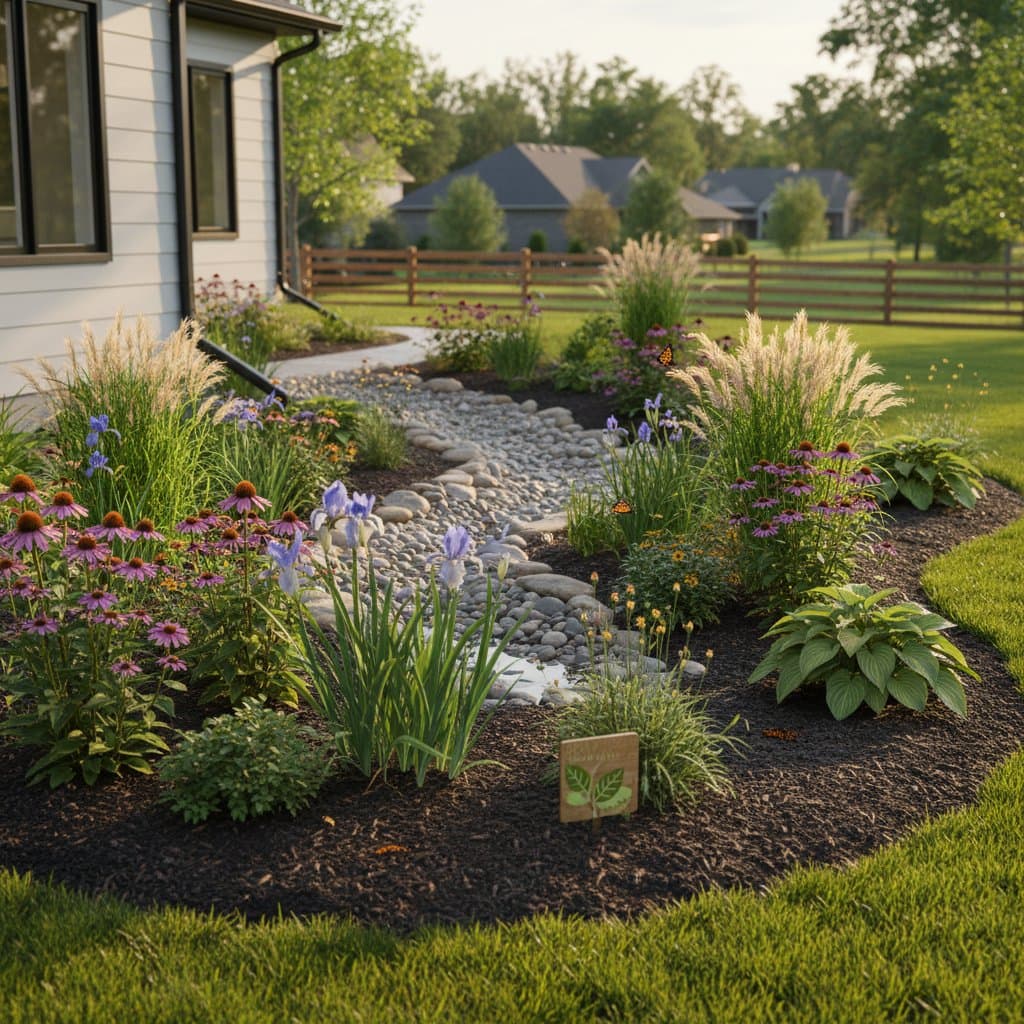
The Science of Rain Gardens
Rain gardens function through basic hydraulic processes. Rainfall on impervious surfaces like roofs and driveways generates runoff laden with pollutants such as oil, fertilizers, and sediments. Traditional storm drains transport this water away without purification, leading to environmental issues.
A rain garden captures this flow in a shallow depression. Sediments settle as water slows, then percolates through layered soils and plant roots that trap contaminants. Soil microbes degrade organic matter, while roots anchor the ground and facilitate deep water penetration.
This design restores natural water cycles disrupted by urbanization. Rain gardens recharge aquifers, mitigate flooding, and enhance water quality. They also foster habitats for insects, birds, and wildlife.
Evaluating Your Site
Selecting the Location
Position the garden to intercept runoff from impervious areas, maintaining at least ten feet from building foundations. Place it downhill from sources like downspouts or driveways, avoiding low spots prone to pooling.
Testing Soil Permeability
Perform an infiltration test by digging a one-foot-deep hole, filling it with water, and timing drainage. Refill after initial absorption and note the rate. Amend clay-heavy soils with sand and compost if drainage exceeds 24 hours.
Analyzing Slope
Aim for a one to ten percent grade. On steeper slopes, incorporate terracing or divide into smaller gardens to control erosion.
Assessing Sunlight
Native plants prefer full to partial sun. In shaded sites, select shade-tolerant species to match conditions.
Calculating Runoff
Measure the contributing impervious area and multiply by regional average rainfall. This determines basin dimensions; for instance, 1,000 square feet of roof might need a 200-square-foot garden.
Planning Your Project
Thorough planning supports durability and efficiency.
Essential Tools
Gather a shovel, spade, level, measuring tape, garden hose, wheelbarrow, rake, and tamping tool.
Required Materials
Select native plants for fluctuating moisture, compost, sand, optional gravel underlay, mulch, and border stones.
Safety Measures
Locate utilities before excavation. Work in dry conditions to avoid soil compaction. Wear gloves and eyewear.
Design Basics
Excavate to four to eight inches deep, sizing the basin at 20 percent of the draining area. Form a level-bottomed bowl with sloping sides. Include an entry point for inflow and an overflow path to grass or drains.
Building the Rain Garden
Follow these steps for construction.
Step 1: Mark and Dig
Outline with hose or string, then excavate evenly. Pile removed soil into a downhill berm for containment.
Step 2: Prepare Soil Mix
Combine 50 to 60 percent sand, 20 to 30 percent compost, and native topsoil. Fill to two feet deep for root support and filtration.
Step 3: Compact and Shape
Tamp soil lightly for stability, preserving the bowl form. Verify evenness with a level.
Step 4: Set Up Inflow
Extend downspouts with pipes or use gravel-lined swales for driveways. Stone the entry to resist washout.
Step 5: Choose and Plant
Select moisture-adaptive natives: water-loving iris or sedges in low zones, mid-level bee balm or coneflowers, and edge switchgrass. Layer for height, centering taller plants.
Step 6: Apply Mulch
Spread two to three inches of shredded hardwood mulch, keeping it from stems. This suppresses weeds and stabilizes during rains.
Step 7: Establish Plants
Water deeply post-planting, continuing through the first season. Mature gardens need little irrigation.
Verifying Performance
Monitor key indicators for optimal function.
-
Test Drainage: Post-rain, ensure complete infiltration in 24 to 48 hours. Adjust soil or depth if needed.
-
Check Erosion: Bolster inflow and overflow with stones or plants if scouring occurs.
-
Observe Plants: Replace underperformers in year one.
-
Clear Debris: Remove sediments regularly to sustain flow.
-
Refresh Mulch: Add annually for coverage.
Ongoing Maintenance
Established rain gardens demand minimal effort, with seasonal checks.
Spring Care
Clear debris, prune perennials, and level settled areas.
Summer Duties
Weed invasives, water if dry, and clear channels.
Fall Work
Trim spent growth, leaving seeds for wildlife, and mulch for winter.
Regular upkeep prolongs effectiveness.
Environmental and Practical Advantages
Rain gardens ease municipal drain burdens and filter pollutants before they reach streams. Community-wide use cuts flood risks and boosts biodiversity, attracting pollinators with native blooms.
Homeowners gain aesthetic appeal, reduced watering bills, and potential property value increases through sustainable features.
Budget and Execution
DIY projects cost less than engineered drains, especially with natives and reused materials. Basic tools suffice for small sites; professionals suit complex terrains.
Balance scale with resources for long-term success.
Expert Recommendations
-
Begin with a small plot to test and refine.
-
Prioritize locals for resilience.
-
Pair with barrels or permeable surfaces.
-
Track rain flows for adjustments.
-
Design overflow safeguards.
-
Log observations for improvements.
Creating Your Sustainable Feature
Convert runoff challenges into ecological assets through deliberate design and care. This approach yields a resilient landscape that safeguards property, conserves resources, and enriches the local ecosystem.