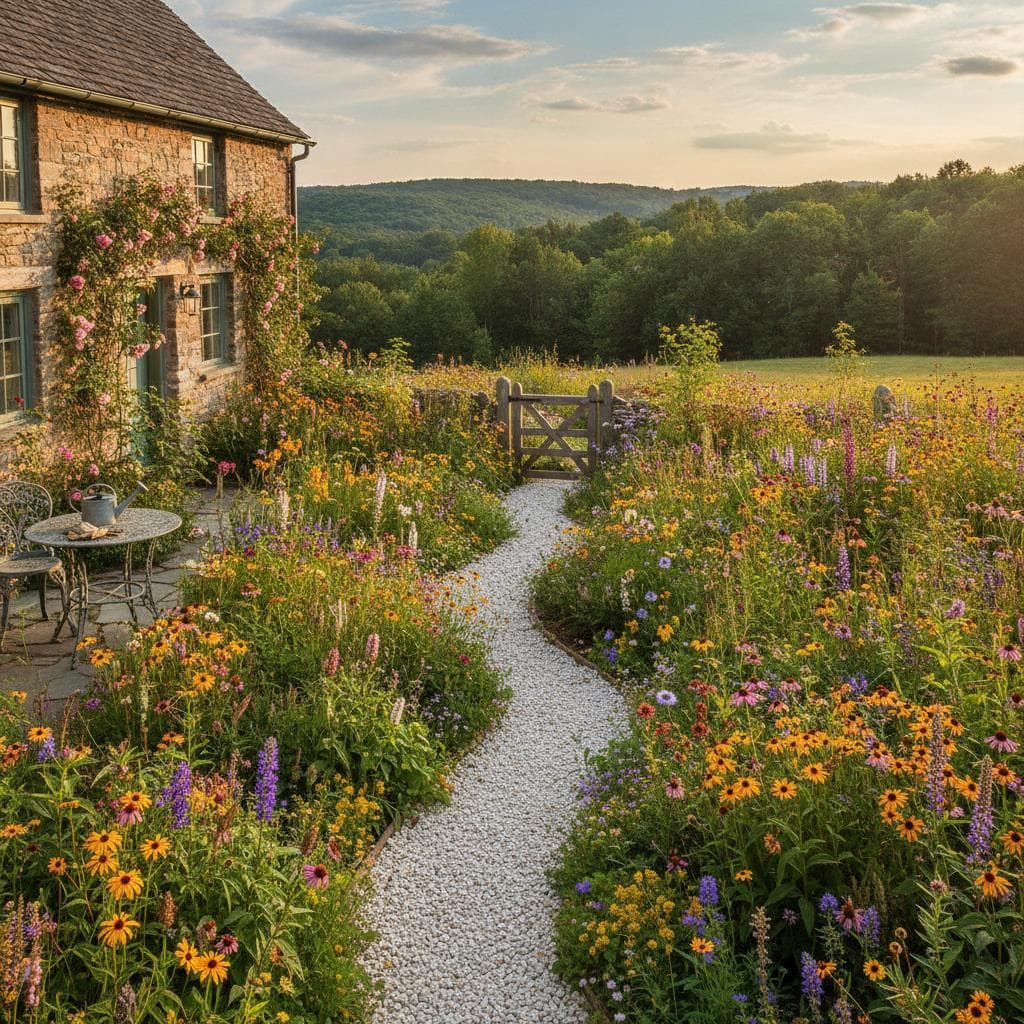
Gravel Gardens: 2025's Smart Swap for Water Savings
Homeowners often gaze at patchy lawns during dry spells and seek better options. Traditional lawns dominate residential landscapes, yet they require substantial water, fertilizer, and upkeep. As conservation efforts grow, gravel gardens emerge as a practical, low-maintenance choice that preserves aesthetic appeal.
The Real Problem with Traditional Lawns
Maintaining a vibrant lawn hinges on reliable irrigation, regular mowing, and consistent fertilization. Water shortages or intense heat cause rapid browning, even under diligent care. These demands strain both finances and schedules.
Lawns often clash with local conditions. Many spend considerable sums attempting to cultivate grass in unsuitable soil or shaded spots, leading to ongoing frustration. In truth, grass suits few environments perfectly. A gravel garden offers a superior approach, fostering beauty and utility in harmony with nature.
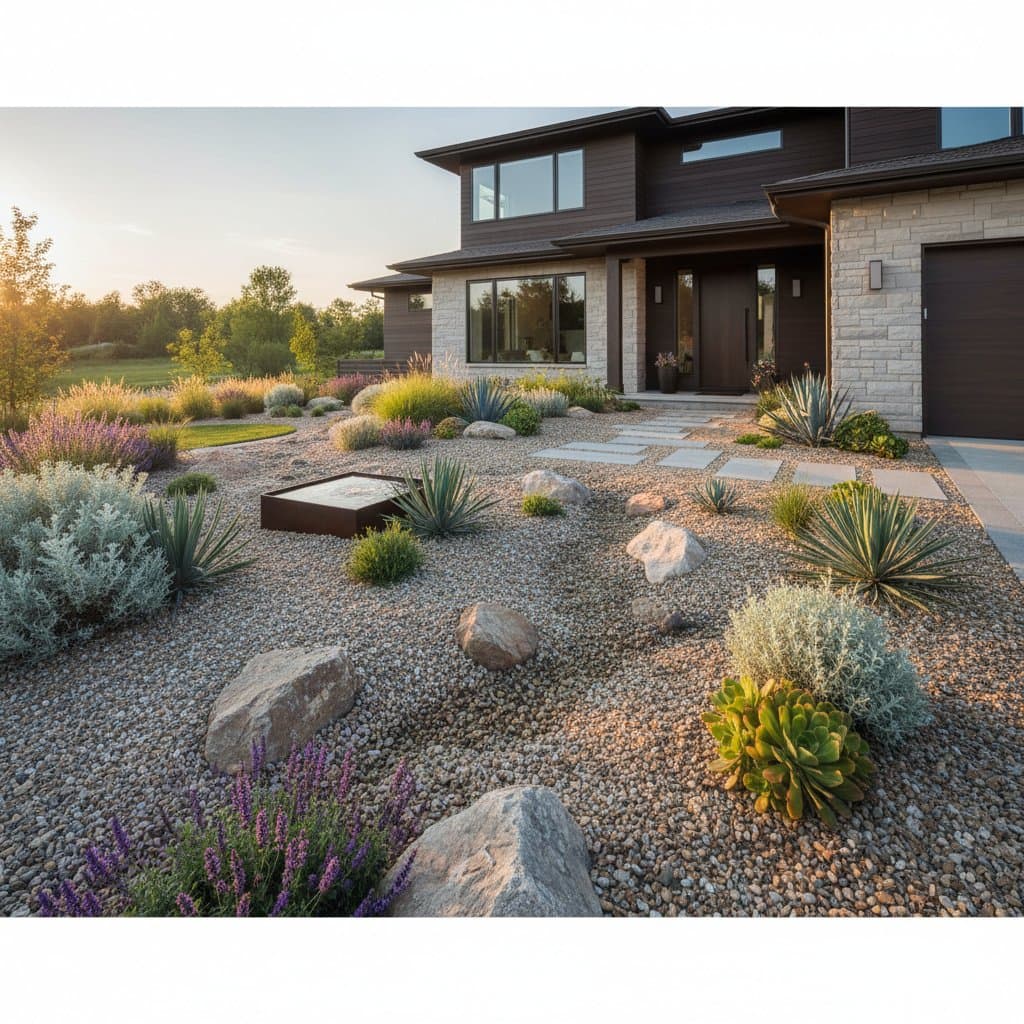
What a Gravel Garden Actually Is
Before You Begin: Planning and Preparation
Assess your yard comprehensively before removing turf. Effective gravel gardens demand thoughtful strategy. Consider these elements:
- Sunlight and Drainage: These gardens excel in sunlit zones with permeable soil. Address low-lying puddles through regrading or installing French drains.
- Soil Quality: Fertile soil proves unnecessary, but a firm base is essential. Aerate dense earth using a broadfork or rototiller to facilitate root penetration.
- Plant Selection: Opt for arid-adapted varieties suited to your locale. Consult regional nurseries for indigenous options that endure drought.
- Design Layout: Incorporate gravel strata and planting zones for dimension. Blend coarse and fine elements with varying elevations to avoid monotony.
Tools and Materials You Will Need
Assemble these essentials for a typical installation:
- Wheelbarrow and shovel for transport and excavation
- Garden rake for smoothing surfaces
- Landscape fabric or geotextile barrier to deter weeds
- Edging (such as aluminum strips, bricks, or flagstone) for boundaries
- Gravel types including 3/8-inch pea gravel, crushed granite, or polished river stones
- Drought-resistant flora like agave, salvia, or groundcover sedums
- Organic compost or sandy amendments for planting zones
For expansive projects, rent a vibrating plate compactor to firm the base. Compact spaces rely on manual implements.
Step-by-Step: Installing a Gravel Garden
1. Clear the Area
Eliminate grass, weeds, and refuse. Employ manual extraction or a sod cutter for broad expanses. Extract roots thoroughly to thwart resurgence.
2. Grade the Surface
Even the terrain with a gentle incline directing runoff from structures. Precision here prevents future complications; inadequate slopes invite pooling.
3. Install Edging
Position borders to contain gravel. Aluminum provides sleek lines, whereas masonry imparts rustic charm.
4. Lay Landscape Fabric
Apply durable weed-suppressing material over the ground. Anchor with pins, ensuring overlaps exceed six inches to seal gaps.
5. Add Gravel
Distribute a 2- to 3-inch stratum uniformly. Rake for even coverage. Pathways benefit from 4-inch depths to withstand traversal.
6. Create Planting Pockets
Slice X-incisions in the fabric at desired spots. Excavate below, incorporate amendments like potting mix, and insert plants. Surround bases with gravel for stability.
7. Water and Settle
Saturate thoroughly at outset to compact soil and initiate rooting. Subsequent needs vary by flora, typically limited to deep soaks every two weeks in arid phases.
Common Problems and How to Avoid Them
Weed Growth: Fabric curbs most intrusions, yet persistent seeds penetrate. Extract seedlings promptly to limit proliferation. Favor manual removal over herbicides to protect companions.
Poor Drainage: Muddy gravel post-rain signals underlying compression. Aerate subsoil or augment depth to enhance percolation.
Plant Failure: Non-viable specimens often mismatch site conditions. Substitute with hardier alternatives, such as switching tender perennials for robust natives.
When to Call in a Professional
DIY suits modest beds or accents. Large transformations or intricate topography warrant expert involvement. Professionals manage excavation, hydrology, and procurement adeptly.
Seek counsel if soil relocation exceeds one cubic yard or alters runoff patterns. Initial advice averts costly corrections.
Long-Term Care and Maintenance
These gardens require periodic attention, not neglect. Conduct biannual inspections: clear debris, replenish gravel, and evaluate vegetation.
Vigilance against edge weeds and invasives preserves order. Light interventions sustain elegance across seasons.
Making It Happen
Transitioning to gravel redefines landscapes for efficiency. It conserves resources, eases labor, and yields refined exteriors. Commence modestly, perhaps with a border, to build confidence.
Homeowners frequently evolve from doubt to enthusiasm upon witnessing durability. Thoughtful execution yields sustainable, striking results. Reconsider routine irrigation; opt for enduring alternatives instead.