Understanding AI Lawn Robots
AI lawn robots represent a significant advancement in residential yard care. These devices automate mowing, trimming, and monitoring tasks with precision that rivals professional services. Homeowners benefit from reduced physical labor and consistent results that enhance property appeal.
Key features include autonomous navigation and real-time adjustments. Users set initial parameters through simple apps, after which the robots operate independently. This technology appeals to busy professionals and environmentally aware individuals seeking efficient solutions.
Core Technologies Driving Performance
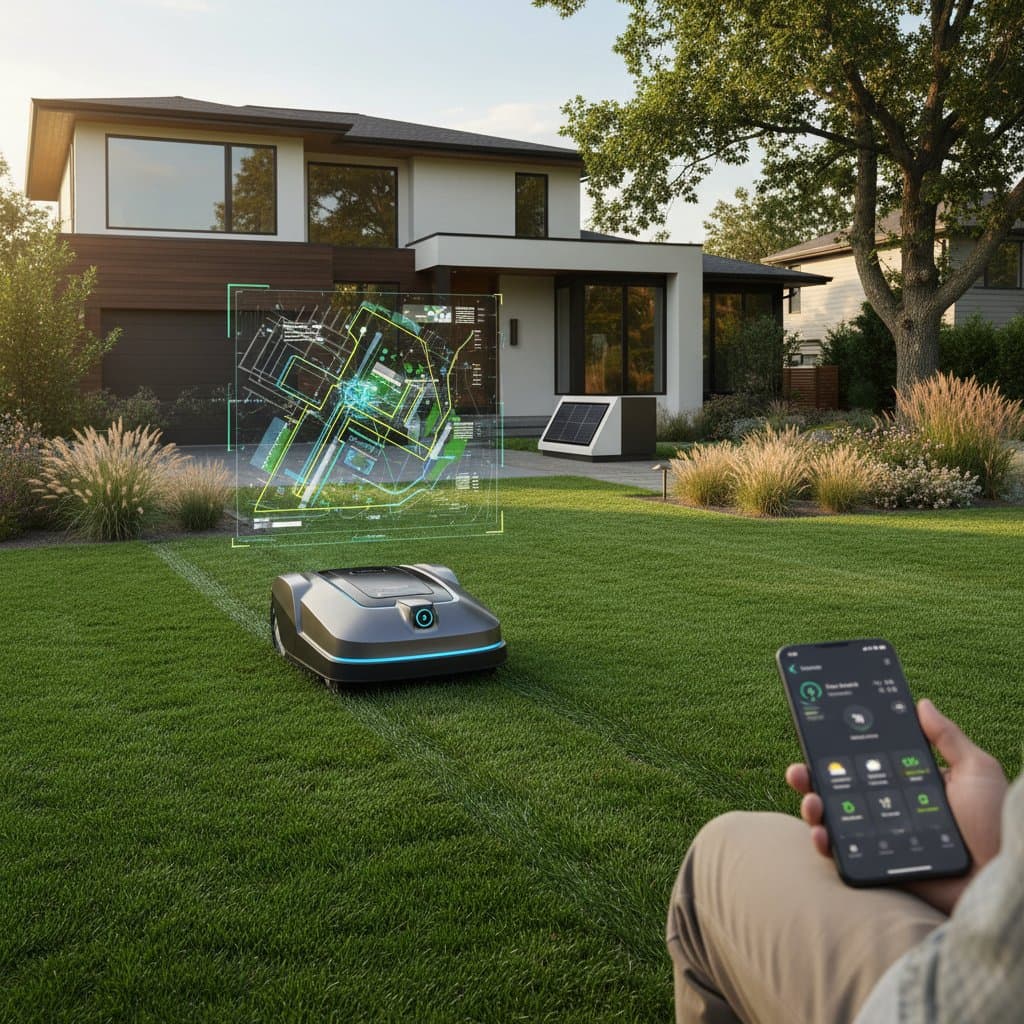
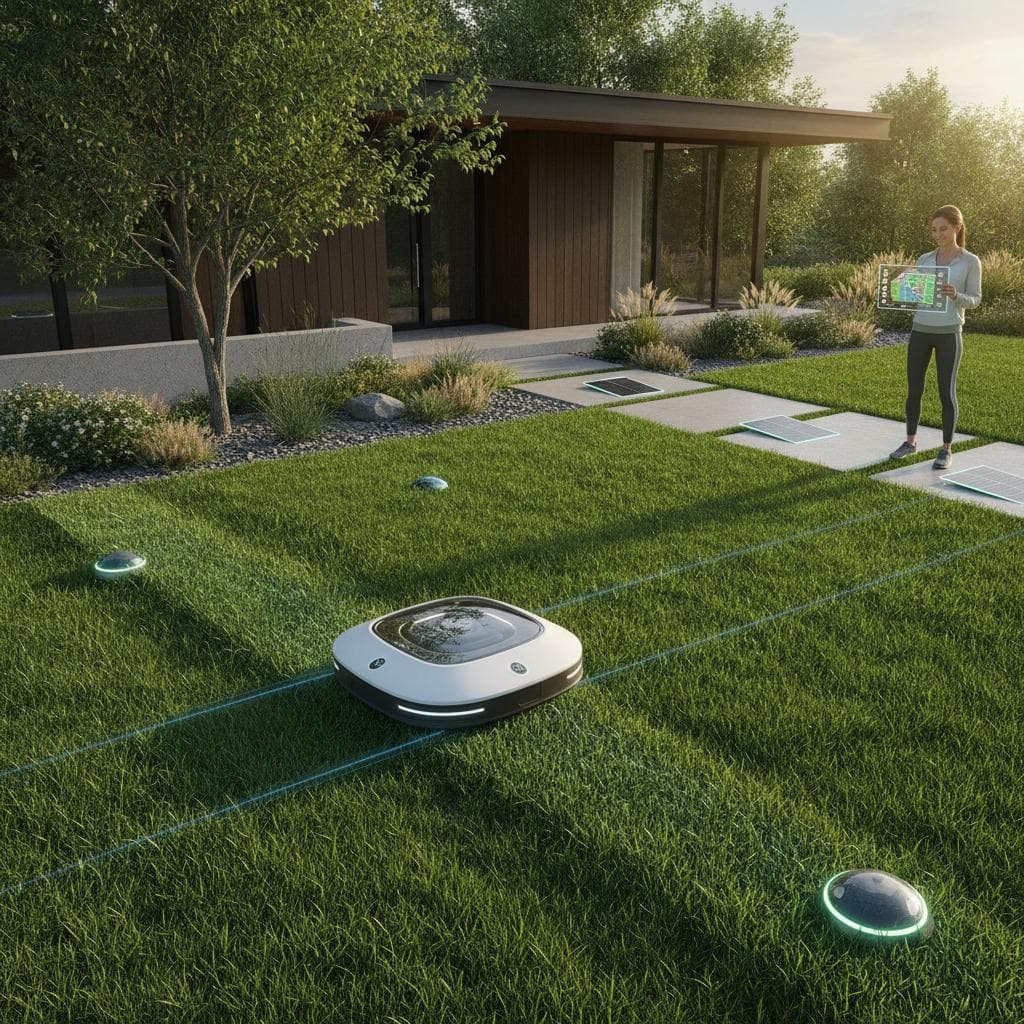
At the heart of these robots lie sophisticated sensors and algorithms. Visual recognition systems scan the yard to create detailed maps, eliminating the need for boundary wires in many models. The robots identify grass types, slopes, and fixed obstacles like trees or patios.
Beyond Basic Mowing: Comprehensive Yard Monitoring
Advanced models extend functionality to soil and plant health. Embedded sensors measure moisture levels and pH balance, alerting users via app notifications. Recommendations for watering or amendments arrive based on data trends, promoting healthier growth without over-intervention.
Pest detection uses image analysis to spot early signs of infestations. The system logs patterns and suggests organic treatments. This proactive approach minimizes chemical use, aligning with sustainable practices that benefit local ecosystems.
Seamless Integration with Smart Homes
Compatibility with platforms like Amazon Alexa or Google Home enables voice-activated controls. Homeowners issue commands such as "start mowing now" or "schedule a trim for Saturday." Apps provide live views, historical data, and customization options for patterns like stripes or checkerboards.
Learning capabilities allow robots to adapt to user habits. Over weeks of operation, the AI notes preferences, such as avoiding certain areas during pet playtime. This personalization turns the device into a responsive partner in yard management.
For multi-device households, synchronization ensures coordinated efforts. The lawn robot might pause if a sprinkler activates, optimizing water usage. Such integrations create a unified smart outdoor environment.
Insights from Industry Experts
Professionals in landscaping and technology highlight the rapid adoption of these tools. Demand surges alongside other connected devices, with sales data showing a 40 percent year-over-year increase in robotic mowers. Analysts predict further integration with augmented reality for virtual yard planning.
Designers emphasize aesthetic benefits. A well-maintained lawn boosts curb appeal and property values by up to 10 percent, according to real estate studies. Eco-experts praise reduced emissions compared to gas-powered alternatives, supporting broader green initiatives.
Manufacturers focus on refinements like noise reduction below 60 decibels and battery life exceeding 120 minutes per charge. Customizable schedules accommodate seasonal changes, ensuring year-round performance in varied climates.
Everyday Benefits and Practical Adoption
Integrating an AI lawn robot simplifies routines. Setup involves placing the docking station in a shaded, accessible spot and mapping the yard via the app, a process that takes under 30 minutes. Initial costs range from $800 to $2,500, with savings on professional services recouping the investment within two years.
Daily life improves through reclaimed time. Weekends shift from chores to leisure, fostering family moments outdoors. The device's quiet operation disturbs neither neighbors nor wildlife, maintaining neighborhood harmony.
Maintenance requires occasional blade sharpening and sensor cleaning, tasks that take minutes monthly. Firmware updates enhance features remotely, keeping the robot current without user effort.
Embracing Sustainable Yard Care Practices
These robots encourage mindful environmental stewardship. By optimizing cuts and monitoring resources, they conserve water and reduce waste. Homeowners achieve lush lawns with minimal inputs, contributing to biodiversity in urban settings.
Future developments promise even greater autonomy, such as solar charging and AI-driven planting suggestions. Adopting this technology positions yards as extensions of efficient, intelligent homes. The result is lasting tranquility and a thriving landscape that requires little beyond appreciation.