Key Points
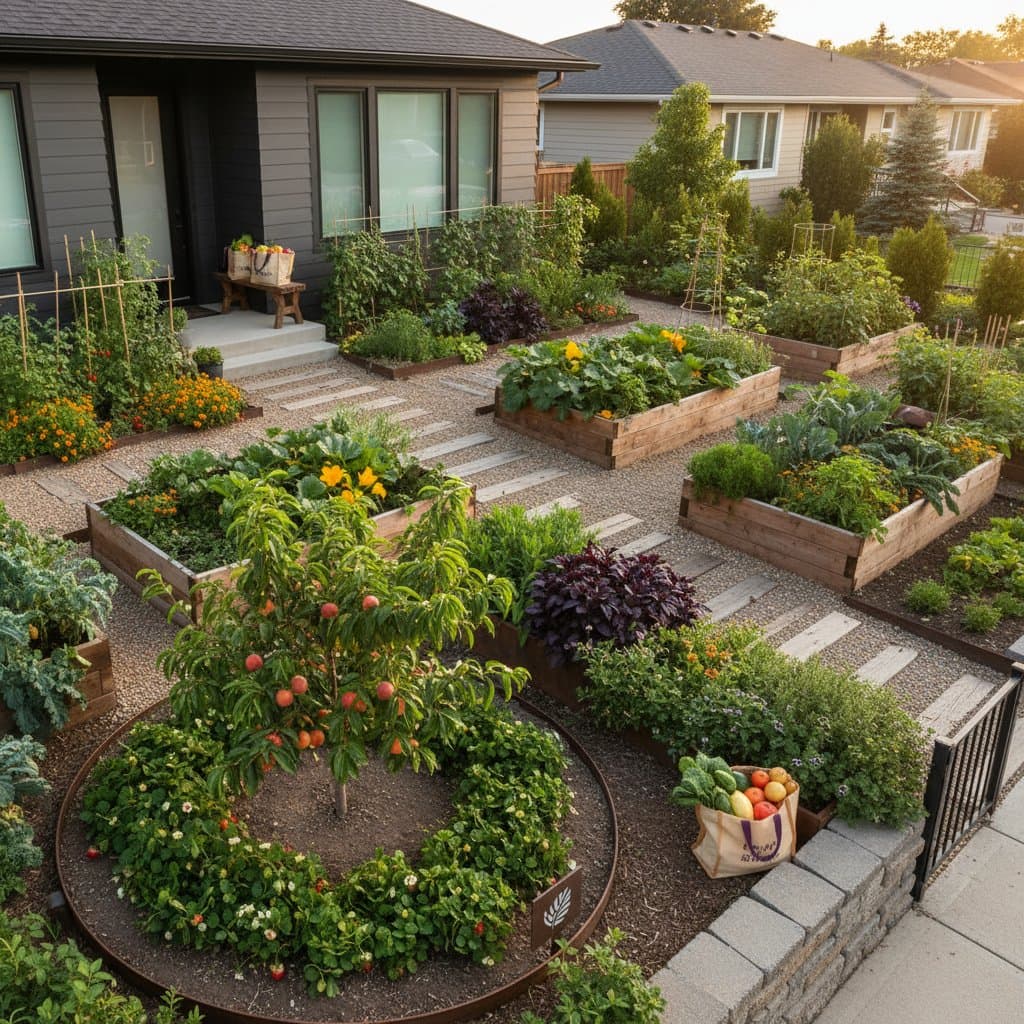
- Replace water-intensive grass with edible plants to conserve resources, reduce upkeep costs, and harvest nutritious vegetables and fruits year-round.
- Design front yard gardens to spark conversations with neighbors and elevate visual appeal through vibrant, layered plantings.
- Select ornamental edibles like colorful kale varieties or berry bushes that integrate seamlessly into decorative schemes.
- Research local regulations, as many areas now permit or encourage front yard food gardens with incentives for sustainable practices.
- Implement strategic layouts to boost home value by demonstrating environmental stewardship and creating multifunctional outdoor spaces.
The End of the Lawn Era
The manicured lawn once stood as a hallmark of suburban achievement and conformity. Neighborhood covenants and societal norms upheld this standard, viewing lush green expanses as essential to property prestige. However, sustaining such landscapes requires substantial effort and resources.
Beauty Meets Utility in Edible Designs
A common myth holds that edible gardens sacrifice elegance for function. In truth, numerous food-producing plants offer striking visual elements. Consider the vibrant hues of Swiss chard leaves or the graceful arcs of asparagus spears rising from the soil.
Professional landscapers approach these spaces as dynamic compositions. They incorporate curving borders of lavender for scent and color alongside rows of compact tomatoes. Espaliered fruit trees against fences provide both shade and seasonal blooms, enhancing architectural lines.
Thoughtful placement ensures harmony. Group sun-loving peppers near walkways for easy access, and intersperse flowering herbs like borage to attract pollinators. Such arrangements demonstrate that gardens can deliver aesthetic pleasure alongside practical yields.
Fostering Bonds Through Shared Growth
Edible front yards transform private lots into communal hubs. Passersby pause to admire ripening squash or inquire about harvest tips, initiating organic interactions. Families engage more deeply as children observe seed germination and insect roles in pollination.
In various neighborhoods, these gardens inspire collaborative efforts. Residents organize produce stands with surplus zucchini or host workshops on companion planting. Educational programs link community centers with nearby plots to teach sustainable agriculture basics.
This visibility normalizes home food production, once confined to backyards or farms. It promotes collective awareness of food origins and environmental interdependence, strengthening social fabrics.
Practical Design Strategies from Experts
Specialists in sustainable landscaping advise gradual implementation to build confidence. Assess sunlight patterns across your front yard using a simple observation log over a week. Test soil pH with affordable kits from garden centers, amending as needed with compost for optimal fertility.
Opt for modular elements like movable pots for herbs or elevated planters for root crops in compacted areas. Install efficient soaker hoses connected to timers to deliver water directly to roots, minimizing evaporation.
Build layered plantings for resilience and appeal. Position nitrogen-fixing beans near nitrogen-hungry brassicas such as broccoli. Introduce height variations with espaliered pears overhead and trailing sweet potatoes below, creating a balanced, self-sustaining tableau.
Focus on seasonal succession. Plant cool-weather spinach in fall, transitioning to heat-tolerant okra in summer. Incorporate everbearing raspberries for continuous fruit, ensuring the garden remains productive and visually engaging throughout the year.
Redefining Success Through Sustainable Practices
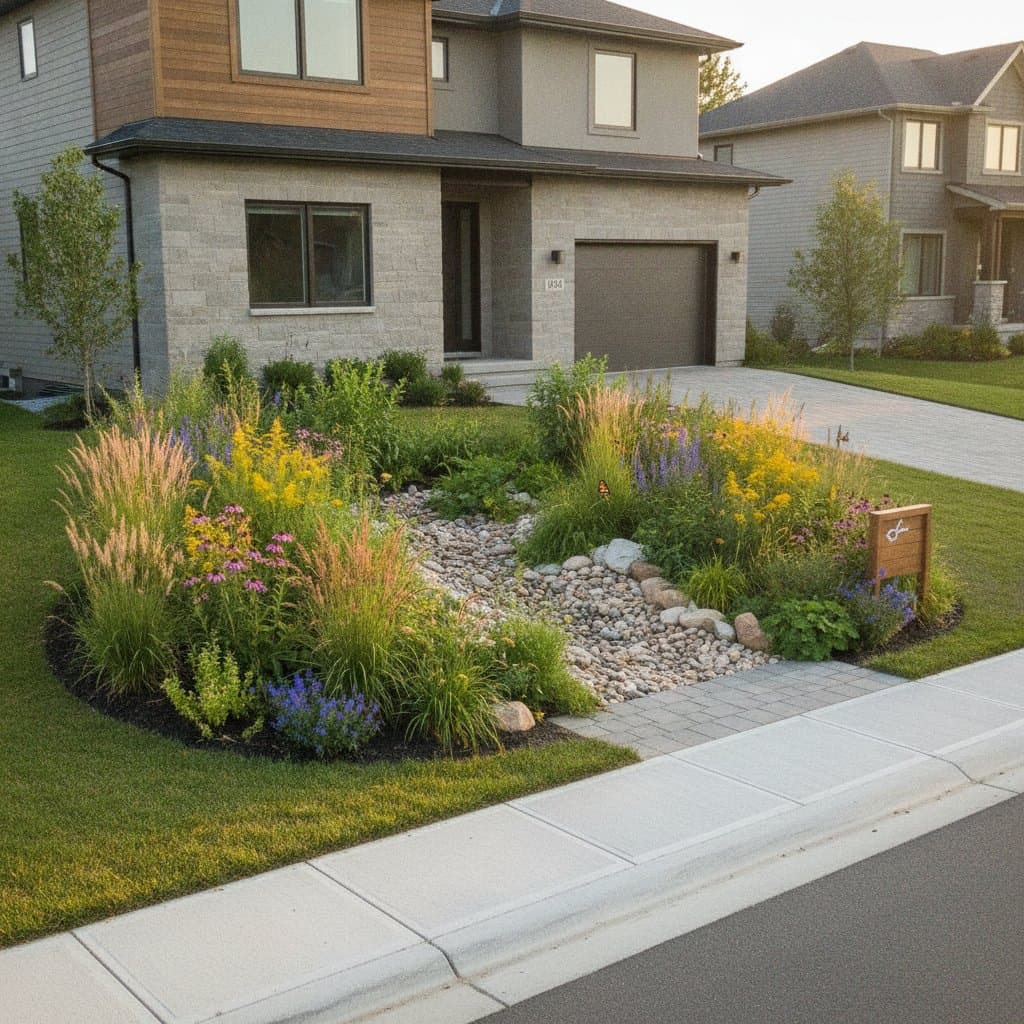
This transition from uniform lawns to diverse gardens marks a profound evolution in societal priorities. Traditional status derived from flawless turf gave way to celebrations of resilience and innovation. Homeowners now showcase biodiversity through mixed borders of lettuces and lavender.
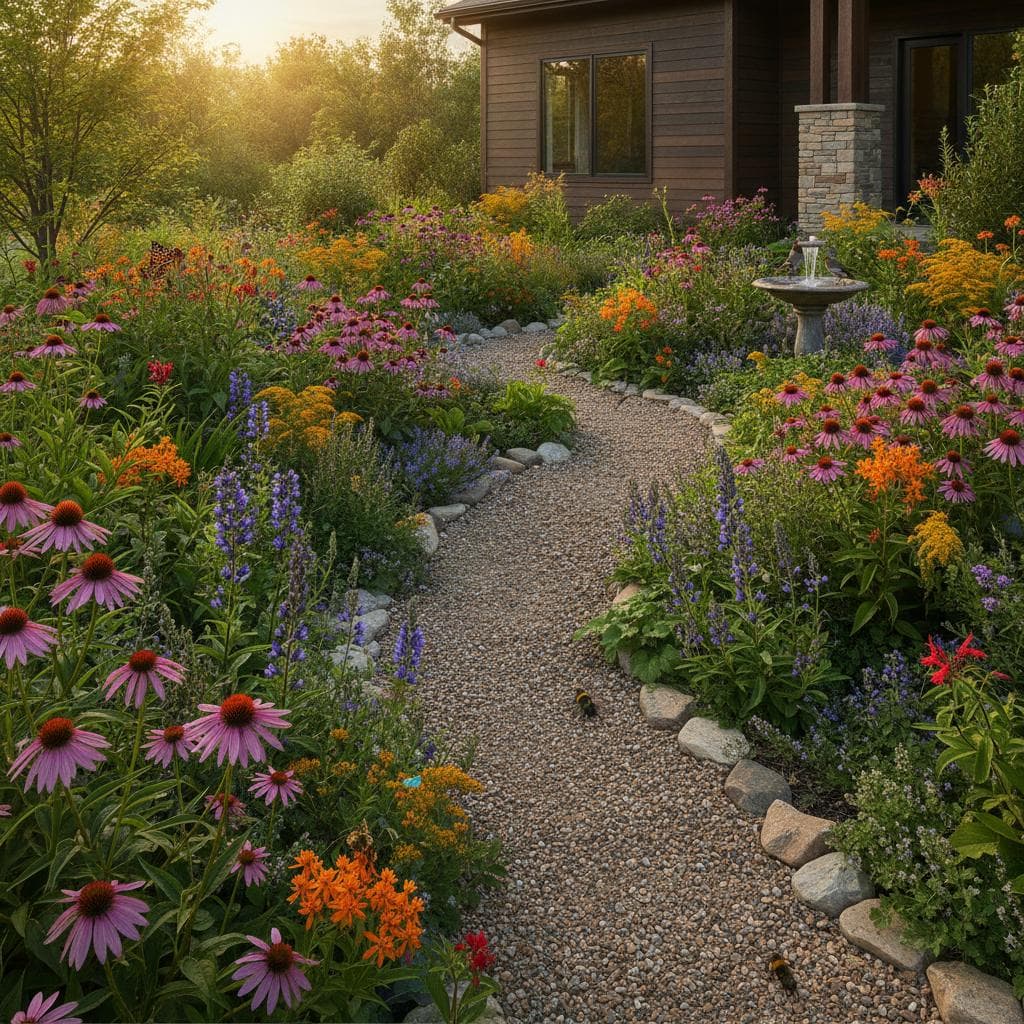
Online communities and publications highlight these transformations, sharing before-and-after images of pollinator havens blooming with sunflowers and squash. Such narratives motivate widespread adoption, aligning personal landscapes with global sustainability goals.
Economic pressures further drive this change. Volatile grocery costs and disrupted logistics prompt individuals to cultivate staples like potatoes and kale on visible plots. This visible self-reliance empowers communities amid uncertainty.
Nurturing Your Edible Oasis
An established edible front yard evolves with the seasons, offering ongoing discoveries. Spring yields tender pea shoots, while autumn provides hearty kale harvests. Care routines evolve into rewarding rituals, such as pruning berry canes or mulching paths with fallen leaves.
Daily interactions deepen appreciation. Harvest basil for evening meals or note bee activity on lavender spikes. These moments integrate nature into routines, fostering mindfulness and joy.
Over time, the space yields tangible benefits: reduced bills, healthier meals, and enriched relationships. Neighbors contribute cuttings or advice, turning individual efforts into collective triumphs. Your front yard emerges as a vibrant testament to thoughtful living.