Edible Yards: The 2026 Shift from Lawns to Food
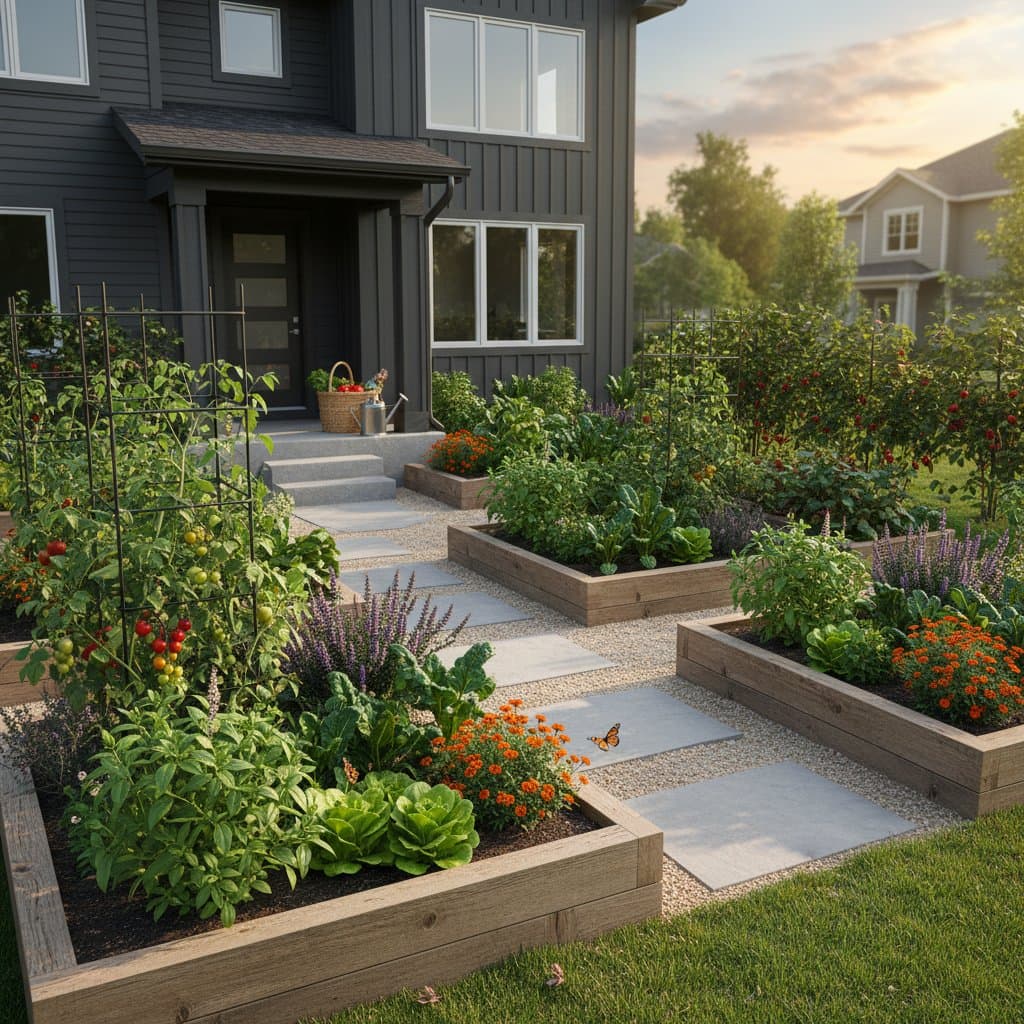
Imagine stepping out your front door to the aroma of fresh basil and the gleam of strawberry flowers. Rather than a lawn requiring weekly mowing, envision lettuce framing a path of stepping stones, tomato vines ascending trellises in vibrant displays, and bees moving among marigolds and mint. This scene represents the emerging front yard: a functional, edible landscape that substitutes turf with productive plants.
The transition from lawns to food gardens accelerates for compelling reasons. Lawns symbolize order and prestige, but they require substantial water, fertilizer, and effort while yielding little benefit. Edible yards, known as foodscapes, reverse this dynamic by converting decorative areas into efficient ecosystems. They provide nourishment for households, support pollinators, and deliver evolving seasonal beauty.
The Lawn's Quiet Downfall
The Rise of Foodscaping
Foodscaping integrates landscaping artistry with gardening practicality. It designs environments that captivate visually while serving useful purposes. Consider blueberry shrubs along a walkway, kale interwoven with decorative grasses, or thyme and lavender bordering a porch. The outcome creates depth and vitality, appealing to both sight and sustenance.
This method attracts through its versatility. Residents in suburban developments, urban townhouses, or countryside properties find suitable adaptations. Raised beds supplant flower edges. Fruit trees stabilize yard corners. Herbs cascade from containers at entrances. The principle balances aesthetics and utility, allowing each to enhance the other.
Natural Design for a Living Landscape
An edible yard accommodates refined or untamed styles based on preference. Effective design relies on careful planning. Assess sunlight patterns and water drainage to inform planting choices.
- Layer for abundance. Pair low-growing options like creeping thyme or strawberries with mid-level selections such as peppers or chard, topped by vertical elements like fruit trees or bean trellises. This arrangement maximizes space, minimizes weeds, and promotes productivity.
- Mix colors and textures. Position purple basil next to vivid green lettuce for dynamic contrast. Silver sage tempers the intensity of tomato foliage.
- Plan year-round interest. Select varieties with staggered maturity dates to maintain continuous appeal. Spring greens transition to summer fruits, followed by autumn roots.
- Apply mulch and compost. These elements enrich soil, conserve moisture, and lessen fertilizer demands.
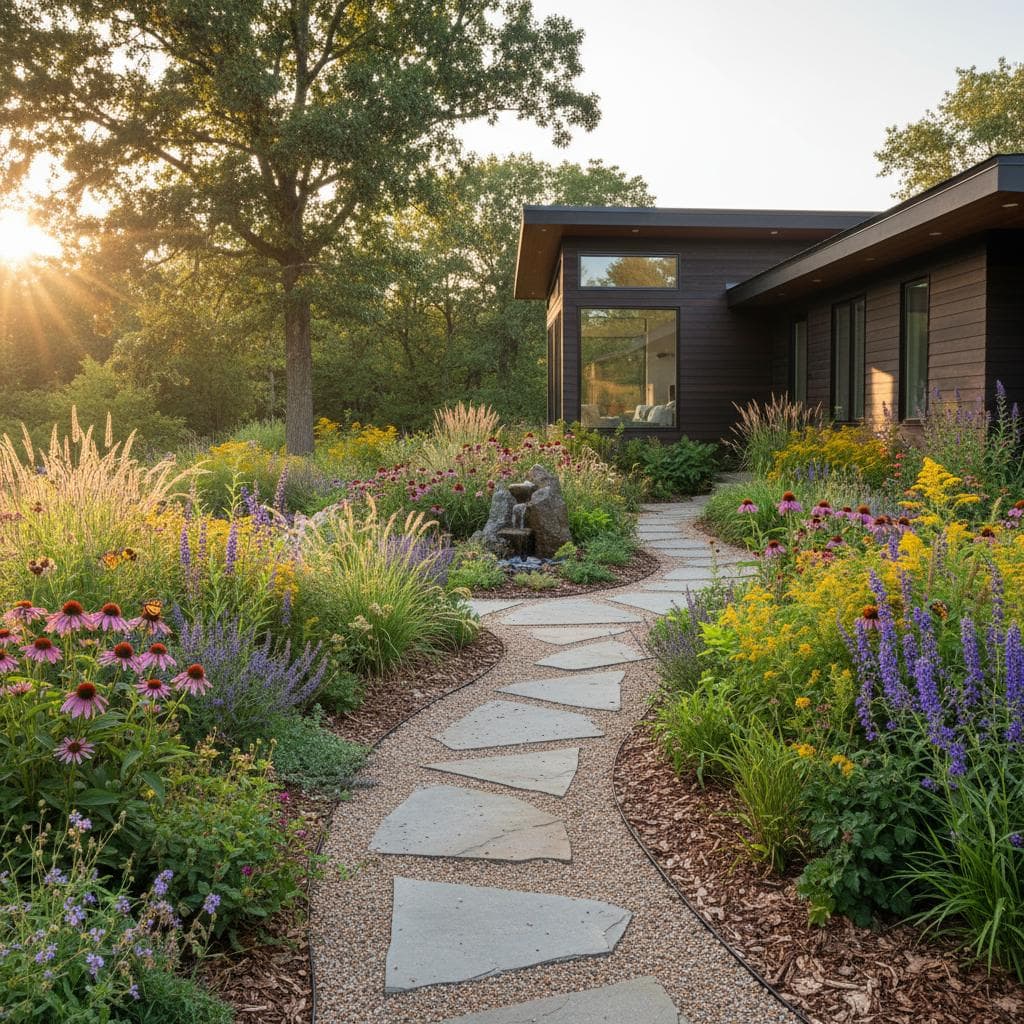
A foodscape excels not only in yields but in ecological balance. It draws pollinators, improves soil vitality, and supports diverse species. Each plant contributes to a self-sustaining micro-ecosystem requiring limited oversight.
Community Shifts and Neighborhood Inspiration
Edible yards often originate with a single innovative property. A front area featuring tumbling herbs and vivid vegetables ignites interest and dialogue. Neighbors inquire, children explore scents, and the concept propagates. An individual endeavor sparks broader community transformation.
Areas adopting edible landscaping experience enhanced social bonds. Exchanging surplus tomatoes or zucchini for eggs cultivates relationships and cooperation. Neighborhoods shift from fragmented lawns to interconnected green spaces.
Local governments respond accordingly. Certain municipalities update regulations to promote front-yard edibles. Previously penalized for visible vegetable plots, residents now earn recognition for converting turf into fruitful zones.
Challenges and Creative Solutions
Converting lawns to food involves hurdles like visual concerns or pest issues. Time demands also deter some. Practical strategies address these effectively.
- Aesthetic appeal: Select edibles with decorative traits. Rainbow chard, purple cabbage, and red lettuce provide striking hues. Shape fruit trees formally, and use herbs as pathway edgings.
- Pest management: Employ organic methods. Plant marigolds alongside tomatoes or basil near peppers to repel insects. Attract allies like ladybugs through nectar-rich blooms.
- Maintenance: Begin modestly by altering one lawn section, then scale up with experience. Mulch layers and targeted watering systems cut routine tasks, allowing more enjoyment than effort.
Obstacles fuel ingenuity in this process. Focus on gradual advancement rather than flawlessness, crafting a yard that grows alongside your skills.
The Deeper Meaning Behind the Movement
Moving from lawns to edibles transcends horticulture. It signals evolving priorities toward sustainability, independence, and relational depth over tradition. Amid a culture favoring ease over skill, cultivating personal produce reclaims enduring practices.
An edible yard illustrates harmony between form and function. It honors rainfall feeding roots, pollinators aiding growth, and meals sourced steps from home.
Integrating Edibles into Daily Life
Established foodscapes integrate seamlessly into routines. Begin days gathering herbs for infusions. Conclude evenings amid sun-ripened tomatoes.
Sustain vitality through these steps:
- Rotate crops to preserve soil nutrients and introduce diversity.
- Incorporate perennials such as berry shrubs and asparagus for enduring output.
- Trial novel varieties seasonally to refresh culinary options.
- Distribute surplus to neighbors or community programs, amplifying shared benefits.
The edible yard initiative reshapes standard lawns into vibrant testaments to ingenuity and stewardship. Each turf replacement sows seeds of plenty, allure, and endurance. Harvesting dinner from your own earth joins a subtle transformation, swapping uniformity for enchantment, excess for marvel, and grass for gardens that nurture wholly.