Why Foodscaping Transforms Front Yards
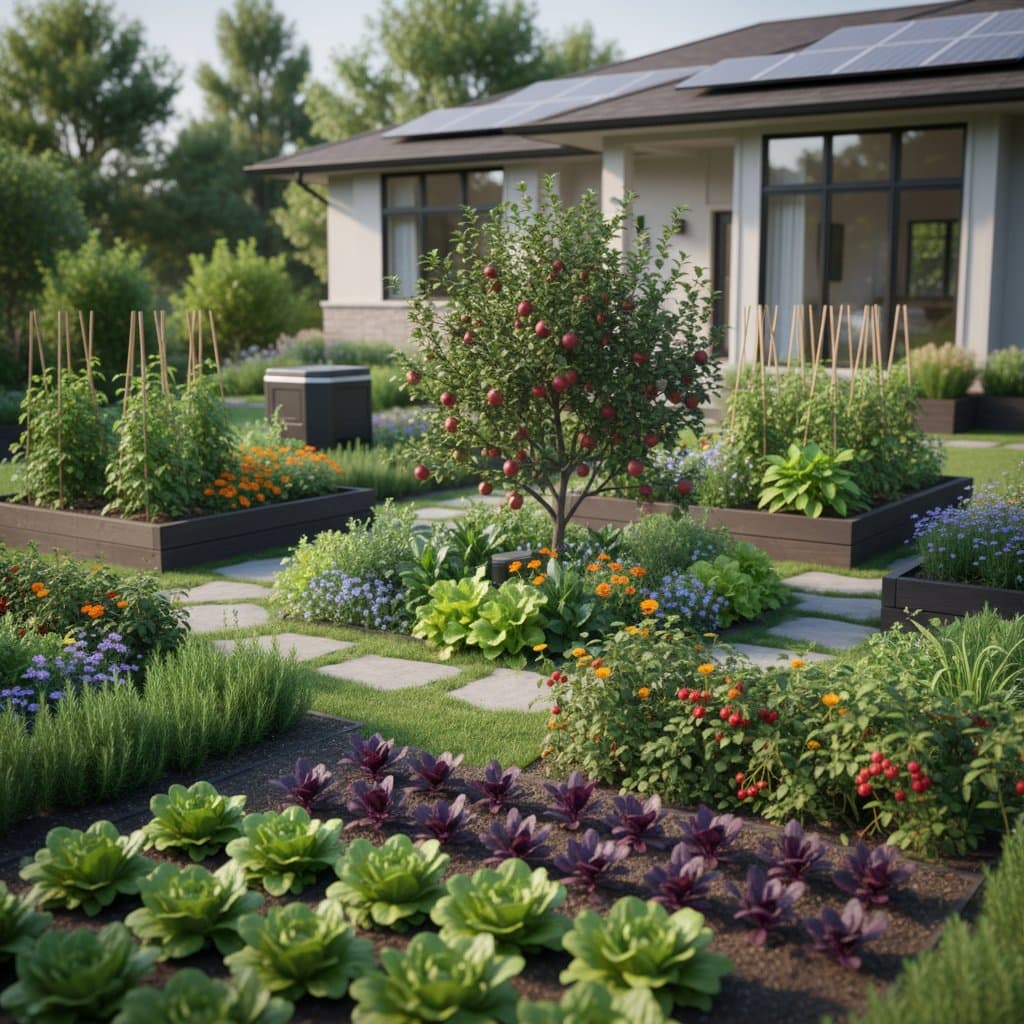
Foodscaping integrates edible plants into ornamental designs, turning front yards into both attractive and functional spaces. This method replaces monotonous grass with vibrant gardens that yield fresh produce while preserving visual charm. Homeowners gain self-sufficiency and cost savings as they harvest herbs, vegetables, and fruits directly from their property.
The practice addresses modern desires for sustainability and local food sources. Traditional front yards often feature nonproductive elements like turf that demand water and maintenance without return. Foodscaping shifts focus to plants that serve dual purposes, fostering intentional living and environmental responsibility.
Understanding the Foodscaping Movement
Foodscaping involves placing edible plants within visible landscape areas, such as front yards, rather than secluded backyards. This approach merges aesthetics with utility, allowing gardens to produce while enhancing property appeal. The movement gains traction amid rising interest in reducing food miles and building resilience against supply chain disruptions.
Project Overview
Working Time: Several weekends for planning and setup, depending on yard dimensions
Total Time: Continuous seasonal care
Skill Level: Beginner to intermediate
Estimated Cost: $50 to $5,000, based on scale and materials
Projects begin modestly, such as substituting ornamental grasses with strawberry patches. Expansion might incorporate vertical elements like espaliered fruit trees or modular planters. The process suits various lot sizes, from urban lots to suburban expanses.
Deciding Between DIY and Professional Help
Individuals with foundational gardening knowledge can manage most tasks independently. Activities include constructing simple frames, sowing seeds, and setting up basic watering systems. Online resources and local extension services provide guidance for beginners.
Professionals prove valuable for intricate projects involving soil amendment, custom irrigation, or structural modifications. Landscape architects specializing in edibles ensure harmonious integration of form and yield. Consult experts when dealing with challenging terrain or regulatory constraints.
Prioritize safety by testing soil for contaminants like lead or pesticides, particularly near older structures or high-traffic zones. Select non-toxic materials to safeguard produce quality. Adhere to municipal guidelines on front-yard gardening to avoid fines.
Essential Materials and Tools
Core materials encompass organic compost, quality topsoil, organic mulch, untreated cedar for frames, starter plants, and efficient watering kits. These elements support healthy growth without introducing hazards.
Tools comprise a sturdy shovel, soil rake, hand trowel, transport cart, secateurs, power drill, spirit level, and tape measure. Budget-conscious builders repurpose clean pallets or stones for borders, minimizing expenses while ensuring longevity.
Focus on sustainable sourcing; for instance, generate compost from household organics to enrich beds naturally. Verify all components meet food-safety standards to protect long-term health.
Step-by-Step Implementation Guide
1. Assess Site Conditions
Observe sunlight patterns throughout the day, as most edibles require at least six hours of exposure. Map drainage patterns and identify low spots prone to waterlogging. Account for wind exposure and proximity to structures that cast shade.
Document existing features like trees or fences that influence microclimates. This evaluation prevents mismatched plant choices and optimizes space usage.
2. Design the Layout
Draft a scale drawing to visualize plant placements. Position edibles for both productivity and ornamentation; for example, use colorful Swiss chard as edging or rosemary for sculptural accents. Ensure pathways allow easy access without compacting soil.
Arrange heights strategically: place vining peas on supports at the rear, mid-height eggplants centrally, and low-growing lettuces upfront. Incorporate symmetry for street-facing views, creating a cohesive, welcoming facade.
3. Amend the Soil
Clear sod using a sod cutter or manual removal, then aerate the subsoil. Incorporate aged compost at a ratio of one part to three parts native soil for nutrient balance. Conduct pH testing; aim for 6.0 to 7.0, adjusting with lime or sulfur as indicated.
For compromised ground, elevate beds 12 to 18 inches high using breathable fabric liners. This method isolates roots from pollutants and improves drainage.
4. Construct Supporting Features
Assemble frames from naturally resistant woods like redwood, securing with galvanized screws. Install wire mesh trellises for vertical growers, anchoring firmly against weather. Define borders with permeable pavers to channel runoff effectively.
Incorporate subtle barriers, such as low hedges or mesh panels, to deter animals. These additions organize the space and contribute to a refined aesthetic.
5. Select and Plant Strategically
Choose varieties suited to local climate; opt for disease-resistant hybrids in variable zones. Layer plantings: ground-level radishes under pole beans, flanked by aromatic dill to repel insects. Space according to mature sizes to prevent competition.
Employ succession planting for steady yields, sowing quick-maturing greens every two weeks. Integrate pollinator-friendly blooms like nasturtiums to boost overall vitality.
6. Install Mulch and Watering Systems
Apply two to three inches of bark or straw mulch around bases, leaving space near stems. Connect soaker hoses to timers for consistent, root-level hydration, conserving up to 50 percent more water than overhead methods.
Monitor moisture levels weekly, adjusting for rainfall. This setup minimizes evaporation and fungal risks in humid conditions.
7. Monitor and Harvest Regularly
Inspect weekly for signs of nutrient deficiencies, such as yellowing leaves, and apply balanced organic feeds. Thin overcrowded seedlings and support heavy fruiters with stakes. Harvest at peak ripeness to stimulate further production.
Document observations in a journal to track performance across seasons. Prompt intervention against common issues like aphids preserves plant vigor.
Achieving a Polished Appearance
Maintain clean lines by edging beds monthly and sweeping paths clear. Select matching hardware for fixtures to unify the design. Over time, the garden matures into a seamless blend of utility and elegance.
Incorporate subtle enhancements like gravel accents or solar path lights for evening visibility. These details elevate the yard without overwhelming the edible focus.
Cost-Effective Approaches
Begin with a single 4x8-foot bed using salvaged timber, costing under $100. Propagate perennials from divisions rather than purchases to multiply stock affordably.
Build a backyard compost system to supply amendments gratis. Collaborate with community groups for bulk seed buys or tool shares. These tactics yield high returns on minimal outlay.
Key Safety and Practical Measures
Contact utilities before excavation to locate underground lines. Steer clear of planting zones affected by road salt or exhaust. For pre-1978 homes, analyze soil near exteriors for legacy contaminants.
Favor organic pest controls like neem oil over synthetics. Erect seasonal covers against birds or rodents as needed. These precautions ensure safe, enjoyable yields.
Lasting Advantages of Foodscaping
Beyond immediate harvests, foodscaping cultivates mindfulness and skill-building. Residents experience satisfaction from nurturing cycles that sustain both body and environment.
Neighborhood interactions flourish as passersby inquire about techniques, fostering knowledge exchange. Ecologically, these landscapes sequester carbon, harbor biodiversity, and cut municipal water use.
Expert Recommendations for Longevity
Incorporate evergreens like bay laurel for winter structure alongside cool-season brassicas. Scale selections to lot constraints; compact cultivars fit tight spaces seamlessly.
Designate mulched aisles for foot traffic to simplify chores. Dedicate time weekly to tidying, ensuring the landscape retains intentional polish.
Trial diverse strains annually, noting successes in regional conditions. This iterative process refines the garden into a personalized, thriving asset.
Maintaining Momentum Year-Round
Annual tasks include top-dressing with compost in spring and clearing debris in fall. Rejuvenate perennials by splitting clumps every three years. Track seasonal shifts to anticipate adjustments.
Store equipment properly during dormancy and review layouts for optimizations. Consistent habits secure enduring productivity and beauty.