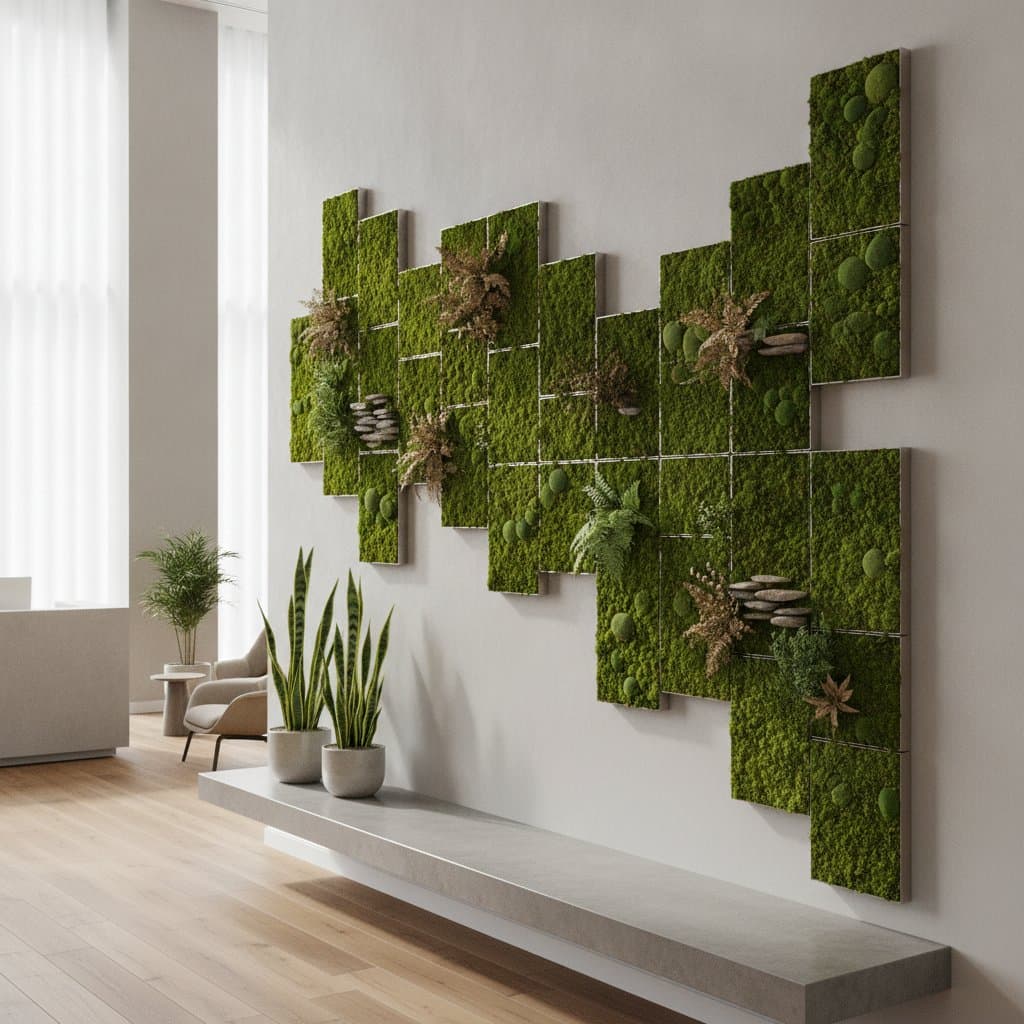
Why Moss Walls Will Transform Front Yards in 2026
A lush living wall may seem suited only to high-end spas or eco-friendly offices, yet this perception shifts rapidly. Homeowners and renters now recognize moss walls as a straightforward method to enhance curb appeal and introduce a serene natural aesthetic at the front entrance. These installations demand minimal upkeep, support environmental goals, and adapt well to diverse climates and financial plans. Individuals seeking to invigorate exterior areas without extensive maintenance will find moss walls particularly suitable.
The Rising Popularity of Living Moss Walls
Front yards establish the initial impression of a residence, though many individuals default to conventional grass, shrubs, and hardscaping elements. Living moss walls introduce distinctive texture, color, and softness that surpass typical landscaping options.
The Suitability of Moss for Outdoor Use
Moss embodies nature's minimalism, lacking roots, absorbing moisture from the atmosphere, and adhering to surfaces such as stone, brick, or wood. This inherent simplicity renders it ideal for vertical installations.
Landscape architect Rafael Torres of Verde Habitat states that moss walls outperform other vertical gardens in reliability. Torres explains, Traditional living walls demand irrigation systems and ongoing attention. Moss thrives in humidity and shade with scant intervention.
In front yard settings, this allows integration of greenery into confined or shaded entry areas. Positioning a moss wall on a fence, gate, or building facade delivers immediate verdancy without complex watering arrangements. Furthermore, moss inherently filters airborne pollutants, thereby enhancing the local microclimate surrounding the home.
Selecting Appropriate Moss Varieties
Outdoor moss selections vary in performance based on regional climate and sunlight exposure levels.
Recommended moss types for exterior applications include:
- Sheet moss, which delivers smooth, carpet-like coverage
- Cushion moss, offering a soft, dome-shaped texture
- Fern moss, suited to zones with regular moisture
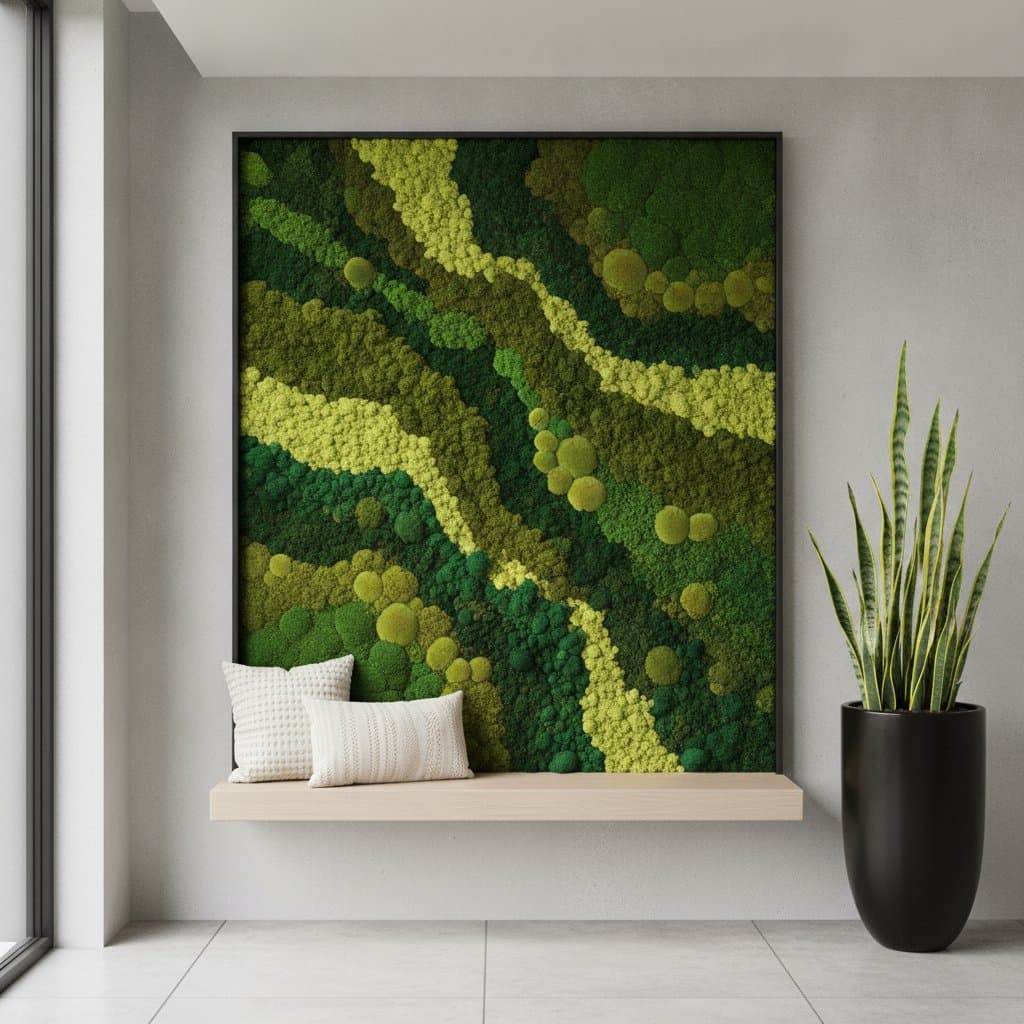
- Reindeer moss, providing vibrant color and sculptural form
Residents in arid areas may opt for preserved moss, treated real moss that retains texture and hue indefinitely without hydration. Although it does not grow, preserved moss achieves the visual density of a living installation.
Design Concepts for Front Yard Moss Walls
Substantial impact arises even from modest moss integrations, such as a compact panel or framed segment that revitalizes an entryway or porch. Consider these approaches to incorporate moss effectively.
Frame the Entryway
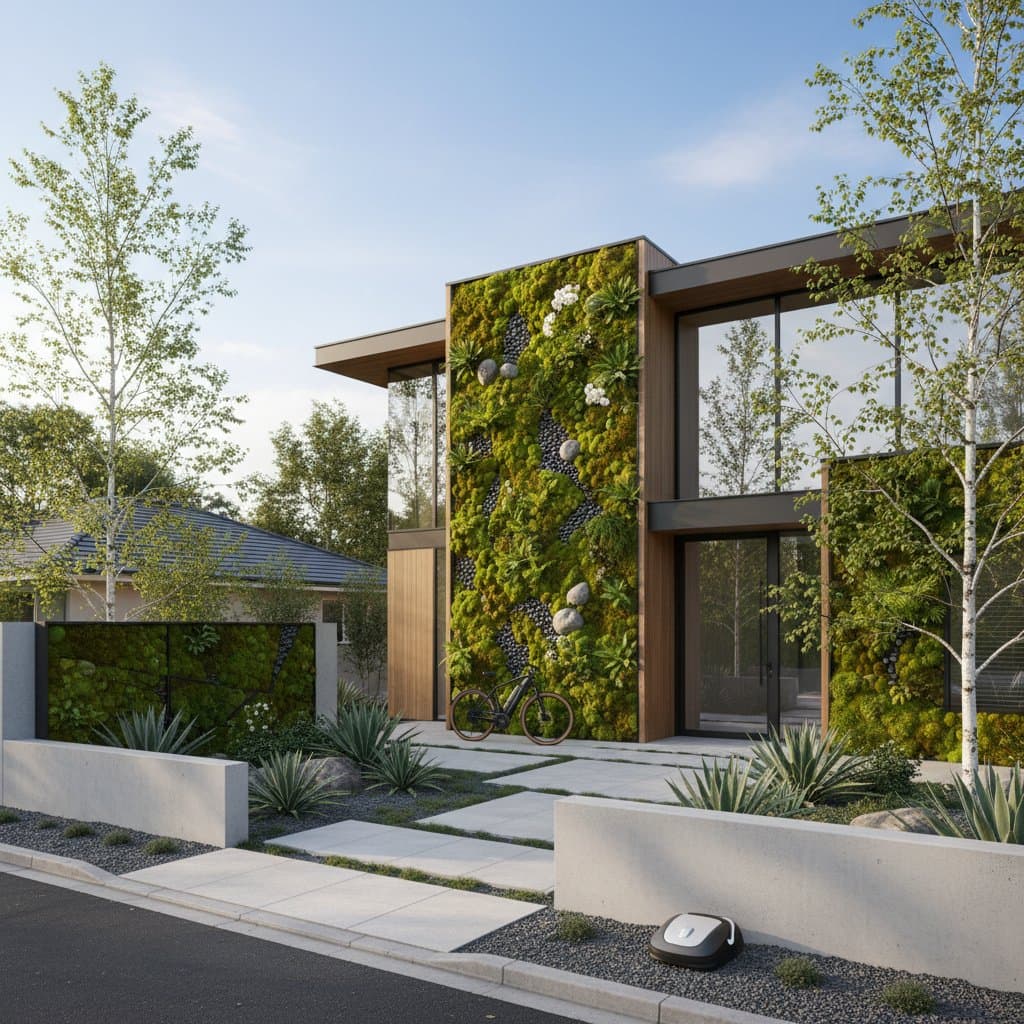
Position a vertical moss panel adjacent to the front door to temper architectural rigidity. A section measuring approximately two feet wide by five feet high introduces verticality and guides attention skyward. Complement it with contemporary sconces or matte black fixtures for equilibrium.
Accentuate Fences or Gates
Embed a moss wall segment amid wooden or metal fence panels to disrupt uniformity and inject vibrancy. On privacy fences, alternate wood slats with moss sections to yield a bespoke, stratified effect.
Develop a Living House Number Feature
Secure a moss backing behind address numerals. The juxtaposition of polished metal digits against plush greenery conveys modernity alongside enduring appeal.
Temper Retaining Walls or Steps
For front yards featuring stone or concrete retaining structures, moss application fosters seamless landscape integration. Promote innate moss development by applying a slurry of moss fragments blended with water to the surface.
Establish an Entry Focal Point
A standalone moss wall serves as exterior artwork. Employ reclaimed wood or steel frames to uphold modular panels, incorporating embedded illumination for enhanced nocturnal texture display.
Fundamentals of Installation and Upkeep
Moss wall assembly qualifies as a weekend endeavor when utilizing prefabricated panels. Numerous suppliers provide pre-cultivated units affixed to mesh or foam substrates, attachable to brick, stucco, fencing, or wood via durable screws or brackets.
DIY participants begin with a waterproof membrane, followed by a structural frame to fasten moss panels. Elevate the assembly marginally from the wall surface to facilitate air circulation and avert moisture accumulation.
Upkeep remains uncomplicated. Apply occasional misting to living moss during arid periods and clear accumulated leaves or debris. Moss varieties favor diffused light and consistent humidity; in numerous regions, ambient precipitation suffices for vitality.
Preserved moss installations demand negligible effort. Shield them from direct sun to avoid discoloration and employ a low-power handheld vacuum for periodic dusting.
Environmental Advantages
Sustainability drives the surge in moss wall adoption. These features eschew fertilizers and pesticides, safeguarding nearby ecosystems. Moss's innate pollutant absorption capability elevates residential air quality.
Rafael Torres remarks, Moss qualifies as a zero-waste plant. It proliferates in locales inhospitable to other vegetation and moderates humidity and temperature. Torres further notes that property owners increasingly appreciate how modest design decisions influence ecology, positioning moss walls as accessible positive contributions.
Moss walls also mitigate heat retention on outer walls. In hotter climates, this subtly decreases cooling expenses by maintaining cooler surfaces, delivering a practical yet understated gain.
Cost-Effective Solutions Across Residences
Moss walls excel in scalability, permitting incremental implementation. A solitary framed panel may cost less than alternative planters while yielding superior visual potency.
Renters benefit from detachable panels or portable screens that relocate easily and elevate entry spaces promptly. Homeowners might pursue expansive bespoke setups incorporating illumination, minimal irrigation, or hybrid plantings for enduring presence.
DIY kits enhance accessibility, featuring preserved moss that interlocks into lightweight grids for simple suspension or reconfiguration. Hands-on enthusiasts discover personal wall construction a gratifying weekend pursuit.
Integrating Moss with Complementary Yard Features
Moss walls harmonize with diverse natural elements. Pair them with gravel walkways, timber accents, or stone containers to achieve unity. Given moss's pronounced texture, it thrives alongside understated, streamlined contexts.
Carla Nguyen recommends mindful contrast. Moss excels beside matte surfaces or dark metals, imparting warmth and organic character to those materials, she advises.
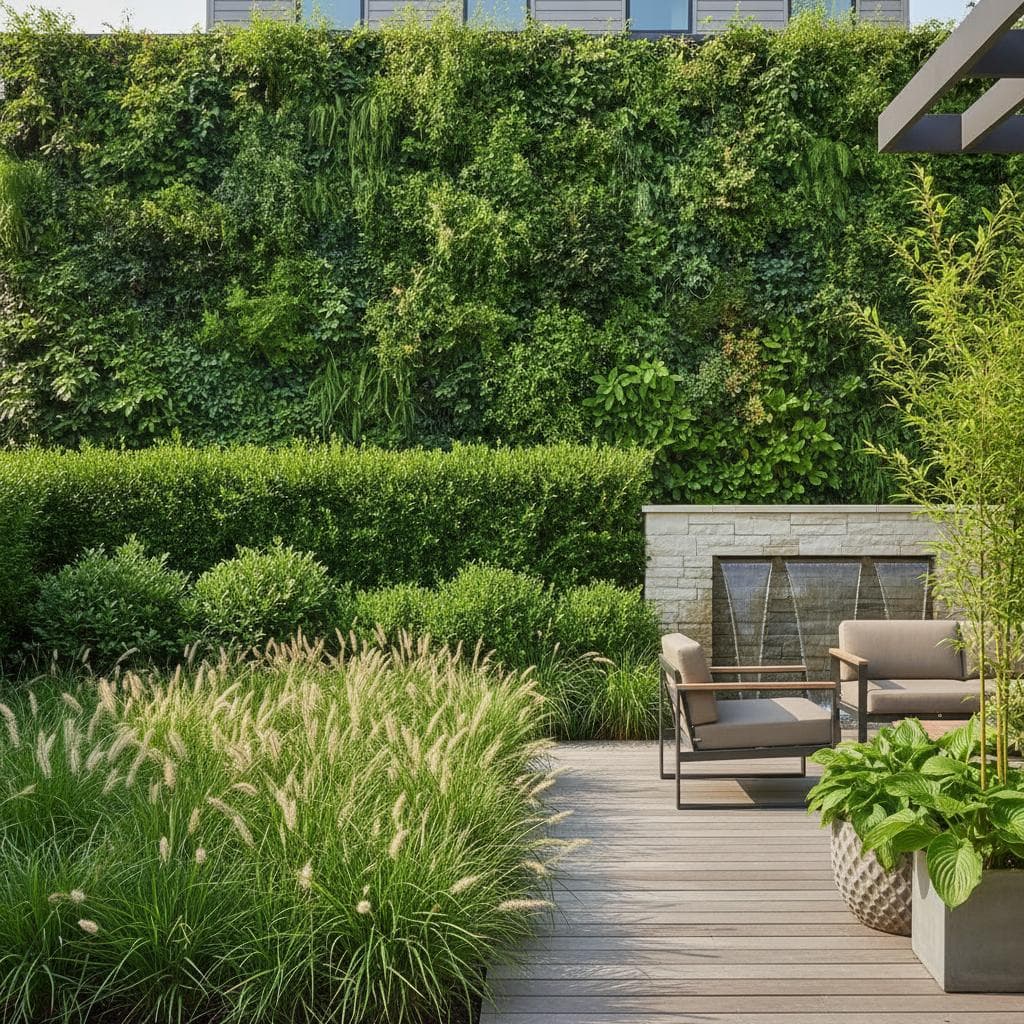
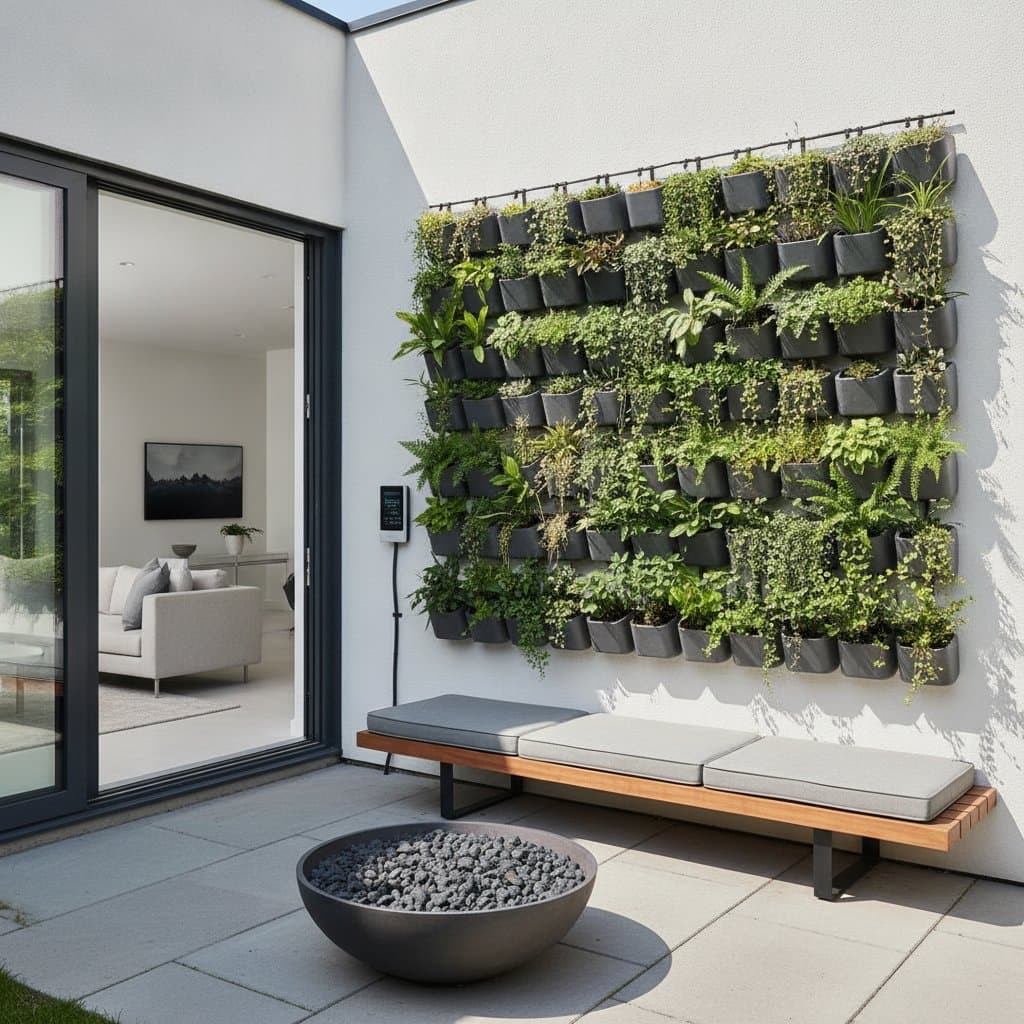
Layer additional foliage by situating potted ferns, shade-tolerant blooms, or compact evergreens proximate to the moss wall. Such arrangements generate depth and ease shifts between vertical and horizontal planes.
Evolving with Moss Over Time
Moss walls evolve subtly, enriching texture and revealing color nuances as they establish.
Upkeep evolves into a brief, fulfilling practice. Misting in dry conditions or clearing detritus aligns one with environmental cycles.
These installations demonstrate that front yards need not depend on turf or floral arrangements for vitality. They convert plain surfaces into dynamic artwork, ensure perpetual greenery, and render exteriors more welcoming. For those pursuing a refined, effortless yard enhancement, moss walls deliver tranquility, dimension, and nature's durability directly to the threshold.