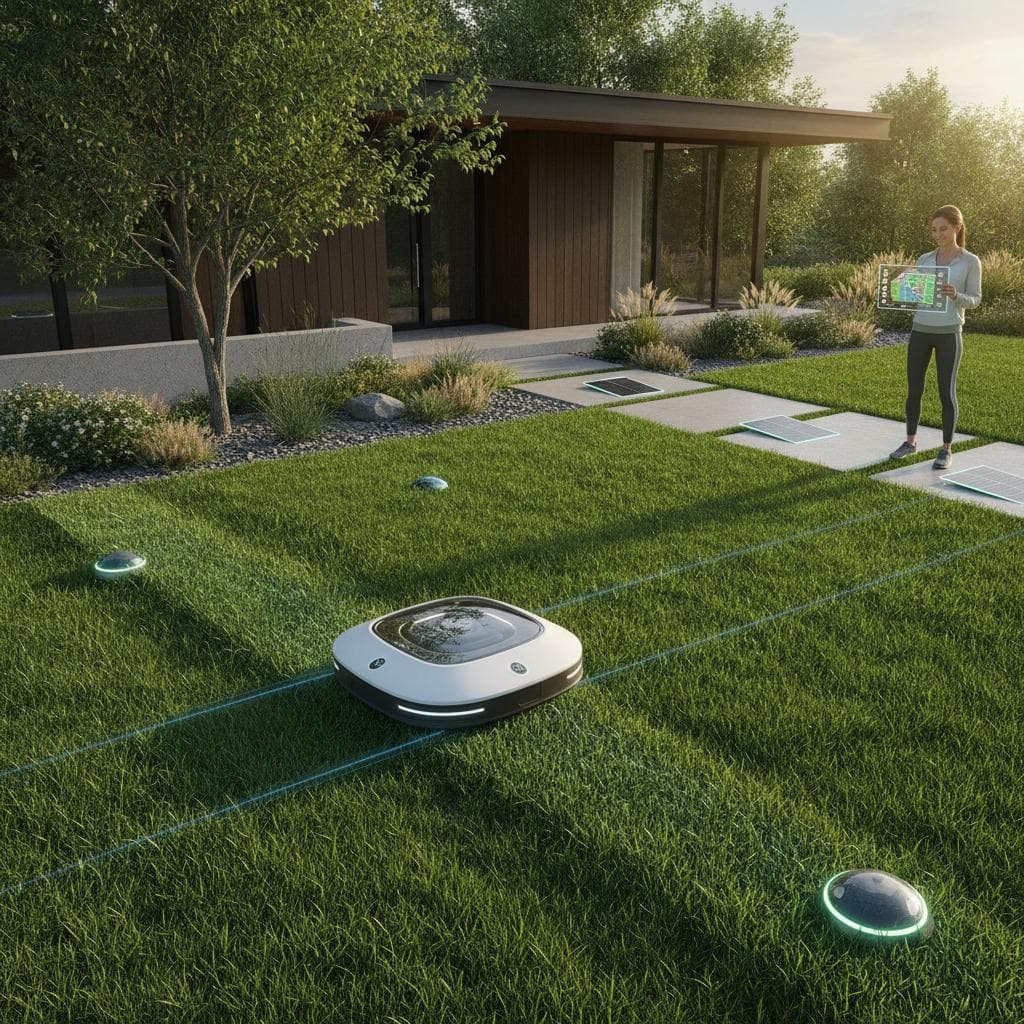
The Hidden Costs of Grass Lawns
Homeowners often view a lush green lawn as a symbol of pride, yet the reality involves substantial financial and time commitments. Watering alone can account for up to 30 percent of household usage in arid regions, leading to bills that escalate during dry spells. Mowing, fertilizing, and pest control add hundreds of dollars annually, not to mention the physical effort required weekly.
Beyond direct expenses, grass lawns contribute to environmental strain. They demand chemical treatments that harm local ecosystems and require constant replanting in areas with poor soil or extreme weather. As climates shift, maintaining such landscapes becomes increasingly challenging and costly, prompting many to seek sustainable alternatives.
Why Gravel Gardens Are Gaining Popularity in 2026
Understanding the Structure of a Gravel Garden
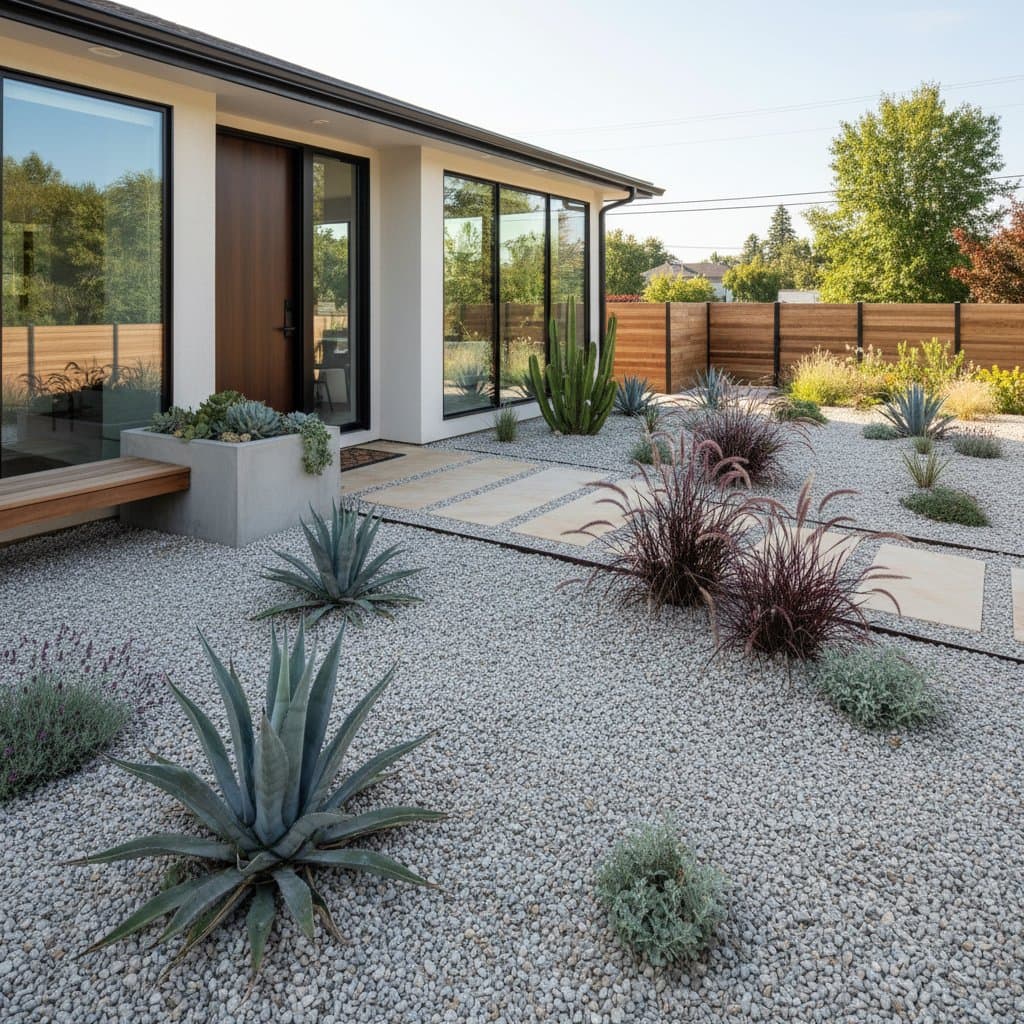
A well-constructed gravel garden functions as an integrated system, balancing aesthetics with functionality. It begins with site assessment to ensure proper grading, preventing water pooling that could undermine foundations. Layers build upon this base to suppress weeds, facilitate drainage, and provide a stable surface.
Key components include:
- Foundation Layer: Compacted subsoil or aggregate base, typically 4 to 6 inches deep, to promote stability and runoff.
- Barrier Material: Permeable geotextile fabric that blocks weed intrusion while permitting moisture and nutrients to reach plant roots.
- Gravel Surface: Angular stones in 3/8- to 3/4-inch sizes, applied 2 to 3 inches thick for optimal coverage and traction.
- Vegetation Integration: Drought-tolerant selections such as lavender, agave, or feather grass, spaced to allow air circulation and growth.
This layered approach ensures longevity, with many installations lasting over a decade with basic care. Balance remains essential; excessive gravel creates sterility, while sparse planting invites erosion.
Planning Your Gravel Garden Conversion
Transitioning from grass to gravel demands thoughtful preparation to avoid common pitfalls. Start by evaluating your yard's size, sun exposure, and soil type, which influence material choices and plant viability. Budget for removal of existing sod, a labor-intensive step that may involve renting a sod cutter for efficiency.
Essential Tools and Materials
Gather these items before starting:
- Heavy-duty shovel and bow rake for soil preparation.
- Wheelbarrow for transporting materials.
- Hand tamper or rental plate compactor to firm the base.
- UV-resistant landscape fabric, cut to fit with utility scissors.
- Bulk gravel delivered in cubic yards, calculated at 100 square feet per yard for 3-inch depth.
- Durable edging like aluminum strips or natural stone to contain the gravel.
- Climate-appropriate plants from local nurseries.
- Organic mulch for accentuating planting pockets.
Assessing Feasibility and Timeline
Most DIY enthusiasts can manage a 500-square-foot project over a weekend, plus additional days for curing and planting. Factor in weather; dry conditions ideal for installation prevent mud complications. For yards exceeding 1,000 square feet or those with irrigation lines, consult local regulations to avoid utility disruptions.
Avoiding Pitfalls in Gravel Garden Installation
Experienced installers identify preventable errors that compromise results. Addressing them upfront saves time and resources.
- Omitting the Barrier: Weeds penetrate unprotected gravel rapidly; select fabrics rated for 10-plus years of durability.
- Inappropriate Gravel Selection: Fine pea gravel shifts underfoot, while oversized rocks hinder mobility; opt for decomposed granite in high-traffic zones for a firm path.
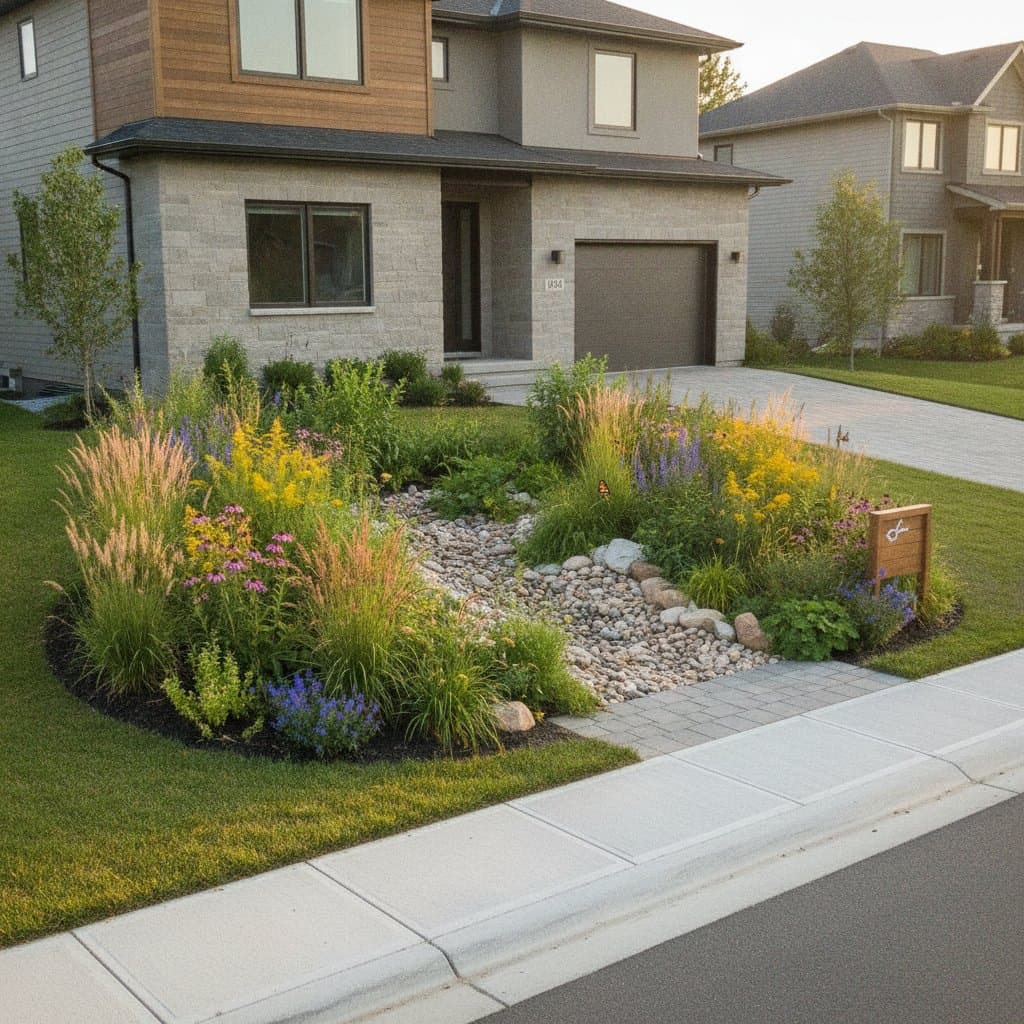
- Inadequate Drainage Planning: Test slope with a level; aim for 1-2 percent grade away from structures to avert flooding.
- Excessive Planting Density: Limit to 20-30 percent coverage to preserve the minimalist ethos; research mature sizes to prevent overcrowding.
- Insufficient Bordering: Gravel spreads without containment; bury edging 4-6 inches deep and backfill securely.
Incorporating these precautions yields a professional-grade outcome.
Engaging Professionals for Complex Projects
Certain conditions warrant expert involvement to ensure safety and efficacy. Steep inclines risk slippage during DIY efforts, while compromised drainage may require French drains or swales installed by certified contractors. Professionals also navigate permitting for utility adjustments or large-scale earthmoving.
Hiring extends to designs incorporating features like permeable pavers or integrated seating, which enhance usability. The investment typically recoups through avoided repairs and increased property value, as sustainable landscapes appeal to eco-conscious buyers.
Maintenance Strategies for Longevity
Sustaining a gravel garden involves routine, low-effort tasks that preserve its pristine state. Seasonal checks align with natural cycles, minimizing surprises.
- Rake periodically to clear debris and maintain even distribution.
- Remove emergent weeds manually, targeting roots to prevent regrowth.
- Replenish gravel annually in high-use areas, using matching tones for consistency.
- Prune plants seasonally, removing dead foliage to promote vigor.
- Inspect borders post-storm to repair shifts from erosion.
These practices keep the garden thriving with under an hour monthly.
Advanced Techniques for Enhanced Appeal
Elevate your design with these strategies drawn from industry best practices.
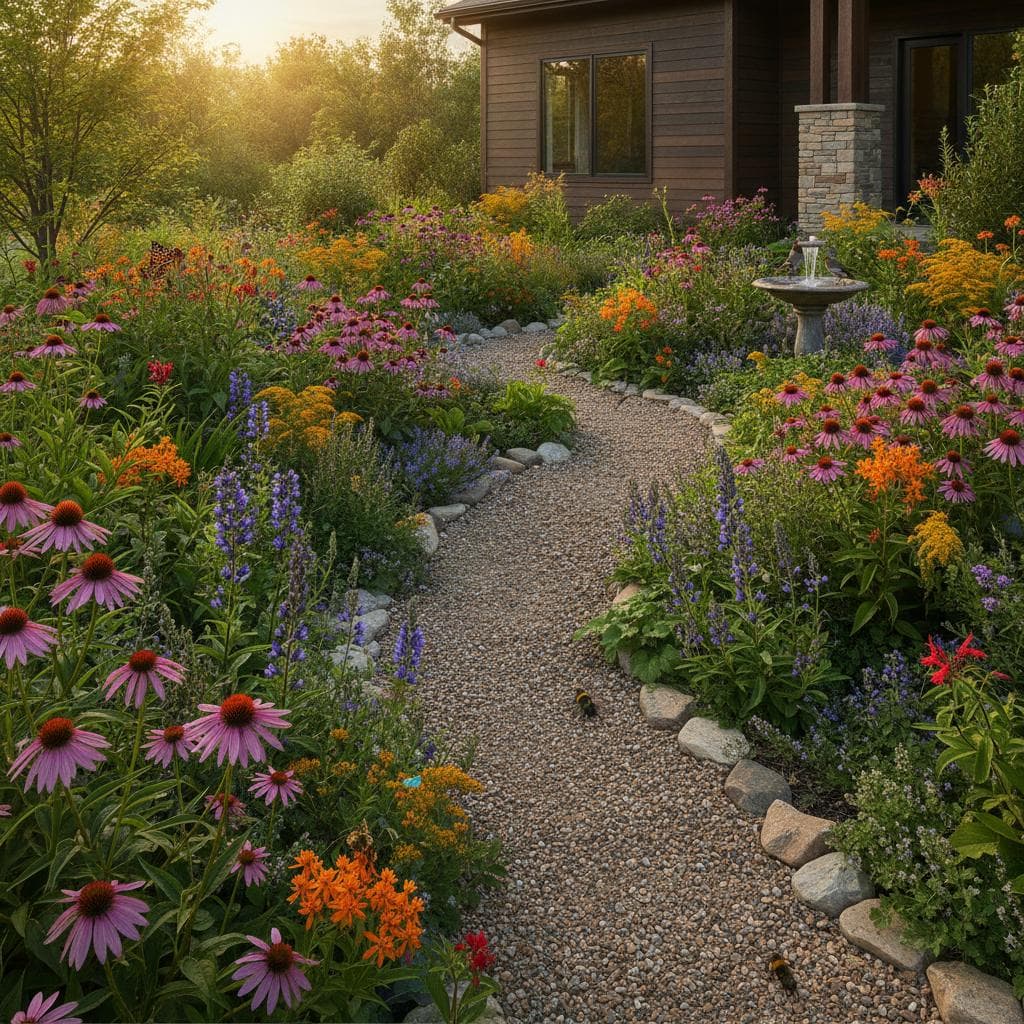
- Select crushed stone for pathways; its interlocking nature provides stability superior to smooth varieties.
- Layer gravel hues, such as buff with gray accents, to mimic natural terrains and add depth.
- Position boulders or flagstone slabs strategically to define zones and focal points.
- Install low-voltage LED fixtures along edges for subtle illumination that highlights textures after dark.
- Prioritize indigenous flora; they require less amendment and support biodiversity.
- Implement drip irrigation sparingly, focusing on plant bases to conserve resources.
Realizing the Rewards of Your Gravel Garden
A completed gravel garden delivers immediate and enduring benefits, from reduced utility statements to effortless enjoyment. Families gain versatile outdoor areas for relaxation, free from the tyranny of weekly chores. As sustainability gains priority, this choice positions your home as a model of practical innovation, blending beauty with responsibility.