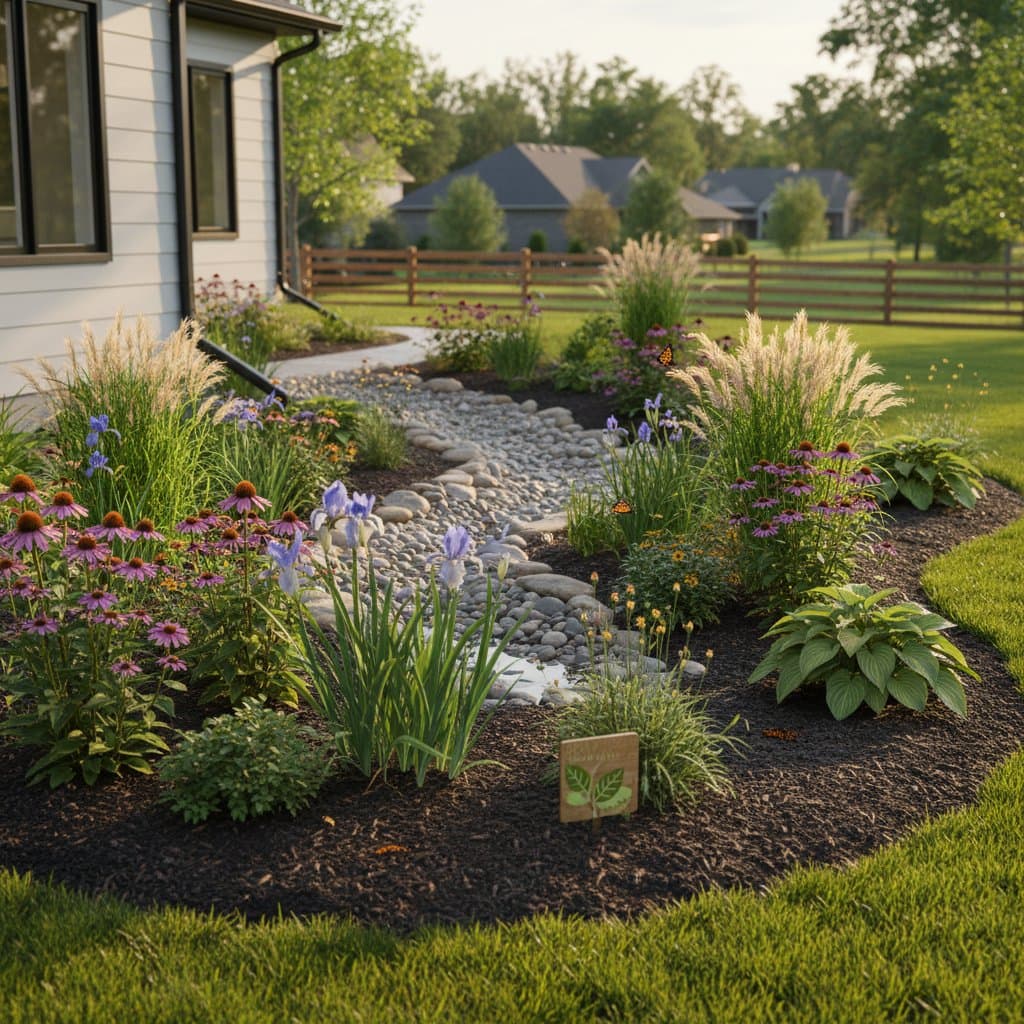
Key Benefits of Front Yard Rain Gardens
- Rain gardens capture stormwater from roofs, driveways, and lawns, minimizing water waste and mitigating flood risks in urban areas.
- These features naturally filter out pollutants like fertilizers and oils, replenish groundwater supplies, and provide habitats for local pollinators and wildlife.
- Incorporating native plants promotes drought resistance, requires little maintenance, and delivers vibrant seasonal displays.
- Thoughtful installations enhance property aesthetics while reducing long-term costs for irrigation and lawn care.
- They contribute to broader community goals by improving water quality and supporting biodiversity in residential neighborhoods.
Envisioning a Sustainable Front Yard
Imagine a heavy rain shower sweeping through your community. Rather than seeing water cascade into gutters and overwhelm drains, envision it seeping into a vibrant garden bed teeming with native perennials, swaying grasses, and visiting insects. This scene represents a practical front yard rain garden, where water management meets aesthetic innovation.
The Environmental Impact of Rain Gardens
Conventional grass lawns repel water rapidly, channeling contaminants such as lawn chemicals, vehicle residues, and sediment directly into municipal storm systems. This polluted discharge frequently contaminates nearby waterways, harming fish populations and ecosystems. A rain garden alters this cycle by providing a dedicated infiltration zone.
Positioned as a shallow basin, the garden holds and slowly infiltrates precipitation, enabling soil layers and root systems to trap and break down impurities. Research from environmental experts indicates that a modest 200-square-foot rain garden can manage up to 10,000 gallons of runoff annually, depending on local rainfall. Such capacity translates to fewer local floods, purer regional water sources, and healthier surrounding environments.
Selecting and Integrating Native Plants
Effective rain gardens rely on plants adapted to the region's climate and hydrology. Native varieties thrive with irregular watering, resist common pests without chemical interventions, and demand scant pruning or feeding after rooting. Their extensive root networks excel at water uptake, stabilizing soil against washouts during intense storms.
Consider options like purple coneflowers for their sturdy stems and daisy-like flowers, switchgrass for its arching form and winter interest, black-eyed Susans for sunny yellow petals, and common milkweed for its role in monarch butterfly lifecycles. These selections tolerate periodic inundation followed by dry spells, while drawing in bees, hummingbirds, and other beneficial creatures. Over time, the planting evolves into a dynamic wildlife corridor, elevating a utilitarian feature into a compelling natural showcase.
To maximize success, assess your site's sun exposure and moisture retention. Group moisture-loving plants in the basin's center and drought-tolerant ones along the perimeter. Mulch with organic materials to suppress weeds and retain soil moisture, ensuring the garden remains visually cohesive year-round.
Principles of Rain Garden Design
Crafting a rain garden demands a balance of engineering and aesthetics. Select a site at least 10 feet from building foundations to avoid moisture damage, preferably along natural drainage paths like downspouts or sloped lawns. Excavate to a depth of 4 to 8 inches, amending heavy clay soils with sand or compost to enhance permeability without compromising filtration.
Incorporate varied elevations for optimal function: position deep-rooted tall plants in the low center to handle peak flows, mid-height shrubs along the middle for added filtration, and low-growing groundcovers at the edges to prevent erosion. Integrate hardscape elements such as permeable pavers for pathways or boulders for accents, harmonizing the garden with the home's architecture.
Many residents report that their rain gardens spark community interest. Visitors inquire about construction techniques, children observe emerging wildlife, and the feature inspires similar projects nearby. This social dimension underscores the garden's role in promoting collective environmental awareness.
Steps to Install Your Rain Garden
Embarking on a rain garden project starts with site evaluation. During the next rain event, map surface water patterns across your yard. Dig a test pit about 12 inches deep and wide, then pour in water to measure drainage rate; ideal sites absorb 1/2 inch per hour or more.
Outline the garden's footprint, aiming for 30% larger than the contributing impervious area, such as a roof section. Line the basin with amended soil mix, then plant immediately to stabilize the area. Water deeply but infrequently in the first year to encourage root development.
Ongoing care involves seasonal tasks: clear debris in spring, divide overcrowded plants every few years, and replenish mulch annually. Unlike manicured lawns, established rain gardens self-sustain, freeing time for enjoyment rather than labor.
Realizing Lasting Value Through Rain Gardens
A front yard rain garden extends beyond mere decoration or utility. It embodies proactive stewardship, conserving resources while enriching the immediate surroundings. Homeowners gain not only reduced utility bills and enhanced property worth but also the satisfaction of contributing to resilient ecosystems.
As these gardens mature, they weave functionality with allure, proving that small-scale interventions yield profound rewards. Each absorbed raindrop reinforces a cycle of renewal, where personal landscapes become integral to larger environmental health.