Key Points
- Moss walls provide a natural enhancement to front yard exteriors while requiring minimal ongoing care.
- Installation occurs within a reasonable budget through the use of accessible materials.
- Homeowners with intermediate skills complete small-scale projects independently after thorough preparation.
- Professionals handle extensive or structurally complex installations to ensure safety and durability.
- The finished living facade elevates visual appeal and contributes to local environmental health.
Project Overview
Working time: 6 to 10 hours
Total time: 3 to 5 days, accounting for preparation and curing periods
Skill level: Intermediate
Estimated cost: $150 to $400, varying by size and material choices
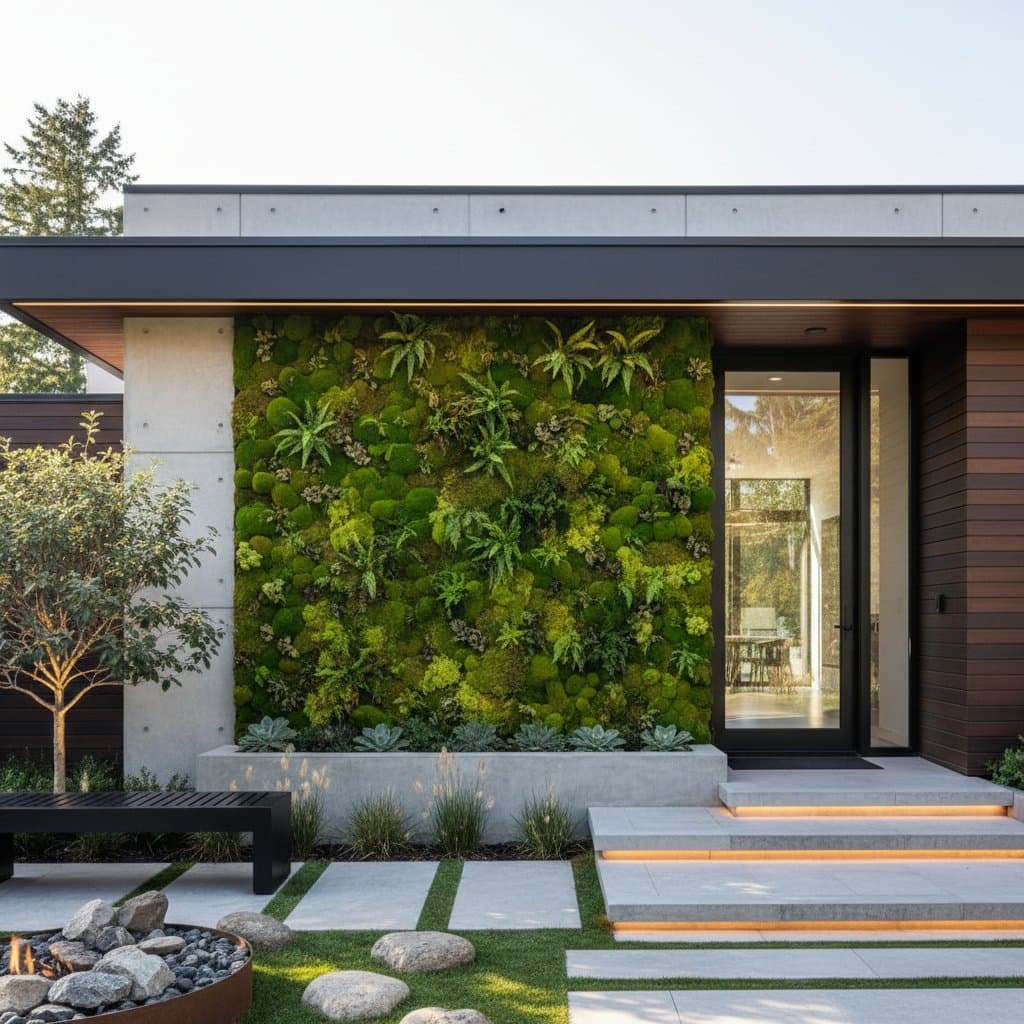
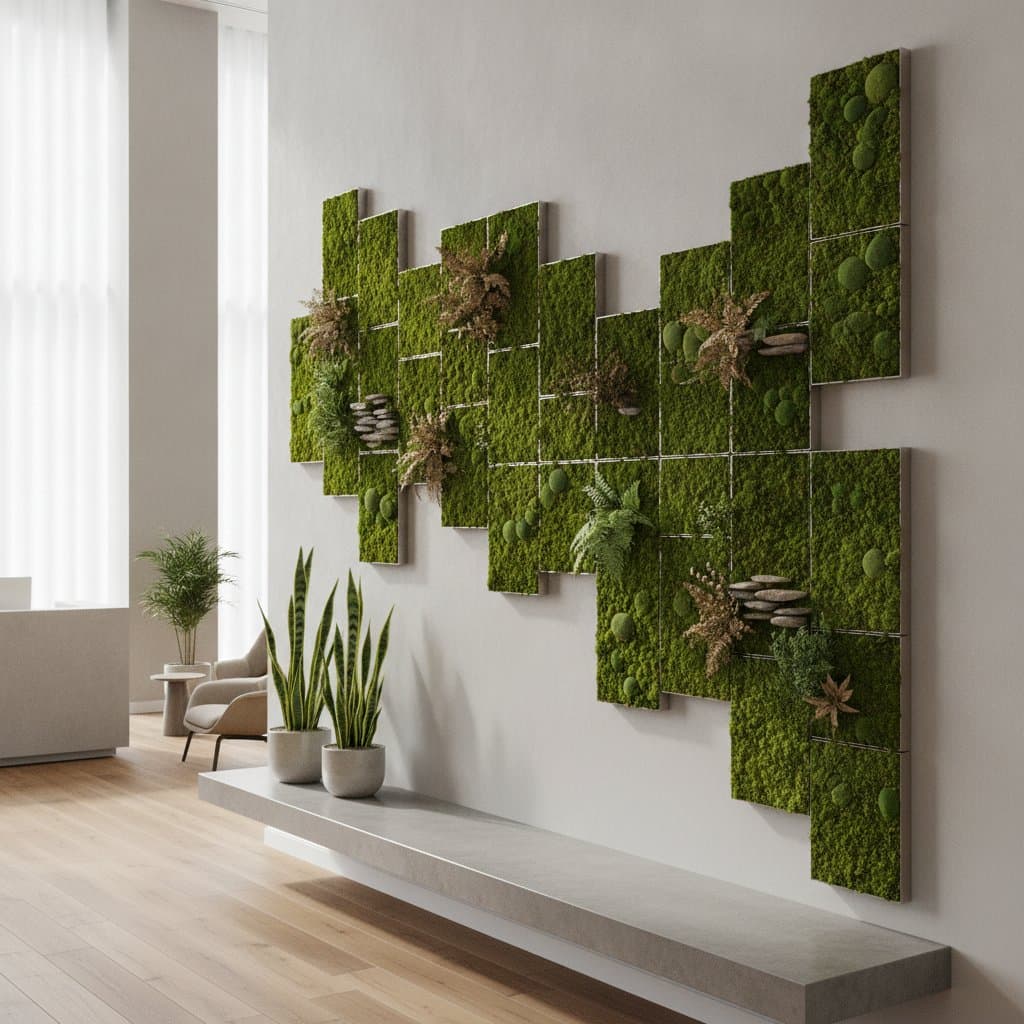
Moss walls merge age-old artisanal techniques with contemporary biophilic design principles. These installations feature preserved or live moss affixed to panels or frameworks, forming vertical gardens that flourish with limited intervention. Suitable for placement near entryways, along fences, or across entire facades, moss walls convert unadorned surfaces into dynamic, verdant elements that invite admiration.
When to DIY and When to Hire Help
Small decorative panels on existing walls or fences suit weekend endeavors. Individuals manage design, framing, and moss application using basic tools and straightforward methods. This approach allows creative control and cost savings for projects under 10 square feet.
Larger undertakings, such as full-facade coverings or systems incorporating irrigation and reinforced supports, demand expert involvement. Landscape architects or contractors possess expertise in managing moisture dynamics, ensuring proper drainage, and securing anchors to comply with building codes. Structural assessments prevent issues like water damage or instability, particularly on multi-story homes or in high-wind areas.
Assess project scope early. If uncertainty arises regarding load-bearing capacity or local regulations, consult professionals to avoid costly revisions.
Materials and Tools
Materials:
- Moss selections, including preserved sheet moss for durability or live cushion moss for vitality
- Exterior-grade plywood sheets or galvanized metal mesh for stable backing
- Waterproof moisture barrier, such as pond liner or breathable landscape fabric
- Pressure-treated lumber for robust framing
- Landscape-grade adhesive or stainless-steel moss pins for secure attachment
- Optional automated drip irrigation kit for sustaining live moss hydration
- UV-resistant exterior sealer to protect wooden components
Tools:
- Retractable measuring tape and bubble level for precise alignment
- Power drill with assorted bits and corrosion-resistant screws
- Heavy-duty staple gun for fabric fixation
- Sharp utility knife or precision pruning shears for trimming
- Nitrile gloves and safety goggles for protection during handling
Gather materials from local garden centers or online suppliers specializing in sustainable landscaping. Verify compatibility with regional humidity levels to maximize longevity.
Step-by-Step Process
-
Plan the layout
Measure the target wall surface accurately, sketching dimensions on graph paper for visualization. Evaluate site conditions, including daily sunlight hours and natural drainage patterns. Moss thrives in indirect light and moderate humidity, favoring shaded or north-facing positions away from intense afternoon rays.
-
Build the frame
Cut lumber pieces to match planned dimensions, forming a rectangular or custom-shaped enclosure. Join corners with galvanized screws, pre-drilling holes to prevent splitting. Fasten plywood or mesh to the frame's interior using staples or screws, creating a taut base ready for moss layering.
-
Prepare the backing
Layer moisture barrier material over the backing to shield underlying structures from excess dampness. Trim edges neatly and secure with adhesive or staples, ensuring full coverage without gaps. This precaution mitigates risks of wood rot or wall discoloration over time.
-
Attach the moss
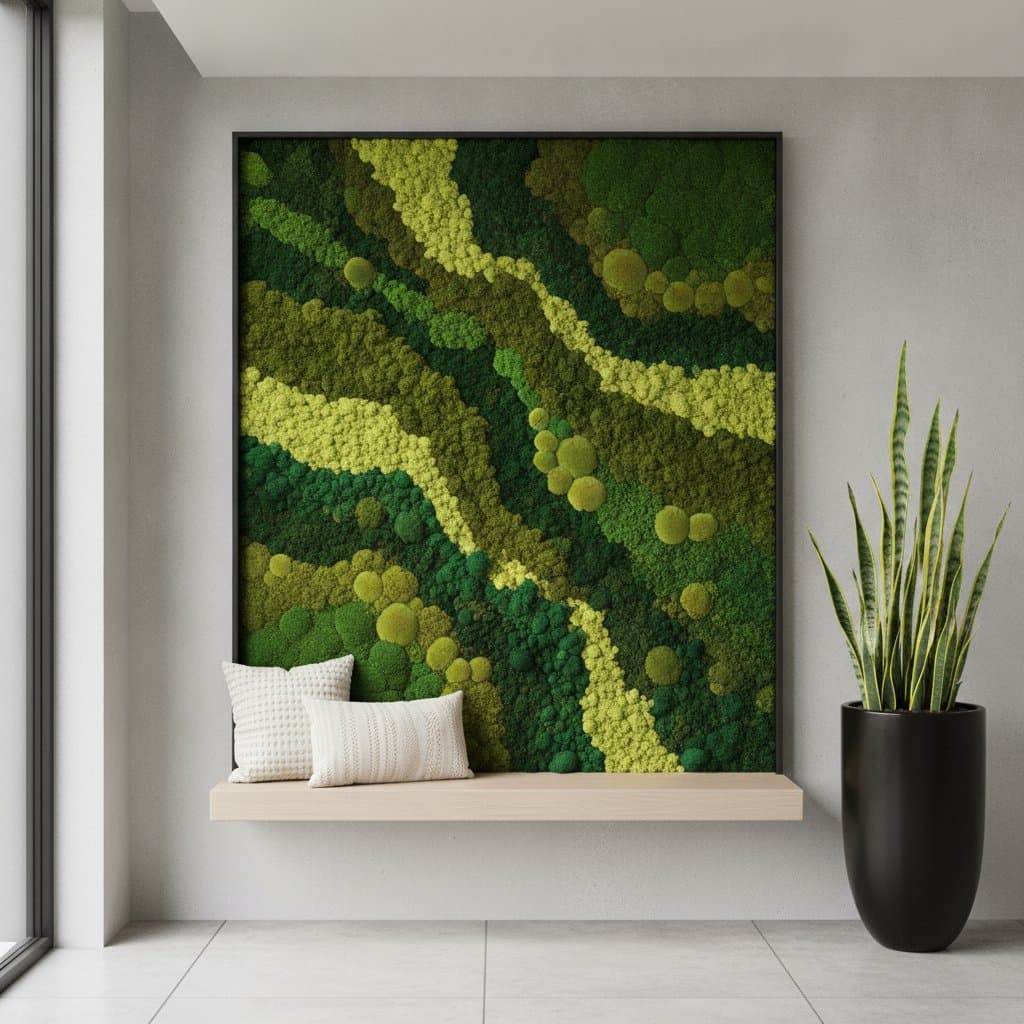
Spread adhesive evenly on the backing in sections, pressing moss pieces firmly into place with overlapping edges for seamless coverage. Incorporate varied moss types and colors to mimic natural growth patterns, adding depth and realism. For live moss, mist lightly with distilled water throughout to maintain pliability and prevent cracking.
-
Mount the wall
Position the assembled panel against the installation site, using a level to confirm even placement. Drill pilot holes and insert heavy-duty wall anchors or lag screws for firm attachment. Maintain a 1- to 2-inch air gap using spacers to facilitate circulation and reduce condensation buildup.
-
Water and maintain
For live installations, apply a fine mist of rainwater every 3 to 5 days, adjusting based on weather. Integrate a timer-controlled drip system for automated care in larger setups. Preserved moss requires only occasional gentle brushing to remove dust, preserving its lush appearance without moisture.
Quality Control and Longevity
Conduct bi-weekly inspections to detect early signs of dehydration, such as browning edges, or fungal development indicated by unusual spotting. Live moss maintains optimal health when it retains a soft, resilient texture without excess saturation. Preserved moss withstands indirect light best; relocate if fading occurs from prolonged exposure.
Seasonal checks of anchors and frame stability occur twice yearly, tightening loose fittings as needed. In humid climates, enhance airflow with subtle perforations in the backing. Well-executed moss walls endure 5 to 10 years or more, evolving into mature features that enhance property value.
Employ natural care practices for vitality. Live moss benefits from untreated water sources, avoiding chlorine that inhibits growth. Preserved options refresh through light applications of a glycerin-water solution, restoring subtle sheen without altering composition.
Pro Tips for Success
- Select moss varieties adapted to your area's temperature ranges and precipitation levels, consulting regional guides for best matches.
- Employ a handheld mist sprayer for watering to avoid disturbing delicate layers, unlike high-pressure hoses that erode surfaces.
- Integrate complementary elements like trailing vines or small succulents to create multidimensional vertical gardens.
- Opt for preserved moss in arid environments to eliminate hydration demands and simplify routine care.
- Apply penetrating wood sealers to all framing prior to assembly, forming a barrier against moisture infiltration and decay.
Experiment with scale during initial planning. Start with a 4-by-4-foot panel to build confidence before expanding.
Enhancing Your Home with Moss Walls
Moss walls extend beyond ornamental value, serving as active contributors to healthier surroundings. They purify ambient air by trapping pollutants, dampen external noise for quieter living spaces, and temper harsh architectural lines with organic softness. Integration into routines proves seamless: clear fallen leaves weekly, prune excessive growth quarterly, and monitor hydration amid droughts.
As the installation matures, it develops richer textures and denser coverage, embodying skilled execution and ecological mindfulness. Homeowners witness not only aesthetic transformation but also a deeper connection to nature, fostering enduring satisfaction in their crafted outdoor haven.