Acoustic Art Panels: Blending Sound Control with Interior Elegance
In a thoughtfully arranged living room, elements such as lighting and furniture often capture attention first. Sound quality, however, shapes the overall experience more subtly. Acoustic art panels address this by integrating advanced noise absorption with sophisticated visual appeal, creating environments that soothe both ears and eyes.
Core Benefits of Acoustic Art Panels
- These panels merge acoustic engineering with artistic elements, converting practical sound management into decorative focal points.
- Urban environments and expansive layouts fuel demand for solutions that deliver tranquility without sacrificing aesthetics.
- Options include fabric-covered foam, wooden slats, and patterned tiles, each contributing unique textures and noise-handling properties.
Customization enables alignment with diverse styles, ranging from subtle tones to vibrant accents.
Proper installation ensures maximum effectiveness, balancing visual harmony with acoustic performance.
Addressing Common Sound Challenges
Imagine a family settling in for an evening film. The audio system activates, yet echoes distort the soundtrack, and external noises intrude. Such disruptions diminish enjoyment and comfort. Acoustic art panels mitigate these issues by strategically absorbing and diffusing sound, fostering a more immersive and peaceful setting.
The Growing Demand for Acoustic Serenity
Urban density amplifies everyday sounds, impacting well-being and focus. Open-plan designs, though architecturally pleasing, tend to propagate noise across spaces. Acoustic art panels provide an elegant countermeasure, aligning with contemporary preferences for refined interiors.
Professionals now view acoustics as integral to sensory design, akin to visual or olfactory elements. A visually striking room that echoes uncomfortably falls short of its potential. These panels bridge that divide, enhancing both form and function.
Evolution from Professional to Residential Use
Recording studios have long relied on acoustic treatments to optimize sound clarity. Traditional versions prioritized utility over appearance, featuring plain, unobtrusive forms. Recent advancements allow these treatments to serve as prominent decor.
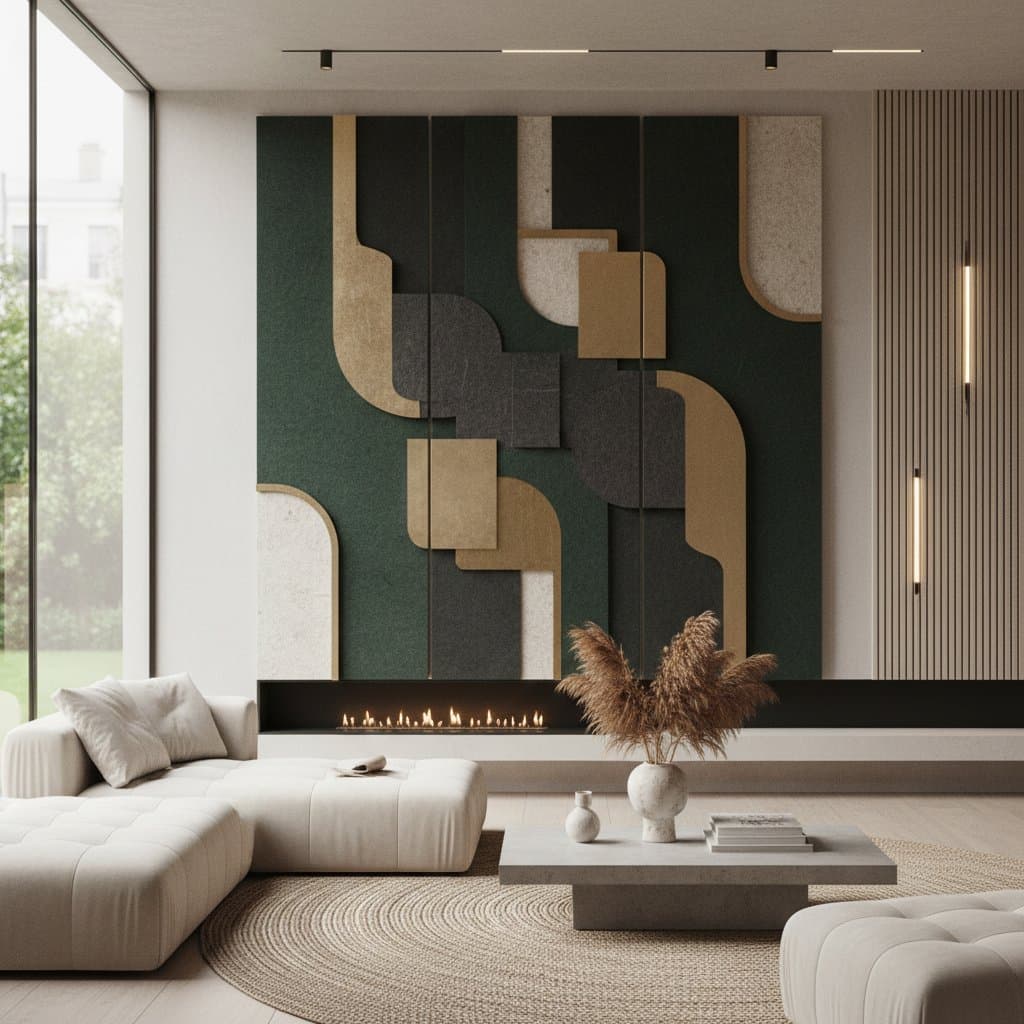
Contemporary panels mimic artworks, from abstract compositions to woven-like structures. Materials combine durability with style: fabrics printed with bespoke images, woods offering organic grains, or raised patterns that interact with illumination.
How Acoustic Art Manages Sound
These panels capture sound waves to prevent reflection and buildup. Different compositions target specific frequencies for comprehensive control.
- Foam constructions excel at high pitches, such as speech or utensil sounds.
- Fiberglass encased in fabric handles moderate tones, suiting social gatherings.
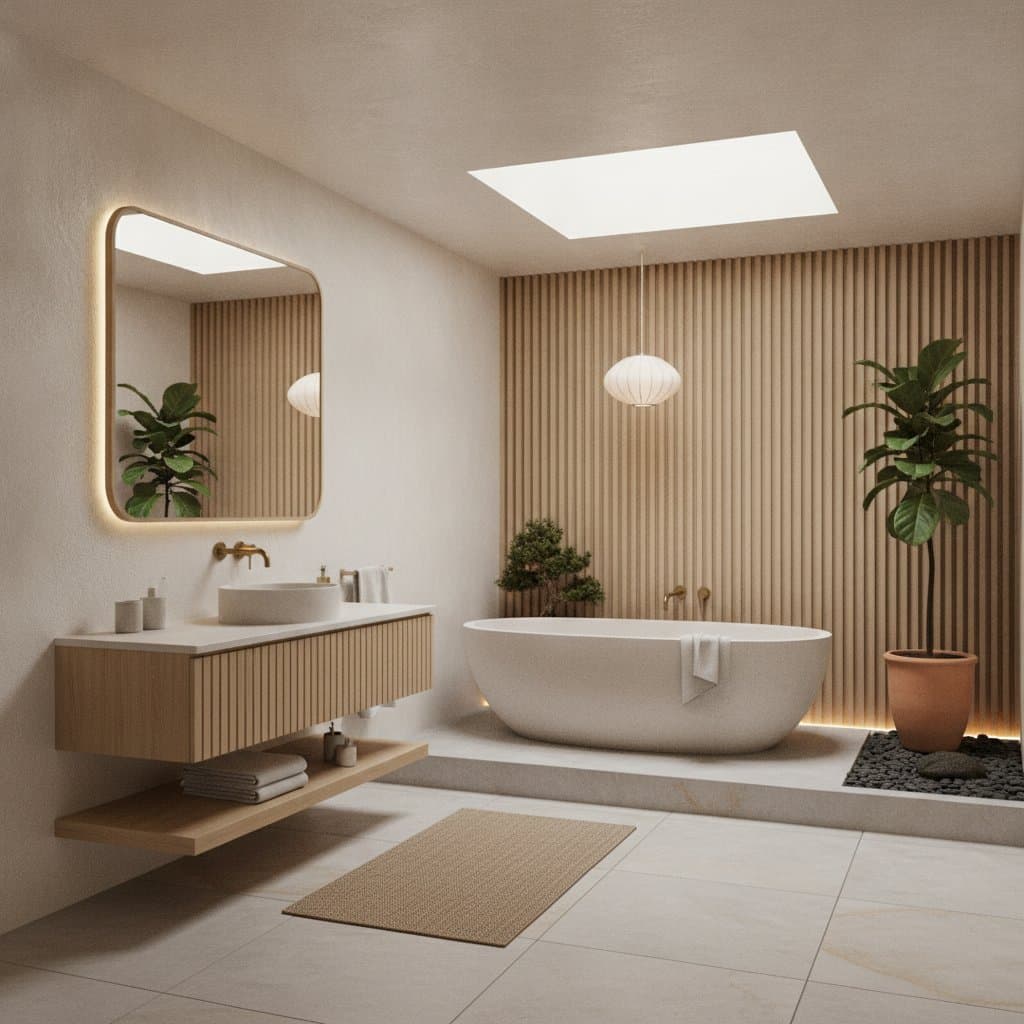
- Slatted wood arrangements disperse audio evenly, preserving vitality without excess muffling.
Achieving equilibrium requires careful selection. Overabsorption results in dullness, while insufficiency permits chaos. Experts blend types and positions to tailor outcomes.
Personalizing Panels for Style and Function
Beyond noise reduction, acoustic art enables self-expression through design. In streamlined residences, neutral fabric panels integrate discreetly. Artistic workspaces might showcase vivid, segmented forms as bold declarations.
Homeowners often request tailored motifs, like scenic images or geometric motifs, effectively curating private exhibitions. Interior specialist Lena Ruiz, experienced in luxury projects, notes that acoustics now feature prominently in client discussions. Clients seek spaces where auditory and visual elements harmonize seamlessly.
Strategic Placement for Optimal Results
Positioning influences efficacy as much as aesthetics. Consider these locations:
- Adjacent to seating: Captures direct sound from dialogue or media.
- Facing windows: Counters reflections from hard surfaces.
- Overhead or in recesses: Maintains openness while refining acoustics.
- Near entrances or partitions: Limits transmission between areas.
Specialists employ analysis software to identify hotspots, ensuring installations enhance both utility and design symmetry.
Eco-Conscious and Innovative Options
Sustainability shapes material choices, with recycled plastics, cork derivatives, and certified woods gaining popularity. These selections support environmental goals without compromising performance.
Advanced variants incorporate technology, such as adaptive sensors for dynamic adjustment or screens for evolving displays. Such features underscore a commitment to versatile, responsible design. Balanced acoustics permit natural sounds to enrich rather than dominate the environment.
Influence from High-Profile Adopters
Prominent figures in entertainment have popularized acoustic art through showcased interiors. Recording artists and performers integrate striking panels into visible areas, highlighting their dual role in creativity and calm.
Media coverage in design publications accelerates adoption. When influential homes display these elements alongside luxury furnishings, they inspire broader interest. This positions acoustic art as an essential component of upscale living.
Steps to Integrate Acoustic Art
Begin by assessing your space's acoustic needs, whether for full isolation or gentle moderation. Engage a designer versed in both visuals and sound dynamics.
- Initiate with a single feature wall to gauge impact.
- Combine varied surfaces for layered effects on sight and sound.
- Select durable, high-performance products for longevity.
- Incorporate bespoke elements to align with personal vision.
Post-installation, benefits emerge clearly: enhanced dialogue, deeper audio immersion, and an overall sense of repose. Acoustic art elevates living rooms into sanctuaries where design and acoustics unite for enduring satisfaction.