Taming Echo in Modern Homes: Acoustic Panels as Stylish Sound Solutions
Modern homes often suffer from excessive echo due to open layouts and hard surfaces. These spaces amplify sound, creating discomfort during conversations or media viewing. Acoustic panels address this issue by absorbing reflections, transforming noisy environments into balanced retreats.
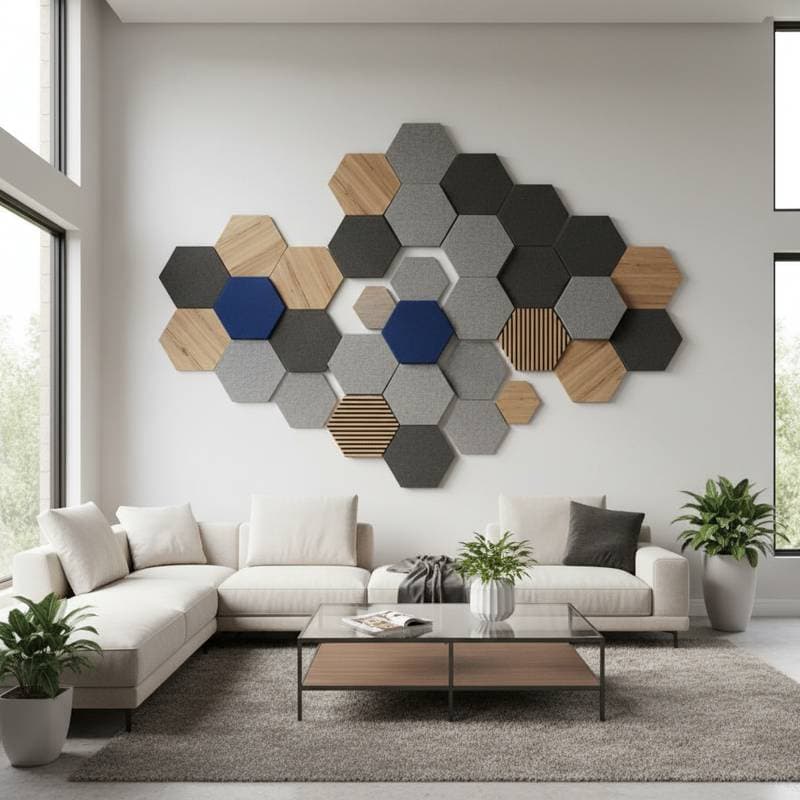
In 2026, these panels extend beyond functional use into decorative elements. Homeowners integrate them as wall art, enhancing both aesthetics and acoustics. This approach creates rooms that engage the senses fully.
Understanding Echo in Contemporary Interiors
Open-plan designs prioritize visual appeal with expansive windows, polished floors, and sparse furnishings. Such elements reflect sound waves efficiently, leading to prolonged reverberation. Over time, this acoustic imbalance contributes to fatigue and reduced enjoyment of the space.
How Acoustic Panels Function
These panels consist of porous cores, such as fiberglass or mineral wool, encased in fabric. Sound waves penetrate the material, dissipating as minimal heat through internal friction. The result is reduced echo and improved audio fidelity without altering room volume.
Distinguish absorption from soundproofing: the former manages internal echoes, while the latter isolates external noise. For home settings, absorption suffices to create inviting atmospheres. Panels excel in living areas, offices, and media rooms.
Evolution into Decorative Elements
Early panels served utilitarian purposes in studios and offices. Current designs incorporate vibrant fabrics, custom prints, and varied shapes to complement interiors. Options range from abstract patterns to photographic reproductions, ensuring seamless integration.
This versatility allows panels to function as focal points or subtle accents. In minimalist schemes, neutral tones provide understated elegance. Bold selections add personality without overwhelming the design.
Planning the Installation Project
Effective results demand strategic placement over random application. Target primary reflection points to maximize impact. Coverage of 20 to 30 percent of wall surfaces typically yields noticeable improvements in standard rooms.
Select materials based on performance and appearance: fabric-wrapped fiberglass offers superior absorption and refinement compared to basic foam. Consider mounting options like brackets for durability or adhesives for simplicity. Consult guidelines for weight and surface compatibility.
The process suits those with basic skills, akin to framing artwork. For complex setups, engage an acoustics expert to optimize layout.
Essential Tools and Materials
Prepare thoroughly to streamline installation and ensure stability.
Tools:
- Tape measure
- Level
- Stud finder
- Drill or screwdriver
- Pencil or chalk line
- Utility knife or scissors
- Ladder
Materials:
- Acoustic panels
- Mounting hardware (brackets, clips, or adhesives)
- Screws or anchors
- Touch-up paint
- Cleaning cloths
Verify wall conditions: cured paint supports adhesives, while studs accommodate screws for heavier units.
Installation Steps
-
Locate Reflection Zones: Position yourself in key areas and clap sharply. Note the initial echo sources, often opposite sound origins or on large walls. Mark with tape.
-
Plan Coverage: Aim for 20 to 30 percent wall treatment. Design layouts that align with room aesthetics, favoring symmetry for cohesion or asymmetry for visual interest.
-
Surface Preparation: Wipe walls clean of debris. Level marks ensure precise alignment; drill pilot holes if required.
-
Secure Panels: Follow product directives for attachments. Position and fasten firmly, using studs where possible. Anchors handle non-stud locations.
-
Verify Results: Assess visual and auditory outcomes. Clap or play audio to confirm reduced reverberation and balanced sound.
Resolving Installation Challenges
Persistent Echo in Areas: Add panels or ceiling treatments to uneven zones. Iterative adjustments refine absorption.
Mounting Failures: Transition from adhesives to mechanical fixes on irregular surfaces. Proper anchors prevent detachment.
Design Mismatches: Frame panels or apply custom fabrics for harmony. This elevates them to intentional decor.
Space Constraints: Opt for ceiling or behind-furniture placements. These target reflections effectively in compact areas.
Professional Assistance Scenarios
DIY suits small-scale projects, but experts benefit larger or specialized spaces like theaters. Consultants measure reverberation for tailored recommendations, avoiding ineffective purchases.
Seek professionals for integrations involving electrical elements or elevated installations. Their equipment ensures safety and precision.
Advantages Extending to Comfort and Function
Beyond echo reduction, panels clarify speech and minimize distractions, ideal for remote work or gatherings. They foster psychological ease by eliminating auditory clutter.
Enhanced acoustics amplify media enjoyment and highlight decor. The space feels more cohesive and restful overall.
Budget Considerations
Costs span from affordable foam to premium custom fabric panels. Blend visible decorative pieces with utilitarian ones for economy.
DIY construction cuts expenses: frame fiberglass with wood, cover in acoustic fabric, and secure. This yields professional results at lower cost.
Practical Recommendations
- Test placements with temporary mounts to evaluate acoustics.
- Vary panel thicknesses for comprehensive frequency control.
- Address corners with bass traps to eliminate low-end buildup.
- Choose reversible methods for rentals.
- Coordinate colors with surroundings for integrated appeal.
Achieving Acoustic Harmony
Acoustic panels elevate homes by merging form and function. They deliver immediate sensory improvements, from clearer dialogues to subdued ambient sounds. Start with a single room to experience the shift toward serene living.