Key Points
- Acoustic panels minimize echoes, absorb sound waves, and refine room acoustics while serving as decorative elements.
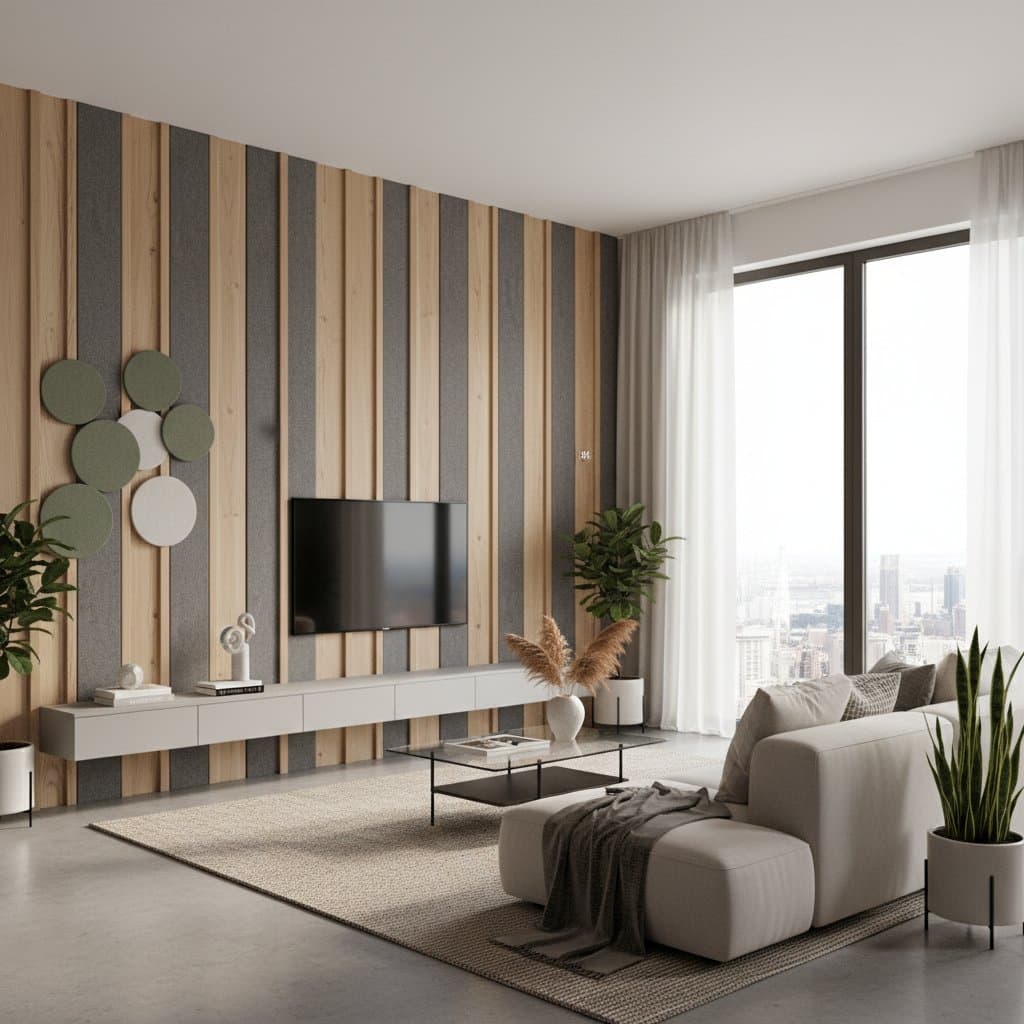
- Contemporary designs position panels as art pieces, focal walls, or understated architectural details.
- Choices in placement, materials, and installation influence both acoustic effectiveness and visual harmony.
- Available types include fabric-covered cores, wooden slat systems, and recycled felt panels ideal for home settings.
- Installation suits DIY approaches with simple tools, but experts advise professional help for extensive or intricate setups.
Understanding Sound Dynamics
Sound waves mirror light waves in their behavior, bouncing off rigid surfaces like walls, windows, and floors. Within confined spaces, these bounces generate reverberation that muddles voices, heightens ambient noise, and leads to listener fatigue. Acoustic panels address this issue by transforming sound energy into minimal heat via porous structures that capture vibrations instead of redirecting them.
Evaluating Room Acoustics
Start by examining the room's sound characteristics. Position yourself in the middle and clap sharply. A lingering echo signals excessive reverberation, whereas a quick decay points to adequate absorption. Spaces dominated by hard elements, like tiled floors or expansive glass, demand greater treatment compared to those softened by carpets or upholstery.
Factor in the room's primary use.
- In home offices, position panels around conversation areas to sharpen voice intelligibility on video calls.
- Living areas require even distribution to curb echoes yet preserve the energy of discussions.
- Dedicated home theaters call for focused panels behind audio sources and on flanking walls to ensure precise sound delivery.
Calculate wall areas and ceiling dimensions for coverage estimates. Residential spaces often reach optimal acoustics with panels occupying 15 to 25 percent of wall surfaces. This proportion delivers control without dominating the visual field.
Preparation Essentials
Required Tools and Supplies
Assemble these for a typical project:
- Measuring tape and spirit level
- Stud detector plus adhesive fasteners
- Utility knife or fabric shears for cuts
- Screwdriver or power drill
- Selected panels along with brackets or adhesive options
Selecting Materials
- Fabric-Wrapped Panels: These feature fiberglass or foam centers encased in choice fabrics, offering robust absorption in tailored hues and motifs.
- Wood Slat Panels: Slender wood strips overlay acoustic backing, merging functionality with organic appeal for modern interiors.
- Felt or PET Panels: Crafted from recycled plastics, these provide lightweight, sustainable solutions in versatile, interlocking shapes.
Preparation Precautions
Don gloves and a respirator when working with fiberglass or wool-based cores to avoid irritation. Clean walls thoroughly, ensuring dryness for optimal adhesion or anchoring. Near outlets, verify that fasteners avoid electrical lines to prevent hazards.
Installation Process
- Design the Layout: Draw the wall layout and indicate panel positions. Distribute them symmetrically to foster balance.
- Prepare the Surface: Clean walls free of residue or grease. Address any flaking paint or bumps that might compromise bonds.
- Choose Attachment Methods:
- Opt for adhesive pads on light felt or foam units.
- Employ Z-clips, furring strips, or screws for substantial wood or hybrid panels.
- Align the Panels: Initiate from the room's center and expand outward. Employ a level for precise horizontal lines.
- Apply Spacing and Patterns: Maintain uniform intervals for grid effects, or join edges for continuous surfaces.
- Verify Results: Post-installation, test with audio playback or spoken words. Identify echoes or overly muted areas, then adjust placements accordingly.
In expansive rooms, alternate panel positions on opposite walls to disrupt parallel sound paths. For theaters, pair wall panels with corner bass absorbers to handle deep tones effectively.
Ensuring Quality
Examine attachments for firmness and alignments for consistency. Test edges by gentle pressure to confirm secure holds. Loose spots may vibrate or underperform.
Reperform the clap test or assess audio clarity. Sharper focus and reduced muddiness confirm success.
Review how panels mesh with surroundings. Aim for deliberate integration that unites utility and beauty, avoiding a patchwork appearance.
Upkeep and Durability
Panels demand little maintenance. Remove dust using a soft brush or vacuum nozzle regularly. Steer clear of abrasives or water, which harm coverings or bonds. For wood elements, use a lightly moistened cloth and dry promptly.
Conduct yearly checks for sagging, fading, or loosening. Refresh or replace affected units. Fabric models allow simple reupholstering if frames endure.
Harmonizing Acoustics and Aesthetics
Design innovations elevate panels from basic absorbers to stylish features. Options now include bespoke forms, imaged surfaces, and adaptable arrays that function as wall art. Integrate them into displays, bed surrounds, or overhead elements to layer depth and serenity.
Hue choices shape ambiance alongside acoustics. Deeper shades foster coziness in media or study zones, while pale tones keep communal areas light. Textures add tactile interest, particularly with woods like oak or fibers such as wool.
Match finishes to adjacent items and illumination. Matte textiles manage light and mid-tones alike, whereas varnished woods bounce light but tame vocals. Such alignments craft unified realms where auditory and visual cues align seamlessly.
Strategies for Optimal Results
- Begin modestly: Outfit a single wall, assess outcomes, then scale up.
- Target corners: Thicker units there capture bass buildup for even tone.
- Layer treatments: Pair absorbers with scatterers or floor coverings for full-spectrum management.
- Build in adaptability: Select releasable hardware for future shifts in layout.
- Seek expertise: In multifunctional rooms, acoustic specialists guide density and positioning.
Effective treatments yield profound daily benefits, mirroring aesthetic enhancements. Spaces grow tranquil, dialogues gain ease, and distractions fade. Through precise execution and stylistic insight, interiors emerge that resonate as superbly as they appear.