Acoustic Moss Walls: 2026's Smart Soundproof Decor
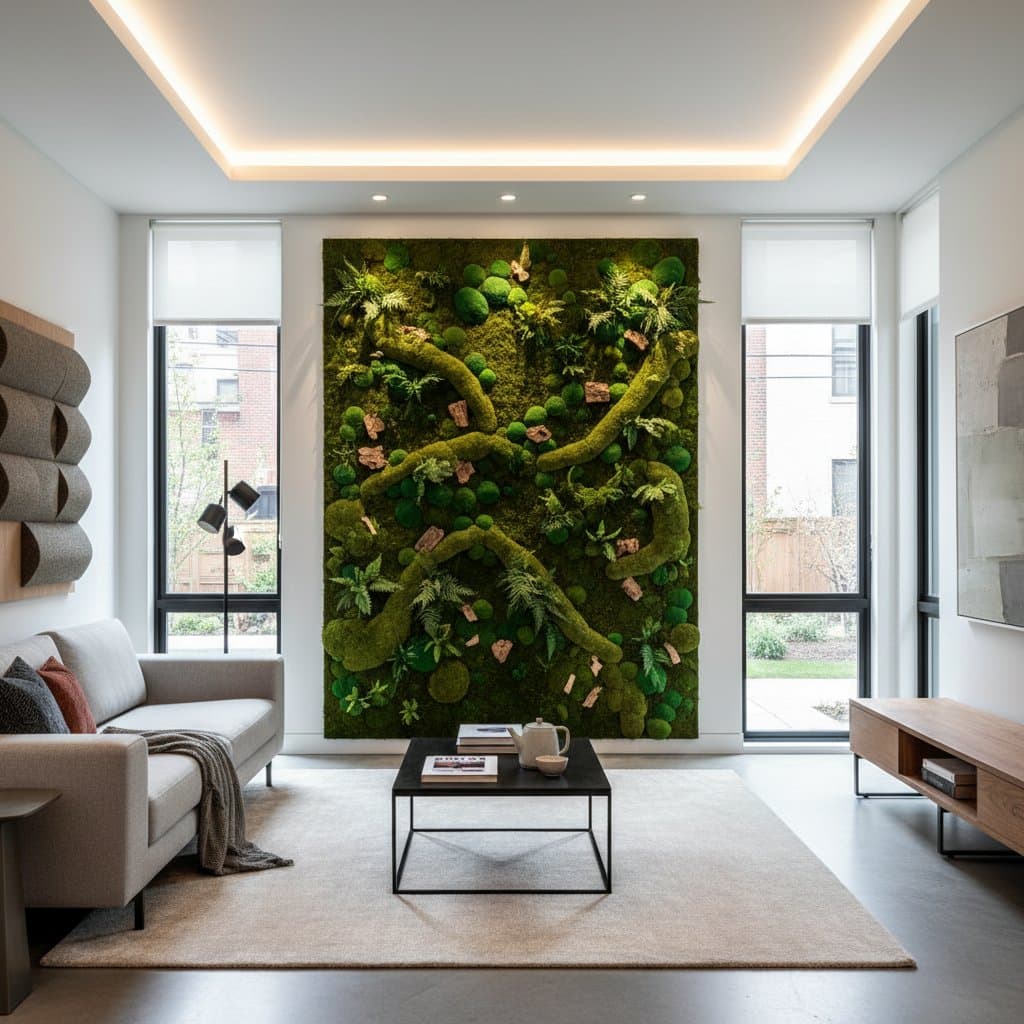
Moss once seemed suited only to forests or shaded garden spots. The concept of incorporating it into indoor spaces appeared unconventional, perhaps limited to scientific displays or luxury spas. However, persistent noise from remote work environments, such as echoing conference calls in shared areas, draws attention to innovative solutions for tranquility. Acoustic moss walls emerge as elegant soundproofing options that enhance modern interiors with subtle sophistication.
Recognizing the Need for Better Sound Control
During a focused writing session, external disturbances like a neighbor's leaf blower, distant barking, and appliance cycles intrude without mercy. Thin walls amplify these issues, rendering common remedies ineffective. Heavy curtains, area rugs, and furniture rearrangements provide minimal relief. A visit to a quiet Manhattan café revealed the solution: vibrant green panels that muted urban clamor. The staff identified them as acoustic moss installations, prompting further investigation into their potential.
Understanding Acoustic Moss Walls
Installing and Evaluating in a Home Setting
Begin with a modest panel to assess impact. Upon arrival, the piece carries a subtle earthy scent reminiscent of damp woodlands. Position it strategically, such as behind a desk, to observe changes in acoustics.
Immediate effects include reduced reverberation and a softer auditory environment. Voices during virtual meetings gain warmth and clarity. Expanding to multiple panels forms a cohesive green accent, enhancing both aesthetics and quietude. Even skeptical observers note the improvement, and pets appear more relaxed in the treated area.
Factors Driving Their Popularity
These walls align with preferences for multifunctional, rejuvenating living spaces. Individuals seek environments that deliver visual appeal alongside practical benefits like noise reduction and minor air filtration. The biophilic design fosters a connection to nature, free from the upkeep of living greenery.
Versatility accommodates diverse aesthetics. A solitary panel accents minimalist designs as a focal point. Expansive installations suit rustic or eclectic styles, providing immersive natural backdrops. Commercial settings adopt them for partitioning noise in collaborative zones.
Renters benefit from portable, non-invasive options. Lightweight modules attach via adhesive strips, allowing easy relocation without surface damage.
Addressing Maintenance Concerns
Preserved moss requires no watering, as a stabilization process secures its hydration and hue. Sunlight, pruning, or soil prove unnecessary. Excess moisture poses the primary risk, so placement in low-humidity areas proves ideal.
Direct sun exposure may cause fading, favoring interior positioning away from windows. Dry climates or intense climate control systems benefit from nearby humidifiers to preserve suppleness. Routine care involves light brushing or low-suction vacuuming to remove dust.
Selecting Styles and Optimal Locations
Varieties include flat sheet moss for sleek uniformity or textured reindeer and pillow moss for dimension. Custom designs blend types or form patterns, adding sculptural interest.
Target high-reflection areas for maximum efficacy, such as offices, lounges, or corridors. In personal experience, desk-adjacent placement minimizes voice bounce during communications.
For feature walls, incorporate framing with wood or metal accents to maintain balance. Avoid full coverage to prevent visual overload, opting instead for deliberate, framed segments.
Cost Considerations and DIY Approaches
Custom professional setups escalate in expense for broad areas, yet ready-made panels offer accessible entry points via online retailers. Secure them with hooks or adhesives for straightforward assembly.
DIY enthusiasts utilize kits featuring preserved moss on foam bases. Select high-quality materials to ensure durability; avoid brittle craft varieties that degrade quickly.
Test with a compact 2-by-2-foot section. This scale delivers noticeable sound dampening and introduces natural elements affordably, building confidence for larger projects.
Experiencing the Lasting Impact
Over time, the installation transforms the workspace into a serene retreat. Beyond acoustics, the verdant presence promotes mindfulness amid routines. It invites inquiries during remote interactions, often inspiring others to explore similar enhancements.
Integrating Tranquil Design Elements
Acoustic moss walls deliver dual advantages of beauty and utility, redefining interior peace. Consider them for targeted noise challenges, selecting configurations that harmonize with existing decor. This approach yields enduring calm without complexity.