Key Principles of Magnetic Storage
Magnetic storage systems elevate small bathrooms by utilizing overlooked vertical and concealed areas. These setups enable easy reconfiguration to combat clutter effectively. Homeowners gain the ability to adapt arrangements as daily routines shift.
Selecting the right magnetic organizers ensures stability and longevity. Systems that prioritize corrosion resistance perform best in moist conditions. Modular components provide ongoing flexibility without structural changes.
Understanding the Technology
Small bathrooms typically face storage challenges due to poor distribution of space rather than outright scarcity. Traditional shelves often fail to reach hidden spots effectively. Magnetic systems address this by harnessing the pull between magnets and ferrous metals to secure items on walls, mirror borders, and cabinet interiors.
Evaluating Your Space
Start by examining key bathroom features to inform your magnetic storage plan.
- Surface Compatibility: Magnets bond to steel or iron elements. For tiles, glass, or synthetics, install ferrous backing sheets or stick-on metal strips.
- Humidity Levels: Pinpoint zones with frequent splashes or steam buildup. Select sealed, moisture-repellent magnets for areas adjacent to fixtures like showers or basins.
- Load Capacities: Review pull-force specifications for each magnet assembly. Align these with item weights, incorporating a 25 percent buffer for security.
- Fixture Integration: Survey open walls beside sinks, over commodes, and within storage units. Steer clear of positions that might disrupt electrical or water systems.
- Ergonomic Factors: Account for user height, item access patterns, and movement paths to promote ease and prevent accidents.
Documenting these elements establishes a solid foundation for product choices and setup viability.
Preparation Steps
Essential Supplies
Gather strong neodymium or ferrite magnets featuring protective layers. Include adhesive ferrous panels and mounting hardware resistant to rust, along with silicone-based sealants. Prepare surface cleaners, a tape measure, spirit level, and erasable markers.
Safety Protocols
Wear protective gloves to handle potent magnets and avoid pinch hazards. Maintain distance from cardiac devices, gadgets, and data storage units. Employ adhesives and sealants designed for wet environments. Adhere strictly to load guidelines from producers to prevent dislodgement.
Project Timeline
Divide the work into phases: initial evaluation and marking, base plate attachment, and accessory positioning. Permit full curing of adhesives prior to applying loads. This methodical sequence promotes precision and endurance.
Installation Process
Surface Preparation
Wipe down target areas using a residue-free solution to eliminate grime, residues, and dampness. A pristine, dry base optimizes adhesive adhesion. Sketch mounting locations with a temporary marker for guidance.
Base Plate Attachment
On non-ferrous surfaces, affix steel plates to form attachment sites. Align placements per your diagram, verifying evenness with a level tool. Press down firmly for extended contact; for silicone bonds, spread thinly and await specified drying periods before use.
Sealing Edges
In moisture-heavy spots, apply clear silicone or epoxy to plate and magnet borders. This barrier halts corrosion and prolongs usability. Remove surplus material for a polished result.
Accessory Placement
Secure hooks, racks, or receptacles based on function. Initiate with minimal weights to assess grip. Refine positions for peak utility and equilibrium; position a rack over the vanity for essentials, hooks within doors for utensils, and trays by mirrors for beauty items.
Stability Checks
Exert incremental force on installations to verify firmness. Relocate or reinforce any unstable elements. Store bulkier pieces at waist height to lower drop risks.
Performance Verification
Strength Trials
Post-setup, incrementally add weight to test each unit's hold. Ensure no slippage under stress. Note and swap out any faltering parts promptly.
Durability Checks
Examine for rust or bond weakening in the initial weeks. Apply protective coatings or reseal as needed. Proactive care secures enduring performance.
Functionality Audit
Confirm alignments and usability after routine interactions. Adhesives may settle slightly during curing. Realign to preserve order and comfort.
Ongoing Care
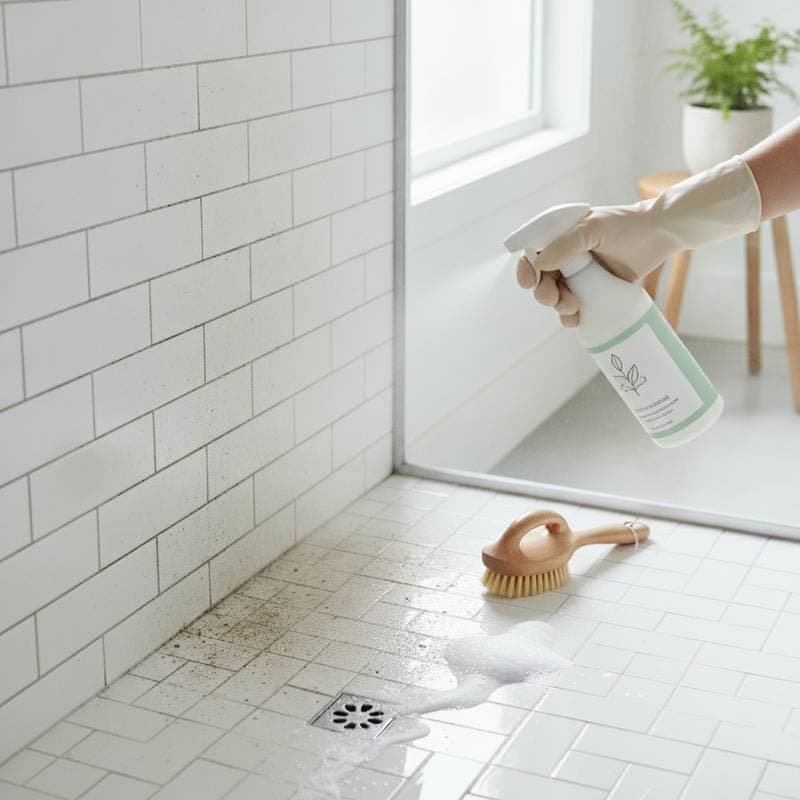
These systems demand little routine attention versus fixed shelves. Wipe surfaces with a moist cloth and gentle soap to clear accumulations. Skip harsh scrubbers that damage finishes. Detach units occasionally to clean undersides and avert trapped dampness.
Monitor individual magnet potency over time. Heat extremes or impacts can weaken fields. Substitute diminished pieces to uphold system integrity.
In steamy bathrooms, install a compact exhaust fan or humidity reducer to protect magnets alongside finishes and seals. Controlled conditions extend the life of all components.
Innovative Uses
Vanity and Mirror Areas
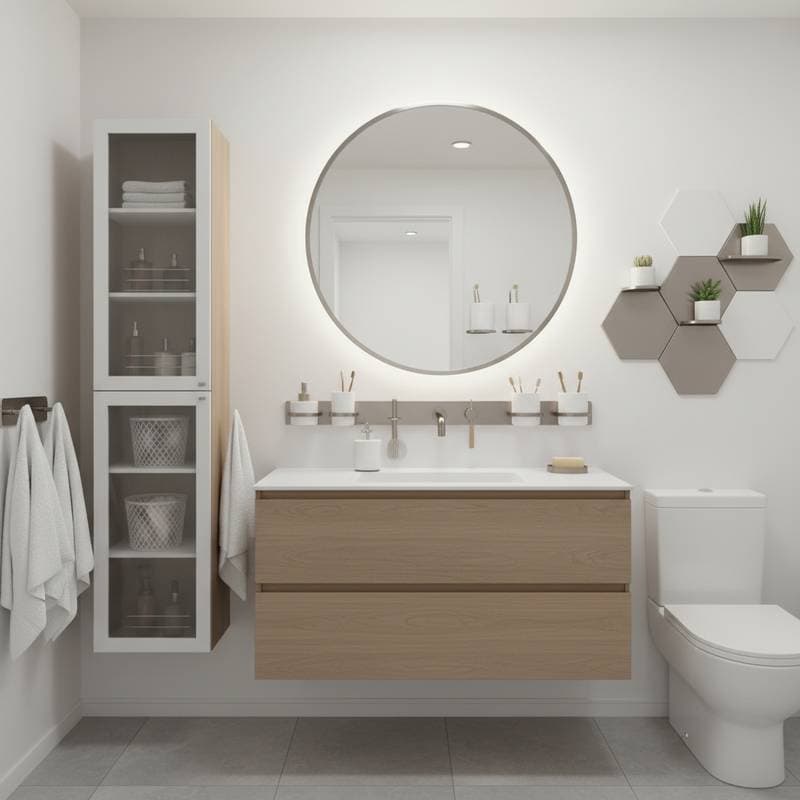
Secure narrow magnetic bars to mirror perimeters for utensils like clippers or pliers. Select adhesive stainless variants for discreet integration. Employ movable trays for varying cosmetic needs.
Shower and Bath Regions
Deploy sealed magnetic ledges on enclosure walls or frames for bath products. Site them away from direct sprays. Add hooks for scrubbers or blades to streamline access.
Cabinet Interiors
Line door backs with peel-off steel sheets for concealed spots holding shears or vials. This clears surfaces while enhancing reach. Renters appreciate the non-committal design.
Multi-Purpose Zones
In laundry-integrated bathrooms, hang magnetic bins near machines for supplies like pods or wipes. This setup fosters efficient retrieval.
Budget and Benefits
Magnetic solutions prove economical by bypassing major renovations or custom builds. Starter kits with plates and add-ons cost a fraction of built-ins. The rearrangeable nature boosts value, curbing future outlays on redesigns.
Expert Recommendations
- Harmonize Styles: Match magnet finishes to hardware like chrome or satin for cohesion.
- Anticipate Changes: Stock extras for routine updates.
- Emphasize Security: Position away from outlets or warmers to avoid disruptions.
- Organize Clearly: Use color markers on holders for shared households.
- Prototype Layouts: Trial spots with removable aids before committing.
Sustaining Organized Spaces
Integrate magnetic storage to foster lasting tidiness in your bathroom. These adaptable tools not only resolve immediate clutter but also support evolving habits. Enjoy a serene, efficient environment that reflects thoughtful design choices.