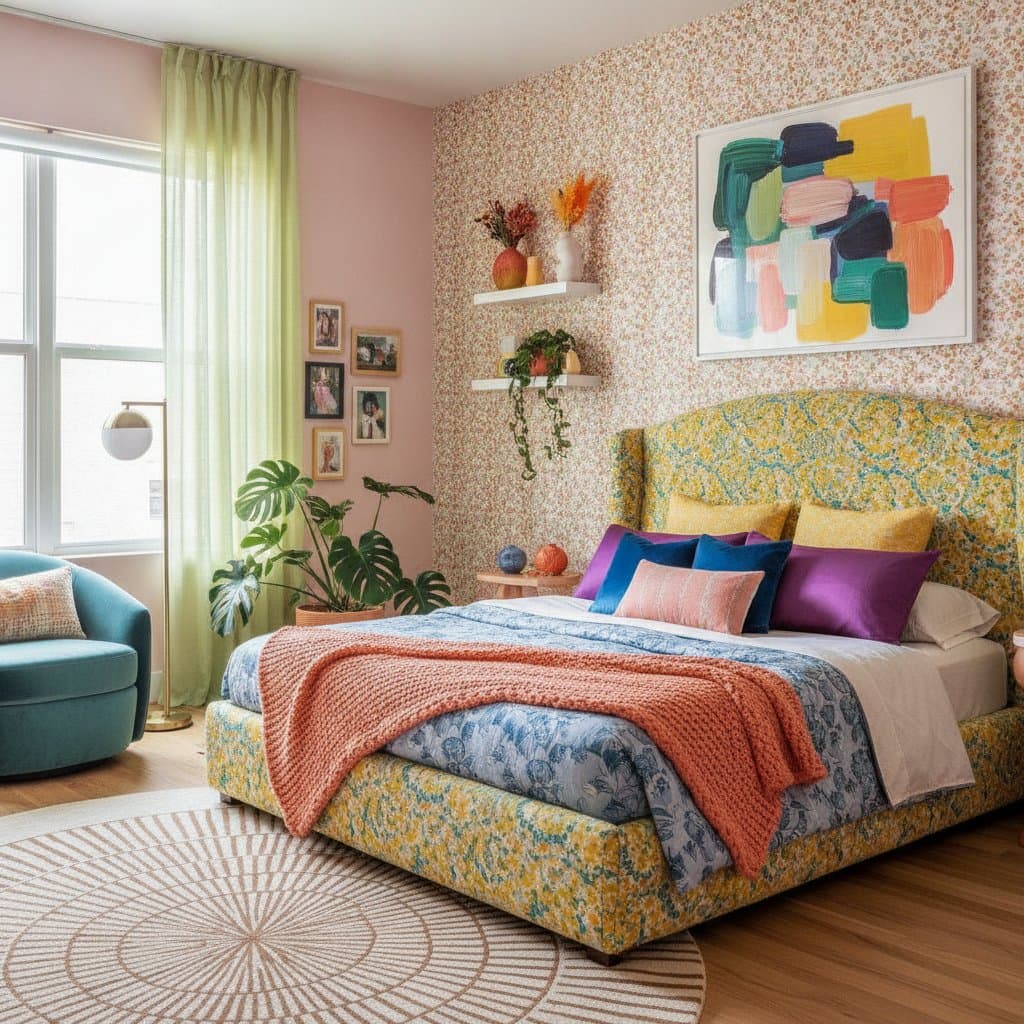
2026's Dual-Purpose Decor: Acoustic Panels as Art
Professionals in interior design recognize that visual appeal alone falls short in creating truly effective spaces. A room may boast elegant furnishings, yet persistent echoes or ambient noise can undermine its serenity. Acoustics influence occupant experience as profoundly as color or form, and current innovations position acoustic panels as both practical solutions and artistic statements.
Why Sound Matters More Than You Think
Effective design addresses multiple sensory inputs, including auditory ones. Hard surfaces such as polished floors, expansive windows, and unpainted walls reflect sound waves, leading to reverberation that fatigues listeners over time. Individuals often shorten interactions or retreat from such areas without realizing the cause.
The Rise of Sound-Absorbing Art
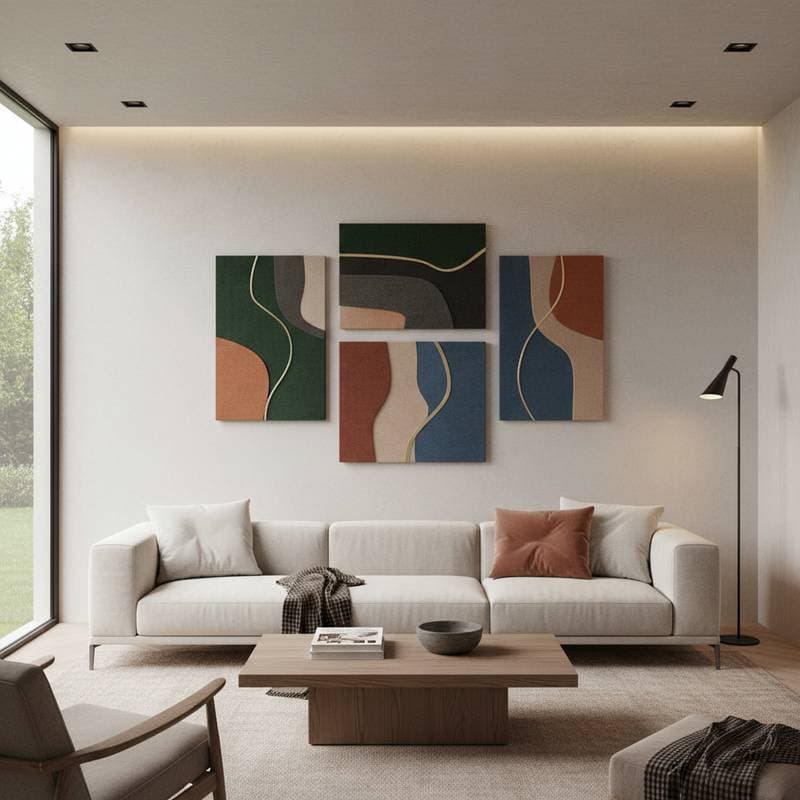
Contemporary creators produce panels resembling gallery-worthy pieces, from expansive geometric forms in plush wool to intricate abstract patterns over absorptive substrates. Three-dimensional wooden configurations also emerge as sculptural accents that enhance wall interest.
This approach aligns beauty with acoustic performance, resulting in environments that invite prolonged engagement. Activities like film viewing, social gatherings, or solitary reading benefit from reduced distractions, allowing focus on the moment rather than the surroundings.
Style Meets Science
Each panel operates through engineered layers that capture specific sound frequencies, minimizing echoes and ambient interference. Materials include dense felt composites, plant-based fibers, reclaimed substances, and precisely drilled timber, all of which diffuse waves while contributing tactile and visual depth.
Selections now coordinate with prevailing color schemes, such as earthy terracottas, subdued foliage hues, and versatile beiges. Personalization options extend to bespoke prints for those seeking vibrant expressions. Installation mirrors artwork placement: position a focal panel above seating or assemble a curated array of varied sizes for dynamic impact.
Where Acoustic Panels Make the Biggest Difference
Certain areas gain pronounced advantages from these treatments. Consider the following applications:
- Home offices: Remote work demands clear audio for virtual meetings. Strategic panel placement eliminates reverb, ensuring professional-grade sound quality.
- Living rooms: Expansive designs amplify chatter and media output. Panels introduce subtle warmth, both visually and acoustically.
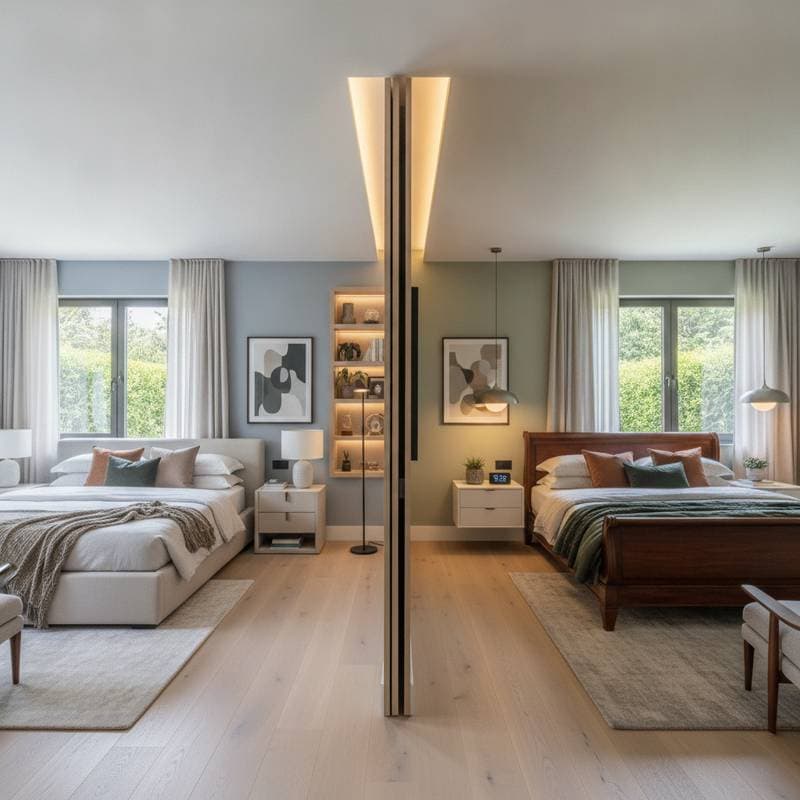
- Bedrooms: Gentle sound control aids relaxation. Mounting panels as a headboard backdrop combines utility with decorative elegance.
- Dining areas: Enhanced clarity elevates shared meals, much like in commercial venues where acoustics influence patron satisfaction.
The transformation proves compelling, often prompting reevaluation of untreated spaces.
Making It Yours
Adaptability defines this design element, accommodating diverse aesthetics from sleek minimalism to eclectic maximalism. Follow these steps for integration:
- Identify acoustic needs. Test by clapping sharply; lingering resonance indicates absorption requirements.
- Select optimal locations. Target expansive vertical planes, such as those adjacent to seating or opposite light sources. Overhead options suit high-ceilinged rooms.
- Incorporate complementary elements. Pair panels with drapery, floor coverings, and cushioned pieces to achieve comprehensive sound management.
- Prioritize suitable materials. Opt for velvety fabrics for intimacy or rigid woods for architectural emphasis.
- Curate as artistic compositions. Encase in frames, cluster asymmetrically, or vary geometries to reflect personal narrative.
One homeowner shared that abstract panels completed their lounge, resolving subtle discomforts while amplifying cohesion. Such outcomes highlight design's capacity to address needs and inspire.
Budget-Friendly Options
Accessible strategies enable effective implementation without premium costs. Explore these alternatives:
- DIY fabric panels: Secure preferred textiles over foam cores or rigid insulators for custom results.
- Wall-mounted textiles: Suspend heirloom rugs to fulfill dual roles in absorption and ornamentation.
- Integrated wall treatments: Select coverings embedded with absorptive threads that maintain surface subtlety.
- Expandable modular systems: Acquire interlocking units for gradual buildup and reconfiguration.
Incremental additions yield measurable improvements, harmonizing with existing routines and resources.
The Aesthetic Shift in Design
This development signals broader priorities in residential planning, emphasizing versatility and sensory equilibrium. Creators innovate with fluid shapes, novel composites, and subtle tonal progressions that enrich spatial perception. Envision clustered motifs evoking natural formations or precise arrays in monochromatic schemes, each expanding creative horizons.
Wellness benefits extend beyond appearance, as moderated acoustics alleviate tension, sharpen concentration, and support restorative sleep. Integrating sound as a core principle cultivates supportive habitats.
Integrating Acoustics for Lasting Harmony
These installations require minimal maintenance, typically just periodic cleaning, and often feature eco-conscious, durable builds. They integrate enduringly, enhancing daily interactions from discussions to downtime.
Adaptability allows periodic updates through reupholstering or repositioning, ensuring longevity. Unlike ornamental-only items, they provide ongoing value, actively refining the atmosphere.
Incorporate acoustics into your planning to achieve balanced, responsive interiors. Select elements that resonate with your vision, fostering spaces that nurture productivity, connection, and repose.