Cordless Steam: Chemical-Free Cleaning Revolution
Homeowners often choose chemical cleaners for their apparent convenience. A quick spray followed by a wipe seems efficient, and the scent suggests thoroughness. However, that lingering odor signals residue rather than purity. Cordless steam cleaners provide a superior option, relying solely on heat and water to clean without leaving traces beyond vapor.
With two decades of home renovation experience, the author has observed numerous cleaning methods. Steam cleaning has existed for years, yet cordless models make it viable for daily application. Freedom from cords allows seamless transitions between tasks, such as cleaning bathroom tiles, kitchen grout, and upholstery.
The Real Challenge with Traditional Cleaning
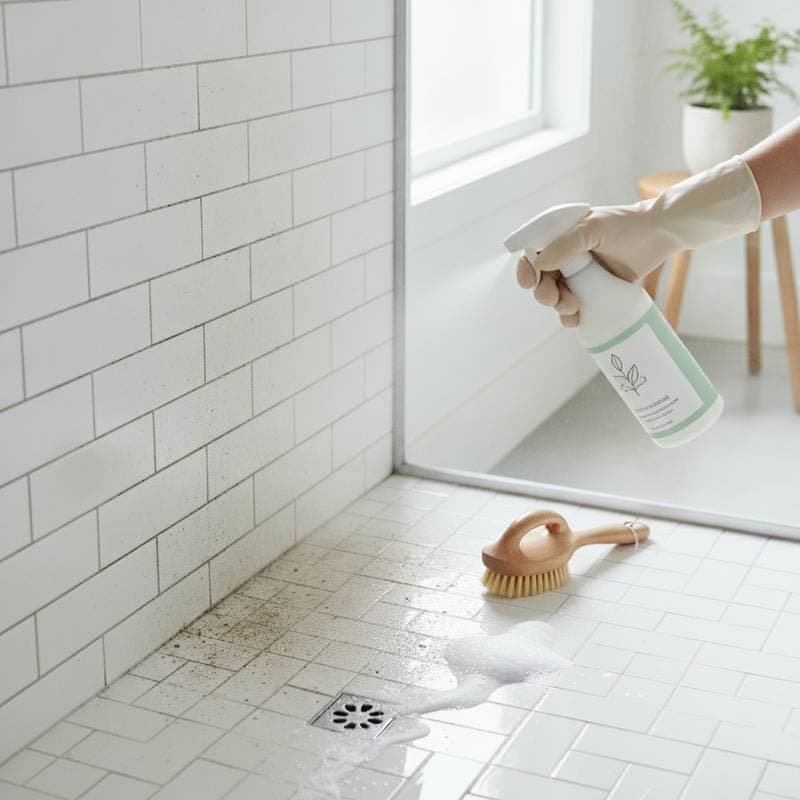
Chemical residues accumulate unnoticed on surfaces. Each application deposits a film that captures dirt more readily, dulls protective finishes, and fosters bacterial growth. This leads to increased effort and product use in a repeating cycle. Additionally, such cleaners may erode sealants, grout, or natural stone over time.
What Cordless Steam Cleaning Actually Involves
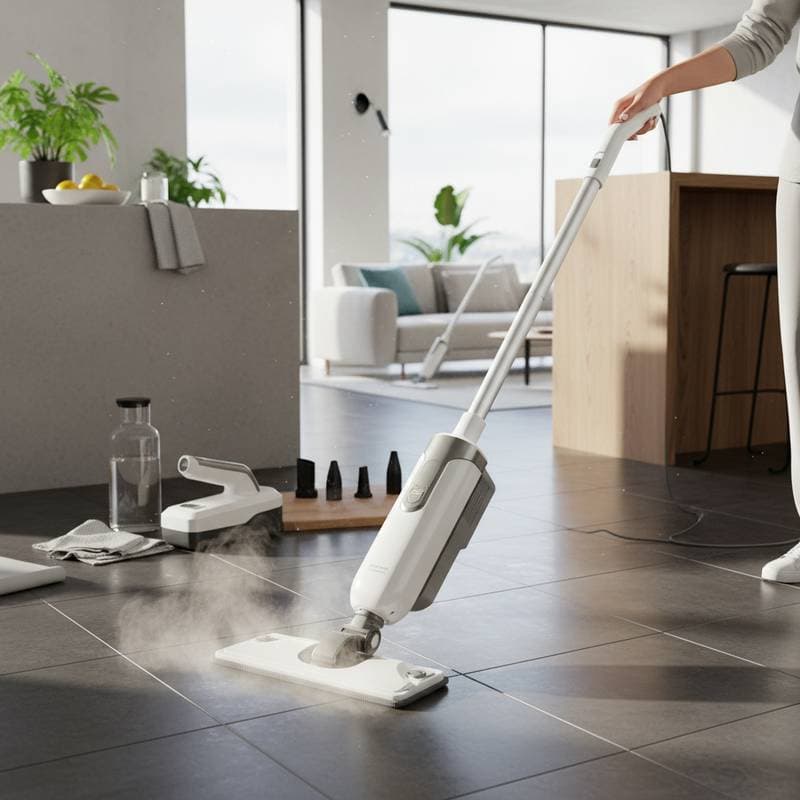
Cordless steam cleaners appear straightforward but incorporate advanced components. A compact boiler or heating element transforms water into high-pressure steam. A rechargeable battery operates the heating system and the motor that delivers steam via nozzles or pads. These devices achieve temperatures sufficient to eradicate common household bacteria and dust mites rapidly.
Mobility stands as the primary benefit. Users navigate homes without restriction, addressing various surfaces in a single session. Most units provide 20 to 40 minutes of runtime per charge, adequate for standard kitchen and bathroom tasks. For expansive areas like tile floors or outdoor furniture, strategic planning or recharging becomes necessary.
Tools, Attachments, and Surfaces You Can Clean
Examine included accessories before use. An effective cordless steam cleaner features:
- A mop head equipped with microfiber pads for floors and walls
- A detail nozzle or brush for grout lines and fixtures
- A fabric or upholstery attachment for furniture and curtains
- A scraper or squeegee for glass and mirrors
Test steam on a hidden spot initially. Avoid applying to unsealed wood, waxed surfaces, or sensitive fabrics, as heat may cause damage. In those cases, a damp cloth remains preferable to prevent warping or discoloration.
Safety and Preparation
Steam cleaning involves hot, pressurized water, presenting burn risks. Wear closed-toe shoes and direct steam away from skin. Allow the device to heat fully before operation to maintain steady pressure and prevent water ejection.
Opt for distilled or filtered water when available. Hard water accelerates wear on heating elements and causes internal mineral deposits. Drain the reservoir after each session to inhibit scaling and protect battery integrity from moisture.
In homes with aged painted surfaces, particularly in historic structures, refrain from direct steaming on peeling paint. Certain legacy coatings contain materials that heat may release unsafely.
Step-by-Step: How to Use a Cordless Steam Cleaner
- Charge the battery completely prior to initial use. Incomplete charges diminish overall battery longevity.
- Fill the water tank to the marked level. Overfilling risks malfunction.
- Select and attach the appropriate nozzle or pad for the surface.
- Await the indicator light or signal confirming operational temperature.
- Deliver steam in brief applications, progressing slowly to permit heat penetration.
- Follow with a microfiber cloth to remove any loosened particles.
- Drain remaining water and launder pads post-session to avert odors and residues.
The method may seem deliberate initially, yet it surpasses the management of diverse chemical products in efficiency.
Troubleshooting Common Issues
Cordless steam cleaners occasionally encounter problems. Pressure loss or water sputtering typically indicates mineral accumulation or insufficient heating. Perform a maintenance flush with a vinegar-water solution, followed by a clean water rinse.
Rapid battery depletion often stems from continuous high-power operation. Switch to eco mode for lighter tasks, as it conserves energy without sacrificing results.
Diminished steam flow warrants pad inspection. Clogged or soiled pads impede performance; clean or replace them regularly. Cool the unit fully before accessing the tank or changing attachments.
When to Call in a Professional
Steam cleaning excels in routine maintenance, yet it addresses symptoms rather than root causes. Mold in wall cavities, severe grout deterioration, or pervasive dampness require expert intervention, potentially including repairs prior to cleaning.
Consumer models prove unsuitable for electrical outlets, painted appliances, or heat-sensitive seals. Professional equipment offers greater power and extraction for intensive carpet or upholstery treatments.
Why Cordless Steam Matters
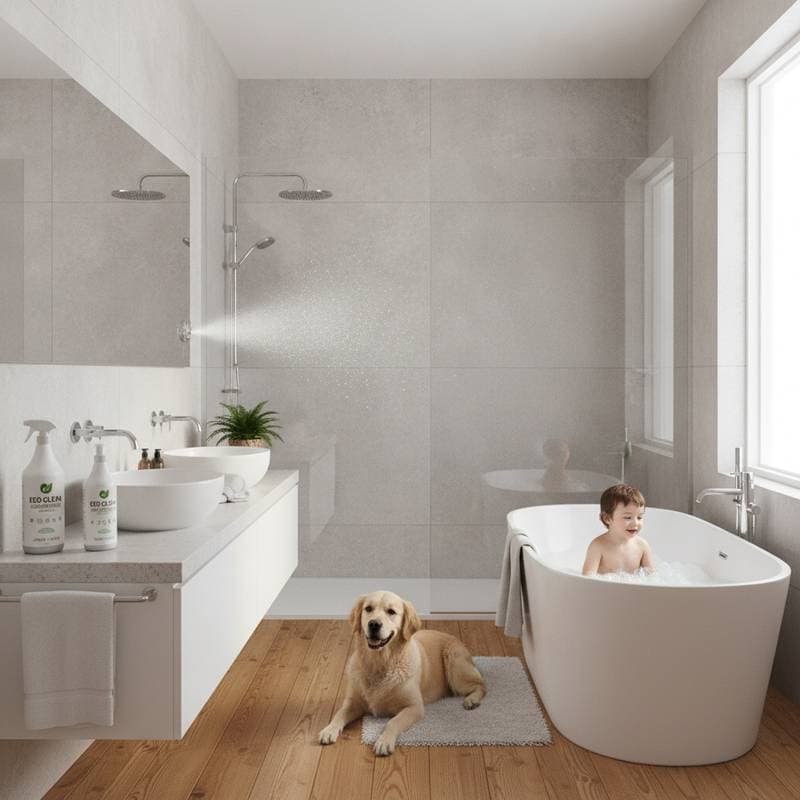
Beyond ease, cordless steam empowers informed choices for home care. Surfaces remain free of chemical films, synthetic fragrances, and inhalation concerns. This approach benefits families with children, pets, or sensitivities to irritants.
Pro Tips for Success
- Vacuum or sweep floors beforehand. Steam handles adhered dirt but not loose particles effectively.
- Employ two pads, alternating midway through extensive cleanings to minimize dirt redistribution.
- Permit full drying of surfaces before foot traffic to eliminate streaks or hazards.
- Position the unit upright with an open tank for air circulation during storage. This discourages internal mold.
- Clear nozzles monthly using a fine brush or compressed air to sustain output strength.
Maintaining Your Investment
Regular upkeep extends device lifespan. Wipe exteriors after use to remove residues. Inspect seals and hoses periodically for wear. Store in a dry, moderate-temperature environment. Adhering to these practices ensures reliable performance across multiple cleaning cycles.