Why Gravel Gardens Outlast Lawns in the Coming Water Crunch
Key Takeaways
- Gravel gardens conserve water while maintaining a lush and inviting appearance
- They reduce maintenance time and costs compared to traditional lawns
- Proper layering and plant selection foster thriving ecosystems
- Gravel designs adapt seamlessly to various climates and aesthetic styles
- Global garden designers lead the shift toward drought-resistant landscapes
When relocating from the lush fields of the Cotswolds to a compact London residence, the challenge of maintaining a diminutive lawn in the back garden became evident. The grass appeared patchy, demanded frequent watering, and required attention during inconvenient moments. Following a severe dry summer, the decision to replace it with a gravel garden, inspired by Mediterranean vistas from family travels in southern France, proved transformative. The space gained immediate visual appeal, needed minimal irrigation, and drew an abundance of bees and butterflies.
Challenges Posed by Water-Intensive Lawns
Lawns symbolize household achievement, but they rank among the most resource-demanding elements of residential landscapes. Landscape designer Harriet James observes, "Grass requires steady moisture, and even drought-tolerant varieties falter in extended dry spells." Watering prohibitions or escalating utility expenses transform vibrant lawns into desiccated patches.
Families with children or pets navigate a dilemma between providing safe play surfaces and handling rising upkeep demands. The added burden of chemical fertilizers and regular mowing renders the conventional lawn increasingly obsolete amid environmental concerns.
Advantages of Gravel Gardens
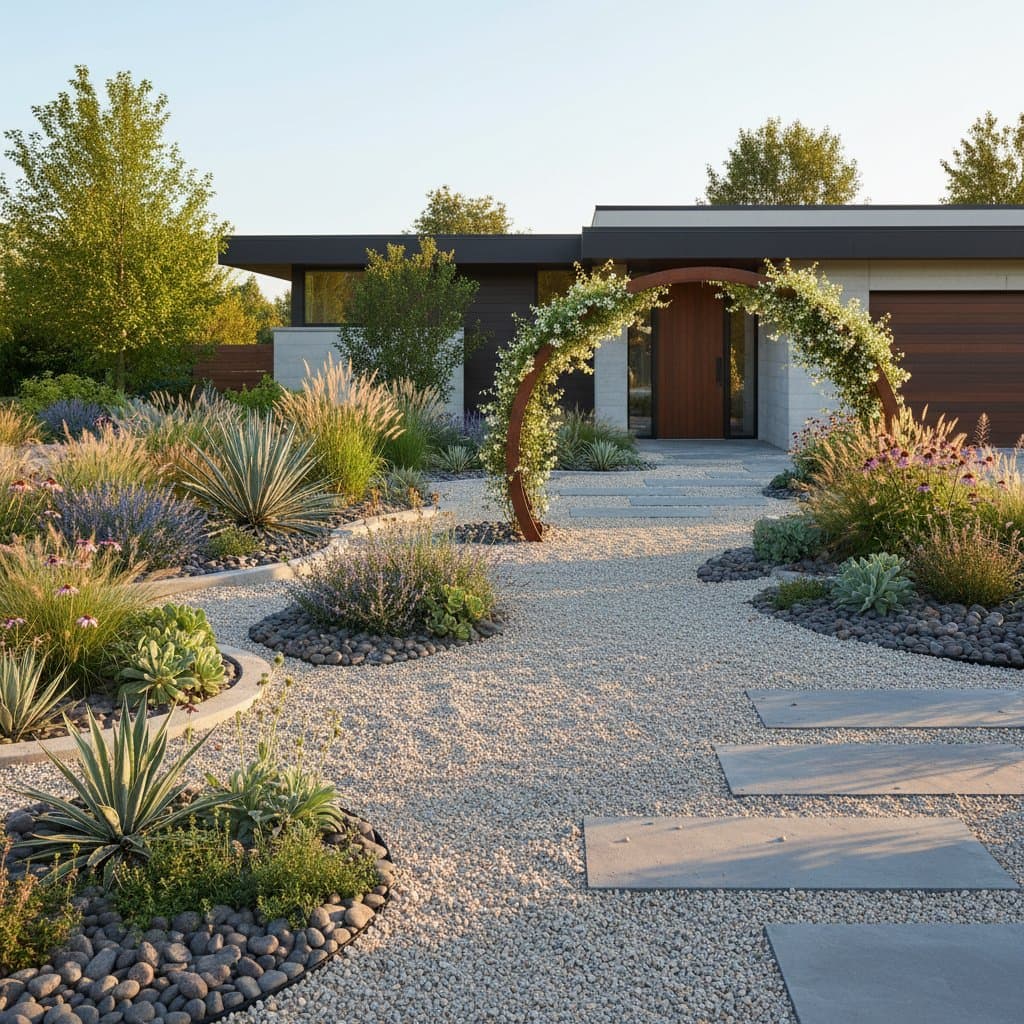
Gravel gardens emphasize intelligent design over ongoing labor. Construction involves a multilayered system that sustains plant health and minimizes water use. The foundation consists of sand and crushed stone for optimal drainage. A surface layer of decorative gravel curbs evaporation and inhibits weed growth.
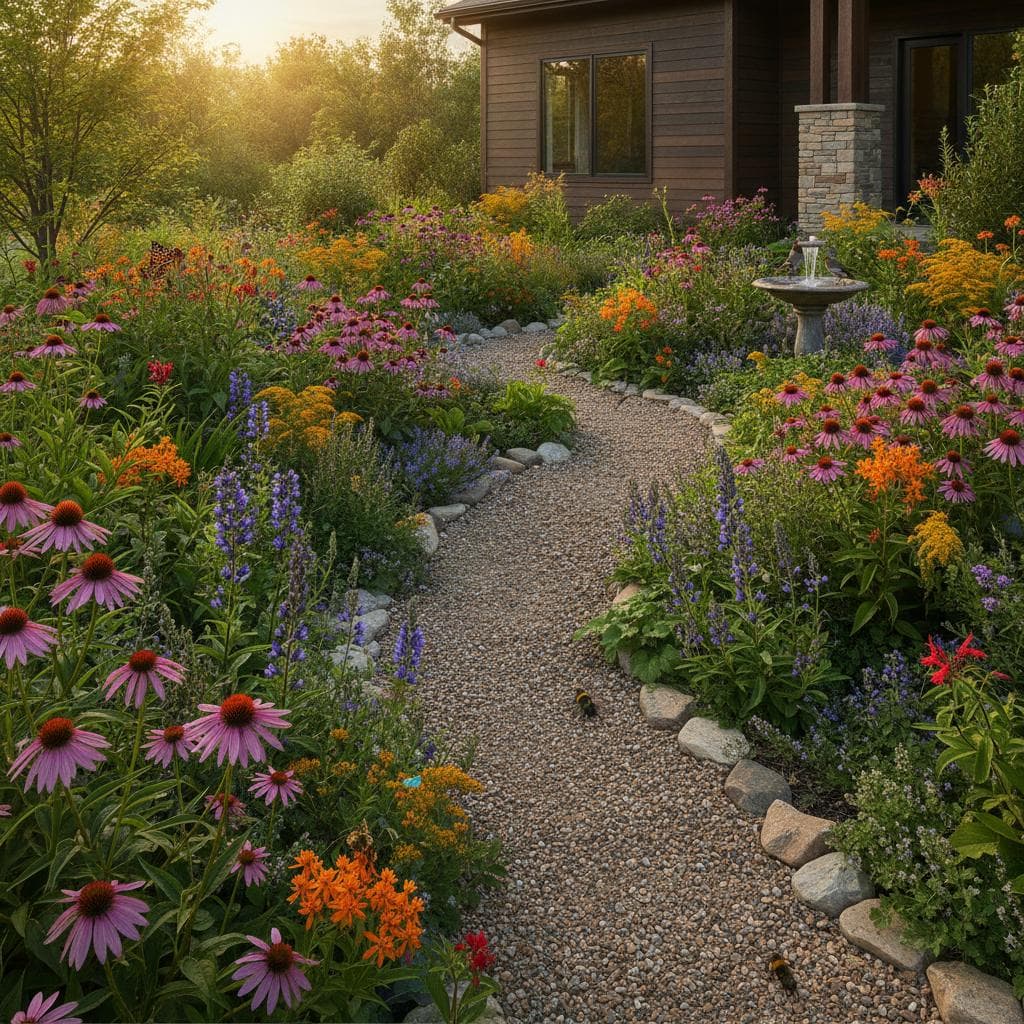
Plant selection plays a pivotal role. Garden consultant Ben Havers advises, "I always recommend Mediterranean herbs such as thyme and lavender. They flourish in arid conditions, emit pleasant aromas, and support pollinator populations." Incorporate resilient succulents like sedum or agave, ornamental grasses such as festuca, and native perennials including echinacea to introduce varied textures and dynamic seasonal interest without supplemental watering.
This approach yields a landscape that appears organic yet purposeful. It evolves gently across seasons, featuring springtime flowers, summer foliage, and autumn seed clusters, while preserving overall harmony.
Worldwide Adoption for Sustainable Design
Residing in the French countryside revealed the prevalence of gravel gardens in rural settings. These served as pragmatic solutions to arid summers, infused with understated sophistication. In Spain and southern Italy, gravel courtyards and pebble arrangements function as shaded, effortless outdoor areas that moderate temperatures.
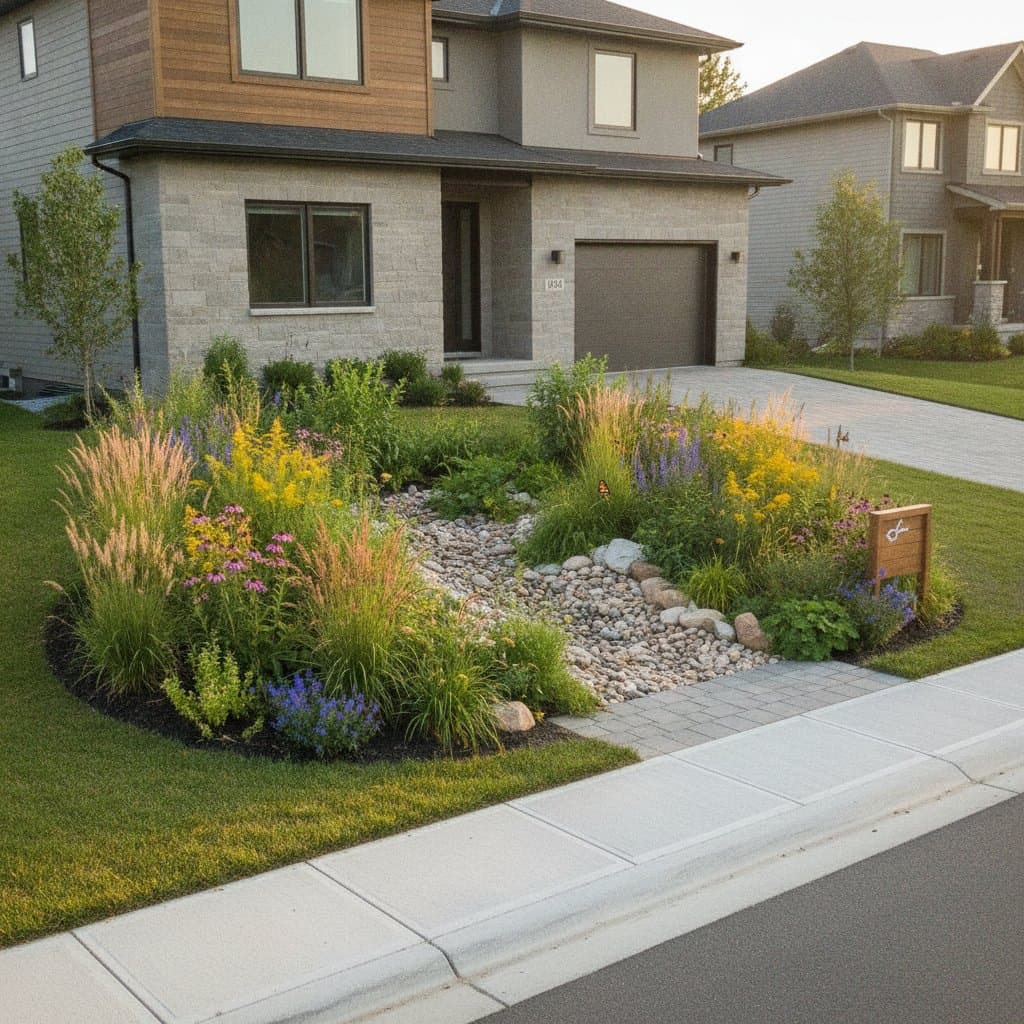
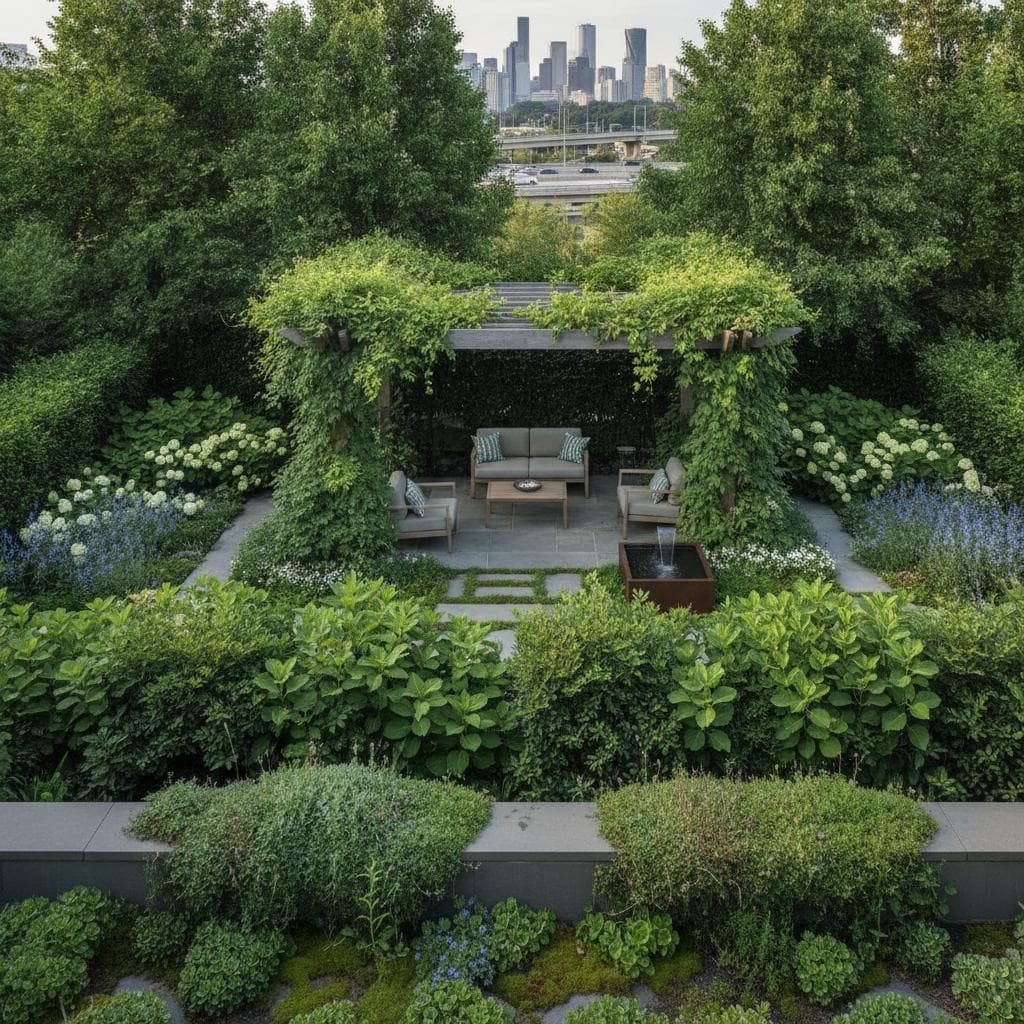
This ethos now permeates urban and suburban environments globally. City dwellers adopt gravel layouts for their versatility in rooftop installations, slender frontages, or communal areas. Suppliers and design professionals in the United Kingdom and United States note surging interest in water-efficient plants and gravel varieties that replicate natural streambeds, such as river-washed pebbles in neutral tones.
Adaptability extends to diverse styles. Rustic settings pair earthy gravel with aged terracotta pots and wildflowers, whereas contemporary designs favor light-colored aggregates edged with sleek metal borders and sculptural yuccas.
Steps to Convert a Lawn into a Gravel Garden
Transitioning to a gravel garden avoids comprehensive redesign. Begin with a modest area, such as a single lawn segment or overlooked border. Excavate and remove turf, then level the underlying soil. Install a breathable landscape fabric to deter weeds, followed by a 2- to 4-inch layer of gravel.
For households with active children, retain a compact zone of synthetic turf or position a durable outdoor mat for recreation. Integrate elevated beds filled with drought-hardy shrubs like rosemary or vertical trellises supporting climbing vines to enhance usability.
Incorporate functional elements such as a compact seating arrangement or pathway contours defined by larger stones. Opt for low-voltage pathway lights or hanging lanterns to illuminate the area after dusk, highlighting gravel's subtle gleam. As vegetation matures, it softens boundaries and cultivates an integrated, welcoming ambiance.
Benefits of Daily Life in a Gravel Garden
Gravel gardens offer remarkable ease in upkeep. Weeds emerge infrequently and yield to simple hand removal. Rainfall percolates swiftly, rendering irrigation a sporadic necessity rather than a routine obligation. Children repurpose gravel trails for wheeled toys, and the consistently attractive setting encourages prolonged outdoor relaxation.
These gardens embody sustainable elegance and functionality. They harmonize with regional weather patterns, delivering enduring beauty and ecological advantages in an era of water scarcity.