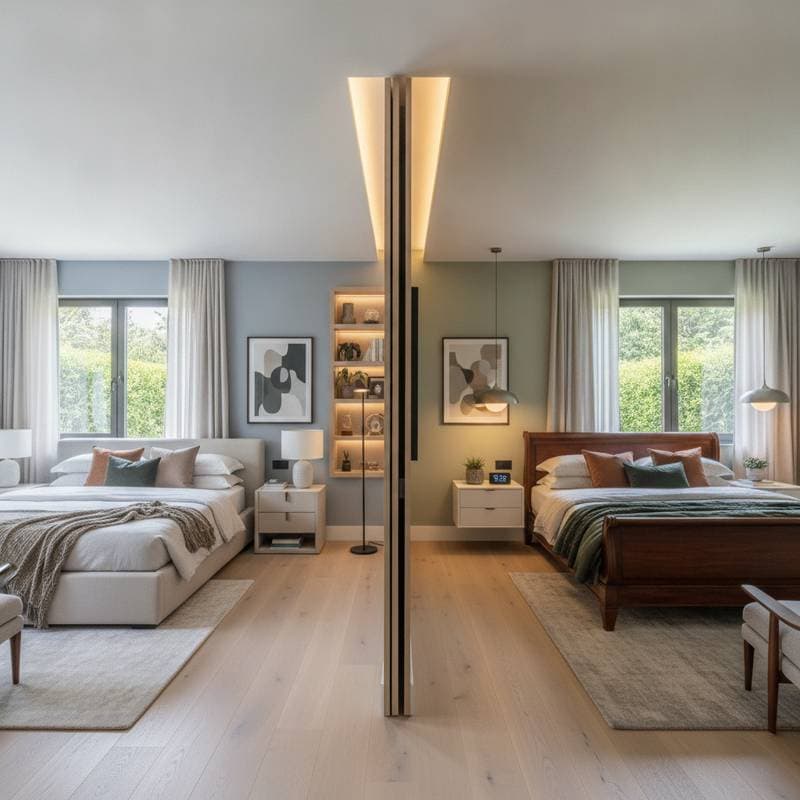
Bedroom Designs That Silence Noise for Deeper Sleep
Noise disrupts sleep in ways that linger into the next day. In urban environments, sounds from traffic or neighbors penetrate walls and windows, preventing the deep rest essential for health. Personal experiences, such as living near a busy street in New York City, highlight the need for intentional design to reclaim quiet. Silence in the bedroom supports not just comfort but overall wellness.
Any living space can incorporate elements to minimize noise, regardless of location. Thoughtful selections in materials, layout, and furnishings create an effective barrier against disturbances. These strategies transform the bedroom into a dedicated retreat for restoration.
Key Takeaways
- Soft textures and layered fabrics absorb sound more effectively than hard surfaces
Strategic furniture and wall treatments block or dampen external noise
Sound-reducing window solutions prove essential for urban homes
Proper layout and design choices influence sound travel patterns
Small, affordable changes yield significant improvements in acoustic comfort
Understanding Sound Travel in the Bedroom
Sound waves reflect off hard surfaces like bare walls, floors, and ceilings, amplifying noise within a room. Most standard building materials prioritize durability over acoustics, leading to echoes that heighten perceived volume. Acoustic designer Emily Carter notes that bedrooms thrive with absorbent elements. She describes the ideal setup as a soft cocoon, where fabrics and textures diffuse sound to foster tranquility.
A personal relocation to a London townhouse revealed the impact of echoing walls despite their aesthetic appeal. Introducing a wool rug and linen drapes quickly altered the room's acoustics, making it feel warmer and noticeably quieter at night.
Soft Layers for Sound Absorption
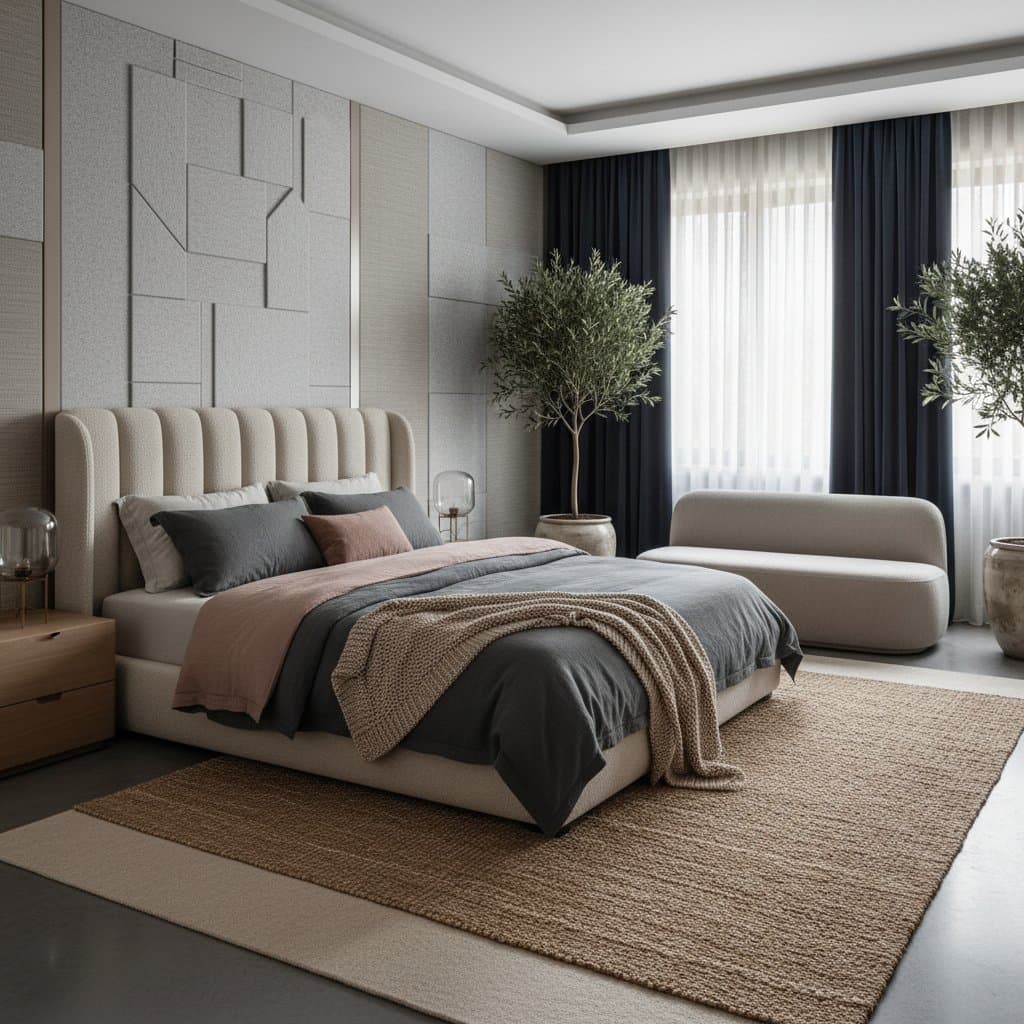
Fabrics serve as primary tools for controlling noise through absorption. Textiles from rugs to bedding muffle vibrations, with denser materials performing best. Thicker weaves trap sound waves, reducing their intensity before they reach the ear.
Essential fabric additions include:
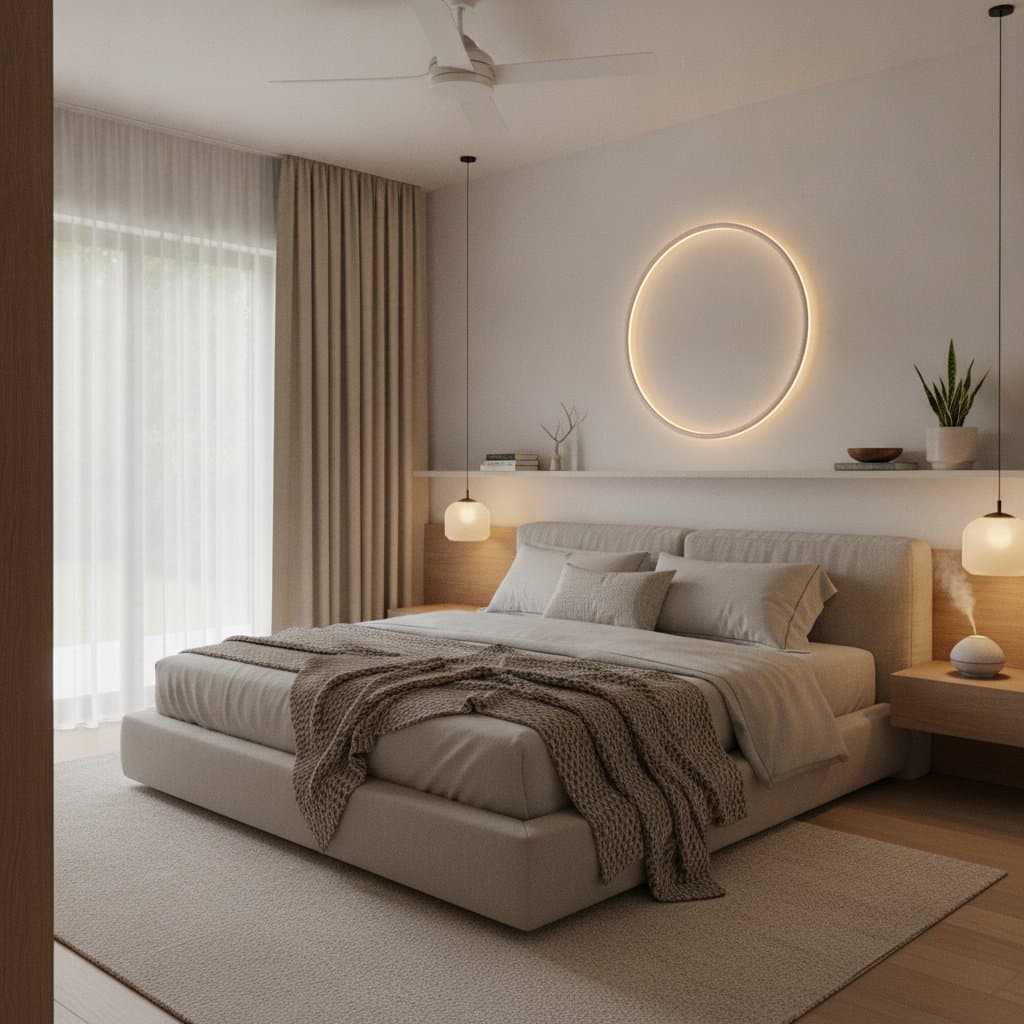
- Rugs and Runners: Layer a wool or cotton rug over existing flooring to eliminate echoes and provide thermal comfort. Scandinavian interiors often feature multiple rugs, blending style with acoustic function.
- Curtains: Choose floor-length drapes with heavy linings in materials like velvet or thermal blends. In a Cotswolds cottage setting, double-lined curtains reduced external sounds, enhancing the room's hush.
- Upholstered Headboards: Select padded designs in fabric or leather to absorb noise near the sleeping area while adding a touch of luxury.
- Bedding Layers: Incorporate quilts, throws, and multiple pillows. These elements, beyond decoration, contribute to overall sound dampening.
Furniture Placement to Minimize Noise
Furniture functions as a barrier when positioned strategically. Tall pieces like wardrobes or bookcases against shared walls intercept sound from adjacent areas. Interior architect Daniel Liu emphasizes that dense furniture mass buffers noise effectively. Filling wall space with such items limits sound transmission.
For bedrooms adjacent to noisy zones, place the bed on the farthest wall. Cover remaining areas with upholstered chairs or benches to prevent reflections. In compact rooms, opt for multifunctional options like storage beds or built-in cabinets, which add mass and improve resistance without sacrificing space.
Windows and Doors as Noise Barriers
Windows frequently allow external sounds to enter unchecked. While heavy curtains provide initial help, sealing gaps proves crucial for optimal results. Consider acoustic inserts or double-glazed panes for substantial reduction, particularly in apartments. For budget constraints, apply adhesive weather stripping or thick film to existing frames.
Doors require similar attention to prevent hallway intrusions. A draft stopper at the base blocks gaps effectively. Designer Rachel Moore advocates solid core doors for their superior sound insulation. She observes that they deliver a clear hush, though removable sweeps offer a practical alternative in rental properties.
Effective Wall Treatments
Walls offer opportunities for acoustic enhancement beyond decoration. Install panels made of fabric, cork, or specialized materials to absorb echoes. In one family home, large linen-covered frames above the bed softened sounds seamlessly, preserving the existing aesthetic.
For textured appeal, apply shiplap with a matte finish to diffuse noise while introducing warmth. Minimalist preferences suit paintable acoustic panels in neutral shades, integrating function discreetly into the design.
Targeted Additions for Enhanced Quiet
Minor updates can amplify acoustic benefits without major renovations.
- Introduce plants with broad leaves, such as fiddle-leaf figs, to absorb mid-range frequencies and improve air quality.
- Replace hard storage with soft baskets or fabric bins to avoid reflective surfaces.
- Suspend tapestries or woven hangings on walls for added absorption and visual coziness.
- Relocate electronics with fans to another room, eliminating subtle hums during sleep.
Sustaining Acoustic Comfort
A quiet bedroom demands ongoing care to preserve its benefits. Maintain soft surfaces by vacuuming fabrics regularly, as dust accumulation reduces their effectiveness. Limit clutter to bare essentials, ensuring sound-absorbing elements remain prominent.
Each home presents unique challenges, yet targeted design fosters peace. These approaches protect sleep quality, whether amid city bustle or suburban activity. Intentional choices yield a sanctuary where rest renews the body and mind.