Key Points
- Budget-Friendly Update: Refresh your bedroom using dopamine colors through simple paint applications, textile swaps, and accessory additions, avoiding the need for a complete remodel.
- Mood and Well-Being: Bright, saturated hues positively influence mood and energy levels, fostering a space that feels vibrant and deeply personal.
- DIY vs Professional: Handle painting and basic decor changes yourself, but engage professionals for complex wall treatments or electrical modifications.
- Expected Outcome: Achieve a balanced bedroom that enhances mood, mirrors your personality, and preserves essential comfort for rest.
Understanding Dopamine Colors
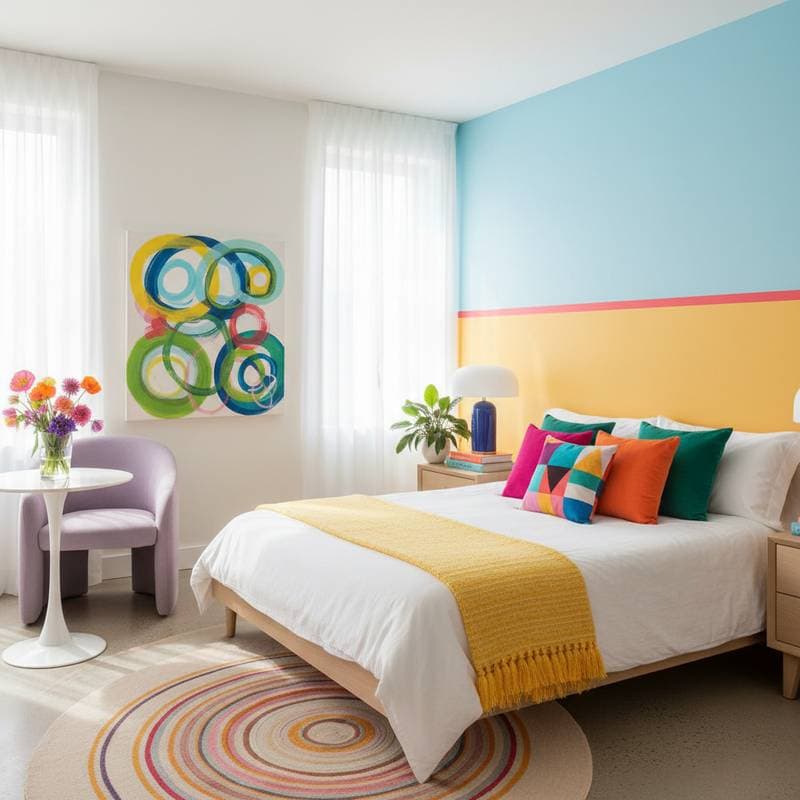
Dopamine colors consist of shades that naturally elevate mood, similar to the uplift from a stroll in a vibrant garden or the freshness of newly applied paint under sunlight. These hues stand out as bold, cheerful, and expressive, encompassing coral pinks, sunny yellows, turquoise blues, and leafy greens. The concept of dopamine decor aims to craft an environment that instills positivity upon entry, leveraging color as a tool to shape emotional responses.
Project Overview
Working Time: One to two days, accounting for preparation and drying periods.
Total Time: Two to three days, including cleanup and final adjustments.
Skill Level: Beginner to intermediate.
Estimated Cost: 100 to 400 dollars, varying by material choices and paint quality.
This initiative centers on revitalizing current bedroom elements—surfaces, furniture, and accessories—with dopamine-inspired colors. Completion fits within a weekend using fundamental tools and a structured approach. Surface preparation and inter-coat drying represent the primary time investments, surpassing the actual painting duration.
When to DIY vs Hire
Most homeowners manage painting, accent wall development, or textile exchanges effectively. Proficiency with rollers, brushes, and tape suffices for these tasks. Visions involving textured wall applications, electrical alterations for lighting, or extensive furniture refinishing warrant professional input. Prioritize safety throughout; refrain from electrical or structural alterations without proper qualifications.
Materials and Tools
Materials:
- Interior paint selected in dopamine-inspired hues.
- Primer, essential when transitioning from dark to light tones.
- Painter's tape.
- Drop cloths.
- Paint trays and disposable liners.
- Sandpaper or sanding blocks.
- Decorative accessories coordinated in matching or contrasting colors.
- Optional: Fresh bedding sets, throw pillows, and curtains.
Tools:
- Paint roller and assorted brushes.
- Step ladder.
- Screwdriver for detaching switch plates and outlet covers.
- Measuring tape and level.
For an elevated finish, incorporate wainscoting or a wood accent wall prior to painting. Such elements enable color to accentuate texture and craftsmanship beyond mere flat planes.
Step-by-Step Process
1. Choose the Right Palette
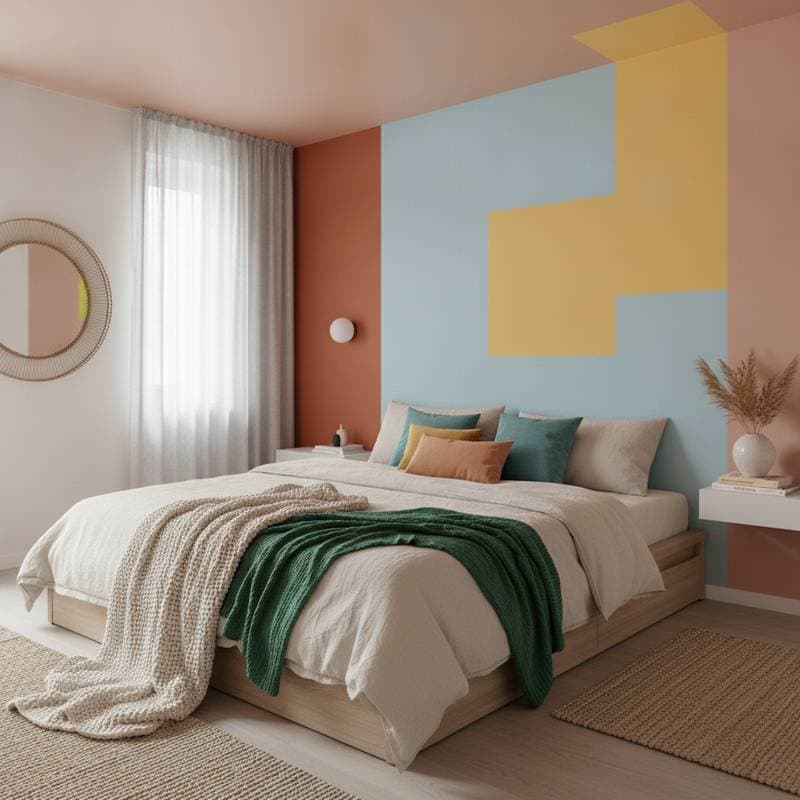
Assess the desired emotional tone for the room—morning vitality or evening tranquility. For restful vibrancy, combine one bold hue with several neutrals; consider coral walls alongside sand-hued linens and crisp white trim to evoke warmth sans excess stimulation. Opt for cooler options like teal or sage, integrated with ivory tones and natural wood elements, to foster soothing energy.
2. Prepare the Space
Detach all wall-mounted fixtures, protect furniture with coverings, and apply tape along baseboards. Lightly sand glossy areas to promote paint adhesion. Clean walls thoroughly to eliminate dust and residues; this step, though methodical, ensures a durable, professional-grade outcome over premature chipping.
3. Apply Primer and Base Color
Initiate with primer on dark or glossy substrates. Upon drying, administer the primary color in uniform strokes. Prefer two thin applications over a single thick layer, permitting full drying between coats. Maintain ventilation in the area while steering clear of direct air currents on fresh paint to avert irregular drying.
4. Add Accent Elements
Once the base layer solidifies, incorporate dopamine accents judiciously. Apply a secondary hue to the headboard, nightstand, or trim. Replace lampshades or curtain rods with items that amplify the palette. A vivid throw blanket alone can shift the room's overall atmosphere.
5. Layer with Textures and Patterns
Hues benefit from textural variety to avoid monotony. Introduce soft cotton bedding, velvet cushions, or woven rugs for depth. Employ patterns such as stripes or florals to unify diverse dopamine shades harmoniously. Anchor the composition with at least one neutral tone to temper the brighter components.
6. Check Lighting and Adjust
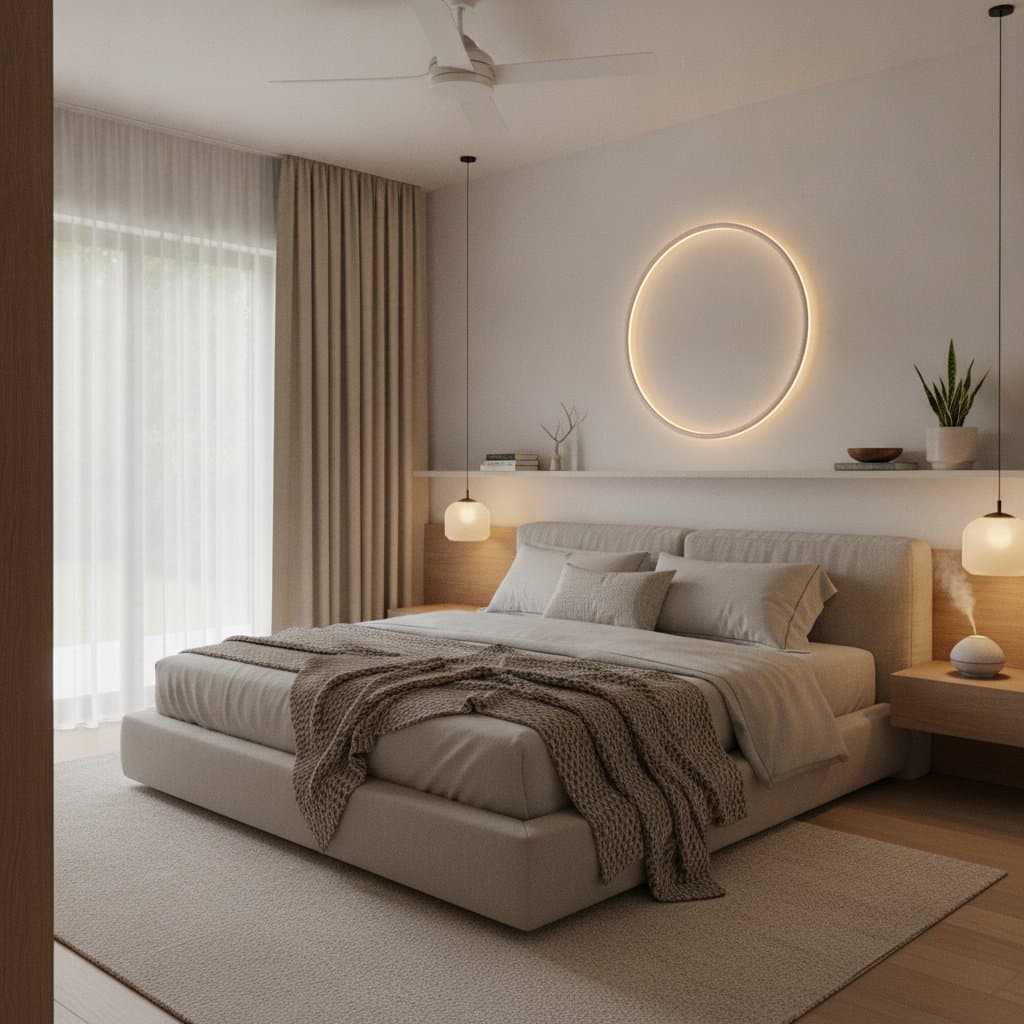
Both natural and artificial illumination alter color perception. Warm bulbs intensify reds and oranges, whereas cool bulbs accentuate blues and greens. Evaluate lighting across various daily periods to confirm consistent appeal. Modify bulb types or positions as necessary to optimize the palette's expression.
Quality Control
Attaining a professional standard hinges on deliberate patience and accuracy. Verify edge crispness prior to tape removal. Examine surfaces for drips or sparse coverage while paint remains workable. Upon full drying, reattach outlet covers and arrange decor. Step back to gauge the room's emotional impact, prioritizing feel over mere aesthetics; sustained mood elevation marks true achievement.
Maintaining Your Investment
Proper care sustains a dopamine-colored bedroom's vibrancy over years. Clean walls routinely with a gentle dish soap and water mixture. Steer clear of abrasive cleaners that compromise paint sheen. Mitigate direct sunlight exposure via curtains or shades to curb fading. High-quality paints facilitate seamless touch-ups without noticeable patches.
Treat bedding and decor updates as adaptable layers atop a foundational color scheme. Neutral linens soften bold walls, while fresh bold accessories reinvigorate the space. Preserve the initial spark of energy and warmth through these evolutions.
Pro Tips for Success
- Start Small: Test commitment to bold hues on a single wall or furniture item before full-room application.
- Mind the Finish: Select satin or eggshell sheens for their durability and cleanability, surpassing flat paints in bedroom suitability.
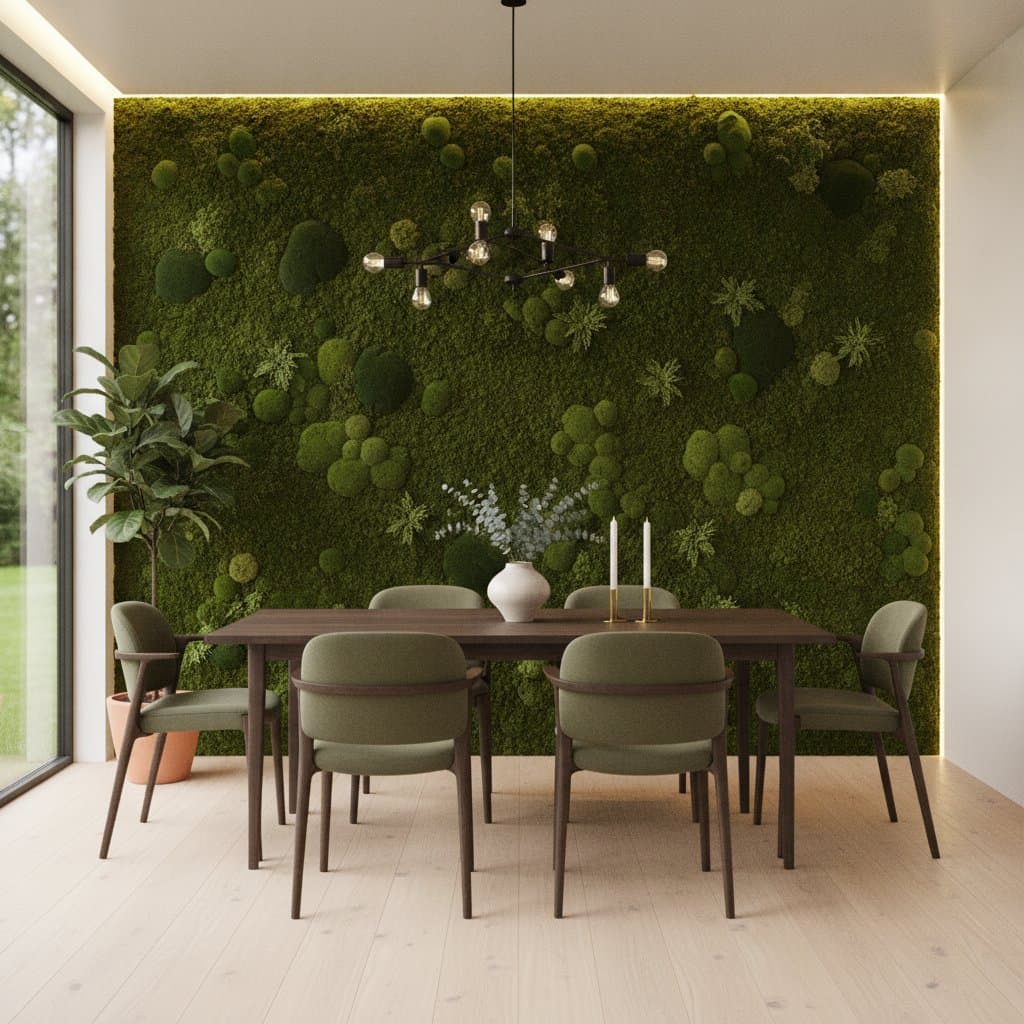
- Use Natural Elements: Integrate wood accents, live plants, and woven baskets to stabilize vivid colors.
- Stay True to Yourself: Prioritize hues resonant with your character over transient trends.
- Plan Lighting Early: Sample colors under intended bulbs prior to painting, given light's profound influence on perception.
Building on Your Skills
Completion of this project deepens insight into color's role in mood and technical execution. Apply these tenets to subsequent home areas for cohesive enhancement.
A dopamine-inspired bedroom transcends mere adornment; it embodies the sensations you seek upon rising and retiring.