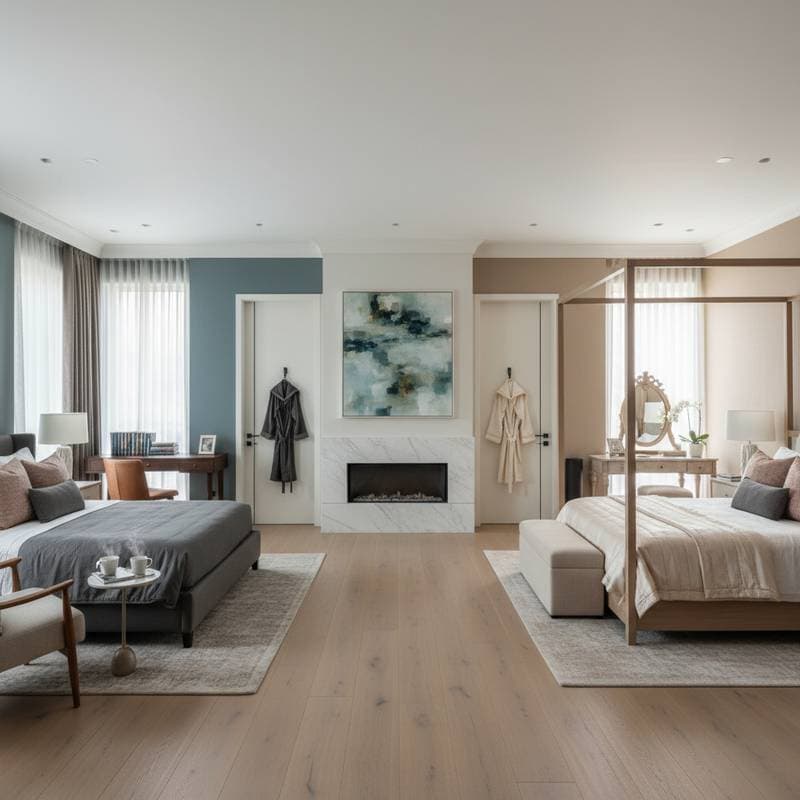
The Rise of Sleep Divorce: A Leading Bedroom Design Trend for 2026
Separate sleeping arrangements, known as sleep divorce, gain popularity among couples seeking improved rest without compromising their bond. This approach addresses common sleep disruptions such as snoring, differing schedules, and temperature preferences. By creating dedicated spaces, individuals achieve deeper sleep, which enhances daily energy and relational dynamics.
Home design experts predict that sleep divorce will influence bedroom renovations throughout 2026. Architects and interior designers incorporate flexible layouts that prioritize privacy alongside shared living areas. These adaptations not only resolve sleep issues but also elevate overall home functionality and aesthetic appeal.
Key Benefits of Sleep Divorce
- Enhanced sleep quality leads to better physical health and reduced stress for both partners.
Improved communication arises from well-rested minds, fostering stronger emotional connections.
Flexible designs allow personalization, from selecting preferred bedding to arranging personal retreats.
Increased home value results from thoughtful renovations that appeal to modern lifestyles.
Couples report higher satisfaction after implementing these changes. One partner might prefer a cooler room with blackout curtains, while the other enjoys warmer tones and ambient lighting. Such customization prevents nightly conflicts and promotes harmony.
Understanding the Concept
Sleep divorce involves intentional separation of sleeping areas within the home. It differs from traditional co-sleeping by emphasizing individual needs while maintaining proximity for daytime interaction. This trend emerges from research showing that poor sleep contributes to 30 percent of relationship strains.
Professionals recommend starting with an honest discussion about sleep habits. Identify specific disturbances, such as light sensitivity or movement during the night. From there, explore options ranging from minor adjustments to comprehensive redesigns.
Planning Your Sleep Divorce Project
Assessing Your Needs
Begin by evaluating current sleep challenges. Track sleep patterns for one week using a simple journal or app to note interruptions and preferences. Consider factors like room size, existing furniture, and budget constraints.
Consult with a partner to align goals. Decide if the focus is on noise reduction, climate control, or visual separation. A professional designer can provide sketches to visualize outcomes without immediate commitment.
Choosing the Right Approach
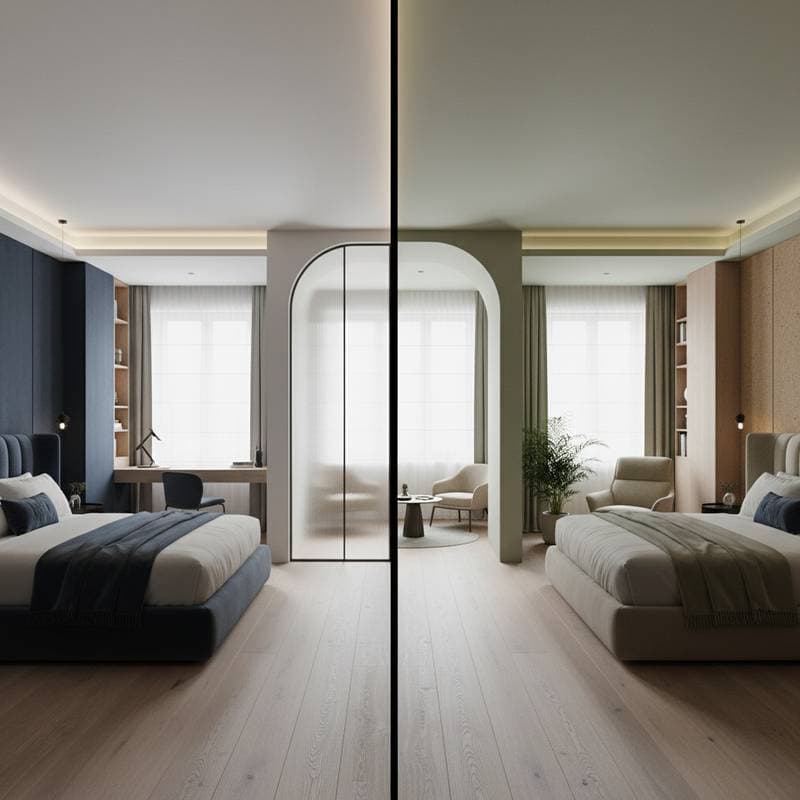
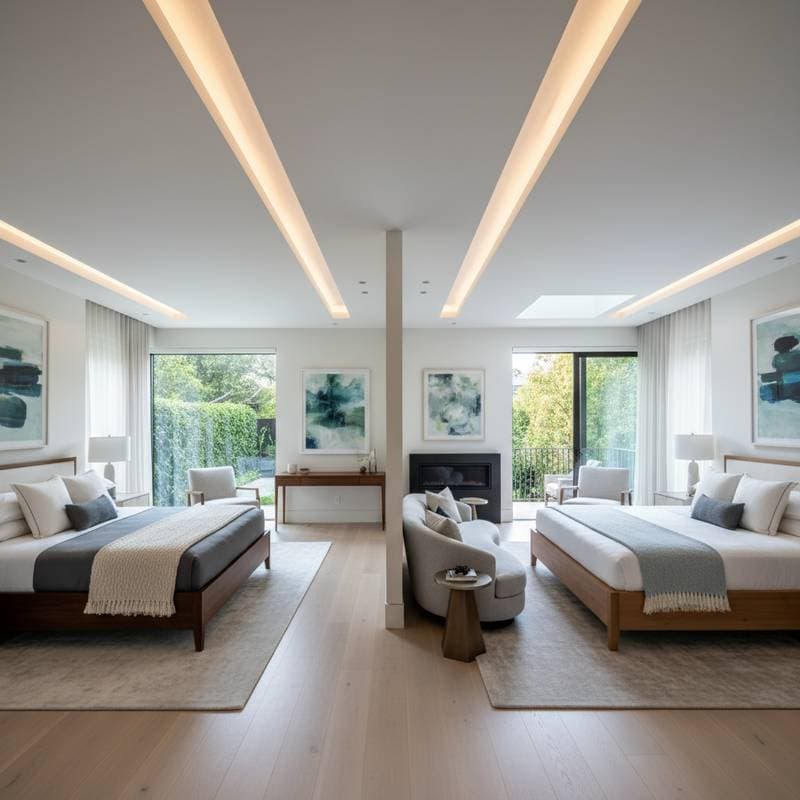
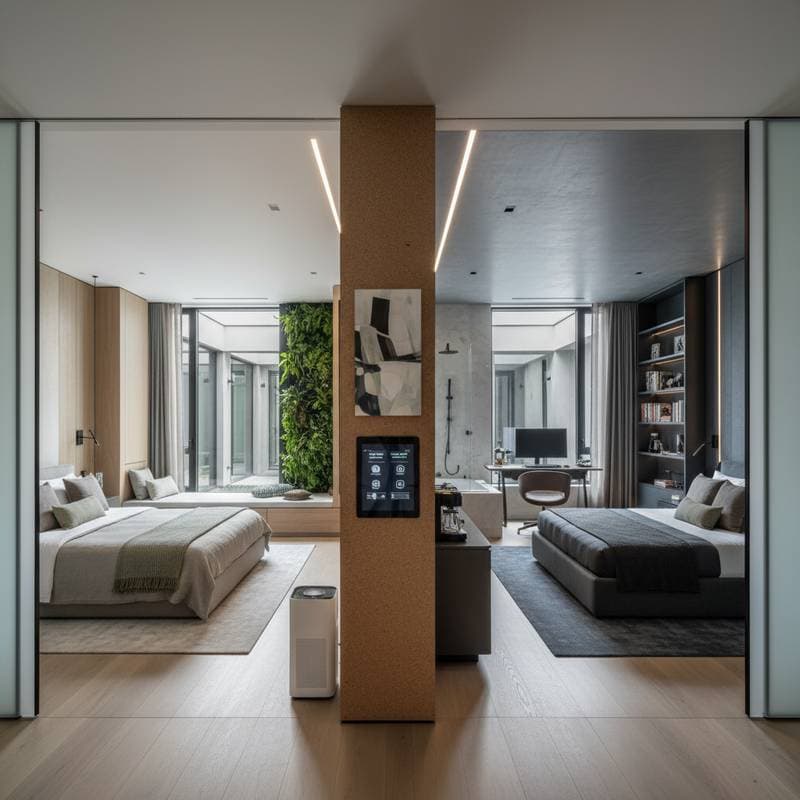
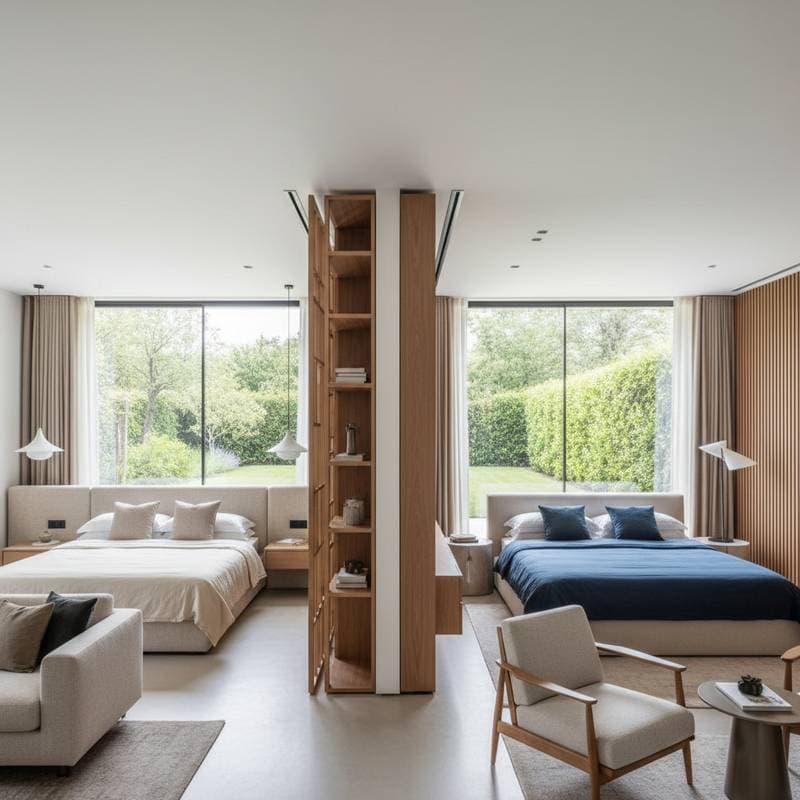
Options vary by home layout and resources. For apartments or smaller homes, rearrange furniture to create zones within the master bedroom using room dividers or bookshelves. Larger properties suit converting adjacent rooms into dual suites.
Rearrangement (Low Commitment): Shift the bed to one side and add a daybed or futon opposite. Install sliding panels for privacy. This method requires minimal tools and costs under $500.
Partial Remodel: Build a non-load-bearing wall to divide the space. Add a second door for independent access. Expect 2 to 5 days of work with basic carpentry skills.
Full Renovation: Construct separate bedrooms with en-suite bathrooms. Integrate shared living spaces like a lounge area. This advanced project spans 3 to 6 weeks and demands permits for structural changes.
Select based on long-term plans. If resale is a concern, opt for reversible modifications that appeal to future buyers.
Project Timeline and Costs
Working Time: Rearrangements take 1 to 3 days; minor remodels, 5 to 10 days; full renovations, 4 to 8 weeks including planning.
Total Time: Factor in material delivery and any required approvals, adding 1 to 2 weeks.
Skill Level: Beginners handle rearrangements with guidance; intermediates manage partial remodels; experts tackle full conversions.
Estimated Cost: $500 to $2,000 for rearrangements; $3,000 to $8,000 for partial remodels; $10,000 to $20,000 for complete suites, varying by location and finishes.
Budget wisely by prioritizing essentials like soundproofing over luxury features. Seek quotes from local contractors to refine estimates.
Materials and Tools for Implementation
Essential Materials
Select items that enhance privacy and comfort without overwhelming the space.
- Soundproofing foam or mass-loaded vinyl to minimize noise transmission between areas.
- Acoustic panels or heavy drapes for walls and windows to absorb echoes.
- Solid-core interior doors with weatherstripping to block sound and drafts.
- Neutral paints or textured wallpapers that unify divided spaces visually.
- Soft area rugs or underlayment to dampen footsteps and create cozy zones.
- Adjustable bed frames and supportive mattresses matched to individual body types.
For eco-friendly choices, use recycled insulation and low-VOC paints. These materials ensure durability while supporting sustainable home practices.
Recommended Tools
Gather equipment suited to the project's scale.
- Measuring tape and level for precise alignments.
- Circular saw and cordless drill for cutting and securing materials.
- Stud finder to locate framing points safely.
- Caulk gun and joint compound for seamless finishes.
- Paint rollers, brushes, and drop cloths for surface treatments.
- Safety equipment, including dust masks, goggles, and sturdy gloves.
Rent specialized tools like drywall lifts for larger jobs to avoid unnecessary purchases. Always follow manufacturer instructions for safe operation.
Step-by-Step Execution
Preparation Phase
Clear the area and protect floors with tarps. Measure twice to confirm dimensions. If involving electrical or plumbing, hire licensed professionals to comply with codes.
Construction Steps
- Frame and install dividing walls using 2x4 lumber for stability.
- Apply soundproofing layers before closing with drywall.
- Hang doors and add hardware for smooth operation.
- Prime and paint surfaces to match existing decor.
- Position furniture and test for comfort and functionality.
Test noise levels post-installation using a decibel meter app. Adjust as needed to achieve desired quietude.
Design Integration
Blend new spaces with the home's style. Use matching hardware and color schemes to avoid a disjointed feel. Incorporate multifunctional furniture, like storage ottomans, to maximize utility.
Add personal touches, such as artwork or plants, to make each area inviting. Lighting plays a key role; install dimmers for customizable ambiance.
Ensuring Quality and Craftsmanship
Superior execution prevents future issues. Secure all joints with appropriate fasteners to avoid creaks. Insulate thoroughly to maintain temperature consistency.
Ventilation matters for air quality. Install exhaust fans or ensure HVAC ducts serve both spaces evenly. Choose moisture-resistant materials in humid climates.
For built-in features, select hardwoods like oak for longevity. Apply sealants to protect against daily use. Regular inspections during the process catch errors early.
The Emotional and Relational Impact
Sleep divorce addresses practical needs while nurturing emotional health. Partners often find renewed appreciation through independent spaces. Mornings become more joyful with refreshed perspectives.
This setup encourages intentional togetherness. Designate shared areas for relaxation, like a cozy reading nook. Over time, these changes build resilience and deeper understanding.
Experts note that rested individuals engage more fully in shared activities. From date nights to household tasks, quality sleep underpins positive interactions.
Long-Term Care and Adaptation
Treat the setup as a valuable asset. Annually inspect seals and insulation for wear. Clean vents quarterly to sustain airflow.
Refresh aesthetics every few years with new linens or accents. Monitor evolving needs; modular designs allow easy reconfiguration.
As relationships grow, flexibility proves invaluable. What starts as separate beds might evolve into adjacent suites, always prioritizing mutual well-being.
Realizing Lasting Benefits
Thoughtful sleep divorce transforms homes into sanctuaries of rest and connection. Couples enjoy sustained vitality, leading to enriched lives together. Invest in this trend to unlock better sleep, stronger bonds, and a more harmonious household.