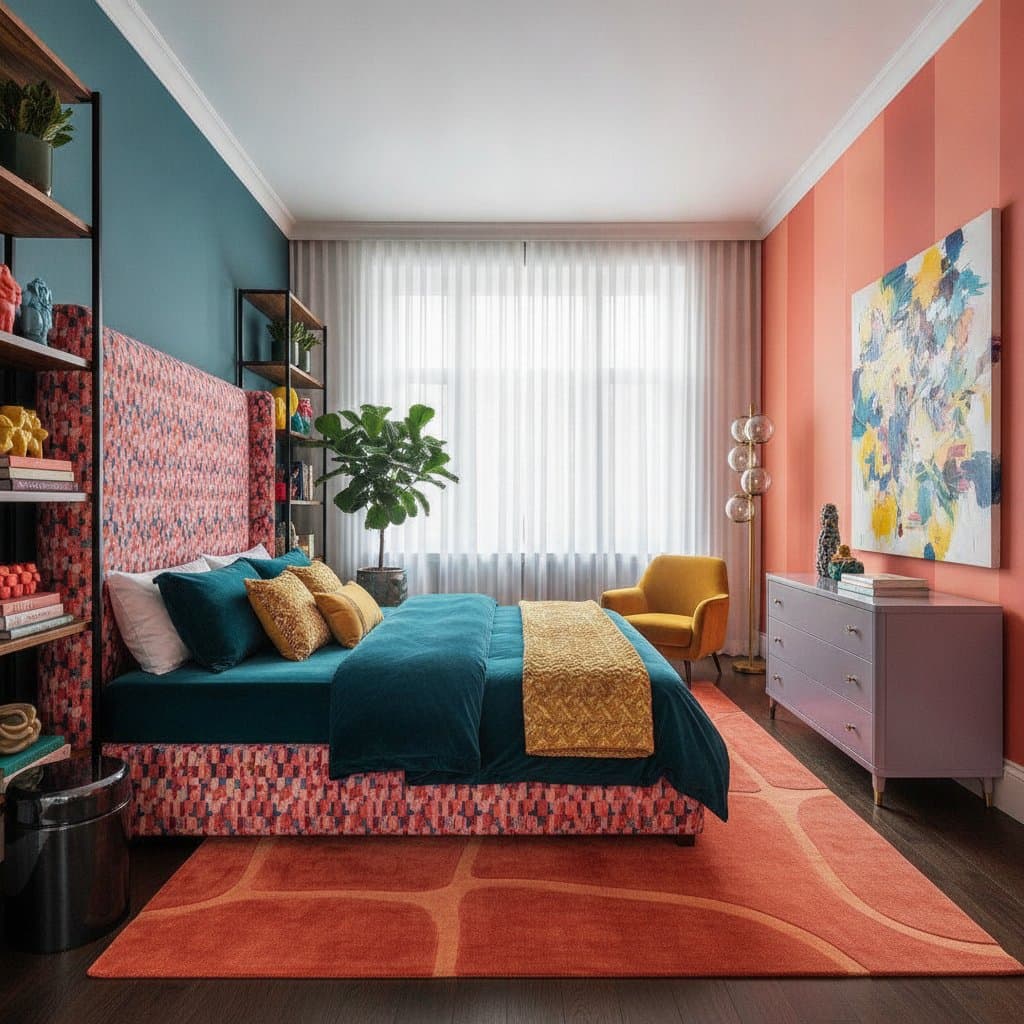
The Rise of Sleep Divorce Bedrooms in 2026
Many individuals experience disrupted sleep due to a partner's snoring or differing schedules. As a mother of two, I have endured numerous restless nights caused by my husband's early calls and my late writing sessions. After attempting solutions like white noise machines and separate duvets, we adopted separate bedrooms. This arrangement, now a prominent design trend called the sleep divorce bedroom, has transformed our rest without compromising our bond.
Couples who cherish their relationships often prioritize quality sleep. The sleep divorce bedroom represents a practical approach to fostering home harmony, far from indicating relational strain.
Key Takeaways
- Sleep divorce bedrooms provide separate sleeping areas for couples with mismatched preferences or routines.
This practice enhances rest and strengthens relational dynamics rather than creating emotional separation.
Architects develop dual master suites and adaptable layouts that balance independence with shared intimacy.
Influences from Japanese minimalism and Scandinavian functionality guide the aesthetic and utility of these designs.
Families, renters, and shared-living residents can implement scaled versions to promote privacy and better sleep.
Reasons Couples Choose Separate Sleeping Spaces
The term sleep divorce may evoke concern, yet it serves as a constructive adjustment. Numerous couples observe that independent sleeping improves interactions by minimizing irritations and preserving personal areas, which heightens appreciation for shared moments.
During my time in New York City, limited space made separate bedrooms seem impractical. In the French countryside, however, I discovered traditional homes with adjoining rooms for couples, emphasizing rest alongside companionship. Today, from our Cotswolds residence, I witness this concept's revival, tailored to contemporary needs.
Interior designer Clara Jensen states, "Couples recognize that intimacy extends beyond shared bedding. Connection thrives throughout the home, while bedrooms prioritize health." Her clients frequently note reduced conflicts and increased daytime vitality following the establishment of distinct sleep areas.
Innovations in Dual Master Suite Design
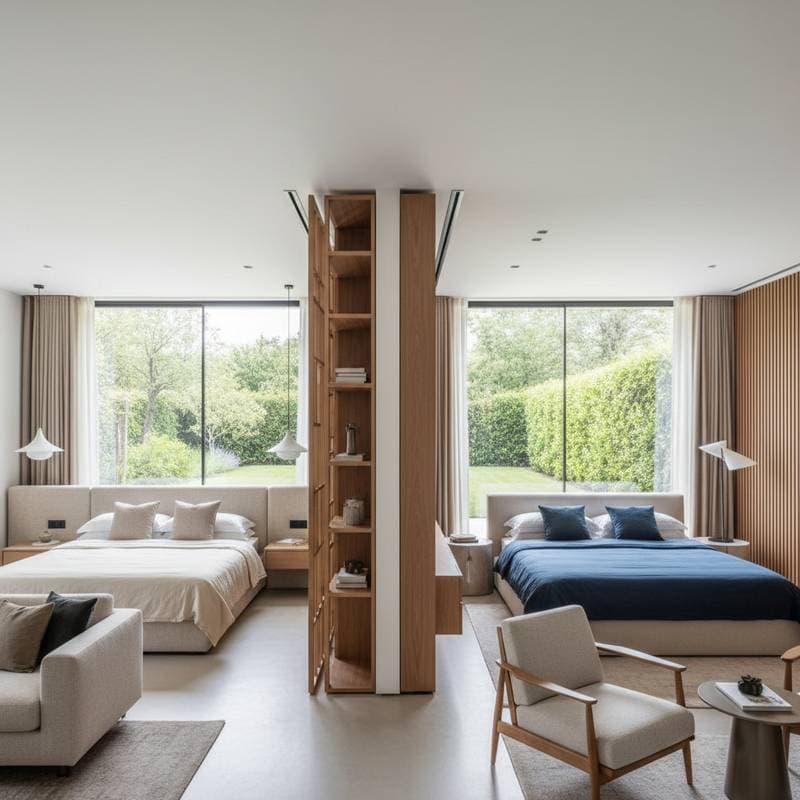
Contemporary architecture incorporates dual master suites in new constructions and luxury remodels, merging autonomy with proximity. These configurations often include two bedrooms linked by a common dressing room or bathroom, allowing closure for solitude or openness for joint activities.
In compact urban settings, creative reconfiguration proves effective. A London client of mine repurposed a spacious guest room into a personalized sleep haven featuring blackout curtains, a reading corner, and a compact bed suited to her frame. Her husband's adjacent room accommodates his morning routine with streamlined furnishings. They now share meals instead of sleep disturbances.
Designer Mark Devereux explains that clients value adaptability. "Homes must accommodate authentic lifestyles, including varied daily rhythms. Dual master suites offer indulgence rooted in wellness."
Advantages Extending to Daily Life
Beyond improved sleep, sleep divorce bedrooms reshape home utilization and relational satisfaction. Personal sleep quarters evolve into sanctuaries for activities such as meditation or reading, reflecting individual styles.
Parents of young children find particular relief in this setup. With demanding schedules and children's interruptions, separate rooms enable recharging without mutual disruption. Well-rested guardians exhibit greater patience, benefiting the entire household.
Organizational specialist Leah Kim observes that "dedicated sleep spaces encourage orderly environments." Personal management reduces disputes over organization or aesthetics. She recommends unifying rooms via consistent themes or palettes to preserve cohesion.
Steps to Implement an Effective Sleep Divorce Bedroom
Space constraints need not prevent adoption of this approach. Focus on addressing sleep disruptions while sustaining relational ties.
1. Assess Individual Sleep Requirements
Identify specific disturbances, such as noise, illumination, temperature, or motion. Targeted solutions, like independent climate controls for differing thermal preferences, yield significant improvements.
2. Select Versatile Furnishings
Opt for multifunctional pieces including Murphy beds, daybeds, or sofa beds to facilitate occasional or dual-purpose sleeping zones. In modest apartments, repurpose studies or screened patios as auxiliary rest areas, ensuring comfort in each.
3. Harmonize Aesthetics Across Spaces
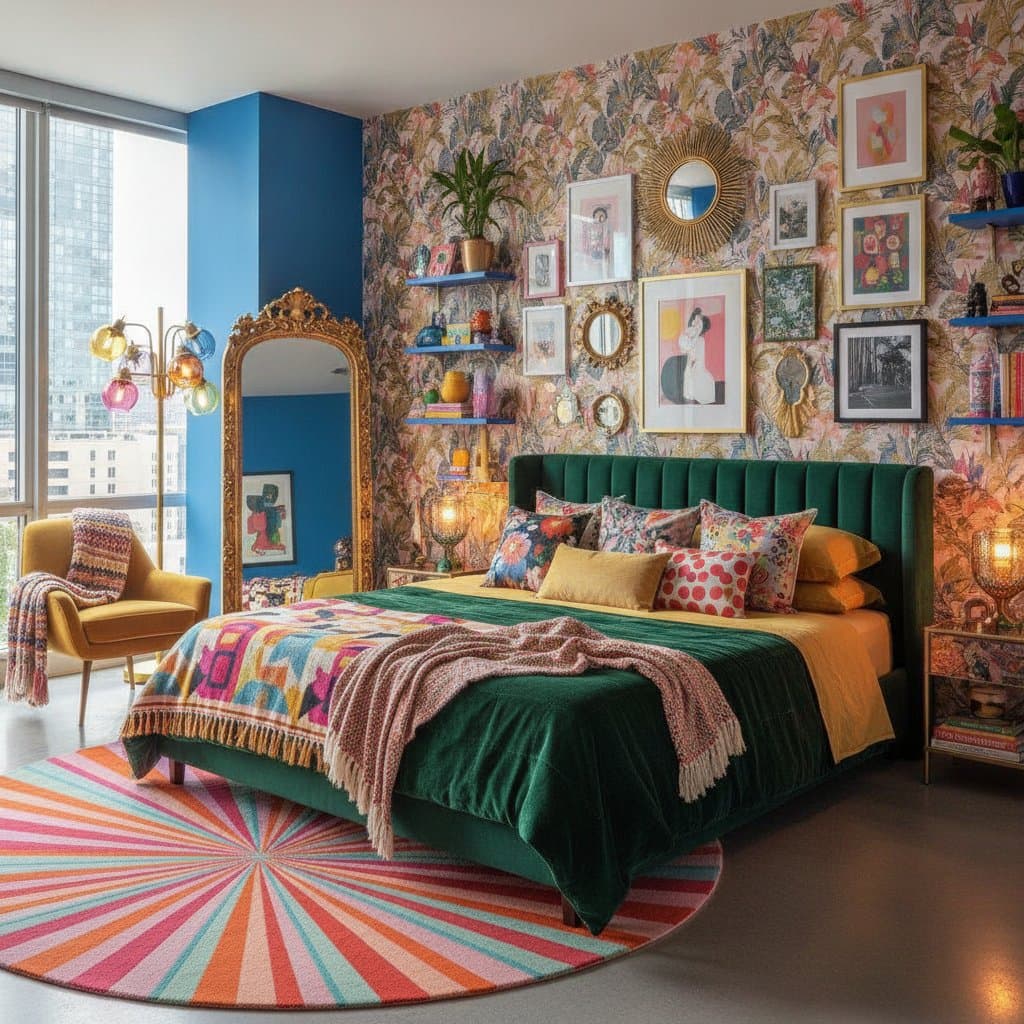
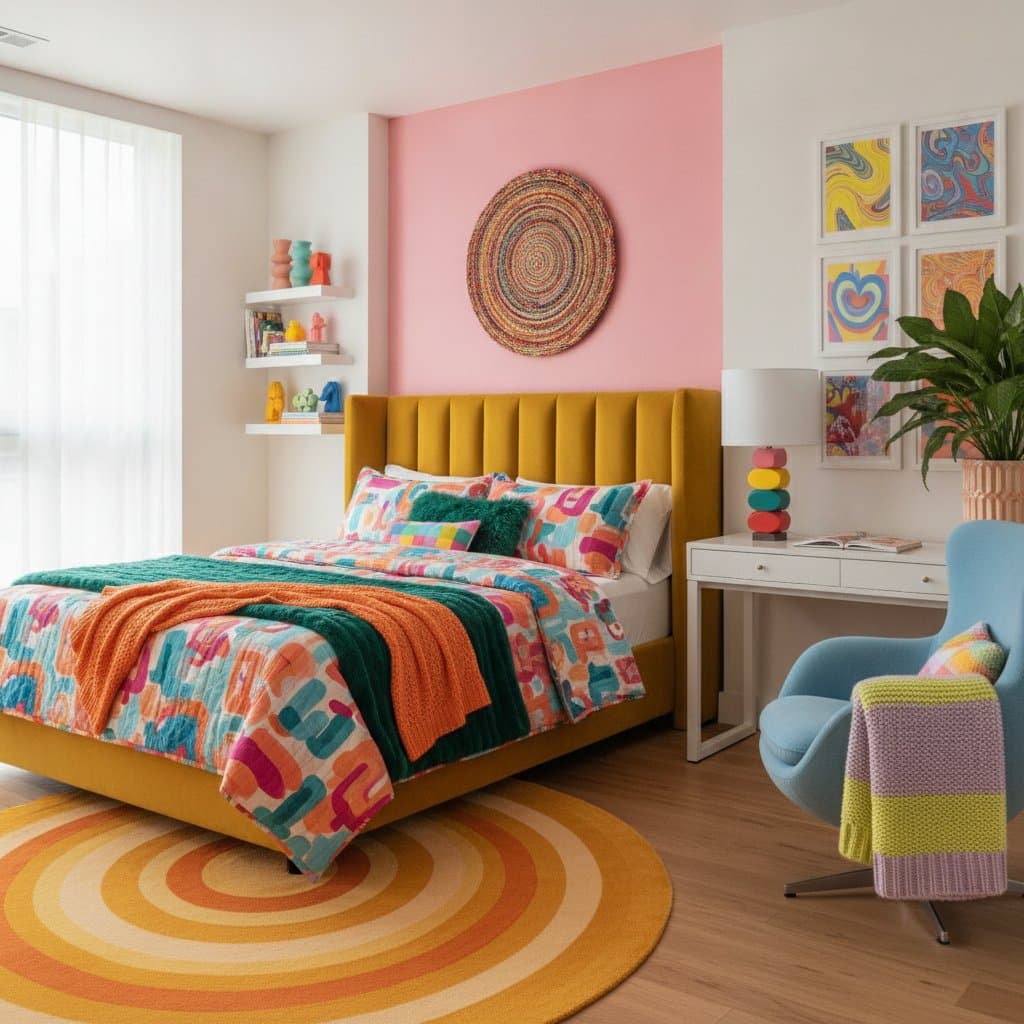
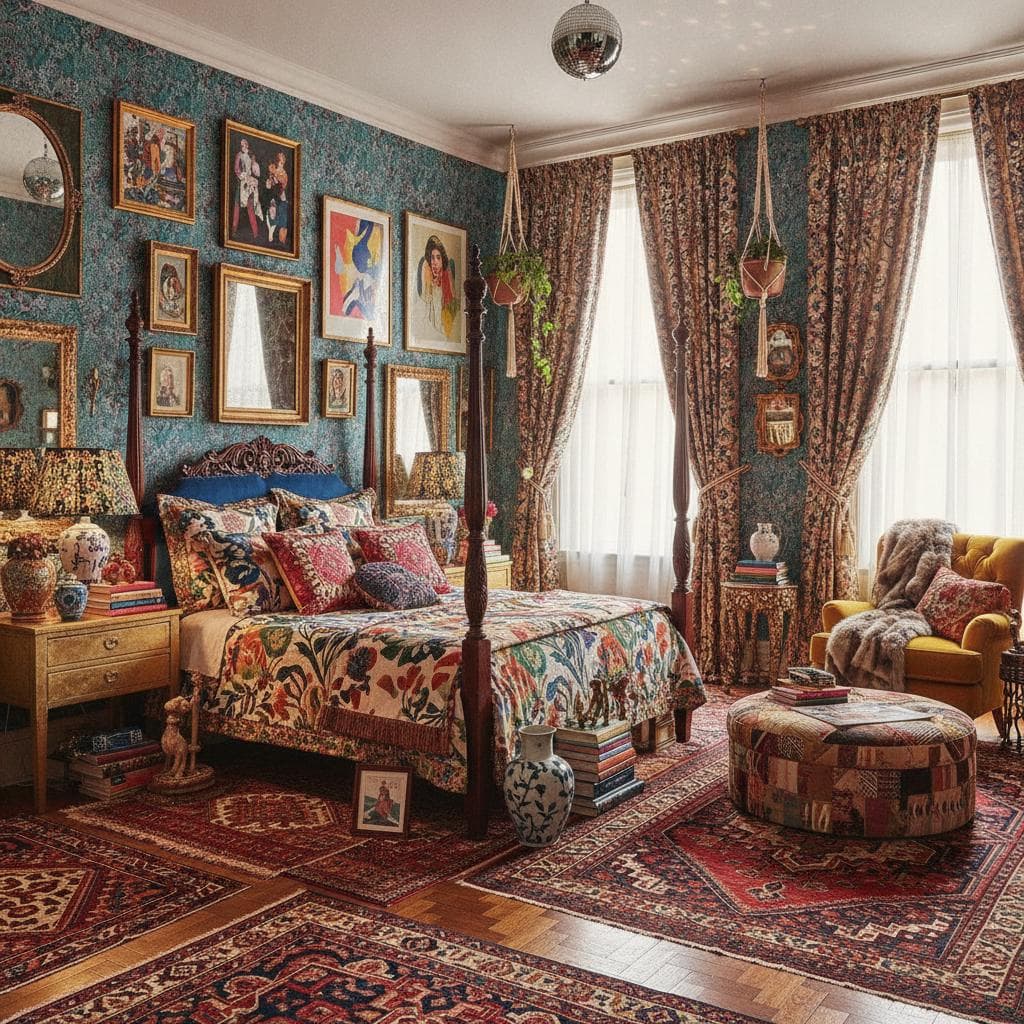
Foster unity with matching hues, fabrics, or artwork, even in distinct rooms. This strategy maintains a cohesive home atmosphere without imposing uniformity.
4. Emphasize Quality and Utility
Acquire superior mattresses, light-blocking treatments, and acoustic barriers where feasible. Treat each area as a deliberate haven, free from storage encumbrance, to optimize tranquility.
5. Foster Bonds Beyond Sleeping Hours
Independent rest does not imply isolation. Establish routines like joint morning beverages or evening discussions to nurture emotional closeness.
Worldwide Inspirations Shaping the Trend
Flexible sleeping practices span cultures. Japanese couples commonly use separate futons, easily reconfigured nightly. Scandinavians employ individual duvets to prevent cover disputes. French residences often feature adjacent twin beds, blending proximity with personal comfort.
These traditions underscore that intimacy flourishes without mandatory co-sleeping. The current sleep divorce iteration integrates such elements, prioritizing self-care alongside partnership.
My international exposures revealed the absence of judgment around these arrangements, only sensible adaptation. This perspective informs my guidance for designing supportive homes for couples and families.
Navigating the Relational Aspects of Independent Sleep
Initial transitions may provoke unease, with concerns that separate rooms signal detachment. Evidence suggests the reverse: refreshed partners engage more effectively and value interactions deeply.
Therapist Dr. Nina Patel, specializing in couple dynamics, asserts that "sleep loss amplifies minor conflicts. Distinct bedrooms alleviate this strain, restoring clarity." She emphasizes that open-minded implementation leads to favorable outcomes.
For households with children, this model demonstrates self-care and boundaries, reinforcing rest's importance for all members.
Adapting Arrangements Over Time
Established sleep divorce setups remain dynamic, adjusting to evolving circumstances. Couples may alternate rooms periodically or designate one as a versatile guest or relaxation area. Flexibility ensures alignment with life's shifts.
To explore this option, begin modestly by trialing separate nights and monitoring impacts on energy, disposition, and interactions.
Sleep divorce bedrooms affirm that thoughtful design enhances relational foundations. Spaces that facilitate rest cultivate enduring patience, connection, and fulfillment.