Dopamine Decor: Designing Bedrooms for Lasting Happiness
The bedroom serves as a private retreat where daily routines begin and end. Many individuals maintain neutral palettes in these spaces, believing they promote tranquility. However, such choices often result in environments that feel uninspiring and disconnected from personal identity.
This realization prompted a deeper exploration into dopamine decor, a concept rooted in psychological principles. Designers and experts emphasize surrounding oneself with elements that evoke positive emotions. By prioritizing pleasure over perfection, this approach transforms ordinary rooms into vibrant, uplifting havens.
Understanding Dopamine Decor
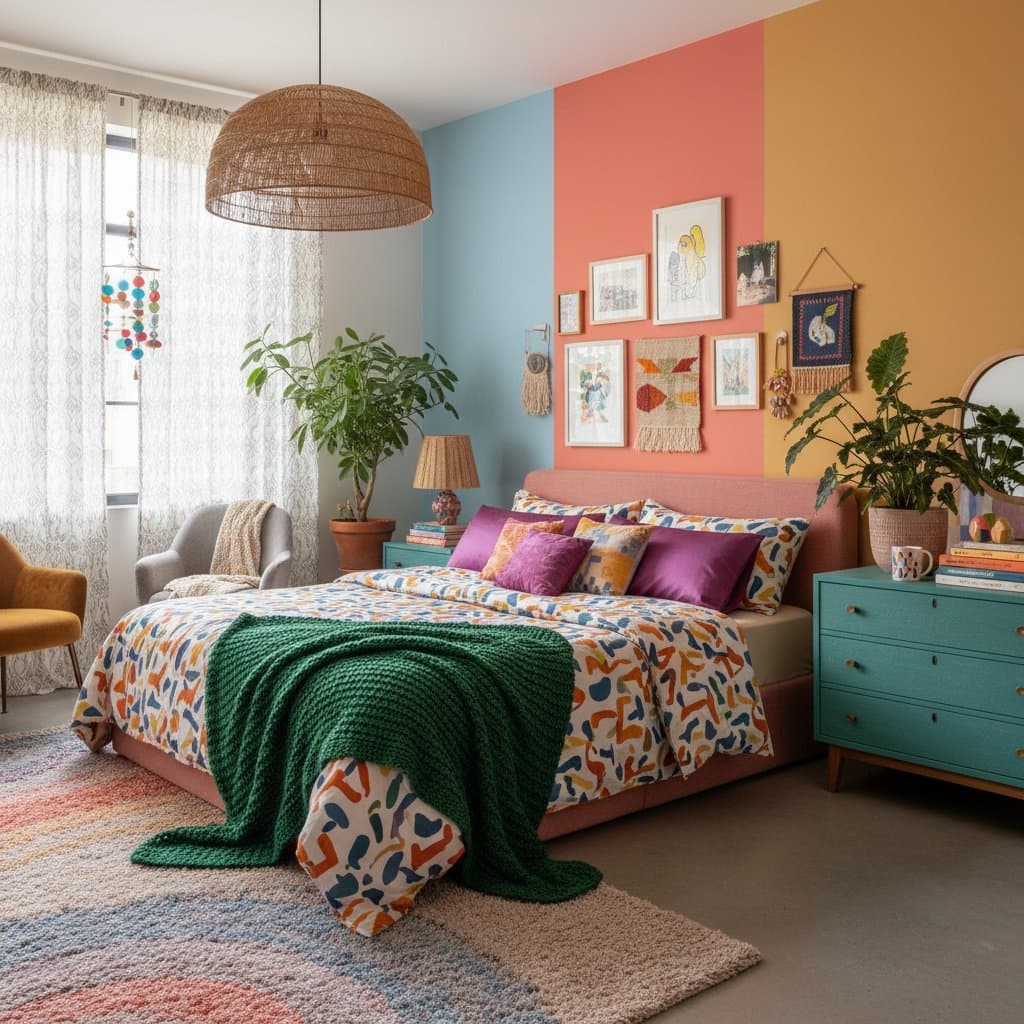
Dopamine decor draws inspiration from dopamine, the brain chemical associated with pleasure and motivation. The practice involves selecting items that generate feelings of delight and energy. Bold hues, eclectic patterns, and sentimental objects replace sterile or overly curated styles.
Discovering Personal Color Preferences
Initial experiments with color often begin modestly. Introduce a single vibrant accent, such as a coral cushion or a mustard-toned seat. Progress to larger commitments, like painting an accent wall in a hue inspired by natural landscapes, such as deep green evoking post-rain freshness.
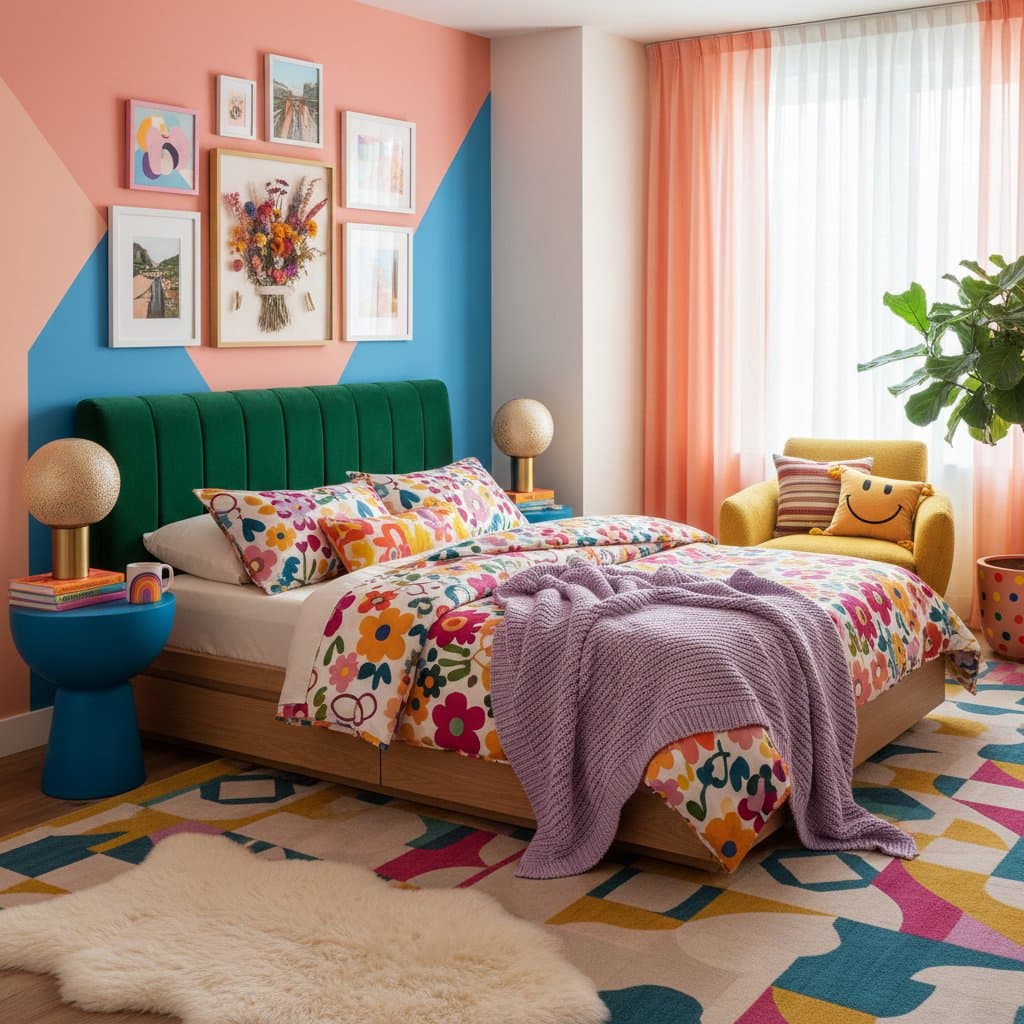
The essence lies in personal resonance rather than strict guidelines. Select shades that prompt genuine smiles, whether a vivid pink shade for a lamp or teal for upholstery. Test responses by observing how elements influence daily mood upon entering the room.
Steps to Build a Mood-Enhancing Bedroom
Practical application requires thoughtful progression. Begin with foundational choices and layer additions gradually. The following strategies, drawn from real-world testing, provide a structured path to joyful design.
1. Select a Central Joyful Item
Identify an object that immediately uplifts spirits and use it as the starting point. A multicolored vintage quilt, for instance, can anchor the bed and dictate surrounding elements. Alternatives include cherished artwork, a standout cushion, or an endearing light fixture. This core piece guides subsequent decisions.
2. Integrate Colors Thoughtfully
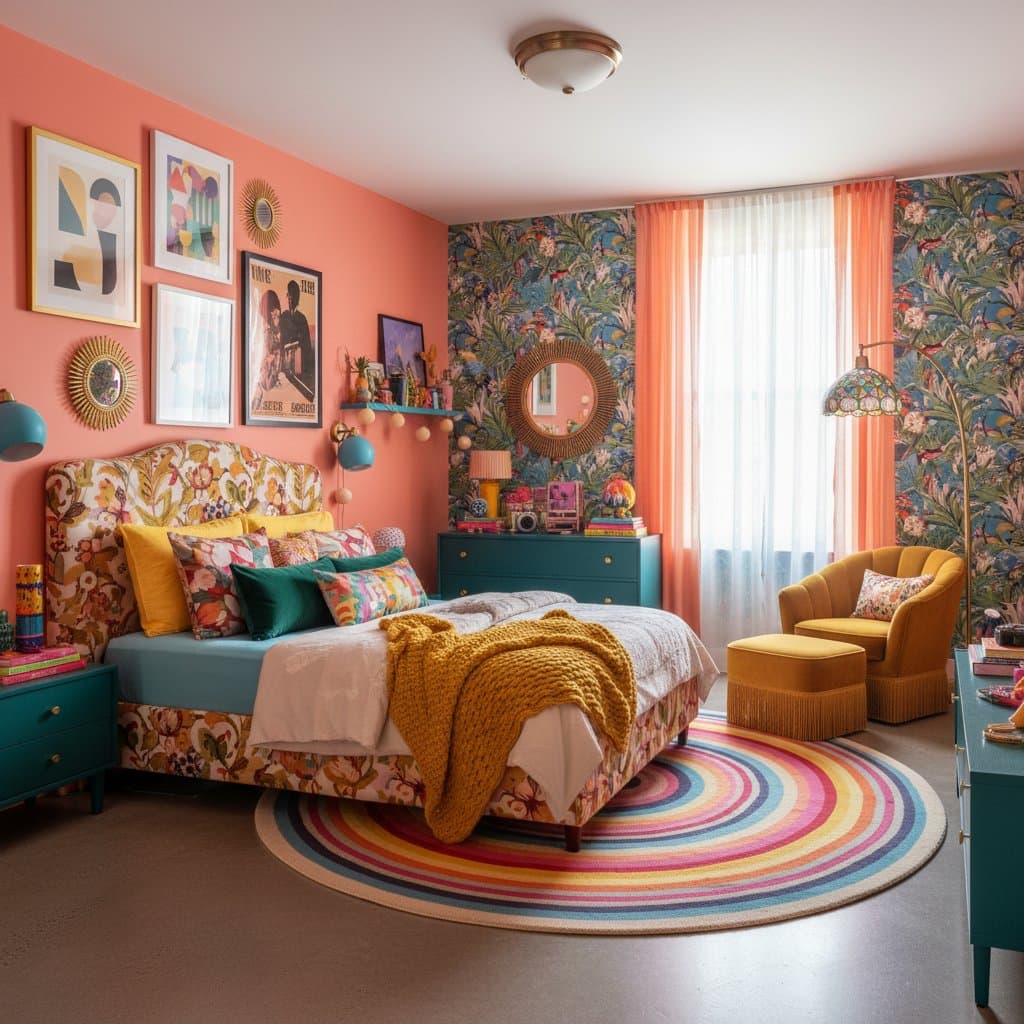
Balance vibrancy with harmony to avoid overload. Develop a cohesive scheme, such as combining green, coral, and gold accents grounded by neutral bases. For beginners, incorporate color via smaller items like a painted side table, graphic bedding, or stacked volumes in varied shades. These additions subtly elevate the atmosphere.
3. Incorporate Diverse Textures
Textures contribute significantly to sensory appeal. Combine materials like knitted throws, plush velvet, and polished ceramics to create tactile variety. Such layering fosters engagement, as pleasing surfaces trigger subtle neurological rewards. Experiment to find combinations that enhance comfort without complexity.
4. Feature Emotionally Significant Artwork
Prioritize pieces with personal meaning over generic decor. Display framed family snapshots, travel mementos, or self-created works. A simple image of a beloved pet, positioned bedside, can evoke warmth repeatedly. These elements strengthen emotional ties to the space.
5. Optimize Lighting for Ambiance
Lighting profoundly impacts perception. Replace stark fixtures with warm bulbs and introduce subtle accents, such as draped strings behind the bedframe. Employ multiple layers: general illumination, focused reading lights, and atmospheric sources like flameless candles. This creates a nurturing, enveloping effect.
6. Curate Intentionally for Balance
Joyful design demands selectivity to prevent disarray. Retain only items that consistently spark positivity, discarding those that induce stress. This editing process yields a dynamic yet serene environment. Regular reassessment ensures the space evolves with changing preferences.
Addressing Common Challenges
Not all attempts succeed immediately. Bright yellow linens, intended to brighten mornings, may instead overwhelm; opt for muted alternatives like soft butter tones. Overly contrasting colors can create tension, so introduce changes incrementally and evaluate over several days.
Shared spaces require collaboration. If partners favor subdued palettes, blend bold walls with understated textiles. Flexibility maintains harmony while preserving individual expression. Patience in iteration refines the outcome.
The Unique Appeal of Dopamine Decor
This trend stands apart by valuing authenticity over idealized images. It transcends budget constraints, suiting diverse living situations from compact rentals to spacious homes. Emphasis on personal joy democratizes design, allowing evolution as emotions shift.
Compared to past movements like minimalism or ornate maximalism, dopamine decor prioritizes human experience. It fosters permission to adapt, ensuring sustained relevance and delight.
Insights from Urban Living
In areas with limited natural light, such as certain neighborhoods, color compensates effectively. Local sourcing adds narrative depth; a locally crafted, imperfect piece like a painted chest enhances connection. These elements underscore that true satisfaction arises from relatability, not flawlessness.
Visitors often note the palpable positivity in such rooms. This feedback validates design's role in nurturing well-being.
Applying Dopamine Decor Effectively
Transitioning to this style starts with self-reflection. Identify elements that consistently energize, then proceed methodically.
- Pinpoint Emotional Triggers. Reflect on hues, materials, and recollections that invigorate.
- Establish a Key Element. Anchor with a single, resonant item.
- Incorporate Complementary Shades. Select supporting colors that harmonize without dominating.
- Build Textural Depth. Blend varied surfaces for engaging tactility.
- Refine the Collection. Preserve emotionally vital pieces and eliminate neutral ones.
Gradual implementation yields a bedroom that not only pleases the eye but also supports emotional health daily.