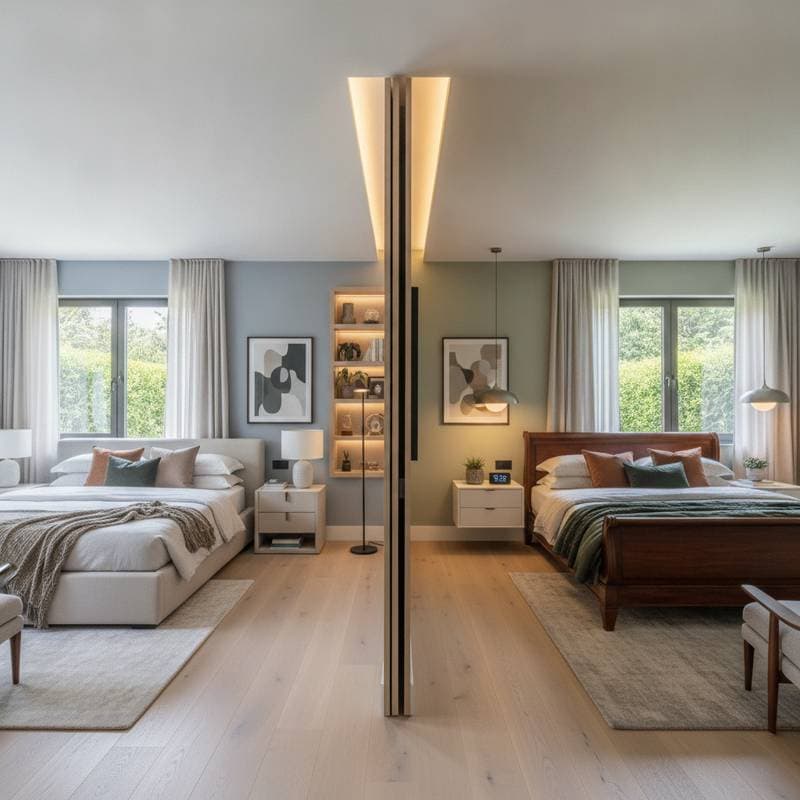
The Rise of Sleep Divorce: Dual Suites for Modern Living
Imagine a dimly lit clock displaying the late hour. One partner emits steady snores while the other shifts restlessly, gripping a pillow tightly. The room temperature fluctuates, blankets become contested territory, and restful sleep seems unattainable. This scenario resonates with many couples, who find that shared beds disrupt harmony. A emerging design trend addresses this challenge: sleep divorce through dual master bedrooms, which allow partners to recharge independently yet remain connected.
Understanding Sleep Divorce
The term sleep divorce may evoke images of relational discord, yet it signifies something far more positive. This practice involves couples opting for separate sleeping arrangements to prioritize individual rest without compromising emotional ties. Factors such as snoring, mismatched schedules, varying temperature needs, or sensitivity to light often turn shared bedrooms into sources of fatigue rather than renewal.
The Emergence of Dual Master Suites
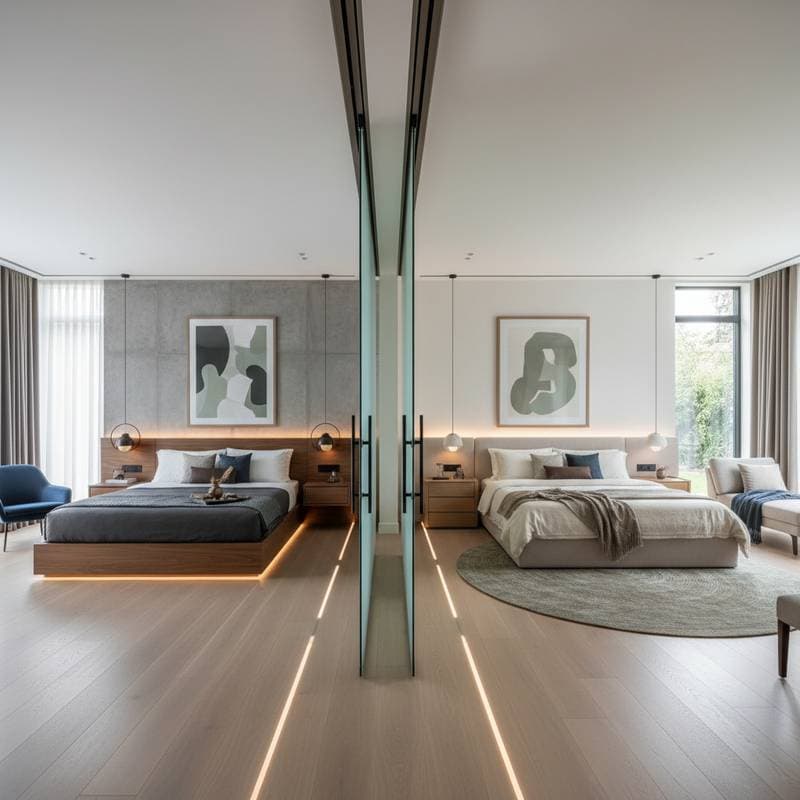
Architects and interior designers now incorporate dual master suites into home plans to meet this demand. These configurations feature two distinct yet luxurious bedrooms linked by communal areas like lounges or ensuites. Such layouts offer seclusion for sleep while facilitating shared routines.
This approach harmonizes privacy with proximity. Partners retreat to tailored environments for rest but converge in adjoining spaces for interaction. The result resembles a balanced partnership, where individual needs support collective well-being.
Essential Elements of Dual Suite Design
Effective dual suite planning extends beyond dividing space; it requires intentional features that promote both autonomy and unity.
Key elements include:
-
Acoustic Isolation: Install soundproofing materials between rooms to prevent disturbances from audio devices or late-night activities. Thick rugs, fabric wall treatments, and cushioned furnishings dampen echoes while enhancing aesthetics.
-
Climate Regulation: Equip each room with separate thermostats or zoned HVAC systems. One space can maintain a cool, airy feel, while the adjacent area stays warm and inviting.
-
Illumination Management: Integrate adjustable fixtures, heavy drapes, and automated lights. Those needing darkness achieve it easily, whereas others enjoy subtle reading lamps without intrusion.
-
Unified Aesthetics: Select consistent flooring, trim, or motifs to link the rooms visually. Subtle variations in palette or materials allow personalization without fragmentation.
-
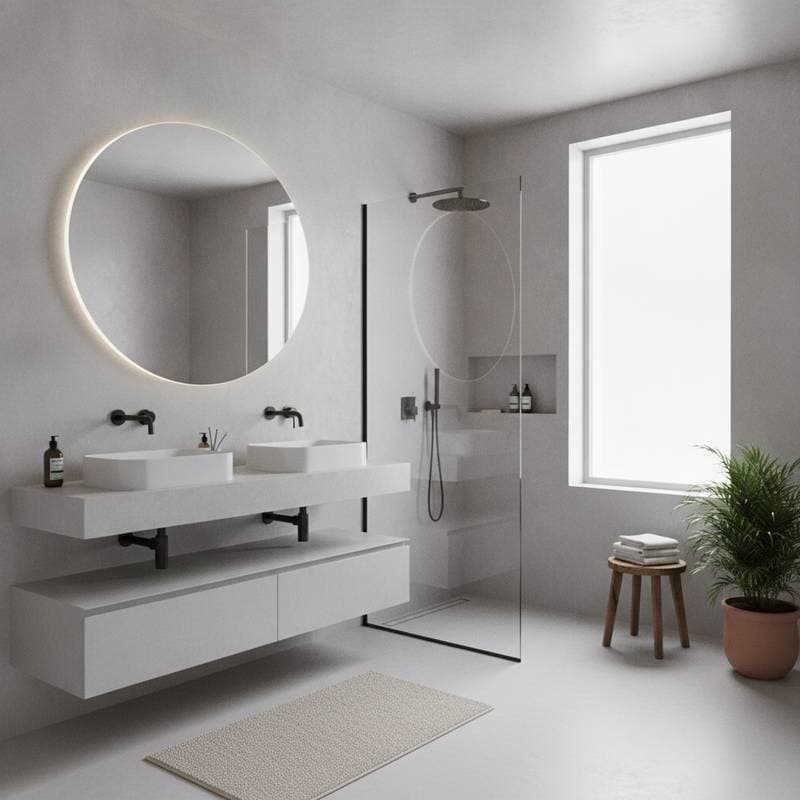
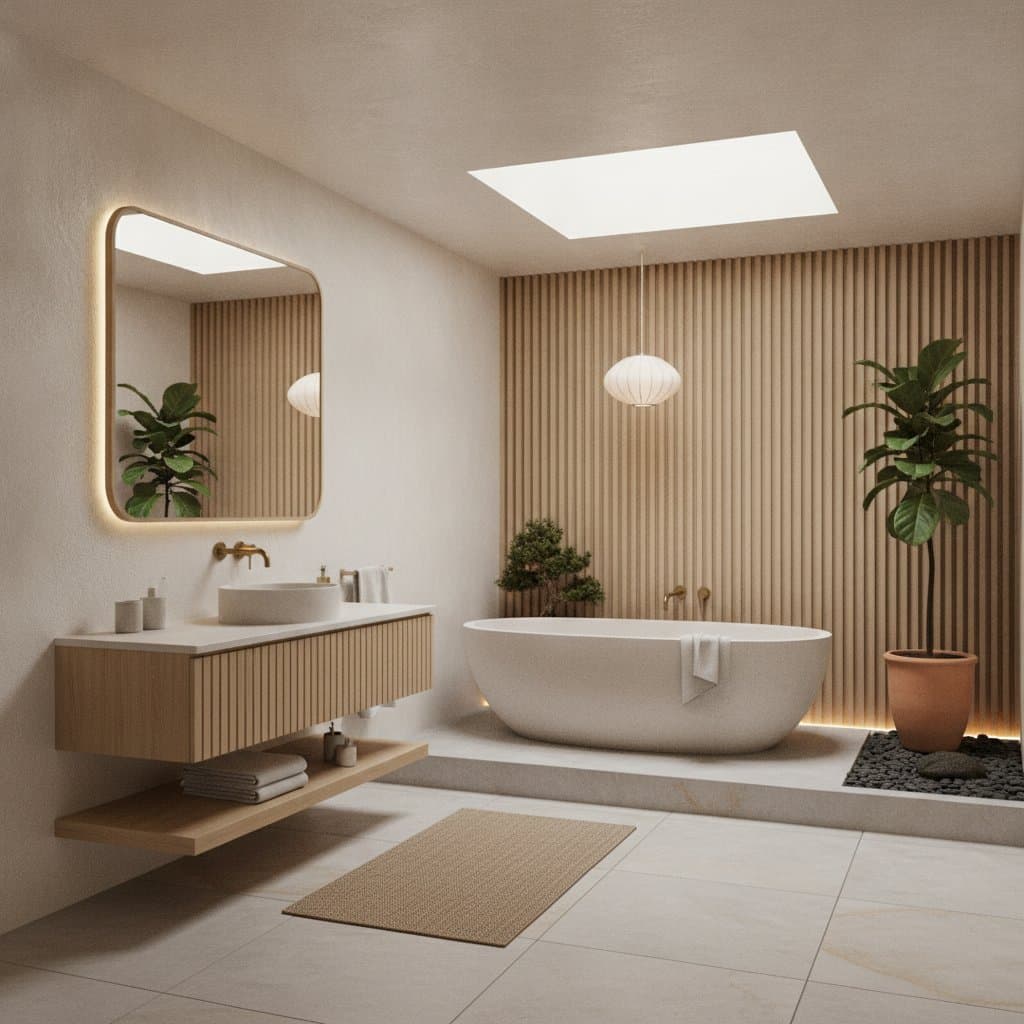
Transitional Zones: Design shared closets, vanities, or lounges to connect the suites. These areas streamline mornings and evenings, blending independence with routine.
Tailoring Personal Sanctuaries
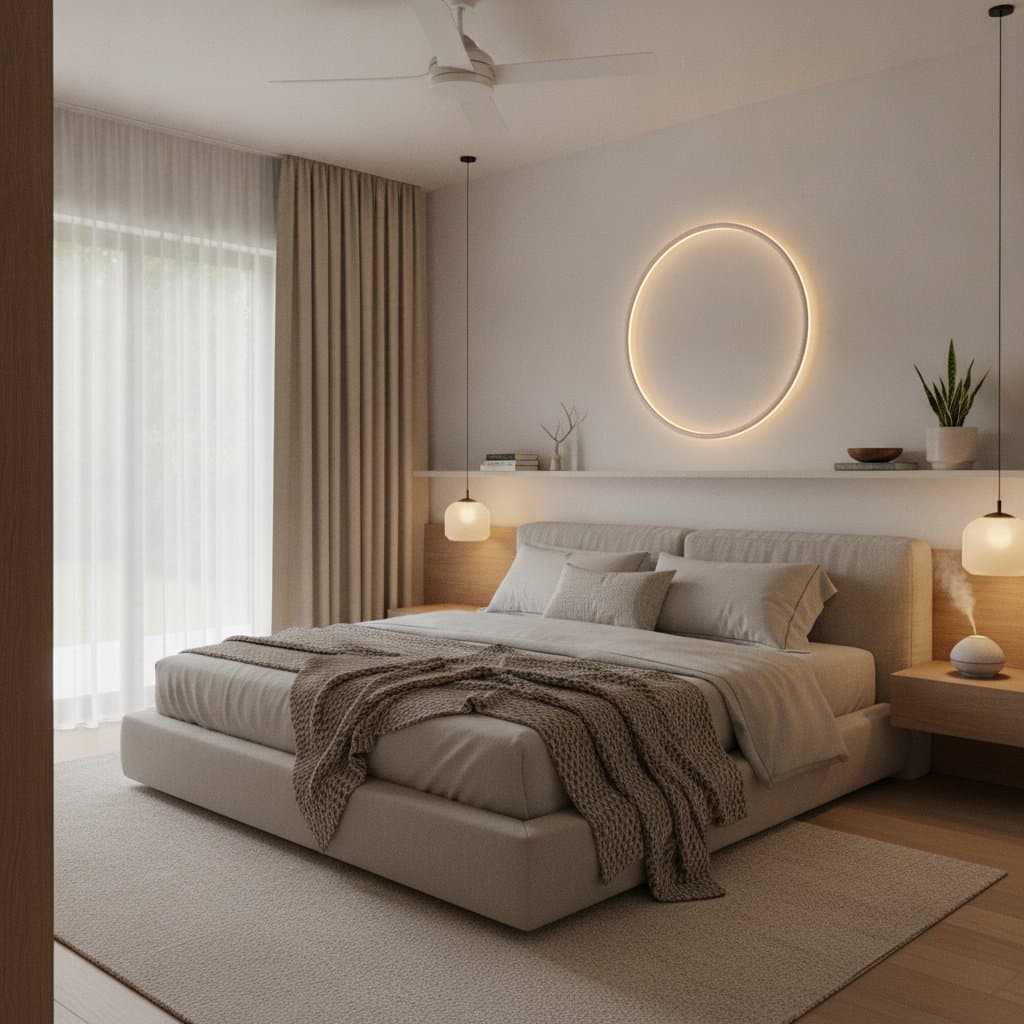
Dual suites excel in adaptability, enabling each occupant to craft a space aligned with their preferences. One might favor sleek lines, neutral shades, and firm bedding for tranquility. The other could embrace organic elements, like verdant foliage and soft fabrics, for a nurturing atmosphere.
To foster restorative settings:
- Select natural fibers such as cotton or linen for sheets and pillows to ensure breathability.
- Employ diffusers with pure essential oils for subtle, soothing aromas.
- Opt for diffused, warm lighting to ease into relaxation.
- Introduce low-maintenance plants like peace lilies or ferns to purify air and calm the senses.
These choices elevate bedtime from obligation to anticipation, emphasizing fulfillment over concession.
The Critical Role of Quality Rest
Rest forms the bedrock of emotional and physical vitality. Chronic sleep disruption amplifies everyday stresses, eroding relational dynamics. Purposeful designs that facilitate uninterrupted sleep mitigate these issues proactively.
Studies affirm that restorative nights correlate with greater relational fulfillment and resilience. Refreshed individuals engage more positively, fostering mutual support. Thus, separate sleep arrangements enhance waking hours, not distance.
Evolving Norms Around Wellness and Home
Traditionally, co-sleeping represented relational solidarity. Contemporary shifts toward self-care and boundaries redefine this norm. Dual suites align with a wellness-centric ethos, where homes prioritize function and serenity over convention.
This evolution underscores homes as refuges for rejuvenation. By accommodating personal rhythms, such designs affirm respect and vitality as cornerstones of enduring bonds.
Practical Implementation and Costs
Retrofitting for dual suites varies in scope and expense. Existing structures can adapt by converting studies into bedrooms or using screens for subtle division.
Affordable starting points encompass:
- Repurposing underutilized rooms as sleep quarters.
- Arranging furniture or drapery to delineate zones within a single space.
- Adding smart controls for lighting and climate to simulate separation.
New constructions increasingly offer modular plans with dual options as defaults. Discussions with professionals now routinely explore these features, normalizing the choice.
Strengthening Bonds Through Rest
Adopting separate sleep often yields surprising relational gains. Energized partners invest more in joint pursuits, dialogues, and tenderness. The brief separation introduces fresh dynamics, like evening rituals or morning reunions, reinvigorating familiarity.
This setup underscores that proximity in daily life suffices for closeness. Well-rested couples navigate challenges with grace, turning potential divides into opportunities for growth.
Integrating Design with Relational Needs
Superior architecture serves inhabitants by addressing real needs. Dual master suites embody this principle, merging practicality with empathy to cultivate peace and unity.
Through strategic planning, these spaces affirm rest as individual yet relational. They illustrate how thoughtful environments can nurture autonomy alongside partnership, yielding homes that truly sustain.
Embracing Rest for Lasting Harmony
Sleep divorce via dual suites prioritizes thriving together over rigid togetherness. It honors unique preferences while reinforcing shared commitments. As designs adapt to lifestyle demands, this approach promises households filled with vitality and ease.
Prioritize sleep to unlock relational potential. Homes that facilitate renewal become foundations for joy and collaboration.