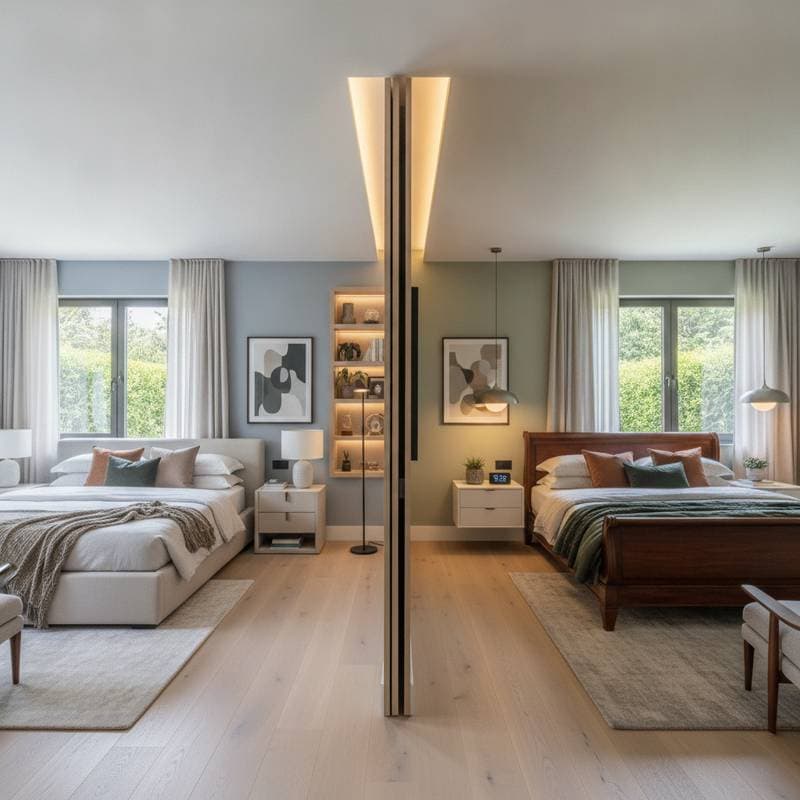
The Rise of Sleep Divorce: Dual Master Bedrooms Transform Modern Homes in 2026
Couples increasingly rethink the essence of restful sleep, and interior design responds in kind. Dual master bedrooms have shed their outdated stigma to emerge as intelligent, elegant solutions that foster intimacy in contemporary households.
Redefining Togetherness in the Bedroom
Separate sleeping arrangements once evoked unspoken concerns about relational harmony. Homeowners now recognize that physical rest and emotional bonds operate on distinct planes. Allocating dedicated sleep areas to each partner frequently alleviates nightly disruptions and enhances overall partnership dynamics.
Sleep specialist Dr. Elena Cruz observes that most couples underestimate the impact of inadequate sleep on daily interactions and emotional states. A secondary bedroom serves as an effective remedy to avert escalating conflicts. This strategy underscores rest as the bedrock of meaningful connections.
Practical Design Strategies for Dual Master Bedrooms
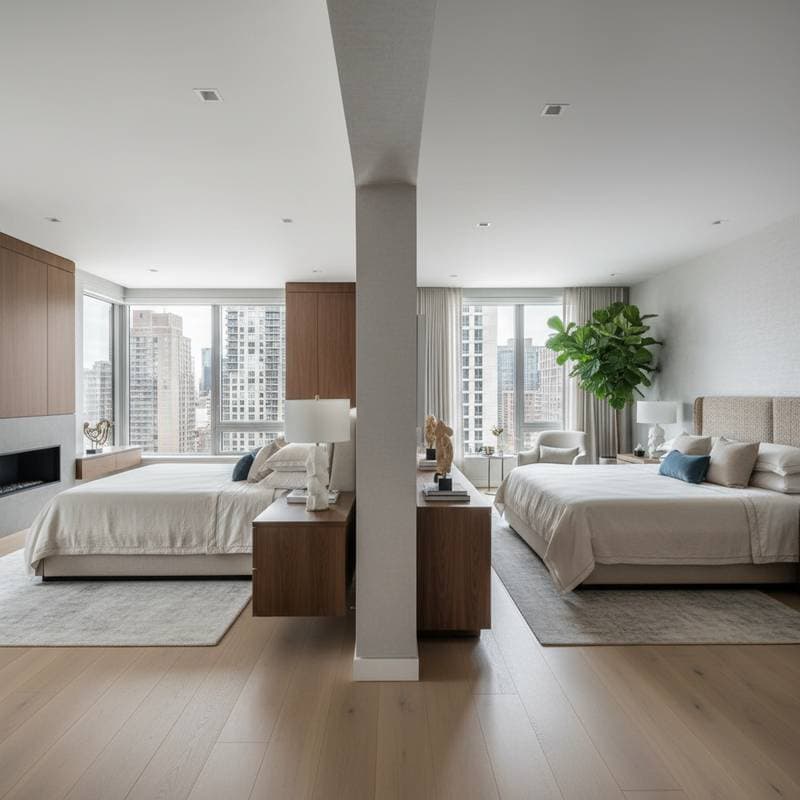
Developing dual sleep environments that balance connectivity and individuality presents an engaging design opportunity. Begin with a unified aesthetic foundation, then incorporate tailored elements to suit personal tastes.
1. Establish a cohesive yet varied color scheme.
Select a primary palette of serene neutrals or inviting earth tones. Introduce subtle variations through accent hues or fabric textures in each room. This method maintains visual harmony across the suite while allowing distinctive personalities to shine.
2. Prioritize equivalent comfort levels over stylistic uniformity.
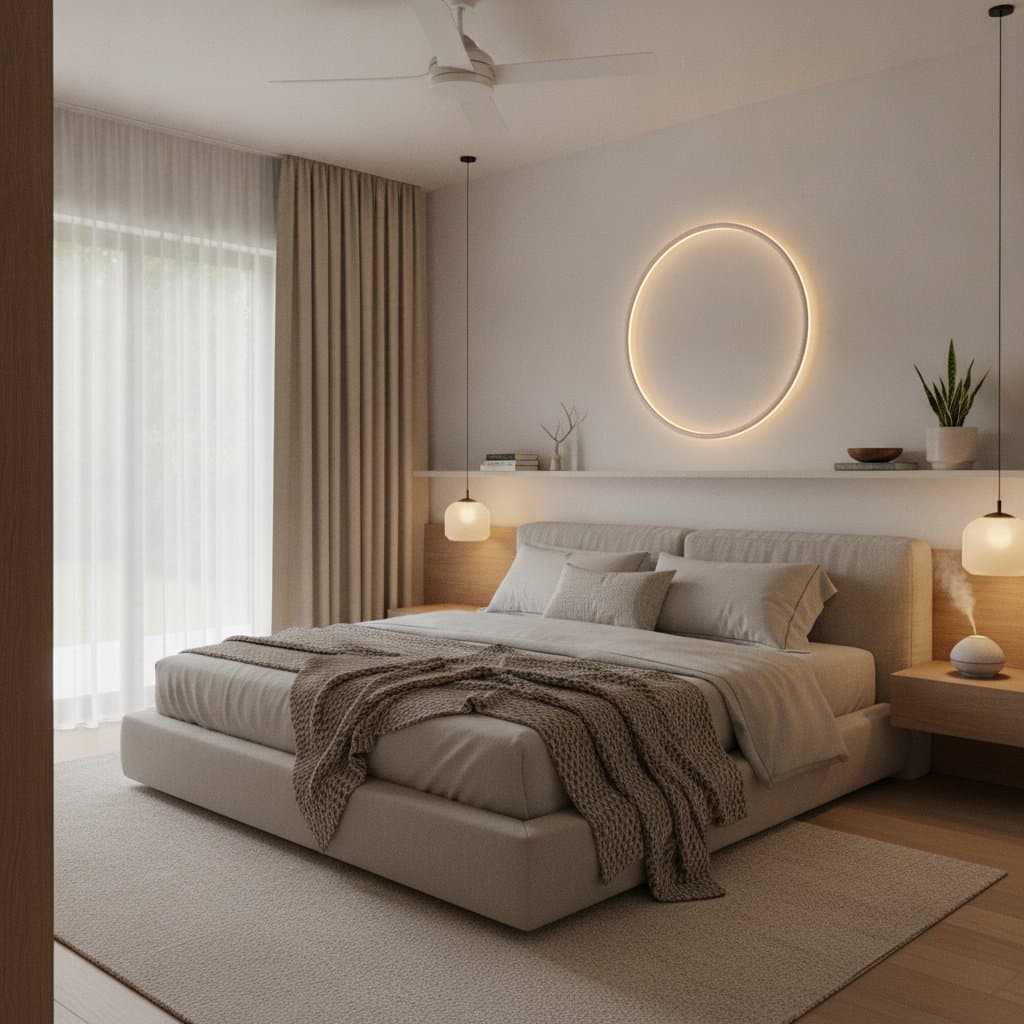
One partner may favor sleek contemporary forms while the other prefers classic motifs. Ensure parity in essential features, such as high-density foam mattresses, plush layered linens, and ambient task lighting. Interior designer Brooke Lang emphasizes that equitable quality promotes both equity and visual appeal.
3. Integrate adaptable lighting solutions.
Install rheostat controls, light-blocking shades, and versatile table lamps to empower individual environmental adjustments. For synchronized routines, employ automated systems that align wake-up times yet preserve customized preferences. These elements accommodate diverse sleep schedules without compromise.
4. Incorporate linking design motifs.
Select recurring patterns in area rugs, identical side tables, or mirrored artwork placements to bridge the rooms. Reuse materials like polished metal fixtures or natural fiber window treatments for subtle cohesion. Such details create a sense of continuity amid separation.
5. Develop intermediary communal areas.
When rooms adjoin via a corridor or compact lounge, designate it as a relaxed gathering spot. Include a compact sofa, wall-mounted shelves for shared reading, or a beverage preparation nook. This zone facilitates pre-bedtime interactions and eases transitions to rest.
Navigating the Emotional Dimensions of Separate Sleep Spaces
Alterations in sleeping habits often provoke strong feelings, particularly regarding intimacy. Partners may fear that distinct bedrooms imply emotional drift. In reality, relational depth hinges on shared daily experiences rather than nocturnal proximity.
Therapist Dana Fields notes that joint decisions on sleep setups demonstrate mutual regard. Partners honor individual requirements rather than fostering silent grievances. Numerous clients describe heightened tenderness following reliable nightly rejuvenation.
Open dialogue remains essential. Frame the choice as an enhancement to daily life, not an admission of discord. Sustain closeness through established routines, such as communal morning beverages, dusk conversations, or leisurely weekend meals.
Adapting Dual Master Layouts for Evolving Lifestyles
Home designs must accommodate life stages, and dual master configurations offer remarkable versatility. One bedroom might repurpose as an office, exercise area, or additional guest quarters as circumstances shift. The objective centers on functional spaces that evolve with occupants.
To optimize long-term satisfaction:
- Review and refresh the areas periodically, perhaps quarterly. Introduce updates like seasonal textiles or thematic decor to sustain vitality.
- Maintain equitable communal resources. For joint wardrobes, periodically assess allocations to ensure fairness.
- Acknowledge positive outcomes. Enhanced rest typically yields improved vitality, greater tolerance, and elevated household joy.
Viewing sleep as a collective value elevates separate quarters into emblems of attentiveness rather than isolation.
Implementing Sleep Divorce in Your Residence
Consider adopting this trend by examining personal sleep patterns. Notice if fatigue persists disproportionately or if solitude aids pre-sleep wind-down. These insights determine the suitability of dual masters for your needs.
Consult professionals early to map renovations. Budget for structural adjustments alongside aesthetic enhancements. Track improvements in rest and relational quality to affirm the investment.